Blocked Tear Ducts: Causes, Symptoms, And Treatment Guide
Discover the root causes of blocked tear ducts, from birth defects to age-related changes, and learn how they disrupt normal tear flow in eyes.
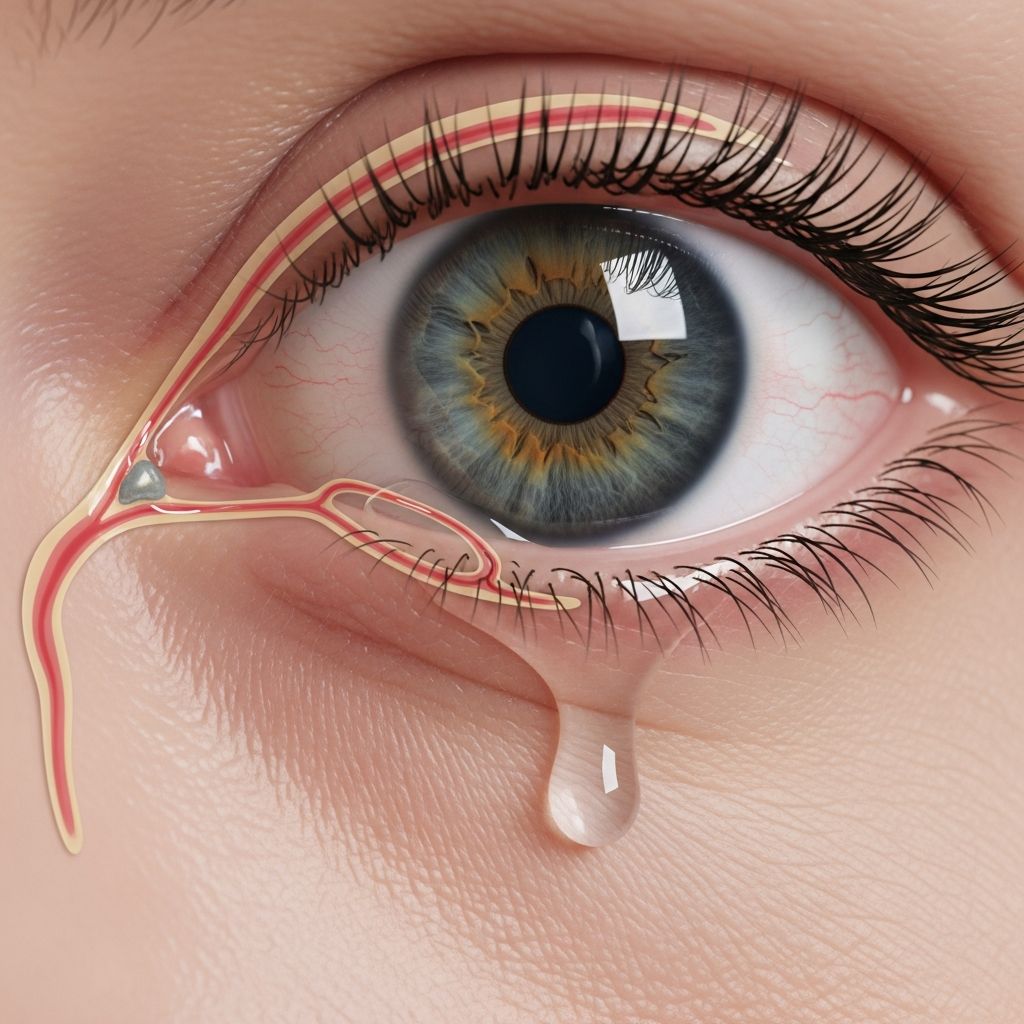
A blocked tear duct, medically termed nasolacrimal duct obstruction, prevents tears from draining properly from the eye into the nose, leading to overflow and potential discomfort. This condition affects people of all ages, with distinct causes in newborns versus adults.
How the Tear Drainage System Functions Normally
Tears produced by the lacrimal glands lubricate the eye surface and are drained via tiny openings called puncta near the inner eyelids. These connect to canals that lead to the nasolacrimal sac and duct, emptying into the nasal cavity. When this pathway is obstructed, tears accumulate, causing symptoms like excessive watering.
- Puncta: Entry points for tears.
- Canaliculi: Small channels directing tears.
- Nasolacrimal sac: Reservoir before the duct.
- Nasolacrimal duct: Final passage to the nose.
Primary Causes in Newborns and Infants
Congenital blockages are the most frequent in babies, occurring in up to 20% of newborns. The valve of Hasner, a membrane at the duct’s end, often fails to open fully at birth, trapping tears and promoting fluid buildup or infection.
This incomplete development means tears cannot flow into the nose, leading to epiphora (overflow tearing). Most cases resolve spontaneously by 12 months as the membrane perforates naturally, but persistent ones require intervention.
Causes in Adults and Older Children
Adults face acquired obstructions from various factors. Aging narrows the puncta and ducts, reducing drainage efficiency. Chronic sinus or eye infections cause inflammation and scarring, narrowing passages.
| Cause Category | Description | Prevalence |
|---|---|---|
| Aging | Narrowing of puncta and ducts over time | Common in elderly |
| Infections | Scarring from sinusitis or conjunctivitis | Frequent trigger |
| Trauma | Facial injuries damaging bone or soft tissue | Post-accident |
| Tumors | Growths in nose or duct pathway | Rare but serious |
Medications like glaucoma eye drops or chemotherapy can induce blockages by causing inflammation or canalicular damage. Radiation therapy for head/neck cancers similarly affects tissues.
Recognizing Symptoms of Tear Duct Blockage
Common signs include persistent tearing, redness at the eye’s inner corner, and crusty discharge. Recurrent pink eye (conjunctivitis) arises from stagnant tears breeding bacteria.
- Excessive tearing (epiphora).
- Swelling or tenderness near the nose bridge.
- Mucus or pus from the eye.
- Blurred vision from tear film disruption.
- Fever if infection spreads.
In severe cases, blood-tinged tears or abscess formation signals dacryocystitis, an inflamed tear sac requiring urgent care.
Potential Complications from Untreated Blockages
Stagnant tears foster bacterial, viral, or fungal growth, leading to chronic infections. These can spread to sinuses, eyelids, or cornea, causing cellulitis or vision-threatening issues.
Infants risk developmental delays in eye health if unresolved past infancy. Adults may experience persistent discomfort impacting daily life.
Diagnostic Approaches for Confirmation
Eye specialists use simple tests like dye disappearance (fluorescein test) to assess drainage. Probing or imaging (dacryocystography) visualizes blockages. Nasal endoscopy checks for tumors or polyps.
- Inspect puncta for narrowing.
- Flush system with saline.
- Imaging if complex causes suspected.
Non-Surgical Treatment Options
For infants, gentle massage of the tear sac 2-3 times daily promotes membrane opening. Technique: Press from inner eye corner downward toward nose.
Related Stories



Antibiotic drops or ointments combat infections. Dilation, probing, and irrigation under anesthesia clears minor blockages in children and adults.
Balloon catheter dilation widens narrow ducts by inflating a tiny balloon within the passage, effective for partial obstructions.
Surgical Interventions for Persistent Cases
If conservative measures fail, surgery is highly successful. Dacryocystorhinostomy (DCR) creates a new drainage pathway from the tear sac directly to the nose, bypassing the blocked duct. Silicone stents maintain openness during healing (2-3 months).
Intubation places tubes in ducts for support. Success rates exceed 90% for adults; infants often need probing first.
Home Care Strategies and Prevention Tips
Warm compresses reduce swelling; avoid rubbing eyes to prevent trauma. Maintain hygiene to curb infections. For adults, manage allergies or sinus issues promptly.
- Apply warm cloth 10-15 minutes daily.
- Clean eyelids with baby shampoo solution.
- Avoid irritants like smoke.
While home remedies aid symptoms, professional evaluation is essential for underlying causes.
Prognosis and Long-Term Management
Most infant cases self-resolve by age 1. Adults enjoy excellent outcomes post-treatment, with low recurrence if causes like tumors are addressed. Regular follow-ups ensure patency.
Frequently Asked Questions (FAQs)
Can a blocked tear duct resolve without treatment?
Yes, especially in newborns; up to 90% improve by 12 months via natural membrane rupture.
Is surgery always necessary?
No, massage and probing suffice for many; surgery for refractory cases.
Does this condition affect vision permanently?
Rarely, if infections are controlled promptly; untreated chronic issues pose risks.
Are there natural remedies that work?
Warm compresses and massage help symptoms but don’t replace medical care.
How soon should I see a doctor?
If symptoms persist beyond 6 months in infants or cause pain/infection in adults.
This comprehensive overview equips you with knowledge on blocked tear ducts. Consult an ophthalmologist for personalized advice.
References
- Blocked Tear Duct: Causes, Symptoms, Treatment & … — Cleveland Clinic. 2023. https://my.clevelandclinic.org/health/diseases/17260-blocked-tear-duct-nasolacrimal-duct-obstruction
- Blocked Tear Duct: Causes, Symptoms, & Treatment Options — Midwest Vision Partners. 2024. https://midwestvision.com/service/tear-duct-problems/
- 7 Blocked Tear Duct Home Remedy Solutions You Can Try — Northwest Eye. 2023. https://nweyeclinic.com/7-blocked-tear-duct-home-remedy-solutions-you-can-try/
- Blocked tear duct — University of Michigan Health Sparrow. 2024. https://www.uofmhealthsparrow.org/departments-conditions/conditions/blocked-tear-duct
- Blocked tear duct – Symptoms & causes — Mayo Clinic. 2023-10-14. https://www.mayoclinic.org/diseases-conditions/blocked-tear-duct/symptoms-causes/syc-20351369
- Blocked Tear Duct Treatment — Beach Eye Medical Group. 2024. https://beacheye.com/services/blocked-tear-duct/
- Blocked Tear Duct — St. Louis Children’s Hospital. 2023. https://www.stlouischildrens.org/conditions-treatments/blocked-tear-duct
Similar Articles








Read full bio of Sneha Tete