Blocked Tear Duct Treatments: Effective Options And Recovery
Comprehensive guide to diagnosing, treating, and preventing blocked tear ducts in infants and adults for optimal eye health.
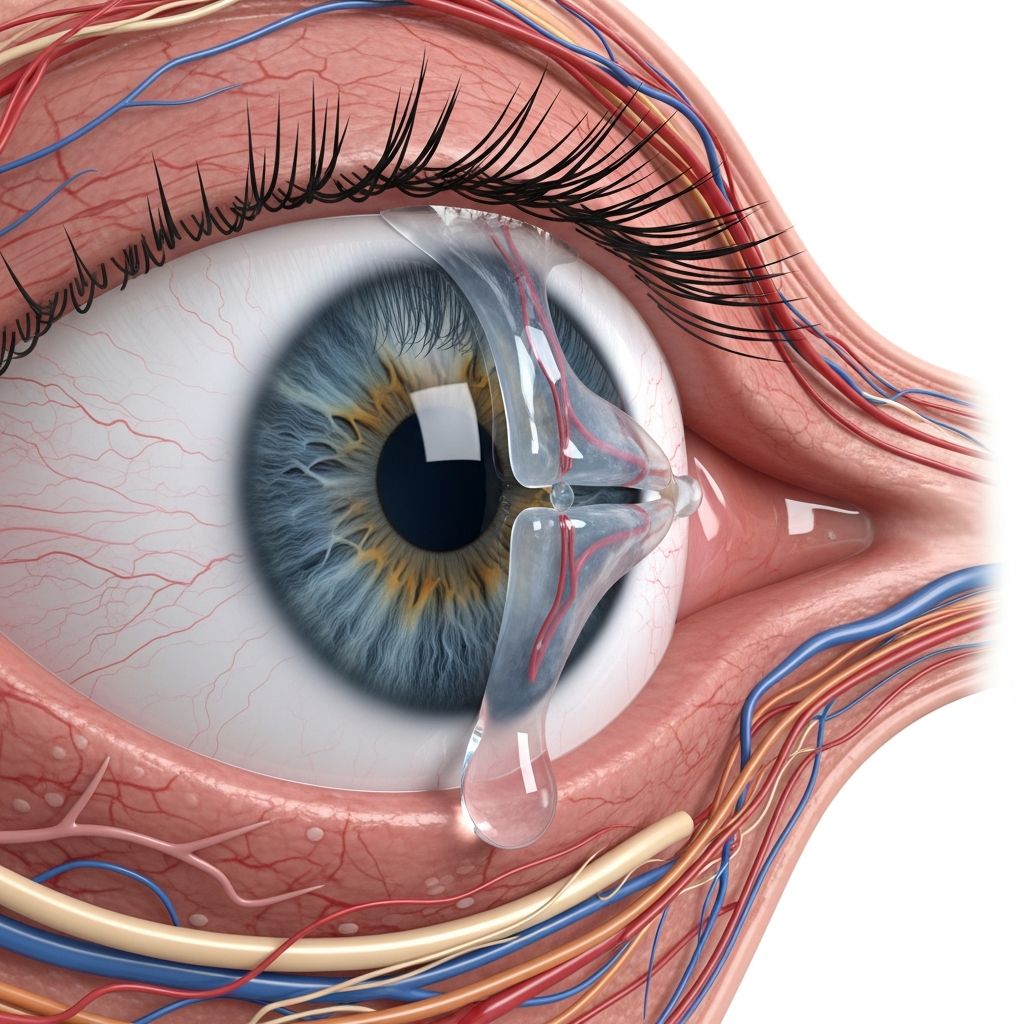
A blocked tear duct, medically termed nasolacrimal duct obstruction, disrupts the normal drainage of tears from the eye into the nose, leading to excessive tearing and potential infections. This condition affects both newborns, where it is often congenital, and adults due to various acquired factors. Effective management ranges from conservative home techniques to surgical interventions, with high success rates across age groups.
Understanding the Tear Drainage System
The tear drainage system begins at the puncta, small openings at the inner corners of the eyelids, which lead into the canaliculi, then the lacrimal sac, and finally the nasolacrimal duct emptying into the nose. Blockages can occur at any point, causing tears to overflow onto the cheek. In infants, the valve of Hasner—a membrane at the duct’s end—may remain imperforate at birth, resolving spontaneously in most cases by one year.
Common Symptoms and When to Seek Help
Key indicators include persistent watery eyes, redness in the sclera (white of the eye), recurrent conjunctivitis, eyelid crusting, mucus or pus discharge, blurred vision, and painful swelling near the medial canthus. In severe cases, a visible lump forms due to dacryocystitis, an infection of the lacrimal sac. Parents should consult a pediatrician if an infant’s symptoms persist beyond six months or worsen; adults warrant prompt ophthalmologist evaluation for chronic issues or sudden onset.
- Excessive tearing (epiphora) not relieved by blinking.
- Frequent eye infections or irritation.
- Swelling or tenderness at the nose-eye junction.
- Matter buildup on lashes upon waking.
Causes Across Age Groups
In newborns, congenital obstructions stem from incomplete canalization of the nasolacrimal duct, affecting up to 20% of infants. Adults face acquired blockages from chronic sinusitis, facial trauma scarring bone or soft tissue, tumors, glaucoma medications, or cancer therapies like chemotherapy. Inflammatory conditions or aging-related narrowing of puncta also contribute.
| Age Group | Primary Causes | Risk Factors |
|---|---|---|
| Infants | Congenital membrane | Prematurity, family history |
| Adults | Infection, injury, tumors | Sinus issues, trauma, medications |
Non-Surgical Treatment Options
Conservative approaches prioritize least invasive methods. For infants, lacrimal sac massage—gently pressing from the inner eye corner downward toward the nose 5-10 times per session, 2-3 times daily—opens the membrane effectively in 90% of cases within months. Warm compresses precede massage to soften debris.
Antibiotics, topical drops or oral, address associated infections like dacryocystitis, preventing abscesses or sinus spread. Adults may benefit from punctal dilation and irrigation, an office procedure flushing the system with saline via a probe.
Advanced Minimally Invasive Procedures
Balloon catheter dilation involves threading a deflated balloon through the duct under anesthesia, inflating it to stretch the narrowing. Effective for partial blockages in children and adults, it offers longer relief than probing alone. Silicone stents or tubes may be placed to maintain patency for 3-6 months post-dilation.
Related Stories



- Anesthetize the patient.
- Access puncta and advance catheter.
- Inflate/deflate balloon multiple times.
- Remove catheter; monitor flow.
Surgical Interventions for Persistent Cases
Dacryocystorhinostomy (DCR) is the gold standard for complete or refractory blockages. External DCR creates a new pathway from the lacrimal sac to the nasal cavity via a skin incision; endoscopic DCR uses nasal access, avoiding scars. Success rates exceed 95%, performed outpatient under local or general anesthesia.
Conjunctivodacryocystorhinostomy suits canalicular damage, bypassing upper ducts with a Jones tube. Rarely, tumor removal precedes reconstruction. Post-op care includes antibiotic drops, avoiding nose blowing, and silicone tubes removal after weeks.
Complications and Prevention Strategies
Untreated blockages foster stagnant tears, breeding bacteria for recurrent infections, including severe dacryocystitis with nasal-side abscesses or conjunctivitis spread. Prevention involves hygiene: clean eyelids with baby shampoo dilutions for infants, manage allergies/sinusitis in adults, and protective eyewear post-trauma. Regular eye exams detect early narrowing.
Prognosis and Recovery Expectations
Infants resolve spontaneously or with massage in 96% by age one; probing boosts success to near 100%. Adults achieve excellent outcomes post-DCR, with minimal recurrence if underlying issues like tumors are addressed. Recovery varies: massages yield days-weeks improvement; surgeries allow return to activities in 1-2 weeks, full healing in months.
Frequently Asked Questions (FAQs)
Can blocked tear ducts resolve without treatment?
Yes, most infant cases self-resolve by 12 months as the membrane perforates naturally.
Is tear duct massage safe for newborns?
Absolutely, when taught by a healthcare provider; it prevents infections without risks.
How long does DCR surgery recovery take?
Swelling subsides in days; tubes removed in 3-6 months, with 95% success.
Do eye drops cause blocked tear ducts?
Rarely, prolonged glaucoma drops narrow puncta; consult your doctor for alternatives.
What if my child has recurrent eye infections?
Seek ophthalmology evaluation for probing or surgery if massage fails.
Choosing the Right Specialist
Ophthalmologists or oculoplastic surgeons handle diagnostics via dye tests (Jones test) and imaging. Pediatric cases start with pediatricians; adults may need ENT for sinus links. Early intervention averts complications, restoring clear vision and comfort.
This comprehensive approach ensures tailored care, leveraging high success rates from evidence-based methods. Maintain hygiene and follow-ups for lasting relief.
References
- Blocked Tear Duct: Causes, Symptoms, Treatment & Prevention — Cleveland Clinic. 2023. https://my.clevelandclinic.org/health/diseases/17260-blocked-tear-duct-nasolacrimal-duct-obstruction
- Blocked tear duct: MedlinePlus Medical Encyclopedia — MedlinePlus (NIH). 2024. https://medlineplus.gov/ency/article/001016.htm
- Blocked Tear Duct: Causes, Symptoms, & Treatment Options — Midwest Vision. 2023. https://midwestvision.com/service/tear-duct-problems/
- Blocked tear duct — UM Health-Sparrow. 2024. https://www.uofmhealthsparrow.org/departments-conditions/conditions/blocked-tear-duct
- Blocked tear duct – Symptoms & causes — Mayo Clinic. 2024-02-21. https://www.mayoclinic.org/diseases-conditions/blocked-tear-duct/symptoms-causes/syc-20351369
Similar Articles








Read full bio of Sneha Tete