Blood-Based Melanoma Detection: Future of Cancer Screening
Exploring liquid biopsy technology for non-invasive melanoma detection and surveillance.
Introduction to Blood-Based Melanoma Detection
Cutaneous melanoma remains one of the most challenging cancers to detect and diagnose in its early stages. Traditionally, melanoma is first suspected during a skin check and confirmed through a positive skin biopsy. Over recent decades, diagnostic techniques such as dermoscopy and total body photography have significantly improved melanoma diagnosis and surveillance capabilities. However, despite these advances, melanoma detection continues to present substantial clinical challenges, particularly when primary lesions are inaccessible or when multiple secondary growths (metastases) are present.
Blood-based melanoma detection, also known as liquid biopsy, represents a revolutionary approach to identifying melanoma-derived components in a patient’s bloodstream. This emerging technology offers the potential to complement conventional diagnostic practices, including skin checks, radiological imaging such as PET or CT scans, and pathological tumor tissue testing. Unlike traditional tissue biopsies, blood-based detection provides a non-invasive method that may prove particularly useful for diagnosis, prognosis, and surveillance in cases where primary tumors are difficult to access or where metastatic disease is extensive.
Understanding Cancer-Derived Blood-Based Biomarkers
Blood-based biomarkers are molecules and cellular components released into the bloodstream by both healthy and cancerous cells. These biomarkers serve as biological indicators of disease presence, progression, and treatment response. The detection of melanoma-derived components in blood relies on identifying specific markers that distinguish cancerous activity from normal physiological processes.
Several types of biomarkers are currently being investigated for melanoma detection:
- Cell-free DNA (cfDNA): DNA fragments released into circulation by both normal and cancerous cells, requiring sophisticated analysis to identify tumor-specific mutations
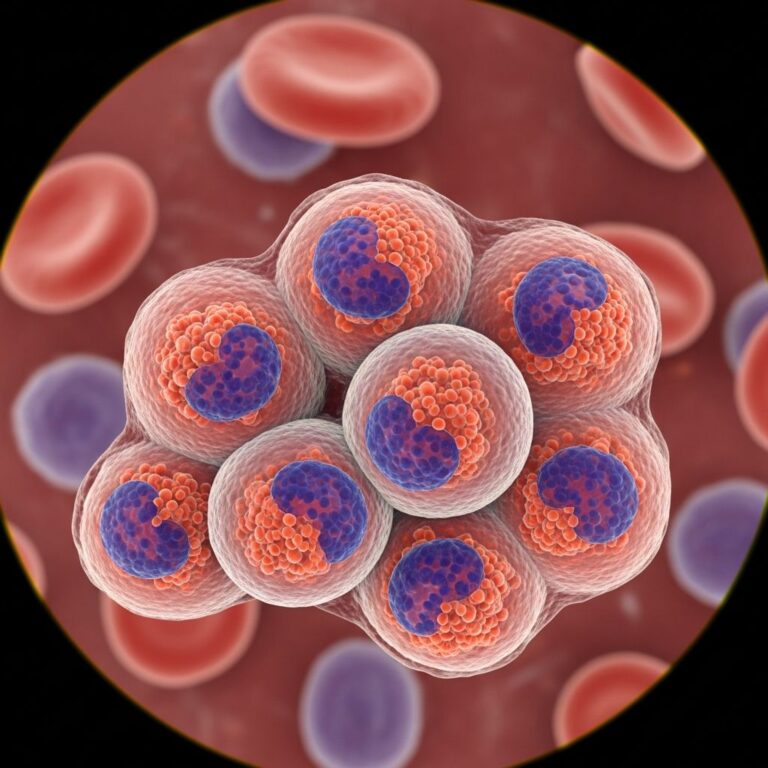
- Circulating Tumor Cells (CTCs): Intact cancer cells present in the bloodstream that can be isolated and analyzed for genetic and molecular characteristics
- Tumor-derived Exosomes: Small vesicles (50-100 nm in diameter) produced by cancer cells that carry tumor-associated proteins and genetic material
- Autoantibodies: Antibodies produced by the immune system in response to tumor antigens, generated through white blood cell infiltration of tumor tissue
- microRNA (miRNA): Small regulatory RNA molecules with altered expression patterns in melanoma patients
Current Research Progress in Blood-Based Detection
Autoantibody-Based Detection
One of the most promising developments in blood-based melanoma detection involves autoantibody analysis. Researchers at Edith Cowan University in Perth, Australia, have identified 139 autoantibodies with potential for aiding in primary melanoma diagnosis. Using a large cohort of 104 patients with early-stage melanoma and 105 healthy volunteers, the research team has developed a blood-based melanoma detection test utilizing a combination of 10 autoantibodies that may detect the cancer with 81.5% overall accuracy. This represents a significant breakthrough in non-invasive diagnostic methodology.
Circulating Tumor Cell (CTC) Detection
Research conducted at the University of Michigan demonstrates that circulating tumor cells can be detected from stage I to stage IV melanoma through advanced microfluidic technology. The MelanoBean platform, a melanoma-specific version of the OncoBean microfluidic system, has shown the ability to detect CTCs in melanoma patients and monitor changes following surgical treatment. In the study of 45 melanoma patients, CTC clusters were observed in more than 15% of participants, similar to findings in other cancer types. Notably, the number of detected CTCs decreased significantly following surgical treatment, suggesting the potential utility of this test in monitoring treatment efficacy.
Circulating Tumor DNA (ctDNA) Analysis
Plasma-derived circulating tumor DNA (ctDNA) consists of short DNA fragments released into circulation by dying tumor cells. This approach focuses on detecting the most common mutations in melanoma cell genetic codes. A NYU Langone study demonstrates that monitoring blood levels of these DNA fragments can accurately predict melanoma recurrence and track treatment progress. The mutated DNA from melanoma cells spills into surrounding blood as cells break down, providing a measurable marker of disease activity. However, clinical trials are required to define the benefits of ctDNA-guided clinical decisions before this method can be routinely used in melanoma management.
Related Stories



Exosome-Based Detection
Exosomes represent another promising avenue for melanoma detection. These small vesicles are produced by all cells in the body and can carry tumor-associated biomarkers. Tumor-derived exosomes (TEXs) are currently being researched as potential biomarkers in multiple cancers, though current work specifically in melanoma exosomes remains limited. The advantage of exosome-based detection lies in their ability to carry both proteins and genetic material, providing comprehensive information about tumor characteristics.
Novel Detection Technologies
Cytophone Technology
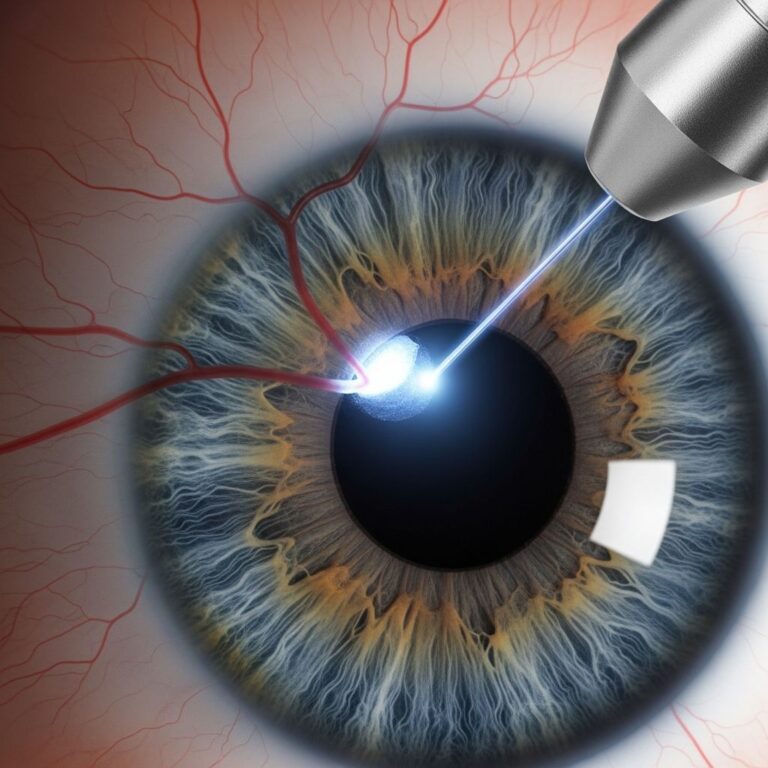
One innovative non-invasive approach to blood-based melanoma detection is the Cytophone device, which uses laser beams and sound waves to scan circulating blood for melanoma cells. Unlike traditional blood draws, this technology requires no needles and can scan a person’s entire blood volume—approximately 5 liters—in a matter of hours. The NCI-funded study demonstrated the feasibility of this approach for detecting cancer cells in the blood of melanoma patients, representing a significant technological advancement in liquid biopsy methodology.
Microfluidic Platforms
Microfluidic technology has emerged as a powerful tool for isolating and analyzing circulating tumor cells with high specificity and sensitivity. These devices use specialized channels and capture mechanisms to isolate rare CTCs from large volumes of blood, enabling comprehensive molecular analysis of tumor cells. The recovered CTCs can undergo gene expression profiling through quantitative reverse transcription PCR (qRT-PCR) to identify melanoma-specific genetic signatures.
Current Clinical Status and Future Implementation
Blood-based melanoma detection remains experimental and is not yet in routine clinical use. However, research into this field is advancing worldwide, with several blood-based melanoma detection and surveillance tests expected to become available in clinical settings within the coming years. When these tests do become available, they will initially serve as complementary tools to current diagnostic practices rather than replacements.
The transition to routine clinical use requires comprehensive validation. Blood-based melanoma detection tests will not influence treatment decisions until the clinical benefits are proven and validated in large patient populations. Complex, time-consuming, and expensive research is necessary before these tests can be integrated into standard clinical practice. Clinical trials are essential to establish the validity and reliability of new blood-based tests across diverse patient populations.
Advantages of Blood-Based Melanoma Detection
- Non-invasive collection: Blood sampling is a routine procedure performed in most hospitals and pathology laboratories
- Accessibility: Obtaining a blood sample is easier, more accessible, and may be more cost-effective than imaging studies, with particular benefits for rural and regional areas
- Longitudinal monitoring: Liquid biopsies allow for longitudinal tracking of a patient’s tumor burden and detection of recurrence
- Tumor characterization: Blood-based biomarkers enable profiling of tumor heterogeneity and clonal divergence
- Early detection potential: Blood tests can detect early to late-stage melanoma, with potential for catching early signs of cancer recurrence
- Reduced biopsy burden: Non-invasive blood-based screening may reduce the need for multiple tissue biopsies
- Molecular profiling: CTCs recovered from blood can undergo gene expression analysis to identify tumor-specific molecular signatures
Limitations and Challenges
Despite the promising potential of blood-based melanoma detection, several significant challenges must be addressed:
- Detection sensitivity: miRNA detection relies on sequence-matching techniques and selective amplification; low concentrations of miRNA in blood make detection challenging
- Standardization issues: Differences in sample collection, preparation, RNA extraction, normalization methods, and storage limit comparisons between studies
- Individual variability: Different expression profiles exist between serum and plasma samples and across individuals
- Research requirements: Complex, time-consuming, and expensive research is needed before routine clinical implementation
- Limited clinical data: Current work in specific biomarker detection remains limited in some areas
- Validation needs: Large-scale clinical trials are required to establish the validity and reliability of these tests
Side Effects and Risks
Blood-based melanoma detection is a minimally invasive procedure with minimal associated risks. The collection process involves routine venipuncture, which carries only minor risks such as bruising or minor discomfort at the puncture site. Because blood collection and processing are standard procedures performed in most clinical settings, the procedural risks are well-established and minimal. Unlike tissue biopsies, blood-based detection eliminates risks associated with surgical excision or punch biopsy procedures.
Broader Implications for Cancer Detection
The research advances in blood-based melanoma detection have broader applications across oncology. Any insights gathered from melanoma detection research could inform the development of similar tests for other cancers. The principles and technologies being developed for melanoma—such as CTC isolation, ctDNA analysis, and exosome detection—are being adapted for breast cancer, lung cancer, colorectal cancer, and other malignancies, potentially revolutionizing cancer detection and monitoring across multiple disease types.
Comparison of Diagnostic Approaches
| Diagnostic Method | Invasiveness | Sensitivity | Clinical Status |
|---|---|---|---|
| Skin Biopsy | Moderately invasive | High | Standard of care |
| Dermoscopy | Non-invasive | Variable | Standard of care |
| Total Body Photography | Non-invasive | Moderate | Standard of care |
| Blood-Based Detection (Autoantibodies) | Minimal | 81.5% (preliminary) | Experimental |
| Circulating Tumor Cells | Minimal | High (stage-dependent) | Experimental |
| Cytophone Technology | Non-invasive | Promising | Experimental |
Frequently Asked Questions
Q: Is blood-based melanoma detection currently available for clinical use?
A: No, blood-based melanoma detection remains experimental and is not yet in routine clinical use. However, several tests are expected to become available in clinical settings within the coming years.
Q: How accurate are current blood-based melanoma detection tests?
A: Accuracy varies by technology. Autoantibody-based tests have shown 81.5% overall accuracy in preliminary research, while circulating tumor cell detection can identify melanoma from stage I to IV. Validation in larger patient populations is ongoing.
Q: Will blood-based tests replace traditional skin biopsies?
A: No, blood-based tests are expected to serve as complementary tools to current diagnostic practices rather than replacements. They will work alongside skin checks, imaging, and biopsies.
Q: What are the advantages of blood-based detection over tissue biopsies?
A: Blood-based detection is minimally invasive, more accessible, easier to collect, potentially more cost-effective, and allows for longitudinal monitoring of disease. It eliminates risks associated with surgical biopsy procedures.
Q: Can blood-based tests detect early-stage melanoma?
A: Yes, research demonstrates that blood-based tests can detect melanoma from early stages (stage I) through late stages (stage IV). This early detection capability is significant for improving treatment outcomes.
Q: How does the Cytophone technology work?
A: The Cytophone uses laser beams and sound waves to scan circulating blood for melanoma cells without requiring needles or blood draws, and can scan approximately 5 liters of blood in a matter of hours.
Q: What types of biomarkers are used in blood-based melanoma detection?
A: Multiple biomarkers are used, including circulating tumor cells (CTCs), circulating tumor DNA (ctDNA), autoantibodies, exosomes, and microRNA (miRNA).
Q: How will blood-based tests impact melanoma treatment decisions?
A: Blood-based detection will not influence treatment until clinical benefits are proven and validated. Once validated, they may help monitor treatment response and detect early recurrence.
References
- Blood-based melanoma detection — DermNet. 2024. https://dermnetnz.org/topics/blood-based-melanoma-detection
- Blood Test Can Detect Circulating Melanoma Cells in the Blood — Inside Precision Medicine. 2024. https://www.insideprecisionmedicine.com/news-and-features/blood-test-can-detect-circulating-melanoma-cells-in-the-blood/
- Cytophone Device Detects, Kills Melanoma Cells in the Blood — National Cancer Institute. 2019. https://www.cancer.gov/news-events/cancer-currents-blog/2019/cytophone-detects-melanoma-cells-in-blood
- Current Trends in Circulating Biomarkers for Melanoma Detection — National Center for Biotechnology Information. 2022. https://pmc.ncbi.nlm.nih.gov/articles/PMC9038522/
- Gene-Based Blood Test for Melanoma May Catch Early Signs of Cancers Return — NYU Langone. 2023. https://nyulangone.org/news/gene-based-blood-test-melanoma-may-catch-early-signs-cancers-return
- Tests For Melanoma Skin Cancer — American Cancer Society. 2024. https://www.cancer.org/cancer/types/melanoma-skin-cancer/detection-diagnosis-staging/how-diagnosed.html
Similar Articles








Read full bio of medha deb