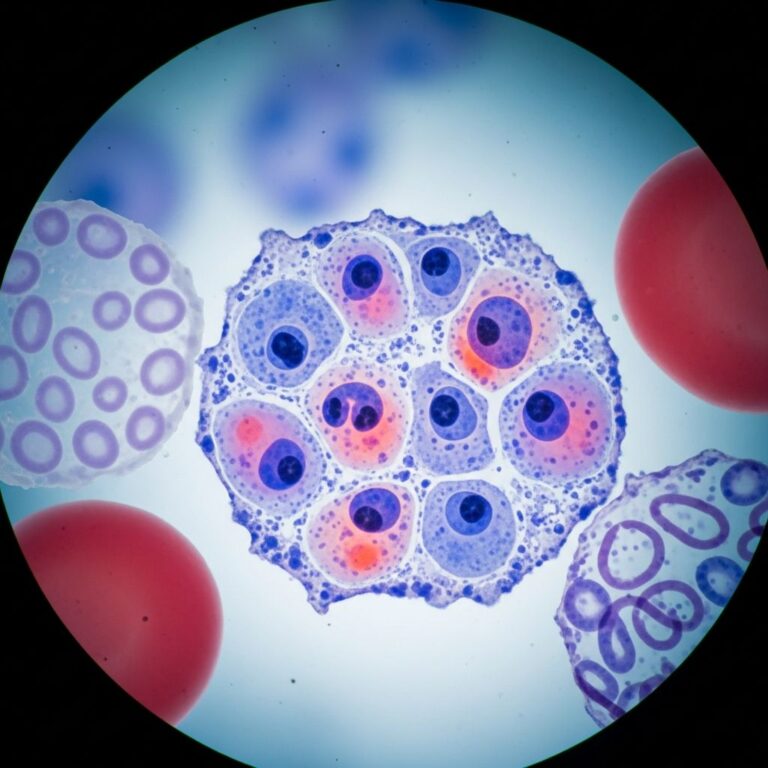
Blood Cancer Comprehensive Guide: Symptoms, Causes, Treatments
Understand blood cancers: types, symptoms, diagnosis, treatments, and living with the disease.
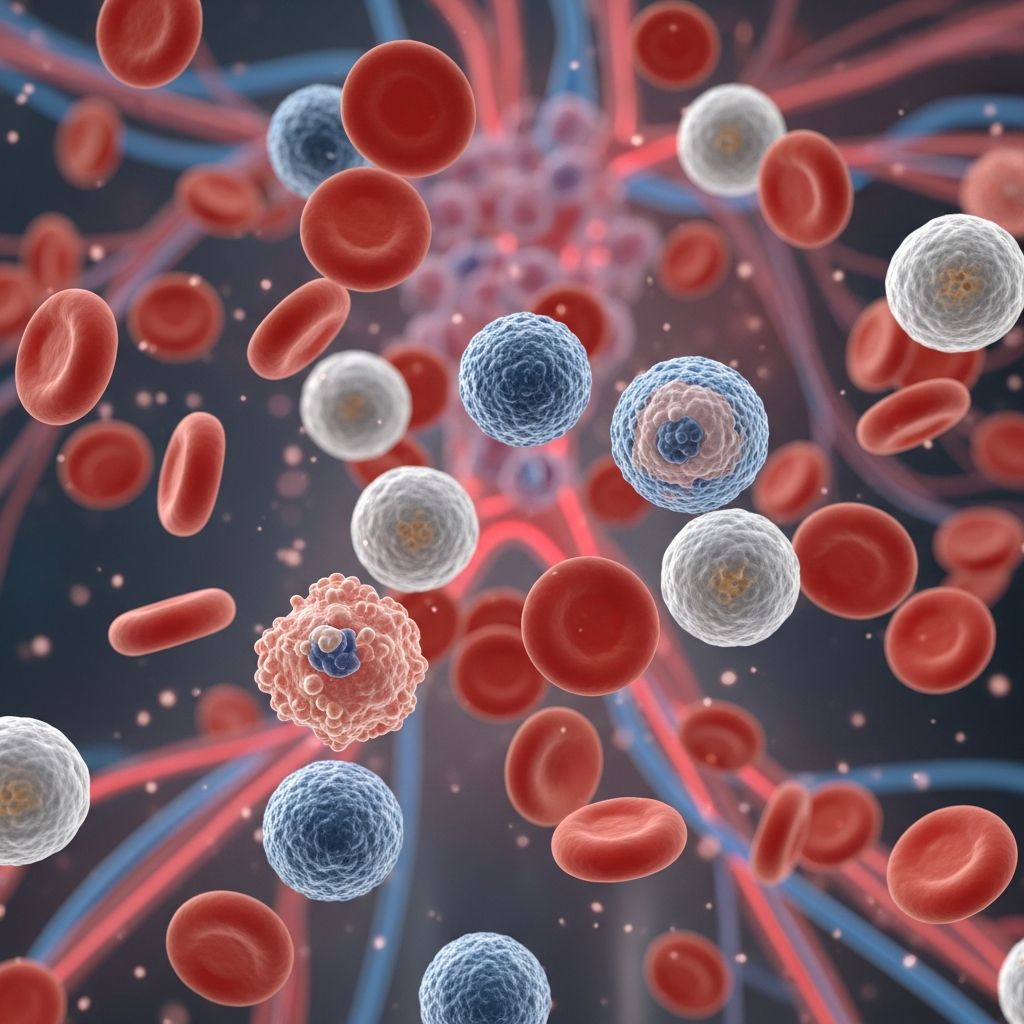
Blood cancers, also known as hematologic cancers, affect the production and function of blood cells. Originating in the bone marrow or lymphatic system, these malignancies disrupt normal blood cell development, leading to impaired immunity, anemia, and bleeding risks. Unlike solid tumors, blood cancers circulate through the bloodstream, making them unique in diagnosis and treatment.
According to the American Cancer Society, blood cancers represent about 10% of all new cancer cases annually in the U.S., with over 186,000 estimated diagnoses in 2024. Early detection significantly improves outcomes, as treatments have advanced rapidly with targeted therapies and immunotherapies.
What Is Blood Cancer?
Blood cancer occurs when abnormal cells in the bone marrow or lymphatic system multiply uncontrollably. Healthy blood production involves stem cells differentiating into red blood cells (oxygen transport), white blood cells (infection fighting), and platelets (clotting). Cancerous mutations interrupt this process, causing defective cells to crowd out healthy ones.
There are three primary categories:
- Leukemia: Cancer of blood-forming tissues, mainly white blood cells.
- Lymphoma: Cancer of the lymphatic system, including lymph nodes and spleen.
- Myeloma: Cancer of plasma cells, which produce antibodies.
These cancers vary in aggressiveness, from slow-growing chronic types to rapidly progressing acute forms. The National Cancer Institute classifies them further by cell type and maturity.
Types of Blood Cancer
Leukemia
Leukemia, the most common blood cancer, starts in immature white blood cells. There are four main types:
- Acute Lymphoblastic Leukemia (ALL): Affects lymphoid cells; common in children but occurs in adults.
- Acute Myeloid Leukemia (AML): Targets myeloid cells; more common in adults over 65.
- Chronic Lymphocytic Leukemia (CLL): Slow-growing lymphoid cancer; primarily affects older adults.
- Chronic Myeloid Leukemia (CML): Associated with Philadelphia chromosome; treatable with tyrosine kinase inhibitors.
ALL has a 90% cure rate in children under 10, per SEER data.
Lymphoma
Lymphoma arises in lymphocytes. Key subtypes include:
- Hodgkin Lymphoma (HL): Characterized by Reed-Sternberg cells; highly curable, especially in young adults.
- Non-Hodgkin Lymphoma (NHL): Over 60 subtypes; includes diffuse large B-cell lymphoma (most common) and follicular lymphoma.
NHL incidence has risen 1-2% annually, linked to immune suppression.
Multiple Myeloma
Multiple myeloma affects plasma cells, leading to bone lesions, kidney damage, and anemia. It’s considered incurable but manageable, with median survival exceeding 7 years post-diagnosis due to drugs like daratumumab.
Symptoms of Blood Cancer
Symptoms vary by type but often result from low healthy blood cell counts:
- Fatigue and weakness: From anemia (low red cells).
- Frequent infections: Due to insufficient functional white cells.
- Easy bruising/bleeding: Low platelets cause petechiae or prolonged bleeding.
- Swollen lymph nodes, fever, night sweats: Common in lymphoma.
- Bone/joint pain, fractures: Myeloma-related.
- Unexplained weight loss: B-symptom across types.
Early symptoms mimic flu or aging, delaying diagnosis. Persistent issues warrant blood tests.
Related Stories



Risk Factors and Causes
Exact causes remain unclear, but risk factors include:
| Risk Factor | Description | Relative Risk |
|---|---|---|
| Age | Most common over 65 | High |
| Family history/genetics | 5-10% hereditary | Moderate |
| Radiation/chemotherapy | Prior cancer treatment | High |
| Chemical exposure | Benzene, pesticides | Moderate |
| Immune disorders | HIV, autoimmune diseases | High |
| Obesity/smoking | Lymphoma/myeloma links | Low-Moderate |
Genetic mutations like BCR-ABL in CML drive oncogenesis. No single cause exists; it’s multifactorial.
Diagnosis
Diagnosis combines:
- Complete Blood Count (CBC): Detects abnormal cell counts.
- Bone Marrow Biopsy: Gold standard; examines marrow cellularity.
- Flow Cytometry/Immunophenotyping: Identifies cell lineage/markers.
- Cytogenetics/FISH: Detects chromosomal abnormalities.
- Imaging: CT/PET for lymphoma staging; skeletal survey for myeloma.
- Lumbar Puncture: Checks CNS involvement in acute leukemias.
Staging uses Ann Arbor (lymphoma) or Durie-Salmon (myeloma) systems.
Treatment Options
Treatment depends on type, stage, age, and genetics:
Chemotherapy
Systemic drugs kill rapidly dividing cells; used in induction for acute leukemias.
Targeted Therapy
Drugs like imatinib (CML), rituximab (CD20+ lymphomas), venetoclax (CLL) target specific mutations.
Immunotherapy
CAR-T cell therapy (e.g., axicabtagene ciloleucel) achieves 40-80% remission in refractory lymphomas.
Stem Cell Transplant
Autologous/allogeneic; curative potential in high-risk cases.
Radiation
Localized for lymphoma or palliative care.
Supportive Care
Transfusions, antibiotics, growth factors.
5-year survival: ALL 70%, AML 30%, CLL 88%, HL 89%, NHL 74%, myeloma 59% (SEER 2024).
Prognosis and Survival Rates
Prognosis improves with molecular profiling. Pediatric ALL exceeds 90% cure; elderly AML remains poor (<20%). Novel therapies boost long-term remission.
Living with Blood Cancer
Management includes monitoring, lifestyle changes (diet, exercise), mental health support. Clinical trials offer access to cutting-edge treatments via ClinicalTrials.gov.
Prevention
No guaranteed prevention, but avoiding benzene, maintaining healthy weight, and vaccinations (e.g., HBV) reduce risks.
Frequently Asked Questions (FAQs)
What is the most curable blood cancer?
Hodgkin lymphoma has >85% cure rate with standard chemo-radiation.
Can blood cancer be detected in routine blood work?
Yes, CBC often reveals abnormalities prompting further tests.
Is blood cancer hereditary?
Most cases sporadic; familial risk exists but low (2-5%).
How quickly does blood cancer progress?
Acute types weeks-months; chronic types years.
Can blood cancer spread to other organs?
Yes, via bloodstream; extramedullary involvement common.
References
- Blood Cancers — National Cancer Institute. 2025-01-10. https://www.cancer.gov/types/leukemia
- Cancer Stat Facts: Leukemia — National Cancer Institute SEER. 2024-12-01. https://seer.cancer.gov/statfacts/html/leuks.html
- Blood Cancers Facts and Figures 2023-2024 — Leukemia & Lymphoma Society. 2023-10-15. https://www.lls.org/sites/default/files/2023-10/FS16_BloodCancers_Facts_2023-2024_Digital.pdf
- Hematologic Malignancies — American Society of Hematology. 2024-05-20. https://www.hematology.org/education/clinicians/guidelines-and-quality-care/clinical-practice-guidelines
- Multiple Myeloma: 2025 Update — International Myeloma Foundation. 2025-01-05. https://www.myeloma.org/resource-library/international-myeloma-working-group-consensus
Similar Articles








Read full bio of Sneha Tete