Blood Cancer Symptoms: 5 Common Signs To Watch
Recognizing early signs of leukemia, lymphoma, myeloma, and more to improve outcomes through timely diagnosis.
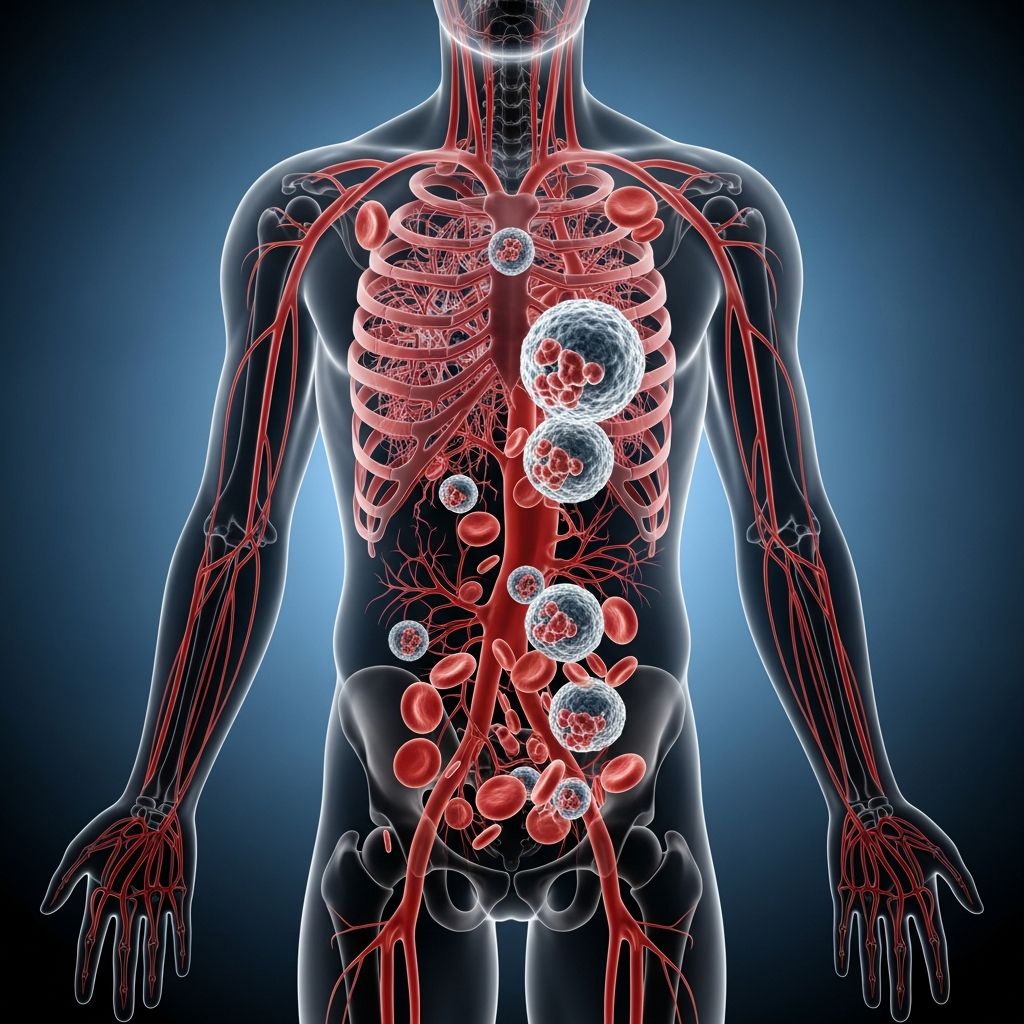
Blood cancers, also known as hematologic cancers, originate in the blood, bone marrow, or lymph system and disrupt normal blood cell production and function. These cancers include leukemia, lymphoma, and myeloma, each with distinct yet overlapping symptoms that can mimic less serious conditions. Early recognition is crucial, as blood cancers are often curable when detected promptly, though symptoms like fatigue and bruising are common and frequently overlooked.
What Is Blood Cancer?
Blood cancer arises from genetic mutations in blood cells, primarily affecting bone marrow where blood cells are produced. Unlike solid tumors, these cancers do not form visible masses but instead lead to abnormal cell proliferation, impairing healthy blood cell function. There are three primary types: leukemia, lymphoma, and myeloma, each targeting different cell lines and presenting unique symptom profiles. In the UK, blood cancer ranks as the fifth most common cancer and third leading cause of cancer death, highlighting the need for heightened awareness. Undifferentiated symptoms such as fatigue, weight loss, and pain contribute to diagnostic delays, as patients often attribute them to minor ailments.
Symptoms of Blood Cancer
Symptoms vary by type but commonly include fatigue, unexplained weight loss, frequent infections, bruising, and night sweats. Over 50% of people experience at least one potential symptom in six months, with fatigue (26.7%) and night sweats (25.4%) most prevalent. Awareness remains low for specific signs like night sweats (31.3% recognition) and breathlessness (44%), exacerbating delays.
Leukemia Symptoms
Leukemia, the most common blood cancer in the US especially among children and teens, affects white blood cells and prevents normal blood cell production. Key symptoms include easy bleeding and bruising, frequent nosebleeds, small red spots (petechiae) on the skin, and unexplained weight loss. Patients may also experience persistent fatigue, fever, and recurrent infections due to low healthy white blood cell counts. Unlike other cancers, leukemia rarely forms tumors, making blood tests essential for detection.
- Frequent bruising or bleeding
- Nosebleeds
- Petechiae (tiny red skin spots)
- Unexplained weight loss
- Fatigue and weakness
Lymphoma Symptoms
Lymphoma originates in lymphocytes within lymph nodes, with Hodgkin and non-Hodgkin types differing by affected cell type. Common signs are swollen lymph nodes (often painless), itchy skin, night sweats, shortness of breath, and enlarged liver or spleen. These symptoms can appear gradually, leading to misattribution as infections or allergies. Breathlessness and rash/itchy skin are recognized by only 44% of the public.
- Swollen lymph nodes
- Itchy skin
- Night sweats
- Shortness of breath
- Enlarged spleen or liver
Myeloma Symptoms
Multiple myeloma targets plasma cells in bone marrow, causing bone pain (especially in the spine or chest), brain fog, confusion, constipation, loss of appetite, and frequent infections. Bone pain is often the first noticeable symptom, resulting from weakened bones prone to fractures. These vague symptoms contribute to multiple doctor visits before diagnosis.
- Bone pain in back or ribs
- Frequent infections
- Loss of appetite
- Constipation
- Confusion or cognitive issues
Other Common Blood Cancer Symptoms
Beyond type-specific signs, shared symptoms include unexplained weight loss (68.9% awareness), bleeding (64.9%), fatigue, infections, and fever. Less recognized are rash/itchy skin and breathlessness. Emotional and practical barriers, like fear or access issues, delay help-seeking in half of those with symptoms. A table summarizing recognition rates:
| Symptom | Awareness (%) | Prevalence (%) |
|---|---|---|
| Unexplained weight loss | 68.9 | Reported in surveys |
| Unexplained bleeding | 64.9 | Common in leukemia |
| Night sweats | 31.3 | 25.4 |
| Fatigue | Variable | 26.7 |
| Breathlessness | 44 | Reported |
This table highlights low awareness for key symptoms, mirroring findings in other cancers.
Getting a Diagnosis
Related Stories



Diagnosis begins with a physical exam noting swollen nodes or spleen. If symptoms suggest blood cancer, providers order blood work, imaging, or biopsies. Early diagnosis improves outcomes, as treatments are tailored per type. Half of symptomatic individuals delay GP contact, often not attributing to cancer.
Blood Work
A complete blood count (CBC) measures red cells, white cells, and platelets; abnormal levels indicate issues. Blood chemistry assesses calcium, proteins, and other markers.
Imaging
Scans detect enlarged nodes or organs:
- CT scan
- MRI
- PET scan
- X-ray
- Ultrasound
These are vital for lymphoma.
Biopsies
Bone marrow or lymph node biopsies confirm abnormalities via genetic analysis. Bone marrow samples from hip or breastbone check cell changes.
Risk Factors and Who’s at Risk?
Risk factors include age (myeloma in older adults), family history, radiation exposure, and certain chemicals. Children face higher leukemia risk. No single cause, but mutations drive onset.
When to See a Doctor
Consult if symptoms persist: persistent fatigue, unexplained bruising, night sweats, bone pain, or swollen nodes. Do not dismiss as minor; early intervention is key.
Treatment Overview
Treatments vary: chemotherapy, targeted therapy, stem cell transplant, radiation. Personalized plans depend on type, stage, and health.
Frequently Asked Questions (FAQs)
What are the first signs of blood cancer?
Common early signs include fatigue, unexplained bruising, weight loss, night sweats, and frequent infections.
Can blood cancer be cured?
Many cases, especially early-detected leukemia in children, are curable with treatment.
How is blood cancer different from other cancers?
It affects blood cells without forming solid tumors, impacting immunity, oxygen transport, and clotting.
Are blood cancer symptoms always serious?
No, but persistent symptoms warrant checking; low awareness leads to delays.
What tests confirm blood cancer?
CBC, imaging, and biopsies are standard.
References
- Blood Cancer: Know the Signs — UChicago Medicine AdventHealth. 2023. https://www.uchicagomedicineadventhealth.org/blog/blood-cancer-know-signs
- Assessing awareness of blood cancer symptoms and barriers — NIH/PMC. 2023-07-05. https://pmc.ncbi.nlm.nih.gov/articles/PMC10324260/
Similar Articles








Read full bio of medha deb