Blood Cancer: Types, Symptoms & Treatment
Understand blood cancer types, recognize symptoms, and explore treatment options available.
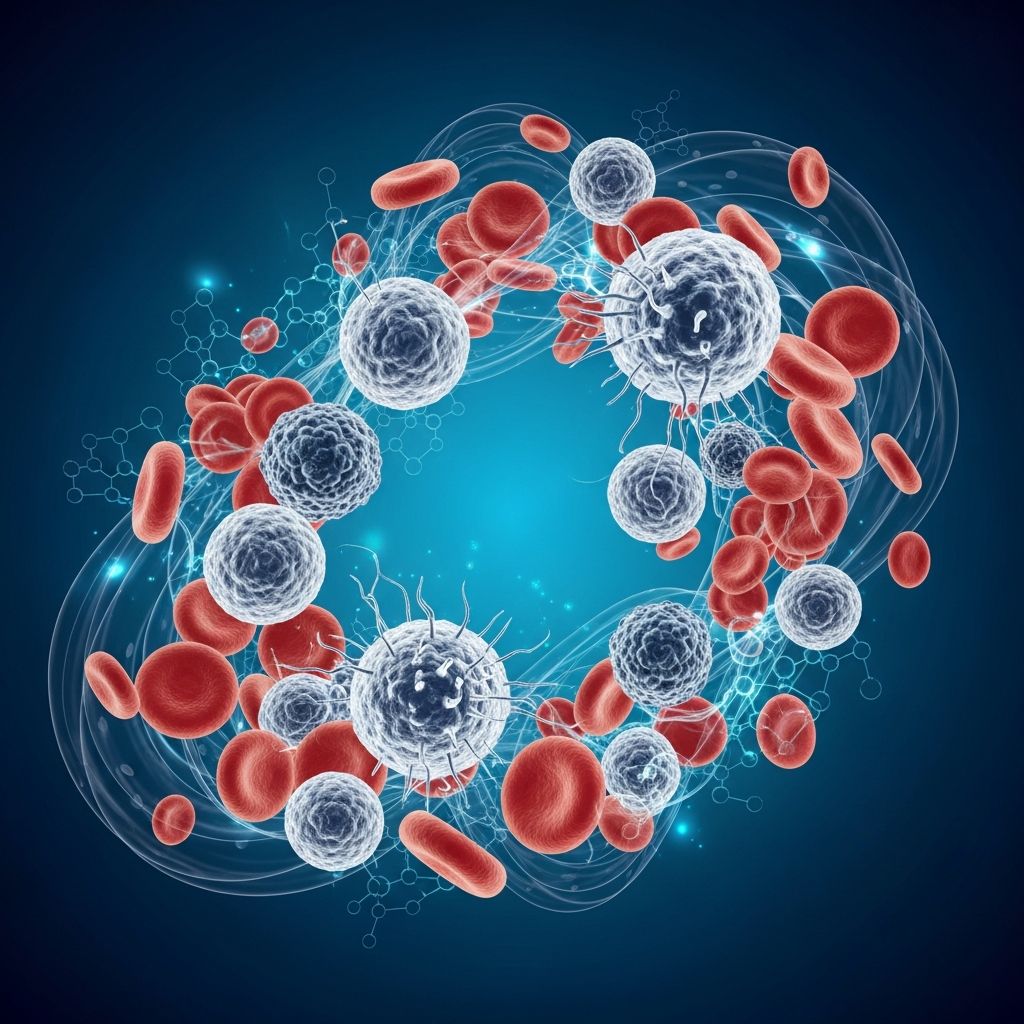
Blood cancer, also known as hematological malignancy, is a disease in which malignant cells develop in the blood, bone marrow, or lymphatic system. Unlike solid tumors that form in organs, blood cancers originate in blood-forming tissues and typically spread throughout the body through the bloodstream. These cancers occur when healthy blood cells mutate and grow uncontrollably, crowding out normal blood cells and preventing them from functioning properly. Understanding blood cancer is essential for early detection and effective treatment.
What Is Blood Cancer?
Blood cancer occurs when your blood cells, usually white blood cells, become cancerous and grow abnormally. The condition develops in the bone marrow, which is the spongy tissue inside your bones responsible for producing blood cells. When cancerous cells multiply rapidly, they interfere with the production and function of healthy blood cells, leading to various complications including infections, anemia, and bleeding disorders. Blood cancers represent approximately 10% of all new cancer diagnoses and affect millions of people worldwide each year.
The three main categories of blood cancer are leukemia, lymphoma, and multiple myeloma. Each type affects different blood cells and develops at different rates, requiring distinct diagnostic and treatment approaches.
Types of Blood Cancer
Leukemia
Leukemia is a cancer that starts in blood-forming tissues, particularly in the bone marrow, where white blood cells are produced. This disease causes rapid growth of abnormal blood cells, which take place in the bone marrow and interfere with normal blood cell production. Leukemia is classified into four main types based on how quickly it develops and which type of white blood cell is affected.
Acute Lymphocytic Leukemia (ALL): ALL is a fast-growing blood cancer that starts in the bone marrow and spreads quickly. It mainly affects children ages 2 to 5, though adults can develop it. In ALL, abnormal lymphocytes multiply rapidly, overwhelming healthy white blood cells.
Acute Myeloid Leukemia (AML): AML is a rare and aggressive cancer that affects the bone marrow and blood. Left untreated, it may be life-threatening. AML progresses quickly and requires immediate medical intervention.
Chronic Lymphocytic Leukemia (CLL): CLL is the most common form of leukemia in adults and develops slowly over time. It occurs when healthy white blood cells become cancerous and multiply gradually, often taking years before symptoms appear.
Chronic Myeloid Leukemia (CML): CML is a chronic blood cancer that develops slowly. It results from a genetic abnormality that causes bone marrow to produce too many white blood cells, crowding out healthy cells.
Lymphoma
Lymphoma is a cancer of the lymphatic system, which includes the lymph nodes, spleen, and thymus gland. The lymphatic system is crucial for fighting infections and maintaining immune function. When lymphoma develops, cancer cells form in lymphoid tissue and can spread throughout the body.
Hodgkin Lymphoma: This type of lymphoma begins in Reed-Sternberg cells and typically spreads in an orderly fashion from one lymph node group to adjacent ones. It accounts for approximately 10% of all lymphomas and generally has a better prognosis than non-Hodgkin lymphoma.
Related Stories



Non-Hodgkin Lymphoma: Non-Hodgkin lymphoma is more common than Hodgkin lymphoma and can originate in various types of lymphoid cells. It tends to spread randomly throughout the body rather than in an orderly pattern, making it more challenging to treat.
Multiple Myeloma
Multiple myeloma is a cancer of plasma cells, which are a type of white blood cell responsible for producing antibodies that fight infections. In multiple myeloma, cancerous plasma cells accumulate in the bone marrow, producing abnormal proteins and weakening bones. This condition causes pain, kidney problems, and increased infection risk.
Other Blood Cancers
Additional blood cancer types treated by specialists include myelodysplastic syndromes (MDS), myeloproliferative neoplasms (MPNs), mycosis fungoides, Waldenström macroglobulinemia, and myelofibrosis. Each requires specific diagnostic and treatment approaches tailored to the individual cancer type and patient characteristics.
Causes and Risk Factors
Blood cancer develops when genetic mutations cause blood cells to grow uncontrollably. While the exact cause of most blood cancers remains unclear, several risk factors may increase your likelihood of developing the disease.
Environmental exposures to benzene, formaldehyde, and radiation can increase blood cancer risk. Certain viral infections, including human T-lymphotropic virus (HTLV-1) and Epstein-Barr virus (EBV), are associated with specific blood cancer types. Prior chemotherapy or radiation therapy for other cancers significantly increases the risk of secondary blood cancers developing later in life.
Genetic predisposition plays a role in some blood cancers. Family history of blood cancer, certain genetic syndromes like Down syndrome, and immunodeficiency disorders increase cancer risk. Age is also a factor—while some blood cancers like ALL predominantly affect children, others like CLL primarily occur in older adults.
Symptoms of Blood Cancer
Blood cancer symptoms vary depending on the type and stage of disease. Early detection improves treatment outcomes, making symptom recognition important.
Common symptoms include:
– Fatigue and weakness caused by anemia- Frequent infections due to abnormal white blood cells- Easy bruising or bleeding from low platelet counts- Swollen lymph nodes in the neck, armpit, or groin- Abdominal swelling or discomfort- Bone or joint pain- Unexplained weight loss- Night sweats- Fever without apparent infection- Shortness of breath
Some patients experience no symptoms early in the disease, with blood cancer discovered incidentally during routine blood work. Any persistent or unexplained symptoms warrant medical evaluation.
Diagnosis and Testing
Accurate diagnosis is essential for appropriate treatment planning. Blood cancer diagnosis typically involves multiple tests and procedures.
Blood Tests
Hematologists conduct thorough examinations and inventory symptoms you’re experiencing. Diagnostic testing determines the health of your blood cells, including a complete blood count (CBC) and laboratory tests to check levels of red blood cells, platelets, and white blood cells. These tests reveal abnormalities in cell counts and characteristics.
Bone Marrow Biopsy
When white blood cell counts aren’t normal, providers may order a bone marrow biopsy. Bone marrow is spongy tissue in your bones that produces blood cells. During this procedure, a small sample of bone marrow is extracted and examined under a microscope to identify cancer cells and determine the specific blood cancer type.
Imaging Studies
Imaging tests such as CT scans, PET scans, or ultrasounds help determine disease extent and whether cancer has spread to other organs. These studies are crucial for staging and treatment planning.
Flow Cytometry and Genetic Testing
Flow cytometry identifies abnormal cell populations and their characteristics. Genetic testing detects specific mutations like the Philadelphia chromosome in CML, which helps guide targeted therapy selection and predict treatment response.
Treatment Options
Blood cancer treatment depends on the specific type, stage, patient age, overall health, and personal preferences. Treatment plans are individualized and may combine multiple approaches.
Systemic Therapy
Hematologists and medical oncologists prescribe drugs that travel through your bloodstream to destroy cancer cells in the blood and bone marrow. Depending on the cancer type, you may have chemotherapy, targeted therapy, or immunotherapy. These medications attack cancer cells throughout the body, making them effective for widely distributed blood cancers.
Targeted Therapy
Targeted therapy works by focusing on gene changes that turn healthy cells into cancer. For chronic lymphocytic leukemia, targeted treatments keep cancerous white blood cells from growing, and some targeted treatments destroy cells without hurting healthy cells or platelets. Tyrosine kinase inhibitor (TKI) therapy is used for people with specific mutations like the Philadelphia chromosome (t(9;22) or BCR/ABL).
Radiation Therapy
Radiation oncology experts may treat you with radiation therapy to kill cancer cells in the blood or prevent them from growing and spreading. It also helps shrink tumors in the bones. Treatment may occur before a transplant or be used to relieve cancer symptoms.
Bone Marrow and Stem Cell Transplants
Some blood disorders and cancers benefit from lifesaving treatment with bone marrow transplant or stem cell transplant. These procedures involve replacing diseased bone marrow with healthy stem cells, either from a donor (allogeneic) or the patient’s own cells (autologous). Transplants can provide long-term remission or cure for certain blood cancers.
CAR T-Cell Therapy
CAR T-cell therapy represents innovative immunotherapy where T-cells are genetically modified to recognize and destroy cancer cells. This advanced treatment has shown remarkable success in certain leukemias and lymphomas, particularly in patients who haven’t responded to conventional treatments.
Prognosis and Outlook
The prognosis for many patients with leukemia, myeloid disorders (including myelodysplastic syndromes and myeloproliferative neoplasms), or bone marrow failure conditions is very good today. Treatment advances, particularly targeted therapies and stem cell transplantation, have dramatically improved survival rates over the past two decades.
Prognosis depends on multiple factors including cancer type and stage at diagnosis, patient age and overall health, genetic mutations present in cancer cells, and response to treatment. Many patients achieve long-term remission or cure with modern treatment approaches. Specialized cancer centers with experienced teams achieve superior outcomes compared to general hospitals.
Comprehensive Care and Support
A blood cancer diagnosis can be difficult for patients and caregivers. Comprehensive care extends beyond medical treatment to address emotional, financial, and practical needs. Cancer palliative and supportive care services provide information and resources to help manage cancer’s burden.
Patient navigators help manage care coordination, ensuring seamless communication between providers and appropriate follow-up. Social workers assist with emotional and financial needs, helping patients access resources and benefits. Supportive services including art and music therapies, massage, and nutrition support help patients cope with treatment side effects and improve quality of life.
Living with Blood Cancer
Treatment considers not only length of life but also quality of life and patient goals. During and after treatment, regular follow-up appointments monitor for recurrence and manage long-term side effects. Survivorship programs focus on follow-up and managing certain genetic conditions before they present as myeloid disorder complications.
Many blood cancer survivors return to normal activities and enjoy long, productive lives. Support groups connect patients with others sharing similar experiences, providing emotional support and practical advice. Mental health counseling helps address anxiety, depression, and adjustment challenges related to cancer diagnosis and treatment.
Frequently Asked Questions
Q: What is the difference between leukemia and lymphoma?
A: Leukemia originates in bone marrow and affects circulating blood cells, while lymphoma develops in lymphoid tissues like lymph nodes and spreads from there. Both are blood cancers but have different origins and spread patterns.
Q: Is blood cancer curable?
A: Some blood cancers can be cured, particularly with early detection and appropriate treatment. Many others achieve long-term remission. Treatment advances have significantly improved outcomes for all blood cancer types.
Q: What should I do if I have symptoms of blood cancer?
A: Contact your healthcare provider immediately if you experience persistent symptoms like unexplained fatigue, recurrent infections, unusual bleeding, or swollen lymph nodes. Early evaluation and diagnosis are important for optimal treatment outcomes.
Q: Can blood cancer be prevented?
A: While most blood cancers cannot be prevented, you can reduce risk by limiting environmental toxin exposure, maintaining a healthy lifestyle, and seeking early treatment for infections and other health conditions.
Q: How often do blood cancer patients need follow-up care?
A: Follow-up frequency depends on cancer type, treatment received, and individual circumstances. Most patients require regular appointments for at least several years after treatment completion to monitor for recurrence and manage side effects.
References
- Blood Cancer: Types, Symptoms & Treatment — Cleveland Clinic. 2024. https://my.clevelandclinic.org/health/diseases/22883-blood-cancer
- Leukemia: Symptoms, Signs, Causes, Types & Treatment — Cleveland Clinic. 2024. https://my.clevelandclinic.org/health/diseases/4365-leukemia
- Leukemia & Myeloid Disorders Program — Cleveland Clinic Cancer Center. 2024. https://my.clevelandclinic.org/departments/cancer/depts/leukemia
- Acute Lymphoblastic Leukemia (ALL): Symptoms, Types & Treatment — Cleveland Clinic. 2024. https://my.clevelandclinic.org/health/diseases/21564-acute-lymphocytic-leukemia
- Chronic Lymphocytic Leukemia (CLL): Causes, Symptoms & Treatment — Cleveland Clinic. 2024. https://my.clevelandclinic.org/health/diseases/6210-chronic-lymphocytic-leukemia
- Acute Myeloid Leukemia (AML): Symptoms, Treatment & Prognosis — Cleveland Clinic. 2024. https://my.clevelandclinic.org/health/diseases/6212-acute-myeloid-leukemia-aml
Similar Articles








Read full bio of Sneha Tete