Blood Clot Causes: 6 Key Risk Factors And Prevention Strategies
Discover the key risk factors, medical conditions, and lifestyle habits that can lead to dangerous blood clots and how to reduce your risk.
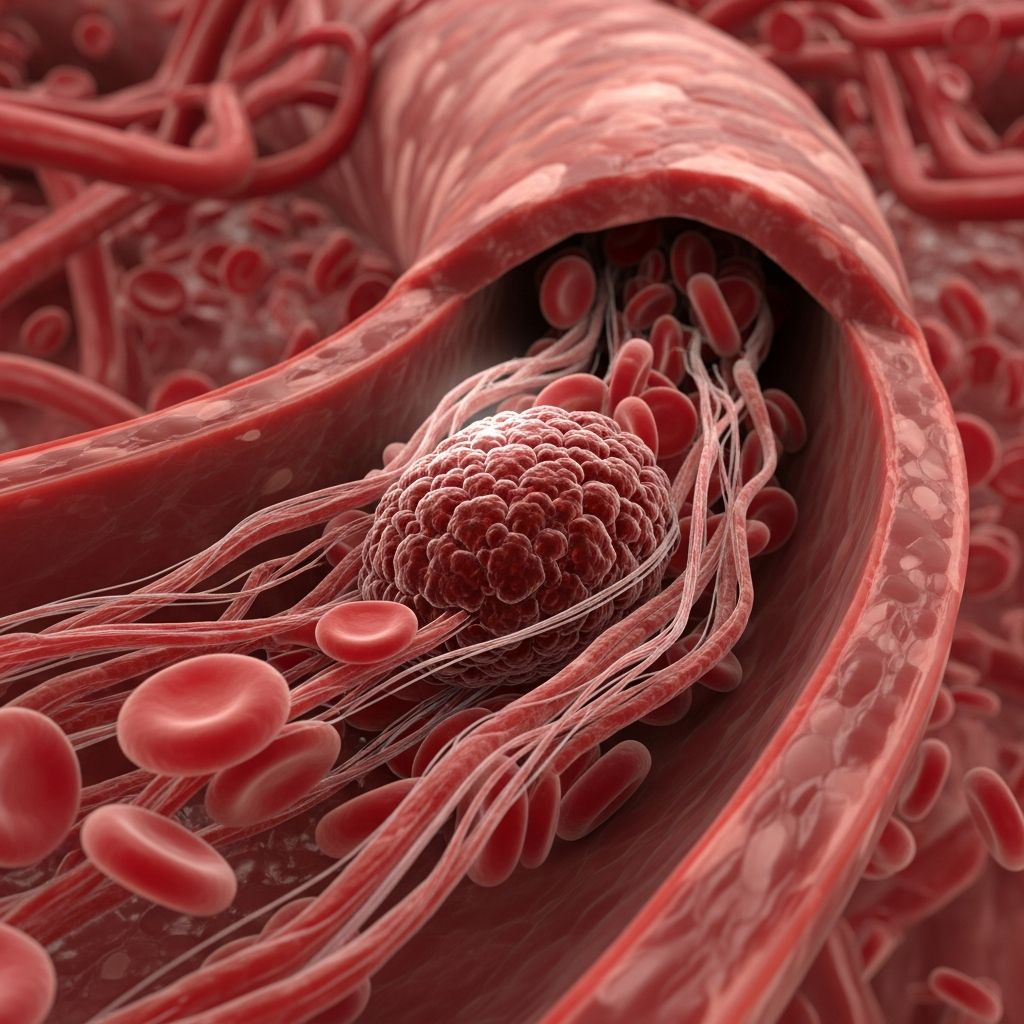
Blood clots, also known as thrombi, form when blood hardens into a solid mass, a normal process to stop bleeding from injuries. However, clots can develop abnormally in veins or arteries, leading to serious conditions like deep vein thrombosis (DVT) or pulmonary embolism (PE).
Deep vein thrombosis typically occurs in the legs, causing pain and swelling, while a clot breaking loose can travel to the lungs, blocking blood flow and potentially being life-threatening. Understanding the causes is crucial for prevention and early intervention.
What Are Blood Clots?
Blood clots are masses formed by platelets, proteins, and cells sticking together. This is essential after injury to prevent excessive bleeding. In veins, clots like DVT form when blood pools without reason, often in the legs. Arterial clots, rarer, stem from plaque rupture in narrowed vessels, risking heart attacks or strokes.
Venous clots develop slowly, restricting flow; if they embolize, they become mobile threats. Symptoms vary by location: leg DVT brings calf pain and redness, while pulmonary emboli cause sharp chest pain, shortness of breath, and coughing blood.
Symptoms of Blood Clots
Recognizing symptoms early can save lives. Common signs include:
- Leg DVT: Swelling, pain or tenderness (often like a cramp), redness, warmth in the affected area.
- Pulmonary Embolism: Sudden shortness of breath, chest pain worsening with deep breaths, rapid heartbeat, coughing up blood, dizziness.
- Arterial Clots: Sudden severe pain, coldness, paleness, or numbness in limbs; stroke-like symptoms if in brain vessels.
- Abdominal Clots: Severe belly pain, nausea, vomiting, diarrhea.
Seek immediate medical help if these appear, as delays can lead to tissue damage or death.
Risk Factors for Blood Clots
Several factors increase clotting likelihood by slowing blood flow, damaging vessels, or altering clotting proteins. These fall into lifestyle, medical, genetic, and situational categories.
Lifestyle Factors
Daily habits significantly impact risk:
- Immobility: Prolonged sitting during long flights, car trips, bed rest, or hospitalization slows blood flow, pooling it in veins.
- Smoking: Damages vessel walls, makes platelets stickier, promoting clots.
- Obesity (BMI ≥30): Increases inflammation, affects clotting protein breakdown, and pressures veins.
- Sedentary Lifestyle: Lack of movement exacerbates pooling, especially in legs.
Medical Conditions
Certain diseases heighten risk by causing inflammation, edema, or clotting changes:
- Cancer: Many types elevate risk via inflammation or tumor effects; highest with pancreatic, lung cancers.
- Heart Failure: Poor pumping causes leg fluid backup.
- Pregnancy and Postpartum: Hormonal changes and vein pressure from uterus increase risk up to 6 weeks post-delivery.
- COVID-19: Inflammation raises risk for nearly a year post-infection.
- Diabetes, High Blood Pressure, High Cholesterol: Promote atherosclerosis, vessel damage.
- Autoimmune Diseases (e.g., Lupus, Antiphospholipid Syndrome): Trigger excessive clotting.
- Venous Insufficiency, Liver Failure: Lead to leg swelling, slow flow.
Genetic and Inherited Factors
Some are born with clotting tendencies:
Related Stories



- Factor V Leiden: Mutation making blood hypercoagulable.
- Family History: Indicates inherited thrombophilias.
- Protein C/S Deficiency: Rare conditions impairing natural anticoagulants.
Medications and Hormonal Therapies
Hormone-related drugs alter clotting:
- Oral Contraceptives, Hormone Replacement Therapy: Estrogen boosts clotting factors.
- Cancer Treatments: Chemotherapy increases risk.
Surgery, Injury, and Hospitalization
Trauma disrupts flow:
- Major Surgeries (e.g., Hip/Knee Replacement): Especially lower body procedures.
- Injuries or Fractures: Immobilization and vessel damage.
- Central Lines/Catheters: Irritate veins.
Age and Other Factors
Risk rises after age 60 due to vessel changes. Chronic stress may contribute via vessel effects, though research continues. Vitamin D deficiency links to higher risk via inflammation.
Types of Blood Clots
| Type | Location | Key Risks/Complications |
|---|---|---|
| Deep Vein Thrombosis (DVT) | Deep leg/pelvic veins | Pain, swelling; can lead to PE |
| Pulmonary Embolism (PE) | Lungs | Breathing difficulty, chest pain, death |
| Arterial Thrombosis | Arteries (heart, brain) | Heart attack, stroke |
| Abdominal/Mesenteric | Intestinal veins | Severe pain, bowel damage |
Prevention Strategies
Reducing risk involves lifestyle changes and medical steps:
- Stay Active: Walk during long trips, exercise daily.
- Quit Smoking: Improves vessel health quickly.
- Maintain Healthy Weight: Reduces inflammation.
- Hydrate and Compress: Compression stockings for high-risk travel.
- Medications: Aspirin or anticoagulants for at-risk patients post-surgery.
- Screening: If family history, genetic testing.
For hospitalized patients, protocols include early mobility and prophylactic heparin.
Frequently Asked Questions (FAQs)
What causes most blood clots?
Common triggers include immobility, surgery, cancer, pregnancy, smoking, and genetic factors that slow blood flow or hyperactivate clotting.
Who is at highest risk for DVT?
People over 60, pregnant individuals, cancer patients, recent surgery patients, smokers, and those with obesity or family history.
Can blood clots go away on their own?
Small clots may resolve, but most require treatment to prevent complications like PE; consult a doctor.
How do you prevent clots on long flights?
Move every 1-2 hours, stay hydrated, wear compression socks, avoid alcohol.
Are birth control pills safe for everyone?
No; they raise clot risk, especially with smoking or family history—discuss alternatives with your doctor.
When to See a Doctor
Emergency care is needed for sudden leg swelling/pain, chest pain, breathlessness, or unexplained symptoms. Diagnosis uses ultrasound, CT scans, or D-dimer blood tests. Treatment often involves anticoagulants like heparin or warfarin, or thrombolytics for severe cases.
Post-thrombotic syndrome can follow DVT, causing chronic pain—prevention is key.
References
- What Causes Blood Clots? Understand Your Risk — GoodRx. 2023. https://www.goodrx.com/conditions/deep-vein-thrombosis/what-causes-blood-clots
- Blood Clots | Hypercoagulability — MedlinePlus (U.S. National Library of Medicine). 2024-01-10. https://medlineplus.gov/bloodclots.html
- What causes blood clots? Conditions and treatments — Medical News Today. 2023-11-15. https://www.medicalnewstoday.com/articles/what-causes-blood-clots
- Blood Clots — American Society of Hematology. 2023. https://www.hematology.org/education/patients/blood-clots
Similar Articles








Read full bio of medha deb