Blood Clots During Period: Normal or Serious?
Discover when menstrual blood clots are a normal part of your cycle and when they signal underlying health issues requiring medical attention.
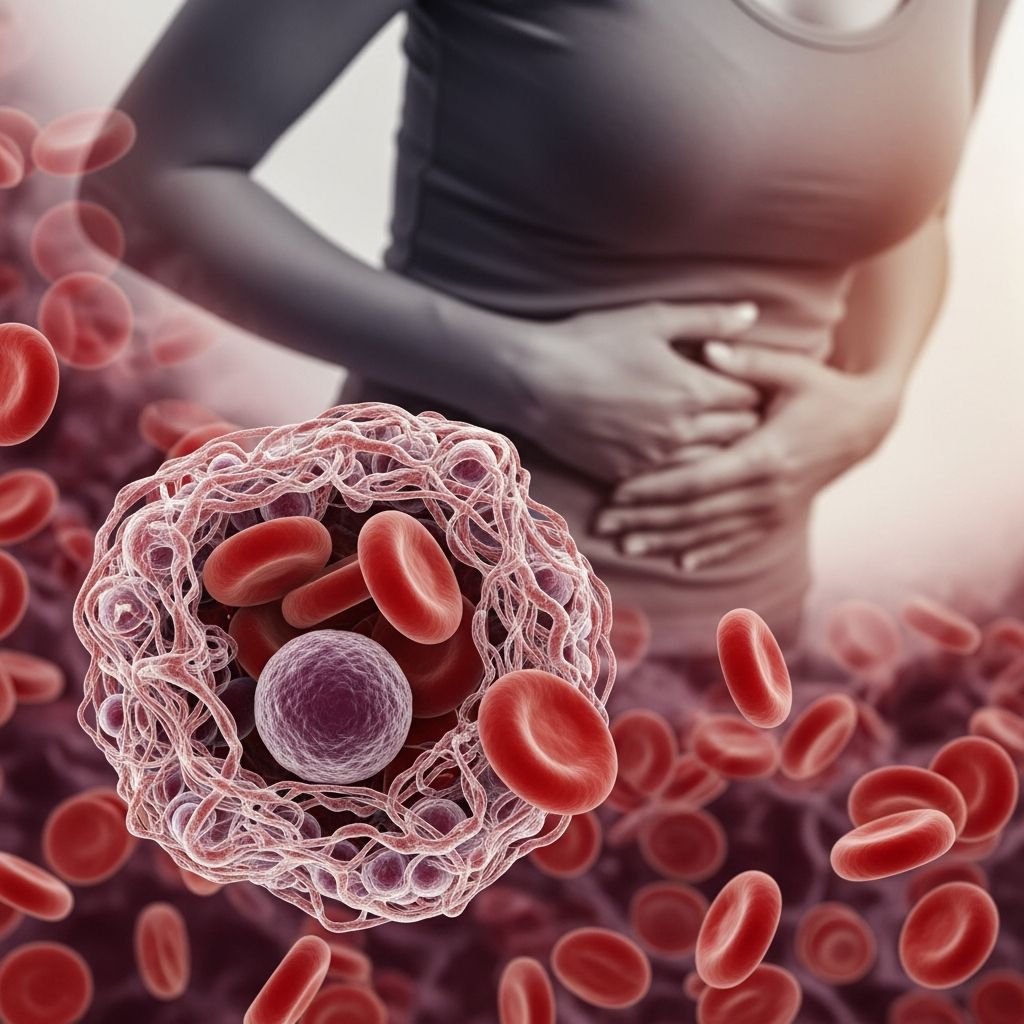
Menstrual blood clots are gel-like clumps of blood and uterine tissue that many people pass during their period, particularly on heavier flow days. While small clots—typically smaller than a quarter—are usually normal, larger or frequent clots may signal heavy menstrual bleeding (menorrhagia) or underlying conditions like fibroids, endometriosis, or hormonal imbalances.
The body naturally produces anticoagulants to keep menstrual blood flowing smoothly, but when shedding the uterine lining happens rapidly, blood can pool and clot before exiting. This article breaks down what causes period blood clots, when they’re concerning, possible health links, and steps for management.
What Causes Blood Clots During Your Period?
During menstruation, the uterus sheds its endometrial lining, mixing blood, tissue, mucus, and proteins. Blood naturally clots to prevent excessive loss, but menstrual flow contains tissue plasminogen activator (tPA), an enzyme that breaks down clots to maintain liquidity. Heavy or rapid shedding overwhelms this process, leading to clots forming in the uterus or vagina.
Clots often appear dark red, burgundy, or maroon and feel jelly-like or gelatinous. They’re more noticeable after lying down, sitting for long periods, or on the heaviest days (usually days 1-3), as gravity and uterine contractions push them out.
- Heavy flow: The primary trigger; blood pools faster than tPA can act.
- Hormonal fluctuations: Estrogen and progesterone shifts affect lining thickness.
- Anatomy: Uterine position or cervical narrowing can slow outflow.
Are Period Blood Clots Normal?
Yes, small menstrual clots (under 1 inch or quarter-sized) are normal for most people, especially with heavier flows. They occur in up to 40% of cycles and are the body’s way of managing blood loss efficiently.
Normal characteristics include:
- Size: Smaller than 2-3 cm (grape or quarter size).
- Frequency: Occasional, mainly on heavy days.
- Color/Texture: Dark red, soft, jelly-like.
- Associated symptoms: Mild cramps that subside.
Larger clots (golf ball-sized) or those passed frequently may not be normal and could indicate menorrhagia, defined by the CDC as soaking through pads/tampons hourly for several hours, periods lasting over 7 days, or clots 6ge; quarter-sized.
When to Worry About Blood Clots During Period
Consult a healthcare provider if clots exceed normal size/frequency or accompany disruptive symptoms. Warning signs include:
- Clots larger than 2-3 cm or passed every few hours.
- Heavy bleeding soaking protection hourly for 2+ hours.
- Periods >7 days or sudden flow changes.
- Severe cramps, dizziness, fatigue (anemia risk), or shortness of breath.
- New pelvic pain, especially if over 40 or post-pregnancy.
- Bleeding with pregnancy possibility (risk of miscarriage/ectopic).
Track your cycle: Note clot size, flow volume, pain levels, and duration over 2-3 months to share with your doctor.
Period Blood Clots Size Chart
| Clot Size | Description | Concern Level | Action |
|---|---|---|---|
| <1 inch (quarter-sized) | Common, jelly-like | Normal | Monitor |
| 1-2 inches (grape-sized) | Frequent on heavy days | Possible issue | Track; see doctor if persistent |
| >2 inches (golf ball+) | Hard, frequent | High concern | Seek medical care promptly |
This table summarizes guidelines from experts; individual factors like age and health history matter.
Why Do I Pass Large Blood Clots During Period?
Large clots often stem from heavy menstrual bleeding where outflow exceeds the body’s clot-busting capacity. Uterine contractions intensify to expel them, causing stronger cramps.
Potential underlying causes:
- Uterine fibroids: Benign tumors distorting the uterus, affecting 70-80% of women by age 50; cause heavy bleeding and clots.
- Adenomyosis: Endometrial tissue invading uterine muscle, leading to enlarged uterus and profuse bleeding.
- Endometriosis: Tissue growth outside uterus bleeds with cycles, causing clots, pain, and heavy flow.
- Polyps: Growths on uterine lining impeding flow.
- Bleeding disorders: Von Willebrand disease or low platelets.
- Hormonal issues: PCOS, thyroid problems, or perimenopause.
- IUDs or medications: Copper IUDs or blood thinners.
Menstrual Clots and Endometriosis
Endometriosis affects 1 in 10 reproductive-age individuals, causing endometrial-like tissue to grow outside the uterus (e.g., ovaries, fallopian tubes). This tissue responds to hormones, bleeds, and sheds, but can’t exit normally, leading to inflammation, scarring, and heavy periods with clots.
Symptoms beyond clots: Chronic pelvic pain, painful sex/periods/bowel movements, infertility. Clots in endometriosis are often larger due to pooled blood from multiple sites. Diagnosis via laparoscopy; treatments include pain meds, hormones, or surgery.
Blood Clots During Period After Miscarriage or Pregnancy
Post-miscarriage or with possible pregnancy, clots may indicate retained tissue or ectopic pregnancy—emergencies requiring immediate care. Symptoms: Severe pain, heavy bleeding, fever. Always test for pregnancy if irregular.
When to See a Doctor for Period Clots
Schedule an appointment if:
- Clots disrupt daily life or persist over cycles.
- Accompanied by anemia symptoms (fatigue, pallor).
- Age 45+ with changes (perimenopause/perimenopause screening).
- Family history of bleeding disorders or gynecologic issues.
Expect: Pelvic exam, ultrasound, blood tests, or endometrial biopsy. Treatments range from NSAIDs/tranexamic acid for heavy flow to hormonal therapy, ablation, or hysterectomy for severe cases.
How to Manage and Reduce Period Blood Clots
Lifestyle and medical strategies:
- Track cycles: Apps help identify patterns.
- Stay hydrated/moving: Reduces pooling.
- Heat/pain relief: Heating pads, ibuprofen reduce cramps/flow.
- Diet: Iron-rich foods combat anemia.
- Products: Super-absorbent tampons, menstrual cups for heavy flow.
Medical options: Birth control pills, IUDs (Mirena reduces flow 90%), or procedures like embolization for fibroids.
Frequently Asked Questions (FAQs)
Are jelly-like blood clots during period normal?
Yes, jelly-like clots are typically normal, formed from pooled blood and tissue on heavy flow days. Concern arises if large/frequent.
What do big blood clots during period mean?
They often mean heavy flow overwhelming anticoagulants, but frequent large ones may indicate fibroids, endometriosis, or disorders.
Can blood clots during period cause anemia?
Yes, heavy bleeding with clots can lead to iron-deficiency anemia; monitor fatigue and get bloodwork.
Do blood clots during period mean infertility?
Not directly, but underlying causes like endometriosis or fibroids can impact fertility—see a specialist.
How big is too big for a period clot?
Clots larger than a quarter (1 inch) regularly, especially with heavy bleeding, warrant evaluation.
References
- Menstrual Clots and How They Are Linked to Endometriosis — Dr. Seckin. Accessed 2026. https://drseckin.com/blood-clots-during-a-period/
- Period Blood Clots: Should You Be Concerned? — Cleveland Clinic. 2023-05-15. https://health.clevelandclinic.org/period-blood-clots-are-they-normal
- Are blood clots normal during a period? — Medical News Today. 2023-08-10. https://www.medicalnewstoday.com/articles/322707
- About Heavy Menstrual Bleeding — CDC. 2024-02-20. https://www.cdc.gov/female-blood-disorders/about/heavy-menstrual-bleeding.html
Similar Articles



Read full bio of Sneha Tete