Top Causes of Blood Clots in the Legs and How to Avoid Them
Learn the leading causes of leg blood clots and evidence-based strategies to protect your health.
Understanding Blood Clots in the Legs
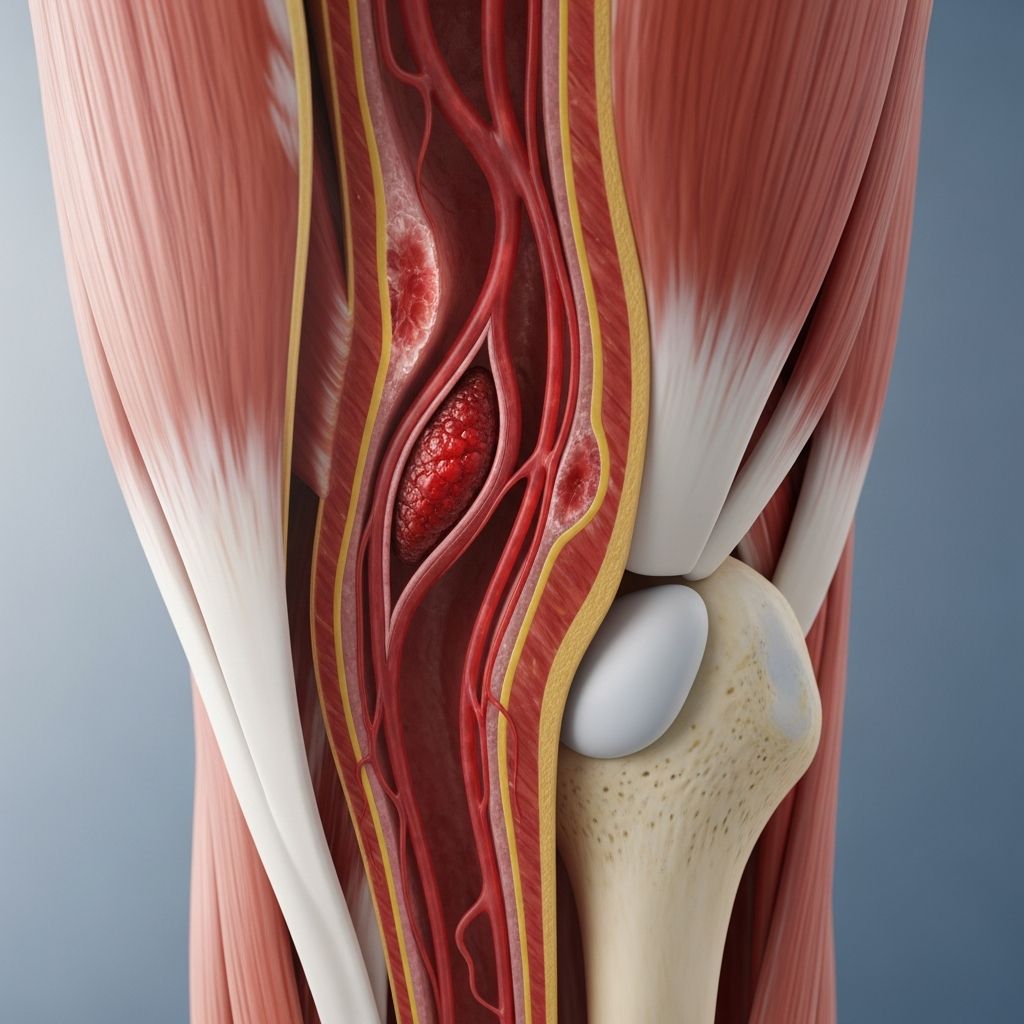
Blood clots are a serious health concern that affects nearly one million Americans each year. When blood clots form in the deep veins of the legs, a condition known as deep vein thrombosis (DVT), they can pose significant health risks. The most concerning threat occurs when part of a blood clot breaks away and travels to the lungs, causing a pulmonary embolism—a potentially life-threatening condition. Understanding what causes leg blood clots and how to prevent them is essential for maintaining your cardiovascular health and avoiding serious complications.
While blood clots play a vital role in your body’s natural healing process by stopping excessive bleeding after an injury, dangerous clots that form unnecessarily can obstruct blood flow and prevent oxygen and nutrients from reaching vital organs. This is why prevention and early recognition of risk factors are so important.
Common Risk Factors for Leg Blood Clots
Several factors can increase your likelihood of developing a blood clot in your legs. Some of these risk factors are unavoidable, while others can be controlled through lifestyle modifications and preventive measures.
Immobility and Prolonged Sitting
One of the most significant triggers for blood clots is immobility. When blood doesn’t move fast enough through your veins, it becomes more likely to clot. Extended periods of sitting—even as little as three to four hours—can substantially increase your clot risk. This is particularly concerning during long car rides, airplane flights, and train journeys. Additionally, being bedridden for extended periods due to surgery or illness dramatically increases your vulnerability to developing DVT.
Lifestyle and Activity Factors
Getting too little physical activity and spending excessive time sitting contributes significantly to blood clot formation. A sedentary lifestyle allows blood to pool in your leg veins, creating an environment conducive to clot development. Regular movement and activity help maintain healthy blood flow and reduce clot risk.
Medical Medications
Certain medications can promote blood clotting as a side effect. Birth control pills and hormone replacement therapy are well-known contributors to increased clot risk. If you take medications that affect blood clotting, discuss your personal risk profile with your healthcare provider.
Non-Modifiable Risk Factors
Several risk factors are beyond your control but still increase your vulnerability to DVT. These include advanced age, a family history of blood clots, a previous episode of DVT, cancer diagnosis, certain genetic conditions that affect blood clotting, recent COVID-19 infection, heart failure, and obesity. Additionally, pregnancy significantly increases clot risk due to hormonal and physical changes in the body.
Prevention Strategies for Leg Blood Clots
The good news is that many blood clots are preventable through proactive measures. Whether you’re traveling, recovering from surgery, or simply concerned about your risk, these evidence-based strategies can help protect your health.
Stay Hydrated
Proper hydration is one of the simplest yet most effective ways to prevent blood clots. Dehydration thickens your blood and makes clotting more likely. Drink plenty of water throughout the day, especially during long flights, car rides, or whenever you anticipate prolonged sitting. Avoid excessive alcohol consumption, as it can contribute to dehydration and increase clot risk.
Move Your Legs Regularly
Related Stories



Regular leg movement is crucial for maintaining healthy blood circulation. Every one to two hours, get up and stretch your calf muscles or move your ankles back and forth repeatedly. The calf muscles function as natural pumps that propel blood through your veins. If you’re unable to stand, you can still perform seated leg exercises by bending your knees, pointing and flexing your feet, or rotating your ankles. These simple movements help prevent blood from pooling in your legs.
Wear Compression Stockings
Compression stockings are specially designed garments that apply graduated pressure to your legs, helping prevent swelling and keeping blood from pooling in your leg veins. They’re particularly beneficial during long periods of immobility, such as during extended flights or recovery from surgery. Many people find compression stockings helpful for both prevention and symptom management.
Pay Attention to Your Body Position
How you position yourself while sitting matters more than you might think. Avoid crossing your legs, as this restricts blood flow and increases clot risk. Instead, periodically change your sitting position to promote circulation. When traveling, try to sit in an aisle seat on planes, trains, or buses so you can easily get up and move around every few hours without disturbing others.
Maintain Healthy Body Weight
Obesity is a significant risk factor for blood clots. Maintaining a healthy weight through balanced nutrition and regular exercise can substantially reduce your clot risk. If weight management is a concern, discuss your options with your healthcare provider.
Stay Physically Active
Regular physical activity supports healthy circulation and reduces clot risk. Aim for at least 150 minutes of moderate-intensity aerobic activity each week, combined with strength-training exercises. Even light activity like walking is beneficial if you’re unable to engage in more vigorous exercise.
Travel-Specific Prevention Tips
Long-distance travel presents a particularly high risk for blood clots due to prolonged immobility in confined spaces. If you’re planning a long car, plane, or train journey, take extra precautions:
- Stand and walk around every one to two hours
- Perform ankle and leg exercises while seated
- Drink plenty of water before and during your trip
- Consider wearing compression stockings
- Avoid crossing your legs
- Choose an aisle seat when flying to facilitate easy movement
- Take breaks to stretch and move around
Recognizing Symptoms of Deep Vein Thrombosis
Early recognition of DVT symptoms can be lifesaving. If you experience any of the following signs, contact your doctor or seek urgent care immediately:
- Swelling in only one leg
- Leg pain or tenderness
- A sensation of heaviness in the leg
- Warmth or redness in the affected leg
- Skin changes or discoloration
If you also experience shortness of breath, chest pain, or difficulty breathing, proceed immediately to the emergency department, as these symptoms may indicate a pulmonary embolism, which requires urgent medical attention.
When to Seek Medical Advice
Don’t wait for symptoms to worsen before consulting your healthcare provider. If you have concerns about your blood clot risk based on your personal or family history, discuss preventive measures with your doctor. Those with multiple risk factors, previous blood clots, or planned surgeries should have a comprehensive conversation with their healthcare team about personalized prevention strategies.
Special Considerations After Surgery
Surgical procedures, particularly orthopedic surgeries involving the hips, knees, or legs, significantly increase DVT risk. Your surgical team will likely recommend specific prevention measures, which may include compression stockings, blood-thinning medications, or sequential compression devices. Follow these recommendations carefully and report any concerning symptoms to your healthcare provider.
Understanding Your Personal Risk
Your individual blood clot risk depends on various factors unique to your health profile. Those with a family history of blood clots, previous DVT episodes, certain medical conditions, or genetic predispositions should work with their healthcare provider to develop a personalized prevention plan. Age is also a factor—older adults generally have higher risk than younger individuals.
Frequently Asked Questions About Leg Blood Clots
Q: Can I prevent blood clots if I have a family history of DVT?
A: While you cannot change your genetic predisposition, you can significantly reduce your risk by controlling modifiable factors such as maintaining physical activity, staying hydrated, avoiding prolonged immobility, maintaining a healthy weight, and following your doctor’s recommendations for preventive measures.
Q: How long should I wear compression stockings?
A: The duration depends on your specific situation and risk factors. For travel, wear them during your flight or long car ride and for a few hours afterward. For post-surgical prevention, follow your surgeon’s specific recommendations, which may involve wearing them for several weeks.
Q: Is it safe to exercise if I have a previous history of blood clots?
A: Yes, exercise is generally beneficial for those with a history of blood clots, but you should consult your healthcare provider before starting a new exercise program. They can recommend appropriate activities and any necessary precautions based on your individual circumstances.
Q: What should I do if I think I have DVT symptoms?
A: Contact your doctor or visit an urgent care facility immediately. If you experience shortness of breath or chest pain, go to the emergency department right away, as these may indicate a pulmonary embolism.
Q: Does dehydration really increase blood clot risk?
A: Yes, dehydration thickens your blood and makes it more prone to clotting. Staying well-hydrated helps maintain optimal blood viscosity and circulation, reducing your clot risk.
Q: Are there foods that can help prevent blood clots?
A: While a balanced diet is important for overall cardiovascular health, no specific foods can prevent blood clots on their own. However, foods rich in omega-3 fatty acids, antioxidants, and those that support cardiovascular health are beneficial. Always consult your doctor before making dietary changes, especially if you’re taking blood-thinning medications.
Conclusion
Blood clots in the legs are a serious health concern, but most are preventable through proactive measures and lifestyle modifications. By understanding your risk factors, staying active, maintaining proper hydration, and taking specific precautions during high-risk situations like long-distance travel, you can significantly reduce your likelihood of developing deep vein thrombosis. Remember that your healthcare provider is your best resource for personalized advice based on your individual health profile and risk factors. Don’t hesitate to reach out with concerns, and always seek immediate medical attention if you suspect you may have DVT or a pulmonary embolism.
References
- How to Prevent Blood Clots in Legs and Lungs — Harvard Health Publishing. 2022. https://www.health.harvard.edu/staying-healthy/how-to-prevent-blood-clots-in-legs-and-lungs
- Venous Thromboembolism (Blood Clots) — Centers for Disease Control and Prevention (CDC). 2024. https://www.cdc.gov/ncbddd/dvt/index.html
- Deep Vein Thrombosis and Pulmonary Embolism — National Heart, Lung, and Blood Institute (NHLBI). 2024. https://www.nhlbi.nih.gov/health-topics/venous-thromboembolism
- Risk Factors for Venous Thromboembolism — American Heart Association. 2024. https://www.heart.org/en/health-topics/consumer/answers-by-heart-fact-sheets/answers-by-heart-fact-sheets-about-prevention
Similar Articles








Read full bio of medha deb