Blood Clotting Disorders: Types, Signs and Treatment
Understanding blood clotting disorders, their causes, symptoms, and effective treatment options for hypercoagulable states.
Understanding Blood Clotting Disorders
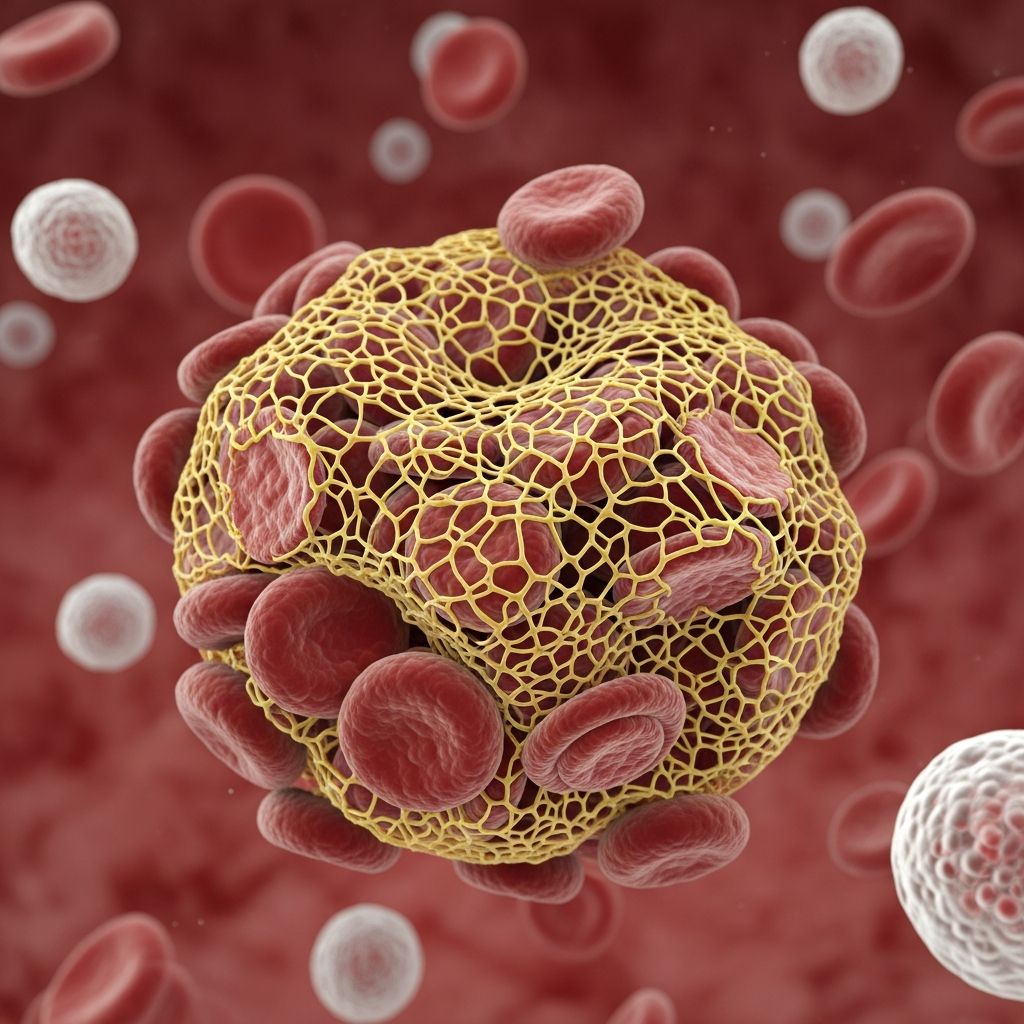
A blood clotting disorder is a medical condition that makes your body more likely than normal to produce blood clots. These disorders, also known as hypercoagulable states or thrombophilia, can be either inherited from your parents or acquired during your lifetime. While having a blood clotting disorder increases your risk of developing problematic clots, it’s important to understand that not everyone with these conditions will experience serious complications like stroke or heart attack. Modern medical treatments and medications can effectively manage blood clotting disorders and significantly reduce the associated risks.
Blood clots themselves are semi-solid or gel-like masses that form in your arteries and veins. In normal circumstances, blood clots serve an essential function—they help control bleeding when you’re injured. However, when your body produces clots too readily or clots form when they shouldn’t, serious health complications can develop. Understanding the difference between normal clotting function and pathological clotting is crucial for managing your health effectively.
Types of Blood Clotting Disorders
Blood clotting disorders fall into two main categories: inherited (genetic) and acquired. Each category encompasses various specific conditions with different underlying causes and risk factors.
Inherited Blood Clotting Disorders
Inherited blood clotting disorders result from genetic mutations passed down from parents to their biological children. These genetic forms mean you’re born with a tendency to form blood clots. The most commonly identified genetic defects that increase your risk for blood clotting include Factor V Leiden and prothrombin gene mutation (G20210A). Factor V Leiden is particularly prevalent in people with European ancestry, affecting approximately 3% to 8% of this population. Only 1 in 5,000 people carries two copies of the Factor V Leiden mutation. Similarly, about 1 in 50 white people in America and Europe have the prothrombin mutation, though both of these mutations are less common in other populations.
Other inherited clotting disorders include protein C deficiency, protein S deficiency, and antithrombin deficiency. These conditions involve insufficient levels of proteins that normally help regulate blood clotting, leading to an increased risk of thrombosis.
Acquired Blood Clotting Disorders
Acquired conditions develop during your lifetime and are usually the result of surgery, trauma, medications, or an underlying medical condition that increases your risk of forming clots. Common causes of acquired hypercoagulable states include cancer, antiphospholipid syndrome, pregnancy and the postpartum period, prolonged immobility, hormone replacement therapy, and certain medications. Unlike inherited disorders, acquired conditions are not passed genetically to your children, but they require careful medical management to prevent dangerous clot formation.
Risk Factors and Causes
Multiple factors can increase your risk of developing blood clots, though having risk factors doesn’t necessarily mean you have a genetic hypercoagulable state. Your healthcare provider will carefully evaluate your personal and family medical history to determine your actual risk level.
Common risk factors include:
- Recent surgery or trauma
- Prolonged bed rest or immobility
- Cancer and cancer treatments
- Pregnancy and the postpartum period
- Use of hormone replacement therapy or birth control pills
- Smoking
- Obesity
- Previous blood clots or family history of clotting disorders
- Heart disease
- Inflammatory bowel disease
- Antiphospholipid syndrome
Symptoms and Complications
Blood clotting disorder symptoms can vary significantly depending on where in your body a blood clot develops. Not all people with blood clotting disorders experience symptoms, which is why regular medical monitoring is important for those with known conditions.
Common symptoms of blood clots include:
- Leg pain, swelling, or warmth
- Change in leg skin color (redness or bluish discoloration)
- Chest pain or pressure
- Shortness of breath
- Rapid heartbeat
- Sudden weakness or numbness, especially on one side of the body
- Difficulty speaking or slurred speech
- Severe headache
- Abdominal pain
Blood clots in your veins can travel through your bloodstream and cause serious complications in various parts of your body. Deep vein thrombosis (DVT) occurs when a blood clot develops in veins deep in your body, often in the legs. If a clot breaks free and travels to your lungs, it can cause pulmonary embolism (PE), a life-threatening condition. Blood clots can also travel to your heart, causing heart attacks, or to your brain, causing strokes. These are serious medical emergencies that require immediate treatment.
Diagnosis and Testing
Diagnosing blood clotting disorders typically involves a combination of clinical evaluation and specialized laboratory testing. Your healthcare provider will review your personal medical history, family history of clotting disorders, and any symptoms you’re experiencing. They may order blood tests to evaluate your clotting function and identify specific genetic mutations. Specialized testing can help determine whether you have an inherited hypercoagulable state or an acquired condition.
Imaging studies such as ultrasound, CT scans, or MRI may be used to detect existing blood clots. Your provider may develop a customized testing plan to meet your specific needs, particularly if you have a complex or unusual hemostasis disorder requiring consultation with hemostasis and thrombosis specialists.
Treatment Options
In most cases, blood clotting disorder treatment is initiated when a blood clot actually develops in a vein or artery, rather than as a preventive measure for everyone with the condition. The main goals of treatment are to prevent the clot from growing larger, stop it from traveling through your bloodstream, and prevent new clots from forming.
Anticoagulant Medications
Anticoagulants, commonly known as blood thinners, are the primary medications used to treat blood clotting disorders. These medications work by decreasing your blood’s ability to clot and preventing additional clots from forming. It’s important to understand that anticoagulants don’t destroy or “melt” existing blood clots. Rather, they allow your body’s natural processes to dissolve clots over time. When clots don’t completely dissolve, they typically shrink and become small scars inside your veins, which usually don’t cause symptoms or problems.
Common anticoagulant medications include warfarin (a vitamin K antagonist), heparin (given by injection), low-molecular-weight heparin, and newer direct oral anticoagulants such as apixaban, rivaroxaban, dabigatran, and edoxaban. Each medication has different advantages, disadvantages, and monitoring requirements.
Individualized Treatment Plans
Your healthcare provider will discuss the benefits and risks of anticoagulant medications based on your specific diagnosis and medical situation. This information, along with your diagnosis, helps determine which anticoagulant medication you’ll take, how long you need to take it, and what type of follow-up monitoring you require. Treatment duration varies depending on whether your clot resulted from a temporary risk factor (like surgery) or an inherent clotting disorder.
Special Considerations
People with blood clotting disorders require individualized care due to the complexity and variety of these conditions. Healthcare providers bring together experts from many different specialties to diagnose what’s happening and personalize your care. This multidisciplinary approach ensures comprehensive evaluation and treatment planning, particularly for patients with complex or unusual presentations.
If you experience symptoms suggestive of a blood clot in your lungs or heart, seek emergency medical care immediately. A blood clot in the lungs is a life-threatening complication that requires urgent evaluation and treatment. Symptoms of pulmonary embolism include sudden chest pain, severe shortness of breath, and rapid heartbeat.
Living With a Blood Clotting Disorder
Managing a blood clotting disorder involves working closely with your healthcare provider to understand your specific condition and follow your treatment plan carefully. Take your anticoagulant medications exactly as prescribed, attend all follow-up appointments, and inform your provider about any medications or supplements you’re taking, as some can interact with anticoagulants. Report any signs of bleeding or new symptoms promptly, and maintain a healthy lifestyle with regular physical activity and a balanced diet unless otherwise advised by your provider.
Frequently Asked Questions
Q: Can blood clotting disorders be cured?
A: While there’s no cure for inherited blood clotting disorders, they can be effectively managed with anticoagulant medications and lifestyle modifications. Acquired clotting disorders may resolve once the underlying cause is treated. Treatment focuses on preventing dangerous blood clots from forming.
Q: Will I definitely develop a blood clot if I have a clotting disorder?
A: No. Having a blood clotting disorder increases your risk, but many people with these conditions never develop a dangerous blood clot, especially with appropriate medical management and preventive measures.
Q: How often do I need to have my blood tested?
A: Testing frequency depends on your specific diagnosis and treatment. Some patients taking warfarin require regular monitoring, while others on newer anticoagulants may need less frequent testing. Your healthcare provider will determine the appropriate monitoring schedule for you.
Q: Can I prevent blood clots if I have a clotting disorder?
A: While you can’t prevent the genetic tendency to clot, you can reduce your risk by avoiding risk factors when possible, staying physically active, maintaining a healthy weight, and taking your medications as prescribed. During high-risk situations like surgery or prolonged immobility, your provider may recommend preventive anticoagulation.
Q: Are blood clotting disorders hereditary?
A: Inherited blood clotting disorders are genetic and can be passed from parents to children. However, acquired disorders develop during your lifetime and are not inherited. If you have an inherited clotting disorder, there’s a chance your biological children could inherit it as well.
Q: What should I do if I think I have a blood clot?
A: Seek immediate medical attention if you experience symptoms such as severe chest pain, shortness of breath, leg swelling and pain, or sudden neurological symptoms like weakness or speech difficulty. These could indicate a life-threatening blood clot requiring emergency treatment.
References
- Blood Clotting Disorders: Types, Signs and Treatment — Cleveland Clinic. 2024. https://my.clevelandclinic.org/health/diseases/16788-blood-clotting-disorders-hypercoagulable-states
- Blood Clots: What They Are and What They Do — Cleveland Clinic. 2024. https://my.clevelandclinic.org/health/body/17675-blood-clots
- Deep Vein Thrombosis (DVT) — Cleveland Clinic. 2024. https://my.clevelandclinic.org/health/diseases/16911-deep-vein-thrombosis-dvt
- Get Treatment for Blood Clotting Disorders — Cleveland Clinic. 2024. https://my.clevelandclinic.org/services/blood-clotting-disorders-treatment
- Hemostasis & Thrombosis Laboratory Medicine — Cleveland Clinic Laboratories. 2024. https://clevelandcliniclabs.com/our-laboratories/laboratory-medicine/hemostasis-thrombosis/
Similar Articles








Read full bio of medha deb