Blood Glucose Test: Levels, Purpose & Results
Understanding blood glucose tests: screening, diagnosis, and interpreting your results.
Blood Glucose Test: Screening for Diabetes and Managing Blood Sugar
A blood glucose test measures the level of glucose (sugar) in your blood. The test can involve a finger prick or a blood draw from your vein. Healthcare providers most commonly use blood glucose tests to screen for Type 2 diabetes, which is a common condition affecting millions of people worldwide. Understanding how these tests work and what your results mean is crucial for maintaining your health and managing your diabetes risk.
Blood glucose tests are among the most fundamental diagnostic tools in modern medicine, providing quick and reliable information about how your body processes sugar. Whether you’re getting a routine screening or monitoring an existing condition, knowing what to expect from a blood glucose test can help you prepare and understand your results better.
What is a Blood Glucose Test?
A blood glucose test, also called a blood sugar test, measures the concentration of glucose in your bloodstream at a specific moment in time. Glucose is a simple sugar that serves as your body’s primary source of energy. When you eat carbohydrates, your digestive system breaks them down into glucose, which enters your bloodstream. Your pancreas then produces insulin, a hormone that helps cells absorb this glucose for energy or storage.
When this system doesn’t work properly, glucose can accumulate in your blood, leading to elevated blood sugar levels. Conversely, in certain situations, blood glucose can drop too low, causing hypoglycemia. Blood glucose tests help identify these imbalances and determine whether you may have diabetes or other metabolic conditions.
Types of Blood Glucose Tests
There are two main types of blood glucose tests, each with distinct advantages and applications:
Venous Blood Glucose Test (Blood Draw)
A venous glucose test involves drawing blood from a vein, typically in your arm. A healthcare professional will clean the area with an alcohol swab, insert a needle into the vein, and collect blood into a sterile tube. This method is often used in clinical settings and provides a single snapshot of your blood glucose level at the time of testing. Venous tests are considered the standard for diagnostic purposes because they measure plasma glucose directly and are highly accurate.
Capillary Blood Glucose Test (Finger Prick)
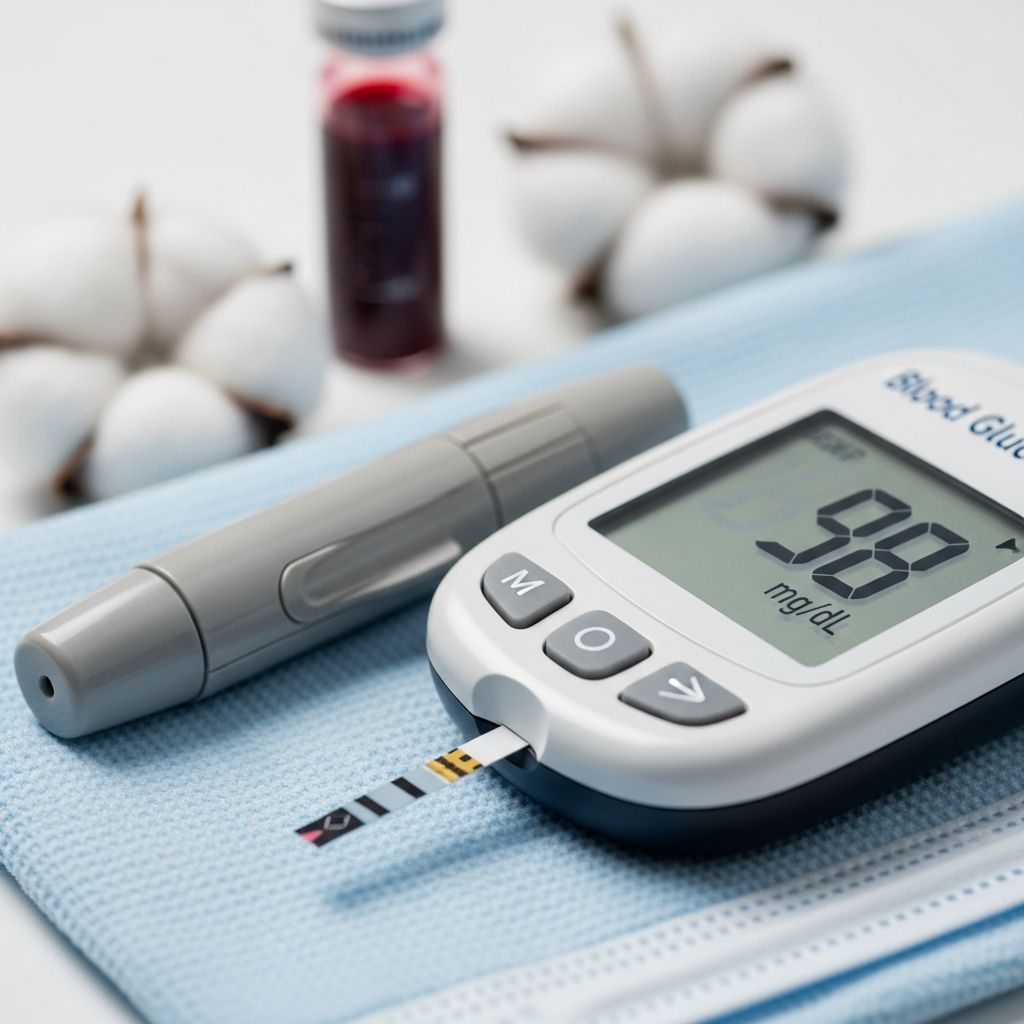
A capillary blood glucose test involves pricking your finger with a small lancet device to obtain a tiny drop of blood. This blood is then applied to a test strip that is inserted into a portable glucose meter. The meter provides a reading within seconds, typically displaying your blood glucose level in milligrams per deciliter (mg/dL). This method is widely used for at-home monitoring and in clinical settings because of its convenience and rapid results.
What to Expect During Testing
Understanding what happens during each type of test can help reduce anxiety and ensure you’re prepared for your appointment.
Related Stories



During a Venous Blood Glucose Test
When you arrive for a venous blood glucose test, you may be asked to fast for 8 to 10 hours beforehand, depending on the specific type of test ordered. During the procedure, a phlebotomist or healthcare provider will:
– Locate an appropriate vein in your arm- Clean the area with an antiseptic swab- Insert a needle into the vein- Collect blood into one or more sterile tubes- Apply pressure and a bandage to the puncture site
The entire process typically takes just a few minutes. You may experience minimal discomfort, and most people experience only mild tenderness at the puncture site that resolves within hours.
During a Capillary Blood Glucose Test
A capillary blood glucose test is even simpler and faster. During this procedure:
– Your healthcare provider will clean the side of your finger with an alcohol swab- They will use a small lancing device to prick your fingertip- A tiny drop of blood will form- The blood is applied to a test strip- The glucose meter reads the strip and displays your blood glucose level
This entire process takes less than a minute, making it ideal for frequent monitoring or quick screening in various settings. Most people tolerate this procedure very well with minimal discomfort.
Blood Glucose Test Results and Normal Ranges
Laboratory results for blood glucose tests are typically measured in milligrams per deciliter (mg/dL) in the United States. Understanding what different ranges mean is essential for interpreting your results correctly.
Normal Blood Glucose Levels
For people without diabetes, normal fasting blood glucose levels typically range from 70 to 100 mg/dL. These ranges can vary slightly depending on the laboratory and the specific testing method used, so always refer to the reference range provided with your test results.
Diagnostic Ranges
| Condition | Fasting Glucose Level | Random Glucose Level |
|---|---|---|
| Normal | Less than 100 mg/dL | Less than 140 mg/dL |
| Prediabetes | 100-125 mg/dL | 140-199 mg/dL |
| Diabetes | 126 mg/dL or higher | 200 mg/dL or higher |
Low Blood Glucose
A blood sugar result of 70 mg/dL or lower is considered too low for most adults who have diabetes. This condition is called hypoglycemia and can cause symptoms such as shakiness, sweating, rapid heartbeat, anxiety, and difficulty concentrating. Severe hypoglycemia can be dangerous and requires immediate treatment with fast-acting carbohydrates.
What High Blood Glucose Levels Indicate
Elevated blood glucose levels can result from various factors. Some common causes of high glucose levels include:
– Diabetes (Type 1 or Type 2)- Prediabetes- Gestational diabetes during pregnancy- Stress or emotional distress- Recent illness or infection- Certain medications, such as corticosteroids- Pancreatic disease or dysfunction- Hormonal disorders affecting insulin production or function- Poor diet or excessive carbohydrate intake- Insufficient physical activity
Confirmation of Diagnosis
If your blood glucose test results are elevated, your healthcare provider will likely order additional tests before making a formal diabetes diagnosis. An A1C test is commonly used to confirm diabetes diagnosis. The A1C test measures your average blood sugar over the past two to three months, providing a longer-term picture of your glucose control rather than just a single point in time.
A single elevated blood glucose result doesn’t necessarily mean you have diabetes. Your provider may recommend repeat testing or additional diagnostic procedures to establish a definitive diagnosis. This careful approach ensures that any diagnosis is accurate and based on reliable evidence.
Fasting vs. Random Blood Glucose Tests
The timing of your blood glucose test can affect how results are interpreted. A fasting blood glucose test requires you to avoid eating or drinking anything except water for 8 to 10 hours before the test. This typically means scheduling your test in the morning after fasting overnight. Fasting tests provide a baseline measure of your body’s glucose production without the influence of recent food intake.
A random blood glucose test, by contrast, can be performed at any time regardless of when you last ate. Random tests are useful for screening purposes and can also help identify unusual glucose patterns throughout the day.
How Quickly You’ll Get Results
The timing of your results depends on the type of blood glucose test performed. In most cases, venous blood glucose test results are available within one or two days. The blood sample must be sent to a laboratory where it’s analyzed by automated equipment, and results are then reported back to your healthcare provider.
Capillary blood glucose tests show results within seconds via the glucose meter. This rapid feedback is one reason these devices are so popular for home monitoring and frequent testing throughout the day.
Blood Glucose Testing in Diabetes Management
Beyond diagnosis, blood glucose testing plays a vital role in managing diabetes for those already diagnosed with the condition. Regular monitoring helps you and your healthcare provider understand how your body responds to different foods, medications, exercise, and stress. This information guides decisions about lifestyle modifications, medication adjustments, and overall diabetes management strategies.
Many people with diabetes use continuous glucose monitors (CGMs) or frequent finger-stick testing to track their glucose levels throughout the day. This ongoing monitoring provides detailed information about glucose patterns and helps identify trends that might not be apparent from occasional laboratory tests alone.
Preparation and Special Considerations
Before your blood glucose test, ask your healthcare provider whether you need to fast. For fasting tests, avoid eating or drinking anything except water for the specified period. Continue taking your regular medications unless your provider instructs otherwise. Inform your healthcare provider about any medications, supplements, or recent illnesses that might affect your results.
If you’re anxious about blood draws, let your healthcare provider know. They can take steps to make the experience more comfortable, such as using a smaller gauge needle or allowing you to lie down during the test.
Frequently Asked Questions
Q: How often should I have my blood glucose tested?
A: The frequency of testing depends on your individual health status and risk factors. People without diabetes risk factors may need testing every three years, while those with prediabetes or diabetes may need more frequent monitoring. Your healthcare provider will recommend an appropriate testing schedule based on your specific situation.
Q: Can blood glucose tests be performed at home?
A: Yes, capillary blood glucose tests can be performed at home using a personal glucose meter and test strips. However, diagnostic blood glucose tests typically require blood samples collected and analyzed in a laboratory setting for accuracy and documentation purposes.
Q: What should I do if my blood glucose test results are abnormal?
A: Contact your healthcare provider to discuss your results. They will explain what your specific numbers mean, whether additional testing is needed, and what steps you should take. Don’t panic if one test is abnormal—your provider may want to repeat testing or order additional diagnostic tests before making any diagnosis.
Q: Does fasting before a blood glucose test really matter?
A: For fasting blood glucose tests, yes—fasting is essential for accurate results. Food intake affects blood glucose levels, so fasting ensures that your results reflect your body’s baseline glucose production rather than the glucose from a recent meal.
Q: Are there any risks to blood glucose testing?
A: Blood glucose testing is very safe. Venous blood draws may cause minor bruising or tenderness at the puncture site. Finger-stick tests may cause slight discomfort and tiny pinprick marks. Serious complications are extremely rare with either method.
Q: Why did my doctor order both a blood glucose test and an A1C test?
A: Blood glucose tests show your glucose level at a specific moment, while A1C tests show your average glucose over two to three months. Together, these tests provide a more complete picture of your glucose control and help your provider make better treatment decisions.
References
- Blood Glucose (Sugar) Test: Levels & What They Mean — Cleveland Clinic. 2024. https://my.clevelandclinic.org/health/diagnostics/12363-blood-glucose-test
- Standards of Medical Care in Diabetes — American Diabetes Association. 2024. https://care.diabetesjournals.org/content/47/Supplement_1/S1
- Self-monitoring of blood glucose: Advice for providers and patients — Cleveland Clinic Journal of Medicine. 2016. https://www.ccjm.org/content/83/5/355
- Finger-Stick Glucose Monitoring: Issues of accuracy and specificity — National Center for Biotechnology Information. 2008. https://pmc.ncbi.nlm.nih.gov/articles/PMC2845057/
- Using continuous glucose monitoring data in daily clinical practice — Cleveland Clinic Journal of Medicine. 2024. https://www.ccjm.org/content/91/10/611
Similar Articles








Read full bio of Sneha Tete