Blood In Poop: Causes, Diagnosis, When To Worry | Expert Guide
Discover the potential causes of blood in stool, from minor issues to serious conditions, and learn when to seek medical help immediately.
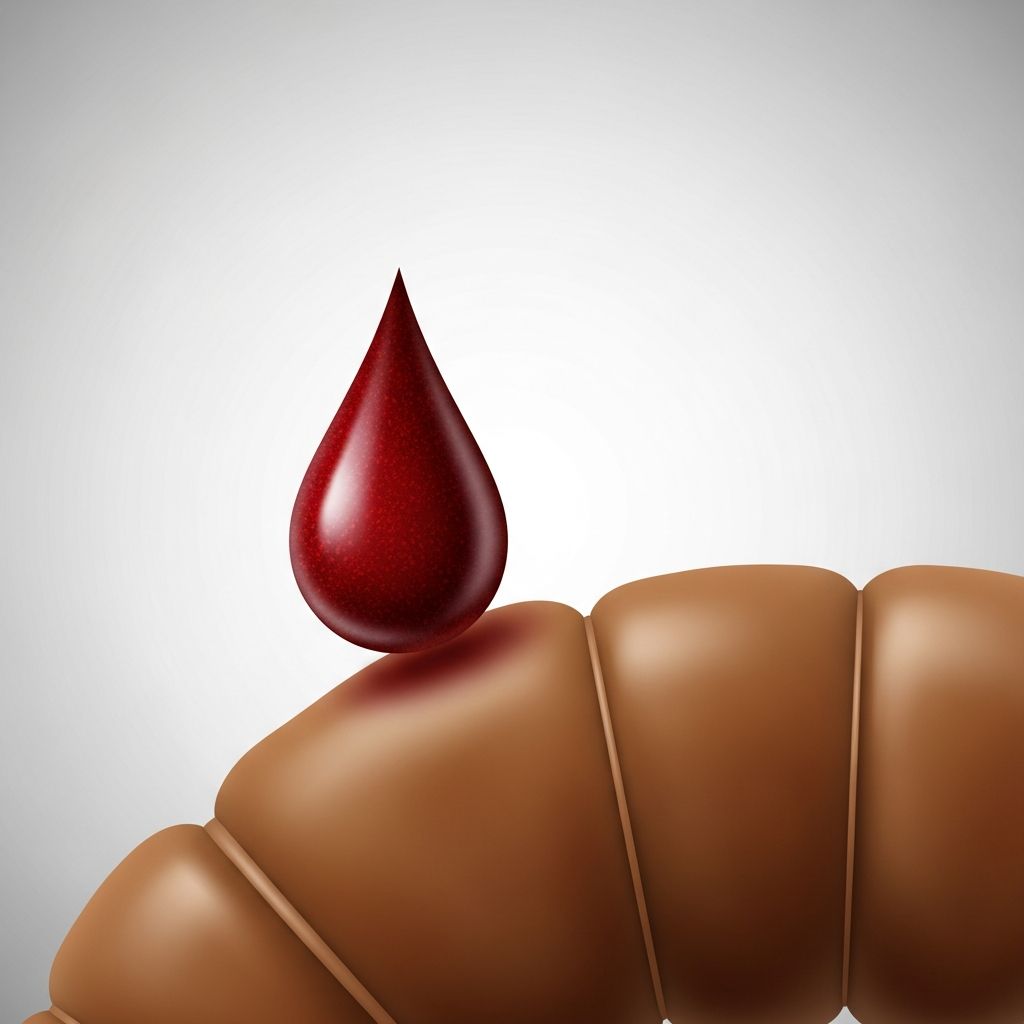
Blood in stool, medically known as rectal bleeding or hematochezia, is a concerning symptom that affects millions annually. While it can stem from benign causes like hemorrhoids, it may also indicate serious conditions such as colorectal cancer or inflammatory bowel disease (IBD). According to the CDC, early detection of colorectal issues saves lives, making awareness crucial. This article explores the types of blood in poop, common and serious causes, associated symptoms, diagnostic approaches, treatments, and when to seek emergency care.
What Does Blood in Poop Look Like?
Identifying blood in stool starts with its appearance, which provides clues about the bleeding source. Blood can appear bright red, dark, or even black and tarry, depending on where it’s coming from in the digestive tract.
- Bright red blood: Typically indicates lower gastrointestinal bleeding from the rectum, anus, or colon. It’s often seen on toilet paper, coating stool, or dripping into the bowl.
- Dark red or maroon blood: Suggests bleeding higher in the colon or small intestine, where blood mixes with stool during transit.
- Black, tarry stools (melena): Points to upper GI bleeding (stomach or duodenum), where blood is digested, turning stool sticky and foul-smelling.
Even small amounts warrant attention. The National Institute of Diabetes and Digestive and Kidney Diseases (NIDDK) notes that ignoring rectal bleeding can delay diagnosis of treatable conditions.
Common Causes of Blood in Stool
Many cases of blood in poop arise from non-life-threatening issues, but evaluation is essential to rule out severity.
Hemorrhoids
Hemorrhoids, swollen veins in the anus or rectum, are the most frequent cause, affecting about half of adults by age 50 per NIDDK data. Straining during bowel movements, pregnancy, or chronic constipation irritates them, causing bright red bleeding. Symptoms include itching, pain, and lumps. Most resolve with fiber-rich diets, sitz baths, and over-the-counter creams.
Anal Fissures
These small tears in the anal lining from hard stools or diarrhea cause sharp pain and bright red streaks on stool. They often heal with stool softeners, high-fiber intake, and warm baths. Chronic fissures may require medical intervention like Botox injections.
Diverticular Disease
Diverticula are pouches in the colon wall that can bleed painlessly, especially in older adults. Mild cases are managed conservatively, but severe diverticulitis needs antibiotics or surgery.
Serious Causes of Rectal Bleeding
While less common, these demand prompt medical evaluation.
Colon Polyps and Colorectal Cancer
Polyps are growths that can bleed and turn cancerous if untreated. The National Cancer Institute (NCI) reports colorectal cancer as the third most common cancer in the U.S., often presenting with painless bright red bleeding. Screening via colonoscopy from age 45 is recommended. Early-stage cancers have over 90% five-year survival rates.
Inflammatory Bowel Disease (IBD)
Crohn’s disease and ulcerative colitis cause chronic inflammation, ulcers, and bloody diarrhea. Per a 2023 Gastroenterology study, IBD affects 1.3% of Americans, managed with anti-inflammatories, biologics, or surgery.
Upper GI Bleeding
Peptic ulcers, gastritis, or esophageal varices from liver disease produce melena. The AGA notes these emergencies require endoscopy for hemostasis.
Symptoms That Accompany Blood in Poop
Bleeding rarely occurs alone. Watch for:
- Abdominal pain or cramping
- Unexplained weight loss
- Fatigue or dizziness (from anemia)
- Changes in bowel habits (diarrhea, constipation)
- Fever or vomiting
These signal potential urgency. Anemia from chronic bleeding affects oxygen delivery, causing weakness.
When to See a Doctor for Blood in Stool
Related Stories



Any blood in poop merits a doctor’s visit, but seek immediate care if:
| Urgent Symptoms | Action |
|---|---|
| Large volume of blood | ER immediately |
| Black tarry stools + vomiting blood | ER |
| Dizziness, fainting, rapid heart rate | ER |
| Bleeding >24 hours or worsening | Doctor ASAP |
| Age 45+ or family history of cancer | Primary care + screening |
How Is Blood in Stool Diagnosed?
Diagnosis begins with history and physical exam, including digital rectal exam. Tests include:
- Fecal occult blood test (FOBT): Detects hidden blood.
- Colonoscopy: Gold standard for visualizing colon, polyps removal.
- Sigmoidoscopy: For lower colon.
- CT colonography or capsule endoscopy: Non-invasive options.
- Blood tests: Check anemia, infection.
The USPSTF recommends screening every 10 years starting at 45.
Treatment Options for Rectal Bleeding
Treatment targets the cause:
- Hemorrhoids/Fissures: Dietary fiber (25-30g/day), hydrocortisone creams, rubber band ligation.
- IBD: 5-ASAs, steroids, immunosuppressants.
- Cancer: Surgery, chemotherapy, radiation.
- Acute bleeding: Endoscopic therapy, embolization, surgery.
Preventing Blood in Stool
Lifestyle changes reduce risks:
- Eat high-fiber foods (fruits, veggies, whole grains).
- Stay hydrated (8+ glasses water/day).
- Exercise regularly to promote regularity.
- Avoid straining; don’t ignore urges.
- Screen routinely if at risk.
Frequently Asked Questions (FAQs)
Is blood in poop always serious?
No, often it’s hemorrhoids, but always get checked to exclude cancer or other issues.
Can diet cause blood in stool?
Indirectly, via constipation from low fiber leading to fissures/hemorrhoids. Beets or red foods can mimic blood.
What foods stop bleeding hemorrhoids?
Fiber-rich: oats, prunes, broccoli. Avoid spicy foods/alcohol.
Does colonoscopy hurt?
Sedation makes it comfortable; mild cramping possible post-procedure.
How much blood in stool is concerning?
Any amount, especially if recurrent or with symptoms.
References
- Symptoms of Colorectal Cancer — Centers for Disease Control and Prevention. 2024-05-15. https://www.cdc.gov/cancer/colorectal/basic_info/symptoms.htm
- Hemorrhoids — National Institute of Diabetes and Digestive and Kidney Diseases. 2023-11-20. https://www.niddk.nih.gov/health-information/digestive-diseases/hemorrhoids
- Colorectal Cancer — National Cancer Institute. 2025-01-10. https://www.cancer.gov/types/colorectal
- AGA Clinical Practice Update on Medical Management of Colorectal Cancer — American Gastroenterological Association. Gastroenterology, 2024. https://doi.org/10.1053/j.gastro.2024.02.001
- Rectal Bleeding Guidelines — American College of Gastroenterology. 2023-09-12. https://gi.org/topics/rectal-bleeding/
Similar Articles








Read full bio of medha deb