Blood in Urine (Hematuria): Causes, Diagnosis & Treatment
Understanding hematuria: causes, diagnosis, and treatment options for blood in urine.
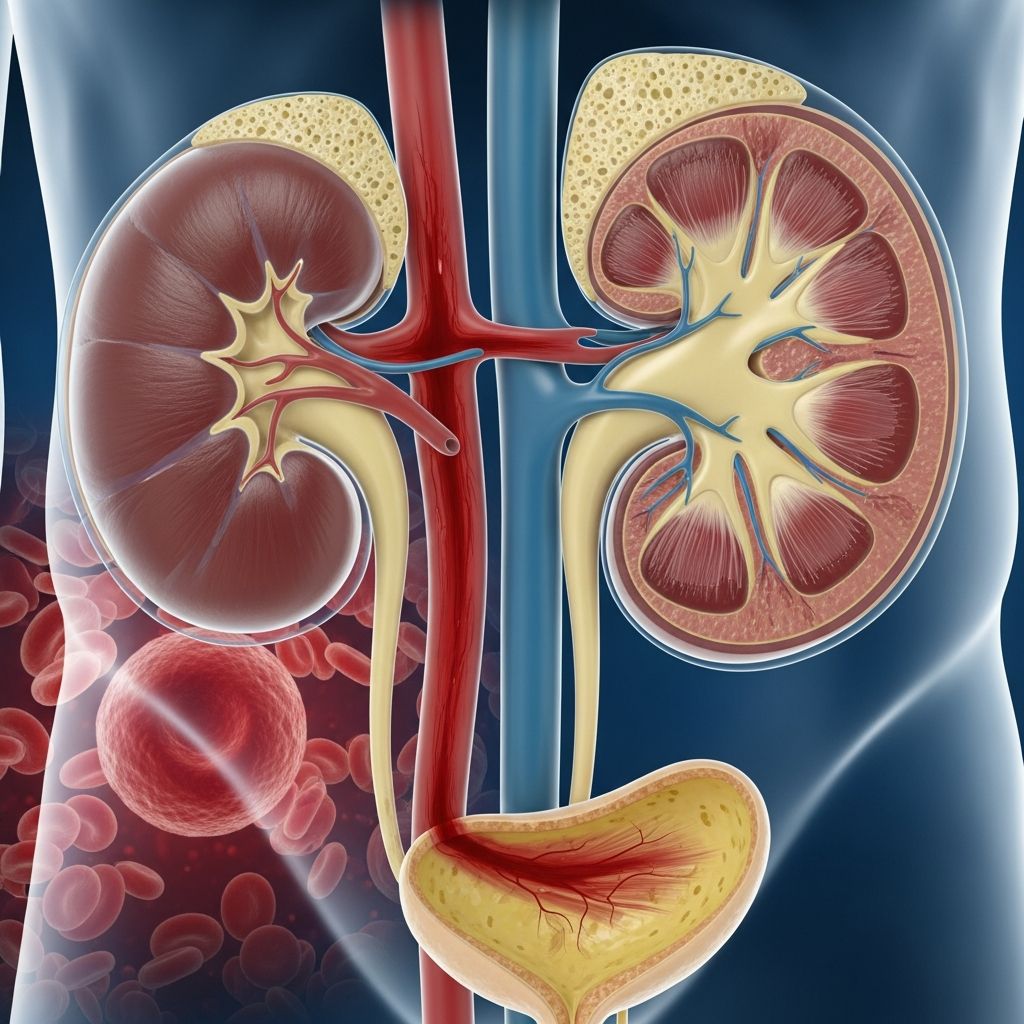
What Is Hematuria?
Hematuria is the medical term for the presence of blood in the urine. This can be visible to the naked eye (gross hematuria) or only detectable under a microscope (microscopic hematuria). Hematuria is a common symptom that can indicate a variety of underlying conditions, ranging from benign to serious.
Types of Hematuria
- Gross Hematuria: Blood is visible in the urine, often making it appear pink, red, or brown.
- Microscopic Hematuria: Blood is only detectable through laboratory tests, such as a urinalysis.
Causes of Hematuria
Hematuria can be caused by a wide range of conditions, including:
- Urinary tract infections (UTIs)
- Kidney stones
- Bladder or kidney cancer
- Enlarged prostate (in men)
- Endometriosis (in women)
- Sickle cell disease
- Chronic kidney disease
- Vigorous exercise
- Medications (such as blood thinners)
- Genetic disorders
- Trauma to the urinary tract
Diagnosis of Hematuria
A healthcare provider will review your medical history, ask about any other symptoms, and perform a physical examination. Additional tests may be recommended to confirm a diagnosis of hematuria:
- Urinalysis: A test to check for blood cells, proteins, and other substances in the urine.
- Imaging studies: Such as ultrasound, CT scan, or MRI to visualize the urinary tract.
- Cystoscopy: A procedure to examine the inside of the bladder and urethra.
- Blood tests: To check for signs of infection or kidney function.
Treatment of Hematuria
Treatment for hematuria depends on the underlying cause. A healthcare provider will use the information collected from your medical history, physical exam, and test results to determine the best treatment plan:
- Urinary Tract Infections: Antibiotics to treat the infection.
- Kidney Stones: Pain management, hydration, and sometimes surgery to remove the stones.
- Cancer: Treatment may include surveillance, surgery, radiation therapy, immunotherapy, chemotherapy, hormone therapy, or a combination of these options.
- Sickle Cell Disease: Disease-modifying agents like hydroxyurea, pain medications, antibiotics, and drugs that prevent blood cells from dying or forming into sickles.
- Chronic Kidney Disease: Medications such as diuretics, blood pressure medication, cholesterol-lowering drugs, and erythropoietin to build red blood cells if you have anemia.
- Endometriosis: Hormone-related medications, including hormonal birth control, gonadotropin-releasing hormone (GnRH) antagonists or agonists, and danazol (Danocrine®).
When to Seek Medical Attention
You should seek medical attention if you notice blood in your urine, especially if it is accompanied by other symptoms such as pain, fever, or difficulty urinating. Early diagnosis and treatment can help prevent complications and improve outcomes.
Prevention of Hematuria
While not all causes of hematuria can be prevented, some steps you can take to reduce your risk include:
- Staying well-hydrated
- Practicing good hygiene to prevent UTIs
- Avoiding excessive use of medications that can cause bleeding
- Regular check-ups and screenings, especially if you have a family history of kidney disease or cancer
Frequently Asked Questions (FAQs)
Related Stories



Q: What does blood in urine look like?
A: Blood in urine can make it appear pink, red, or brown. Sometimes, the blood is only detectable under a microscope.
Q: Is hematuria always a sign of a serious condition?
A: No, hematuria can be caused by a variety of conditions, some of which are benign. However, it is important to seek medical attention to determine the underlying cause.
Q: Can exercise cause blood in urine?
A: Yes, vigorous exercise can sometimes cause blood in urine, but this is usually temporary and resolves on its own.
Q: What tests are used to diagnose hematuria?
A: Common tests include urinalysis, imaging studies (ultrasound, CT scan, MRI), cystoscopy, and blood tests.
Q: How is hematuria treated?
A: Treatment depends on the underlying cause and may include antibiotics, pain management, surgery, or medications.
References
- Haematuria: An Imaging Guide — PMC, PubMed Central, NIH. 2014. https://pmc.ncbi.nlm.nih.gov/articles/PMC4124848/
- Hematuria: An algorithmic approach to finding the cause — Cleveland Clinic Journal of Medicine. 2002. https://www.ccjm.org/content/ccjom/69/11/870.full.pdf
- Hematuria; Its Clinical Significance — Cleveland Clinic Journal of Medicine. 1943. https://www.ccjm.org/content/ccjom/10/1/29.full.pdf
- Blood In Urine (Hematuria): Causes, Diagnosis & Treatment — Cleveland Clinic. https://my.clevelandclinic.org/health/diseases/15234-hematuria
Similar Articles








Read full bio of Sneha Tete