Blood in Urine: Complete Guide To Causes, Diagnosis & Treatment
Understand haematuria: causes, symptoms, diagnosis, and when to seek urgent medical help for blood in your urine.
Peer reviewed by Dr Caroline Wiggins, MRCGP. Last updated by Dr Rachel Hudson, MRCGP on 8 Apr 2025. Meets Patient’s editorial guidelines.
What is blood in the urine?
Passing blood in your urine, medically termed
haematuria
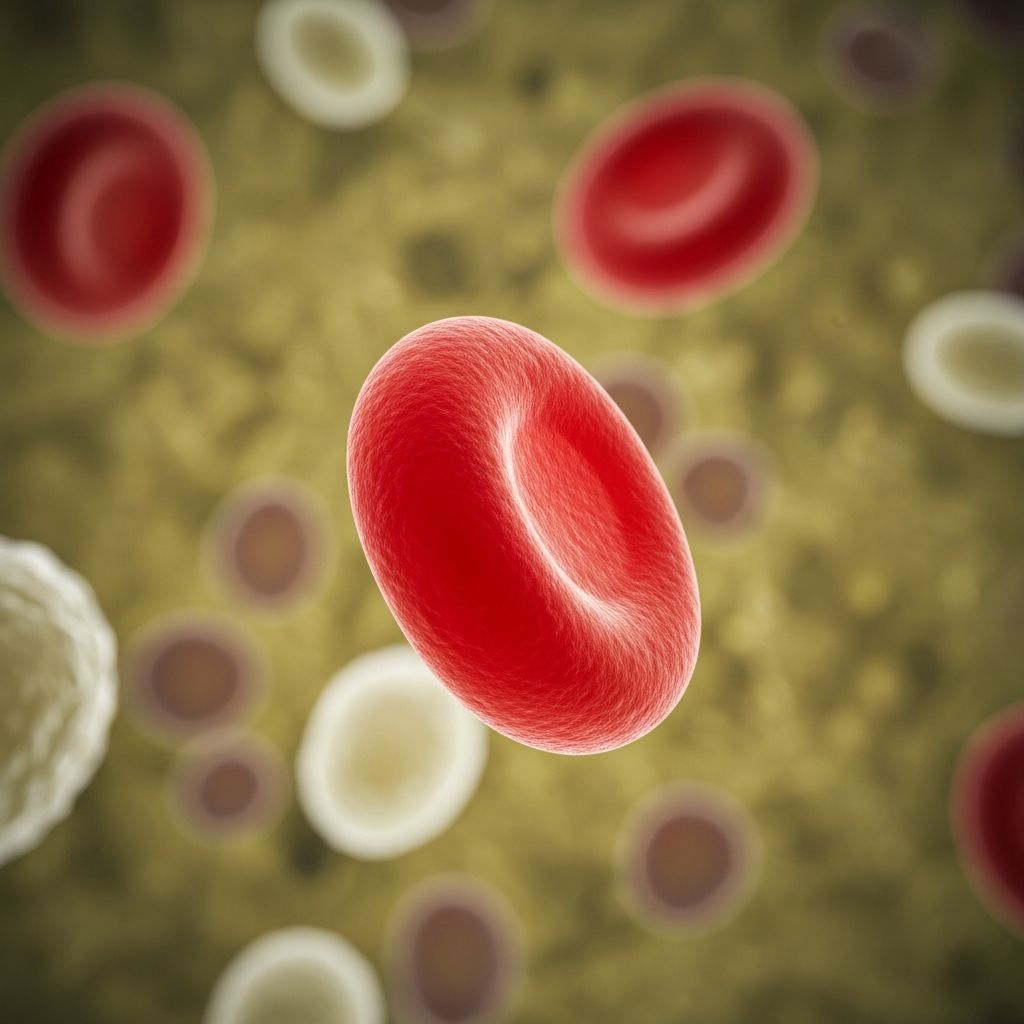
, can turn your urine pink, red, or brown, which is often alarming but not always serious. Haematuria indicates blood originating from the kidneys, bladder, or urinary tract, and may occur with or without pain. While many cases stem from benign causes like infections, it warrants medical evaluation to rule out serious conditions such as cancer or kidney disease.Visible blood is called gross haematuria, while microscopic haematuria is detected only via lab tests. Prompt assessment is crucial, as early detection improves outcomes for underlying issues.
How common is blood in urine?
Haematuria is a frequent reason for GP visits, though exact prevalence is hard to pinpoint due to varied causes. Women with urinary tract infections (UTIs) and older men with prostate issues are at higher risk. In children and young adults, glomerulonephritis is common, while adults over 50 should be screened for malignancy. Population studies show microscopic haematuria in 2-30% of asymptomatic people, but visible blood always requires investigation.
Symptoms of blood in urine
Blood in urine may present alone or with other signs. Key symptoms include:
- Urine appearing pink, red, or cola-coloured
- Pain or burning during urination (suggesting infection)
- Frequent urination or urgency
- Lower abdominal or back pain
- Fever, if infection-related
- Swelling in legs or around eyes (glomerulonephritis)
- No symptoms in microscopic cases
Any visible blood, even once, demands immediate medical attention, especially with clots, pain, or difficulty urinating.
Causes of blood in urine
Numerous conditions cause haematuria. Common ones include:
Urinary tract infection (UTI)
The leading cause, particularly in women, UTI inflames the bladder (cystitis), causing pain, frequency, and bloody urine. Men with recurrent UTIs may have prostate enlargement. Antibiotics typically resolve it.
Inflammation in the kidney (glomerulonephritis)
This immune-mediated kidney inflammation often shows microscopic blood, with symptoms like fatigue and swelling. Common in children/young adults, triggered by infections.
Kidney or bladder stones
Stones irritate the urinary tract, causing visible blood and severe pain.
Prostate problems
In men over 50, enlarged prostate or prostatitis can lead to haematuria.
Cancer
Bladder, kidney, or prostate cancer often presents with painless gross haematuria, especially in smokers or those over 50. Urine cytology detects abnormal cells.
Bleeding disorders or medications
Anticoagulants like warfarin or conditions like haemophilia impair clotting, causing bleeding.
Other causes
- Trauma or vigorous exercise
- Kidney infections or high calcium levels
- Rarely, inherited disorders
| Cause | Visible Blood? | Painful? | Common Groups |
|---|---|---|---|
| UTI | Often | Yes | Women |
| Stones | Yes | Yes | All ages |
| Cancer | Yes | No | Over 50, smokers |
| Glomerulonephritis | Microscopic | No | Children/young adults |
Diagnosing blood in urine
Diagnosis starts with history, symptoms, physical exam (e.g., rectal for prostate). Key tests include:
- Urine dipstick/culture: Detects blood, infection
- Urine cytology: Checks for cancer cells
- Blood tests: Kidney function, clotting
- Imaging: Ultrasound, CT/MRI for stones/tumours
- Cystoscopy: Camera examines bladder/urethra
Risk-stratified protocols guide urgency: high-risk (age >45, smokers) get cystoscopy promptly.
Related Stories



Blood in urine treatment
Treatment targets the cause:
- UTI: Antibiotics
- Stones: Pain relief, hydration, possible lithotripsy
- Infection/inflammation: Specific meds (e.g., steroids for glomerulonephritis)
- Cancer: Surgery, chemo, depending on stage
- Anticoagulants: Dose adjustment
If no cause found, monitor closely; report recurrences. Lifestyle advice: stay hydrated, avoid irritants.
When to see a doctor
Seek urgent care for any visible blood, especially with pain, clots, fever, or nausea. Even microscopic blood needs evaluation in at-risk groups. Do not ignore, even post-normal tests.
Prevention
Hydrate well, treat UTIs promptly, quit smoking, manage chronic conditions. Regular check-ups for high-risk individuals.
Frequently Asked Questions (FAQs)
Q: Is blood in urine always serious?
A: Not always—UTIs are common and treatable—but it always requires checking to exclude cancer or other issues.
Q: Can exercise cause blood in urine?
A: Yes, vigorous activity can cause temporary haematuria, but see a doctor if persistent.
Q: What if I’m on blood thinners?
A: Contact your doctor immediately for dose review.
Q: How is bladder cancer diagnosed?
A: Via cystoscopy and cytology after ruling out infection.
Q: Is haematuria common in children?
A: Yes, often from glomerulonephritis; evaluate promptly.
References
- UTI or Cancer: What To Know About Blood in the Urine — Memorial Sloan Kettering Cancer Center. 2023. https://www.mskcc.org/news/uti-cancer-what-know-about-blood-urine
- Blood in Urine (Haematuria): Symptoms, Causes, and Treatment — Patient.info. 2025-04-08. https://patient.info/kidney-urinary-tract/blood-in-urine
- Hematuria (Blood in Urine) – Diagnosis, Evaluation and Treatment — RadiologyInfo.org (RSNA). 2024. https://www.radiologyinfo.org/en/info/hematuria
- Gross and Microscopic Hematuria — StatPearls, NCBI Bookshelf (NIH). 2023-10-01. https://www.ncbi.nlm.nih.gov/books/NBK534213/
Similar Articles








Read full bio of Sneha Tete