Blood Pressure Guide: Essential Tips For Accurate Readings
Comprehensive guide to understanding, measuring, and managing blood pressure for lifelong heart health.
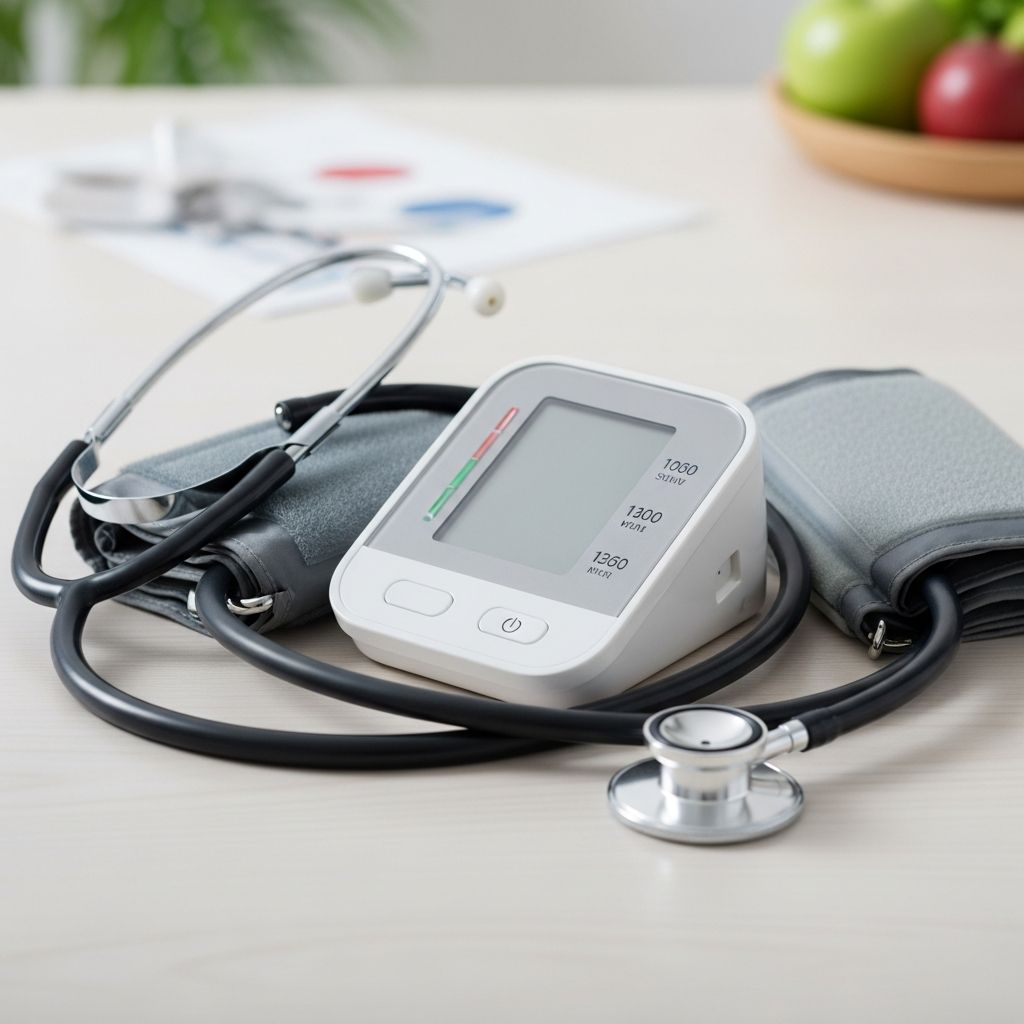
The force exerted by circulating blood against artery walls defines blood pressure, a vital sign reflecting cardiovascular health. Measured in millimeters of mercury (mmHg), it consists of systolic pressure—during heartbeats—and diastolic pressure—between beats. Maintaining optimal levels reduces risks of heart disease, stroke, and kidney issues.
Fundamentals of Blood Pressure
Blood pressure indicates how forcefully blood pushes through arteries as the heart pumps. Systolic, the higher number, captures peak pressure from heart contraction; diastolic, the lower, shows resting pressure. Factors like age, fitness, diet, stress, and genetics influence readings. Consistent monitoring helps detect deviations early.
Standard Blood Pressure Categories
Health organizations classify readings into categories guiding intervention needs. For adults, normal is under 120/80 mmHg. Elevated signals caution; stages 1 and 2 hypertension warrant action.
| Category | Systolic mmHg | Diastolic mmHg |
|---|---|---|
| Normal | <120 | and <80 |
| Elevated | 120-129 | and <80 |
| Stage 1 Hypertension | 130-139 | or 80-89 |
| Stage 2 Hypertension | ≥140 | or ≥90 |
| Hypertensive Crisis | >180 | and/or >120 |
Use the higher category if numbers span groups, e.g., 132/78 falls in Stage 1. Children have age-specific norms, rising gradually; consult pediatric charts for precision.
Accurate Measurement Techniques
Proper protocol ensures reliable results. Professionals use a cuff on bare upper arm, inflated to compress arteries, deflated while auscultating pulse via stethoscope—or automated devices. Home monitoring mirrors this: sit quietly, feet flat, arm at heart level, no caffeine or exercise prior. Record multiple readings.
- Avoid talking or moving during measurement.
- Rest 5 minutes beforehand.
- Take 2-3 readings, 1-2 minutes apart; average them.
- Measure twice daily: morning and evening.
- Use validated devices on bare skin, supported back.
Low Blood Pressure Concerns
Hypotension, below 90/60 mmHg, may cause dizziness, fainting, or fatigue. Though less common than hypertension, it risks falls, especially in elderly or dehydrated individuals. Causes include medications, heart issues, or endocrine disorders. Seek care if symptomatic.
Risks of Elevated Blood Pressure
Chronic high pressure strains arteries, heart, kidneys, eyes, and brain. Hypertension, often silent, heightens heart attack, stroke, aneurysm, and dementia risks. Stage 2 or crisis demands immediate attention.
Lifestyle Strategies for Balance
Modifiable habits significantly impact readings. The DASH diet—rich in fruits, vegetables, low-fat dairy, limiting sodium—lowers pressure effectively.
- Diet: Reduce salt to <2,300mg daily; emphasize potassium-rich foods like bananas, spinach.
- Exercise: 150 minutes moderate aerobic weekly, e.g., brisk walking.
- Weight Control: 5-10% loss yields notable drops.
- Limit Alcohol: ≤1-2 drinks daily.
- Quit Smoking: Improves vessel health promptly.
- Stress Management: Meditation, yoga aid regulation.
Track progress; combine changes for synergy.
Medical Interventions
When lifestyle insufficient, medications like ACE inhibitors, beta-blockers, or diuretics target mechanisms. Target <130/80 mmHg systolic for hypertensives. Regular provider visits tailor plans, monitoring side effects.
Blood Pressure Across Lifespan
Norms evolve: infants low (75/50 mmHg), rising through childhood to adult levels. Elderly often higher due to stiffening arteries. Pregnant individuals watch for preeclampsia. Tailor monitoring by age and condition.
Home Monitoring Best Practices
Validated monitors display systolic/diastolic/pulse. Log readings with date/time for sharing. Alerts for extremes: >180/120 mmHg requires urgent care.
- Select arm-specific cuff size.
- Avoid tight clothing interference.
- Calibrate annually.
Common Myths Debunked
Related Stories



Myth: Only overweight people get hypertension. Fact: Affects all builds; genetics play roles.
Myth: “White coat” anxiety invalidates readings. Fact: Home logs confirm patterns.
Myth: Salt solely causes high pressure. Fact: Multifactorial; processing key.
Frequently Asked Questions
What causes blood pressure fluctuations?
Daily variations normal from activity, meals, stress. Persistent highs/lows need evaluation.
Can I measure on wrist or finger?
Wrist possible if positioned at heart level, but upper arm most accurate.
Is 120/80 perfect?
Upper normal limit; below preferable for longevity.
When to seek emergency care?
Symptoms like chest pain, shortness of breath with >180/120 mmHg.
Does caffeine raise blood pressure?
Temporarily; monitor post-consumption.
Long-Term Management Plan
Integrate monitoring into routines, annual checkups, lifestyle tweaks. Programs like AMA MAP boost control rates 10% in months. Empower yourself for sustained heart health.
References
- A How-To Guide to Home Blood Pressure Monitoring — OHSU. 2023. https://www.ohsu.edu/womens-health/how-guide-home-blood-pressure-monitoring
- New BP guideline: 5 things physicians should know — American Medical Association. 2023. https://www.ama-assn.org/public-health/prevention-wellness/new-bp-guideline-5-things-physicians-should-know
- Understanding Blood Pressure Readings — American Heart Association. 2025. https://www.heart.org/en/health-topics/high-blood-pressure/understanding-blood-pressure-readings
- Blood Pressure: Types, Ranges & Readings — Cleveland Clinic. 2024. https://my.clevelandclinic.org/health/diagnostics/17649-blood-pressure
- Understanding Blood Pressure: A Guide for All Ages — Pillar Health. 2023. http://www.pillarhealthcare.org/resources/heart-health/understanding-blood-pressure-a-guide-for-all-ages/
- Your Guide to Lowering Your Blood Pressure with DASH — National Heart, Lung, and Blood Institute (NIH). 2022. https://www.nhlbi.nih.gov/files/docs/public/heart/new_dash.pdf
- Measuring Your Blood Pressure — Centers for Disease Control and Prevention. 2025. https://www.cdc.gov/high-blood-pressure/measure/index.html
Similar Articles








Read full bio of medha deb