Blood Pressure And Diabetes: 7 Lifestyle Steps To Lower Risk
Control your blood pressure to reduce diabetes complications and protect your heart health.
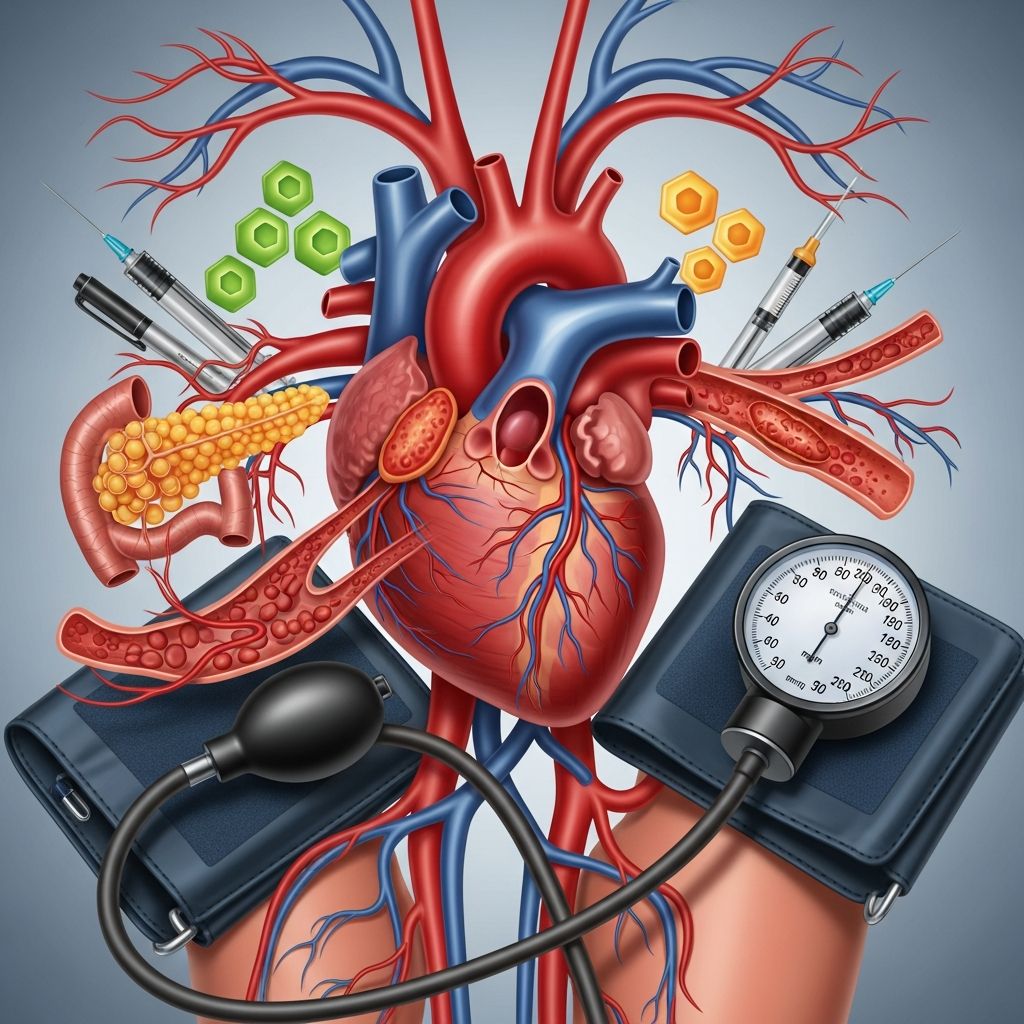
Understanding Blood Pressure and Diabetes
If you have diabetes, managing your blood pressure is one of the most important steps you can take to protect your health. High blood pressure, also known as hypertension, occurs when the force used to push blood around your body is higher than recommended levels. When combined with diabetes, elevated blood pressure significantly increases your risk of serious health complications, including heart attacks and strokes.
Many people with high blood pressure feel perfectly fine and experience no symptoms. This is why regular blood pressure checks are essential—even if you feel healthy, high blood pressure can be silently damaging your blood vessels. A blood pressure check is a simple, free test that takes just two minutes, yet it provides crucial information about your cardiovascular health.
What Do Blood Pressure Numbers Mean?
Blood pressure is recorded as two numbers, and understanding what each represents is important for managing your health effectively.
Systolic Pressure
The first number is your systolic pressure. This represents the maximum amount of pressure your heart generates when it beats to push blood around your body. This is the force created during the active pumping phase of your heartbeat.
Diastolic Pressure
The second number is your diastolic pressure. This indicates the minimum amount of pressure your heart uses when it is relaxed between beats. It reflects the pressure in your blood vessels when your heart is at rest.
For example, if your blood pressure reading is 130/80 mmHg, your systolic pressure is 130 mmHg and your diastolic pressure is 80 mmHg. Both numbers are important, and keeping both within your target range is essential for optimal health.
Recommended Blood Pressure Targets for People with Diabetes
The blood pressure target you should aim for depends on your individual circumstances, age, and whether you have other health conditions. It is crucial to discuss your specific target with your healthcare team, as they can assess your individual risk factors and recommend the most appropriate goal for you.
General Target for Adults with Diabetes
The standard blood pressure target for most people with diabetes is below 140/90 mmHg. This target applies to the majority of adults with diabetes and represents a balance between cardiovascular protection and avoiding potential adverse effects from overly aggressive blood pressure lowering.
Target for Older Adults
If you are aged 80 years or above, the recommended target is below 150/90 mmHg. This slightly higher target recognizes that very aggressive blood pressure lowering in elderly populations may not provide additional benefit and could potentially cause harm.
Target for People with Kidney Disease
If you have kidney disease, your target may be more stringent at below 130/80 mmHg. This lower target helps protect your kidneys from further damage and reduces the risk of progressive kidney disease.
Specialized Targets by Diabetes Type
Blood pressure targets may also vary based on your type of diabetes and specific health conditions:
Related Stories



- Type 1 Diabetes: Target is below 135/85 mmHg, or 130/80 mmHg if you have diabetic nephropathy or two signs of metabolic syndrome
- Type 2 Diabetes: Target is below 140/80 mmHg
Your healthcare team will agree on a target level that is safe and appropriate for your individual situation. It is important that you do everything you can to keep your blood pressure within your agreed target range.
Why High Blood Pressure is Dangerous for People with Diabetes
High blood pressure puts strain on your blood vessels and can cause significant damage over time. When you have diabetes, this risk is even greater because of the effects of elevated blood sugar on your cardiovascular system.
How High Blood Glucose Affects Blood Vessels
When there is too much glucose (sugar) in your blood, something concerning happens at the cellular level. Your blood cells become sticky and begin to adhere to the inside walls of your blood vessels. As more cells accumulate and build up on the vessel walls, they form clumps and blockages. This process, called atherosclerosis, narrows your blood vessels and makes it increasingly difficult for blood to flow freely through them.
When your blood vessels become narrower, the pressure inside them must increase for blood to continue flowing. This means your heart has to work much harder to pump blood around your body. The combination of high blood pressure and diabetes accelerates this damaging process.
Serious Health Complications
Having high blood pressure when you have diabetes significantly increases your risk of:
- Heart attacks: Blocked or narrowed blood vessels in the heart can prevent adequate blood flow, causing tissue damage
- Strokes: Reduced blood flow to the brain or blood clots can cause strokes
- Kidney disease: High blood pressure damages the delicate blood vessels in your kidneys, reducing their ability to filter waste
- Eye problems: Damage to blood vessels in the retina can lead to diabetic retinopathy and vision loss
- Foot complications: Poor circulation due to damaged blood vessels increases the risk of ulcers and infections
- Heart failure: Your heart becomes weakened from working harder against high pressure
- Microvascular complications: Damage to small blood vessels throughout your body
The longer your blood pressure remains elevated, the more at risk you are of developing these serious complications. This is why maintaining your target blood pressure is so critical.
Causes and Risk Factors of High Blood Pressure
For most people, there is no single identifiable cause of high blood pressure. Rather, multiple risk factors work together to increase blood pressure over time. Having diabetes is itself a significant risk factor for developing hypertension.
How Diabetes Increases Blood Pressure Risk
The elevated blood glucose levels characteristic of diabetes contribute directly to high blood pressure through several mechanisms. High blood sugar promotes the development of atherosclerosis, where fatty material accumulates inside blood vessels, narrowing them and increasing pressure. Additionally, diabetes can affect your kidneys’ ability to regulate sodium and fluid balance, leading to increased blood volume and pressure.
Other Contributing Risk Factors
Other factors that may increase your risk of developing high blood pressure include:
- Obesity or being overweight
- Physical inactivity and sedentary lifestyle
- High salt intake in your diet
- Excessive alcohol consumption
- Chronic stress
- Family history of hypertension
- Age and hormonal changes
- Sleep disorders such as sleep apnea
Lifestyle Changes to Lower Your Blood Pressure
There is much you can do yourself to help manage your blood pressure because your lifestyle has a direct impact on your blood pressure levels. Making positive changes can be highly effective in lowering blood pressure and reducing your need for medications.
Physical Activity and Exercise
Regular physical activity is one of the most powerful tools for lowering blood pressure. Aim for at least 150 minutes of moderate-intensity aerobic exercise per week, such as brisk walking, cycling, or swimming. Exercise helps your heart become more efficient at pumping blood and reduces the stiffness of blood vessels. Even small amounts of daily movement are beneficial.
Healthy Diet
Eating a healthy, balanced diet is essential for blood pressure control. Focus on:
- Reducing salt intake—aim for less than 6 grams per day
- Eating plenty of fruits and vegetables, which are rich in potassium and minerals that help regulate blood pressure
- Choosing whole grains over refined carbohydrates
- Limiting saturated fats and choosing lean proteins
- Reducing processed foods, which are often high in sodium
- Limiting sugar-sweetened beverages
Weight Management
If you are overweight, losing even 5-10% of your body weight can significantly lower your blood pressure. Achieving and maintaining a healthy weight reduces the strain on your heart and blood vessels.
Stress Management
Chronic stress can contribute to high blood pressure. Finding effective ways to manage stress is important for your overall health. Consider practices such as:
- Meditation and mindfulness
- Deep breathing exercises
- Yoga or tai chi
- Spending time in nature
- Pursuing hobbies and activities you enjoy
- Social connections and support from friends and family
Limiting Alcohol
Excessive alcohol consumption can raise blood pressure. If you drink alcohol, limit your intake to moderate levels—no more than 14 units per week for both men and women, spread over several days.
Improving Sleep
Poor sleep or insufficient sleep can contribute to high blood pressure. Aim for 7-9 hours of quality sleep per night. If you suspect you have sleep apnea, discuss this with your healthcare provider, as treatment can significantly improve blood pressure control.
Smoking Cessation
If you smoke, quitting is one of the most important things you can do for your health. Smoking damages blood vessels and significantly increases your risk of heart disease and stroke. Your healthcare team can provide support and resources to help you quit.
Blood Pressure Medication
Many people with diabetes and high blood pressure also need to take medication to control their blood pressure and reduce the risk of complications. There are several classes of blood pressure medications available, and your healthcare team will recommend the most appropriate option based on your individual situation, other health conditions, and how well you respond to treatment.
It is important to take your blood pressure medication exactly as prescribed, even if you feel well. Stopping medication without discussing it with your doctor can allow your blood pressure to rise again and increase your risk of complications. If you experience side effects or have concerns about your medication, always talk to your healthcare team rather than stopping treatment on your own.
Monitoring Your Blood Pressure
Regular monitoring of your blood pressure is essential for managing your health effectively. You should have your blood pressure checked regularly by your healthcare team. Many people also find it helpful to monitor their blood pressure at home using a blood pressure monitor, which allows you to track how well your treatment is working.
If you are monitoring at home, keep a record of your readings and share this information with your healthcare team at your appointments. This helps your doctor assess how well your current treatment plan is working and make any necessary adjustments.
Working with Your Healthcare Team
Your healthcare team plays a crucial role in helping you manage your blood pressure. They can assess your individual risk factors, set an appropriate target blood pressure for you, recommend lifestyle changes, prescribe medications if needed, and monitor your progress over time. Regular check-ups and open communication with your healthcare team are essential components of effective blood pressure management.
Frequently Asked Questions
Q: Why is blood pressure control so important when you have diabetes?
A: High blood pressure damages blood vessels and significantly increases your risk of heart attacks, strokes, kidney disease, and other serious complications. When combined with diabetes, the risk is even greater, making blood pressure control a critical part of preventing these life-threatening conditions.
Q: What is the difference between systolic and diastolic blood pressure?
A: Systolic pressure (the first number) is the maximum pressure when your heart beats and pushes blood out. Diastolic pressure (the second number) is the minimum pressure when your heart is relaxed between beats. Both numbers are important for your overall cardiovascular health.
Q: What is my target blood pressure if I have diabetes?
A: For most adults with diabetes, the target is below 140/90 mmHg. If you are 80 years or older, the target is usually below 150/90 mmHg. If you have kidney disease, the target may be below 130/80 mmHg. Always discuss your individual target with your healthcare team.
Q: Can I lower my blood pressure without taking medication?
A: Lifestyle changes such as regular exercise, eating a healthy diet, reducing salt intake, managing weight, reducing stress, limiting alcohol, and quitting smoking can significantly lower blood pressure. However, many people also need medication alongside these lifestyle changes to achieve their target blood pressure.
Q: How often should I have my blood pressure checked?
A: Your healthcare team will recommend how frequently you should have your blood pressure checked based on your individual situation. Most people with diabetes should have regular blood pressure checks at least annually, and more frequently if their blood pressure is elevated or if they have other risk factors.
Q: What should I do if my blood pressure is higher than my target?
A: Contact your healthcare team to discuss your elevated readings. They may recommend intensifying lifestyle changes, adjusting your medication, or investigating for any underlying causes. Never adjust your medications on your own without consulting your doctor.
Q: Can I feel if my blood pressure is high?
A: Most people with high blood pressure feel completely fine and experience no symptoms. This is why regular blood pressure monitoring is so important—you cannot rely on how you feel to know if your blood pressure is elevated.
References
- Blood Pressure Target in Type 2 Diabetes Mellitus — National Center for Biotechnology Information (NCBI)/National Institutes of Health (NIH). 2022. https://www.ncbi.nlm.nih.gov/pmc/articles/PMC9532171/
- Diabetes and blood pressure — Diabetes UK. 2024. https://www.diabetes.org.uk/about-diabetes/looking-after-diabetes/blood-pressure
- High Blood Pressure (Hypertension) and Diabetes — Diabetes UK. 2024. https://www.diabetes.co.uk/diabetes-complications/high-blood-pressure.html
- Diabetes and Hypertension: A Position Statement by the American Diabetes Association — American Diabetes Association. 2017. https://diabetesjournals.org/care/article/40/9/1273/36772/
- Newly diagnosed with type 2 diabetes education pack — Diabetes UK. 2023. https://www.diabetes.org.uk/sites/default/files/2023-11/Newly%20diagnosed%20with%20type%202%20diabetes%20education%20pack%20(PDF,%207.85MB).pdf
Similar Articles








Read full bio of Sneha Tete