Pomegranate Juice For Blood Pressure: Evidence, Dose, Risks
Discover how drinking pomegranate juice regularly may help lower blood pressure and support heart health based on scientific evidence.
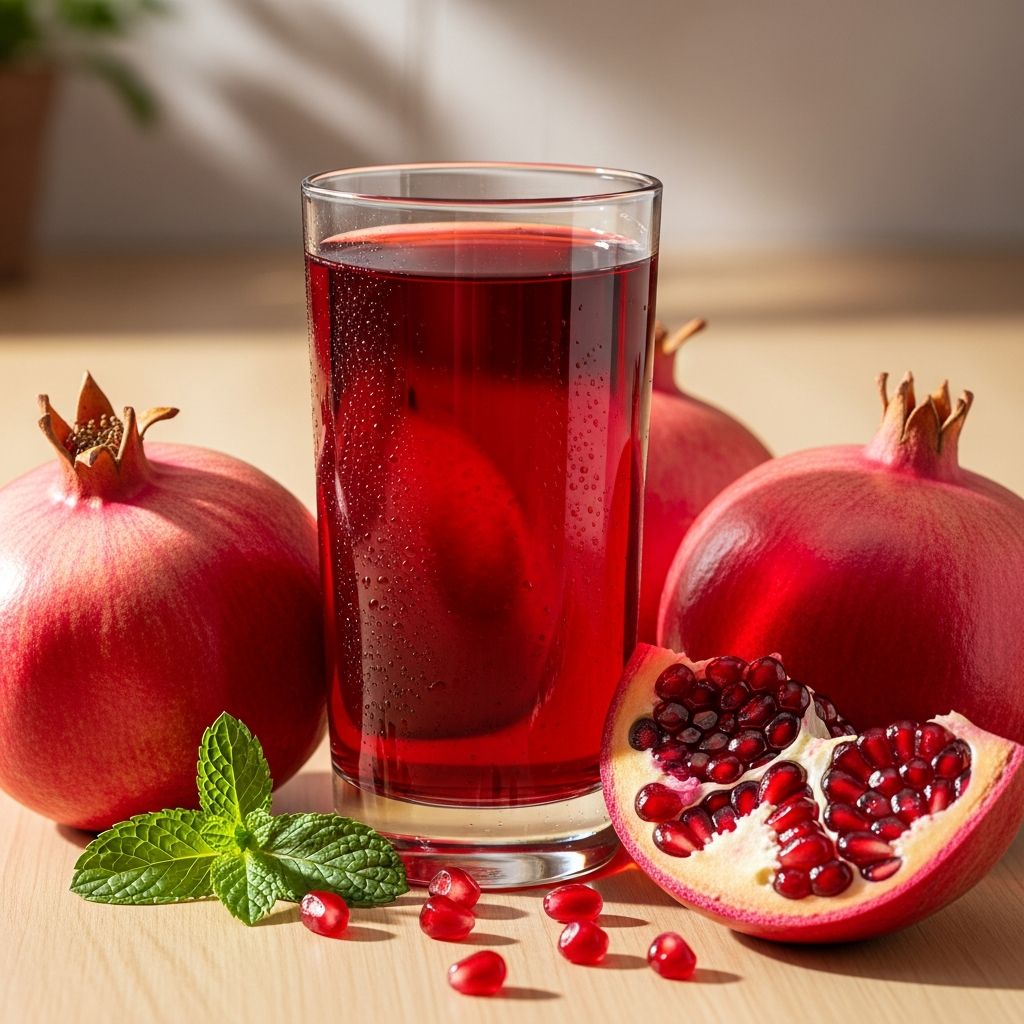
Drinking pomegranate juice regularly may help lower blood pressure, according to several clinical studies showing reductions in both systolic and diastolic readings.
What Is Pomegranate Juice?
Pomegranate juice comes from the fruit Punica granatum L., a polyphenol-rich berry native to regions like Iran, India, the Mediterranean, Middle East, South Asia, and parts of the U.S. such as Arizona and California. The juice is extracted from the ruby-red arils (the juicy seeds), which are sweet-tart in flavor and packed with antioxidants, dietary fiber, folate, potassium, and vitamin K. Half a cup of arils provides about 72 calories, 16 grams of carbohydrates, and 3 grams of fiber.
The fruit’s vibrant red color derives from polyphenols, plant pigments that act as potent antioxidants in the body, combating inflammation and oxidative stress. These compounds are concentrated in the juice, making it a popular choice for heart health support. Pomegranates have long been associated with abundance and fertility in cultural lore, but modern science highlights their potential medicinal value, particularly for cardiovascular benefits.
Does Pomegranate Juice Lower Blood Pressure?
Yes, multiple studies indicate that pomegranate juice can reduce blood pressure effectively in both short-term and long-term consumption. A comprehensive review of animal and clinical trials found that pomegranate juice lowers both systolic and diastolic blood pressure, accompanied by antioxidant and anti-atherosclerotic effects that enhance overall cardiovascular health.
A 2017 review of eight clinical trials, cited by the American Heart Association, confirmed that pomegranate juice reduced systolic and diastolic blood pressure across various dosages, suggesting it could be a prudent addition to a heart-healthy diet. These effects were observed consistently, regardless of the amount consumed, highlighting the juice’s reliability for blood pressure management.
How Does Pomegranate Juice Help Lower Blood Pressure?
Pomegranate juice exerts its blood pressure-lowering effects through multiple mechanisms rooted in its rich phytochemical profile. Key bioactive compounds include:
- Anthocyanins and Polyphenols: These antioxidants neutralize free radicals, reducing oxidative stress on blood vessels and preventing endothelial dysfunction, a precursor to hypertension.
- Anti-Atherogenic Properties: The juice inhibits plaque buildup in arteries, improving vascular flexibility and blood flow, which naturally lowers pressure.
- ACE Inhibition: Similar to some prescription drugs, pomegranate compounds may inhibit angiotensin-converting enzyme (ACE), relaxing blood vessels.
- Anti-Inflammatory Effects: By curbing chronic inflammation, it supports healthier artery function and reduces stiffness.
Both pomegranate juice and seed oil have demonstrated these benefits, affecting systolic and diastolic pressures. Animal studies further support these findings, showing consistent BP reductions over time.
Scientific Evidence: Key Studies on Pomegranate Juice and Blood Pressure
Research spans human clinical trials, animal models, and in vitro studies, providing robust evidence. The 2017 review in Current Pharmaceutical Design analyzed data up to 2015, concluding that pomegranate parts—juice, peels, seed oil, and fruit extract—offer antihypertensive effects via diverse pathways.
Human trials included in reviews showed statistically significant drops in BP after regular intake. For instance, participants consuming pomegranate juice daily experienced lowered readings, with benefits persisting in long-term use. A 2017 pharmacological review of eight trials reinforced this, noting dose-independent efficacy. While cholesterol-lowering results are mixed from a 2019 review of 17 trials, blood pressure benefits remain clear and consistent.
Related Stories



| Study Type | Key Findings | Source |
|---|---|---|
| Clinical Trials Review (8 trials) | Systolic and diastolic BP reduced; effect consistent across doses | Pharmacological Research, 2017 |
| Narrative Review (Human/Animal) | PJ reduces BP short- and long-term; antioxidant/anti-atherosclerotic | Curr Pharm Des, 2017 |
| Cholesterol Trials (17 trials) | No significant cholesterol effect; BP benefits affirmed | Comp Ther Med, 2019 |
How Much Pomegranate Juice Should You Drink for Blood Pressure Benefits?
Studies show benefits from as little as 50-100 mL daily, but 240-500 mL (about 8-16 oz) is common in trials yielding optimal results. Consistency matters—daily intake over 4-12 weeks typically shows measurable BP drops. Opt for 100% pure juice without added sugars to maximize polyphenols.
- Beginner Dose: 4-8 oz/day
- Therapeutic Dose: 8-16 oz/day, split into meals
- Duration: Minimum 1 month for noticeable effects
Combine with a DASH diet (rich in fruits, veggies, low-sodium) for amplified results. Nutritionists like Penny Kris-Etherton emphasize pomegranates’ fiber and antioxidants as heart-health boosters.
Other Health Benefits of Pomegranate Juice
Beyond blood pressure, pomegranate juice supports:
- Heart Health: Promotes healthy arteries by reducing inflammation and oxidative damage.
- Antioxidant Power: Fights aging and cellular damage with high polyphenol content.
- Anti-Cancer Potential: Preliminary studies suggest ellagitannins inhibit cancer cell growth.
- Improved Digestion: Fiber aids gut health; juice may ease constipation.
- Brain Health: Antioxidants may protect against neurodegenerative diseases.
It’s also rich in vitamins C and E, supporting immunity and skin health.
Potential Risks and Precautions
While generally safe, consult a doctor if:
- You take blood pressure medications—pomegranate may enhance effects, risking hypotension.
- On statins, warfarin, or other drugs—juice can slow liver metabolism, altering efficacy.
- Prone to digestive issues—excess may cause diarrhea.
- Avoid rind, peels, roots in large amounts due to potential toxicity.
Pregnant or breastfeeding individuals should check with providers. Those with allergies to berries should test small amounts.
How to Incorporate Pomegranate Juice into Your Diet
Daily Tips:
- Drink straight or mix with water/sparkling for palatability.
- Add to smoothies, oatmeal, yogurt, or salads.
- Use arils in salads, soups, or as snacks—eat seeds for fiber bonus.
- Choose heavy, firm-skinned fruits; arils last 5-7 days refrigerated.
Recipes:
- BP-Boosting Smoothie: 8 oz pomegranate juice, banana, spinach, yogurt—blend.
- Salad Topper: Arils + feta, nuts, vinaigrette.
- Mocktail: Juice + lemon + mint over ice.
Frequently Asked Questions (FAQs)
Can pomegranate juice replace blood pressure medication?
No, it may complement but not replace prescribed treatments. Always consult your doctor.
How long does it take for pomegranate juice to lower blood pressure?
Effects can appear in 2-4 weeks with daily use, per clinical reviews.
Is pomegranate juice safe for diabetics?
In moderation—it’s low-glycemic but check sugar content in commercial juices.
Does cooking reduce pomegranate’s benefits?
Some antioxidants degrade with heat; prefer raw juice or fresh arils.
Can I eat pomegranate seeds whole?
Yes, they’re edible, crunchy, and add fiber—spit if preferred, but chewing maximizes benefits.
Conclusion
Incorporating pomegranate juice regularly offers a delicious, evidence-based way to support blood pressure management and heart health, thanks to its potent antioxidants and mechanisms. Backed by peer-reviewed research, it’s a simple dietary addition with broad benefits—start small, stay consistent, and monitor with your healthcare provider for best results.
References
- Pomegranate Consumption and Blood Pressure: A Review — Sedigheh Asgary et al. 2017-02-28. https://pubmed.ncbi.nlm.nih.gov/27748197/
- Just how healthy are pomegranates? — American Heart Association. 2021-09-09. https://www.heart.org/en/news/2021/09/09/just-how-healthy-are-pomegranates
Similar Articles








Read full bio of medha deb