Blood Pressure: Types, Ranges & Readings
Understanding blood pressure readings, normal ranges, and what healthcare providers use to assess your cardiovascular health.
Understanding Blood Pressure: A Complete Guide to Types, Ranges, and Readings
Blood pressure is one of the most important vital signs your healthcare provider monitors during physical examinations and routine check-ups. It measures the force of blood pushing against your artery walls as your heart pumps blood throughout your body. Understanding your blood pressure readings is essential for maintaining cardiovascular health and identifying potential risks before serious complications develop.
What Is Blood Pressure?
Blood pressure represents the amount of pressure your blood exerts on artery walls during and between heartbeats. Your healthcare provider expresses this measurement using two numbers: the top number (systolic pressure) and the bottom number (diastolic pressure). The systolic pressure measures the force when your heart contracts and pushes blood out, while the diastolic pressure measures the force when your heart relaxes between beats. Both numbers are equally important in assessing your cardiovascular status and overall health.
Blood Pressure Ranges and Categories
Healthcare providers use standardized blood pressure categories to determine whether your readings fall within normal ranges or indicate potential health concerns. These categories help identify individuals who may be at risk for hypertension or other cardiovascular conditions.
Normal Blood Pressure
For most adults, a normal blood pressure is below 120/80 mm Hg. This is the target range that healthcare providers aim to achieve through lifestyle modifications and, when necessary, medical interventions. When both your systolic and diastolic readings fall within this range, your cardiovascular system is functioning optimally, and your risk of heart disease and stroke remains relatively low.
Elevated Blood Pressure
Elevated blood pressure occurs when your systolic reading falls between 120 and 129 mm Hg and your diastolic reading remains below 80 mm Hg. This category indicates that your blood pressure is higher than normal but does not yet meet the criteria for hypertension diagnosis. Individuals with elevated readings should focus on lifestyle modifications such as increased physical activity, dietary changes, and stress reduction to prevent progression to hypertension.
Stage 1 Hypertension
Stage 1 hypertension occurs when your systolic pressure ranges from 130 to 139 mm Hg or your diastolic pressure ranges from 80 to 89 mm Hg. At this stage, healthcare providers may recommend lifestyle changes and possibly medication, depending on your overall cardiovascular risk profile and any existing health conditions.
Stage 2 Hypertension
Stage 2 hypertension is diagnosed when your systolic pressure reaches 140 mm Hg or higher or your diastolic pressure reaches 90 mm Hg or higher. This category represents significant elevation in blood pressure and typically requires medical treatment to reduce your risk of serious cardiovascular complications.
Hypertensive Crisis
A hypertensive crisis occurs when your blood pressure reaches 180/120 mm Hg or higher. This is a medical emergency requiring immediate professional evaluation and treatment, as such elevated pressures can cause damage to your organs and tissues.
How Blood Pressure Is Measured
Your healthcare provider has two primary methods for measuring blood pressure: manual measurement using traditional equipment and automatic measurement using digital devices. Both methods are reliable when performed correctly and regularly calibrated.
Related Stories



Manual Blood Pressure Measurement
During a manual blood pressure measurement, your healthcare provider uses a stethoscope and a blood pressure cuff to determine your readings. Your provider will wrap the cuff around your upper arm at heart level and inflate it gradually. As the air deflates, your provider listens through the stethoscope for specific sounds that indicate your systolic and diastolic pressures. This traditional method has been used for decades and remains accurate when performed by trained professionals.
Automatic Blood Pressure Measurement
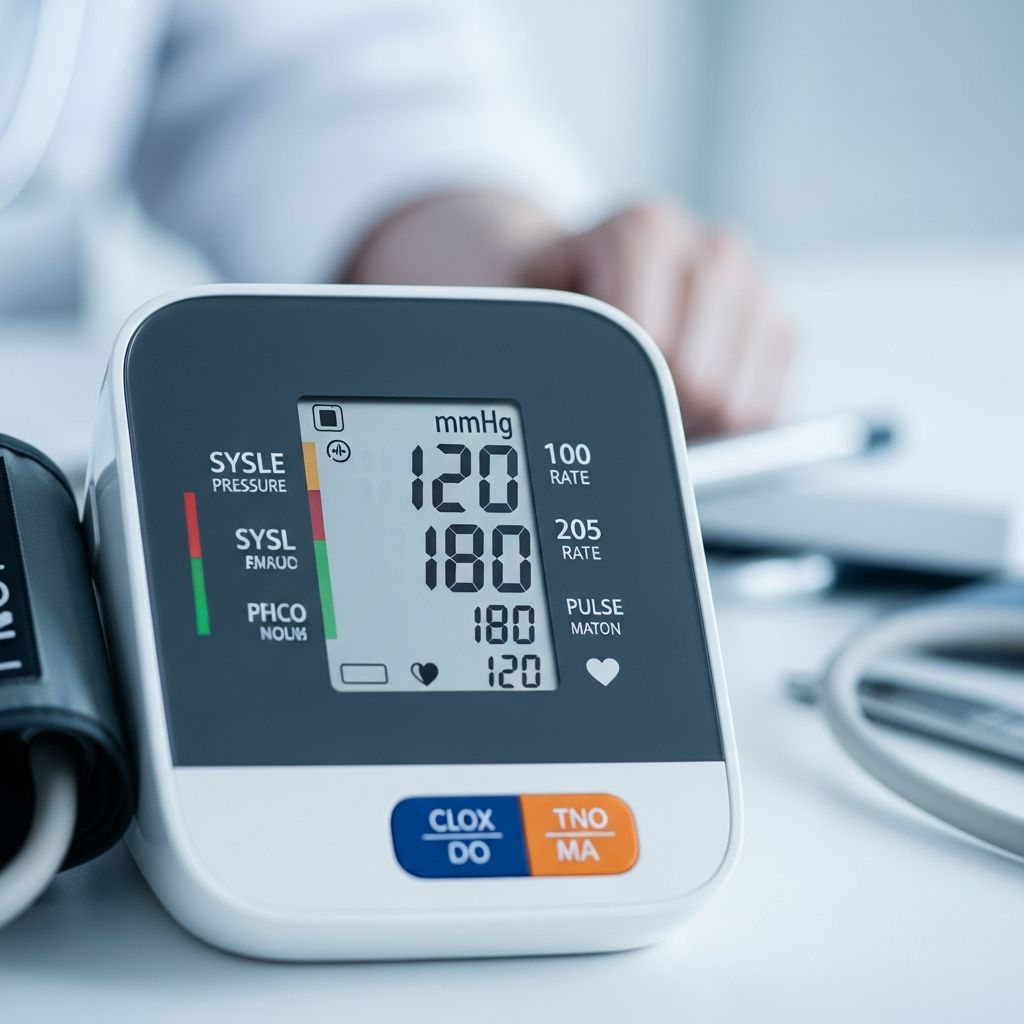
Many healthcare providers now use automatic devices to measure blood pressure, similar to those available for home use. With this method, a cuff still wraps around your arm and applies pressure, but you won’t experience a provider using a stethoscope or checking a manual gauge. Instead, the device displays your blood pressure numbers on a digital screen. Healthcare providers regularly test these automatic devices to ensure accuracy and reliability.
Preparing for Your Blood Pressure Measurement
Proper preparation can help ensure accurate blood pressure readings. Follow these guidelines before your healthcare provider measures your blood pressure:
– Rest for at least five minutes before measurement- Sit upright with your back supported- Keep your feet flat on the floor- Position your arm at heart level- Avoid crossing your legs- Empty your bladder before measurement- Avoid caffeine, exercise, and smoking for at least 30 minutes prior
24-Hour Ambulatory Blood Pressure Monitoring
In certain situations, your healthcare provider may recommend 24-hour ambulatory blood pressure monitoring (ABPM) to obtain a more comprehensive view of your blood pressure patterns throughout the day and night. During this test, you wear a portable blood pressure cuff that automatically takes readings at regular intervals over a 24-hour period. This monitoring method is particularly useful for detecting white coat syndrome, a condition where your blood pressure is elevated at your provider’s office due to nervousness but remains normal at other times. ABPM can also reveal how your blood pressure changes during different activities and while you sleep, providing valuable diagnostic information that a single office reading cannot provide.
Understanding Your Blood Pressure Results
After your healthcare provider measures your blood pressure, they will inform you of your results immediately. However, if your numbers are elevated, your provider may not diagnose hypertension based on a single reading. Instead, your provider needs two or more high readings taken on different days to confirm a hypertension diagnosis. This approach ensures accuracy and prevents unnecessary treatment based on temporary elevations caused by stress, illness, or other transient factors. Your provider will calculate an average of these multiple readings to establish a reliable baseline for your blood pressure status.
When Blood Pressure Categories Overlap
Sometimes your systolic and diastolic readings fall into different categories. For example, if your blood pressure reading is 132/78, your systolic pressure falls into the Stage 1 hypertension range while your diastolic pressure is in the normal range. In such cases, your healthcare provider will classify your blood pressure using the higher category, meaning you would be considered to have Stage 1 hypertension based on this example.
Blood Pressure Measurement Accuracy
Accurate blood pressure measurement is fundamental to proper diagnosis and treatment monitoring. Healthcare providers understand that various factors can temporarily affect your readings, including anxiety, physical activity, caffeine consumption, and even full bladder. For this reason, they take multiple readings over time rather than relying on single measurements. This practice helps distinguish between true hypertension and temporary elevations caused by specific circumstances.
Treatment Recommendations Based on Blood Pressure Readings
Once your healthcare provider has established your baseline blood pressure through multiple readings, they will discuss treatment options if your numbers are consistently elevated. If you have been diagnosed with hypertension, medication can effectively lower your blood pressure and help protect you from serious complications such as heart attack, stroke, and kidney disease. Your provider will consider your overall health status, medical history, and individual risk factors when selecting the most appropriate treatment approach.
If you have been diagnosed with low blood pressure, your provider will investigate the underlying cause and develop an appropriate treatment plan to address the specific condition responsible for your low readings.
The Importance of Regular Blood Pressure Monitoring
Healthcare providers check your blood pressure at yearly check-ups and other appointments to establish whether your readings are normal or elevated. Regular monitoring allows your provider to detect changes over time and intervene early if your blood pressure begins to increase into problematic ranges. For individuals with diagnosed hypertension, more frequent monitoring may be necessary to assess how well medication is controlling their blood pressure.
Home Blood Pressure Monitoring
Many individuals benefit from monitoring their blood pressure at home using personal blood pressure devices. Home monitoring allows you to track your readings throughout the day under various conditions and can provide your healthcare provider with valuable data between office visits. Consistent home monitoring can improve your awareness of factors that affect your blood pressure and help you track the effectiveness of any lifestyle modifications or medications prescribed by your provider.
Frequently Asked Questions About Blood Pressure
Q: What do the two numbers in a blood pressure reading mean?
A: The top number (systolic pressure) measures the force when your heart pumps blood, while the bottom number (diastolic pressure) measures the force when your heart rests between beats. Both numbers are important for assessing your cardiovascular health.
Q: How often should I have my blood pressure checked?
A: Most adults should have their blood pressure checked at least annually during routine check-ups. If you have elevated readings or diagnosed hypertension, your provider may recommend more frequent monitoring.
Q: Can one high blood pressure reading mean I have hypertension?
A: No. Hypertension diagnosis requires two or more elevated readings taken on separate visits. A single high reading can result from stress, anxiety, or other temporary factors.
Q: What is white coat syndrome?
A: White coat syndrome occurs when your blood pressure is elevated in your healthcare provider’s office due to nervousness but remains normal at other times. 24-hour ambulatory monitoring can help diagnose this condition.
Q: What lifestyle changes can help lower blood pressure?
A: Regular physical activity, reducing sodium intake, limiting alcohol, maintaining a healthy weight, managing stress, and eating a diet rich in fruits and vegetables can all help lower blood pressure.
Q: Is normal blood pressure the same for everyone?
A: While below 120/80 mm Hg is considered normal for most adults, your healthcare provider may have individualized targets based on your age, health conditions, and cardiovascular risk factors.
Q: How can I prepare for an accurate blood pressure measurement?
A: Rest for five minutes before measurement, sit with your back supported, keep your feet flat, position your arm at heart level, avoid crossing your legs, and avoid caffeine and exercise for 30 minutes beforehand.
References
- Blood Pressure: Types, Ranges & Readings — Cleveland Clinic. 2024. https://my.clevelandclinic.org/health/diagnostics/17649-blood-pressure
- How To Take Blood Pressure Measurements — Cleveland Clinic. 2024. https://my.clevelandclinic.org/health/diagnostics/25068-blood-pressure-measurement
- Hypertension (High Blood Pressure): Symptoms and Causes — Cleveland Clinic. 2024. https://my.clevelandclinic.org/health/diseases/4314-hypertension-high-blood-pressure
- 2017 ACC/AHA Guidelines on Hypertension — American College of Cardiology & American Heart Association. 2017. https://www.acc.org/latest-in-cardiology
- Resistant Hypertension: A Stepwise Approach — Cleveland Clinic Journal of Medicine. 2024. https://www.ccjm.org/
Similar Articles








Read full bio of Sneha Tete