Blood Sugar After Eating Bagel With Cream Cheese
Discover how a classic bagel and cream cheese combo impacts blood sugar levels and learn practical strategies to enjoy it healthily.
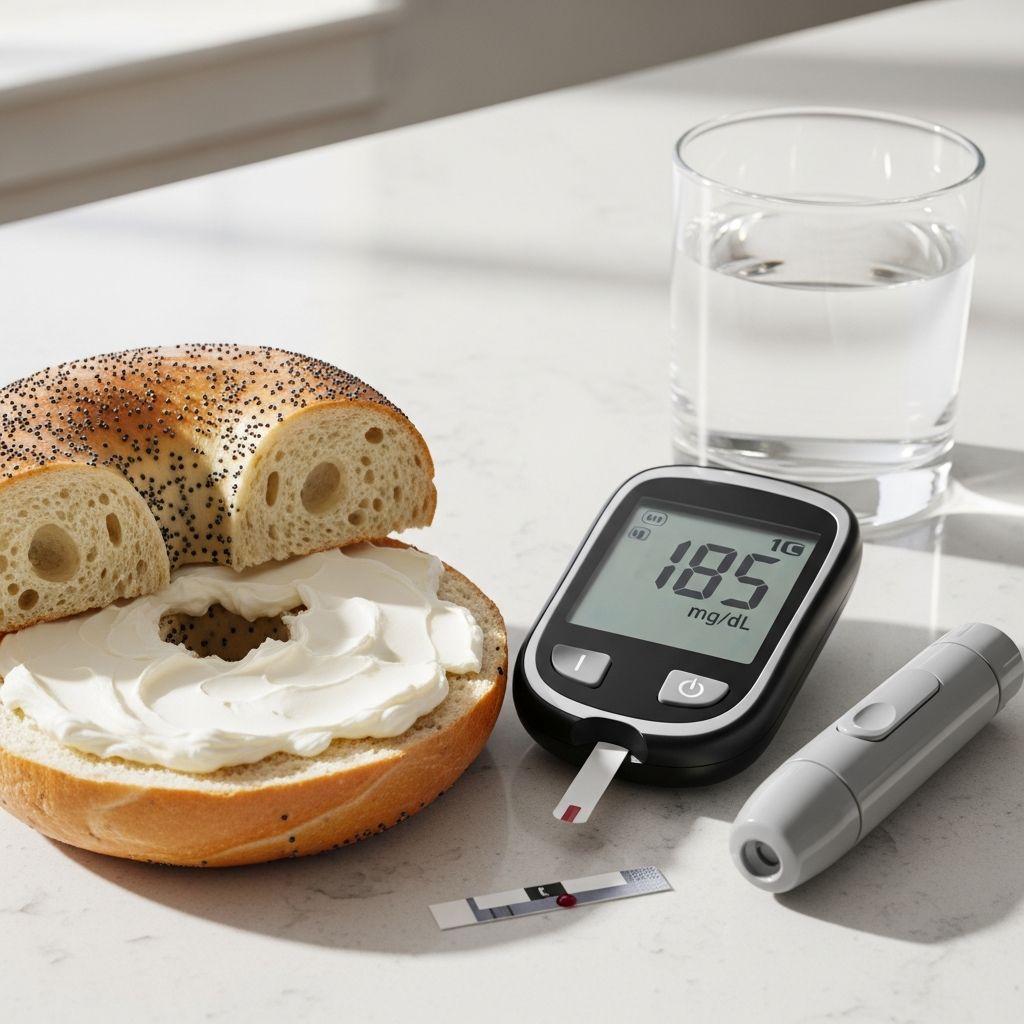
A classic bagel topped with cream cheese is a beloved breakfast staple, but its impact on blood sugar can be dramatic. This carb-heavy combo often triggers a sharp glucose spike, which may concern those managing diabetes, insulin resistance, or overall metabolic health. Registered dietitians explain the science behind this reaction and share strategies to enjoy bagels more mindfully.
What Happens to Your Blood Sugar After Eating a Bagel With Cream Cheese?
When you bite into a plain bagel slathered with cream cheese, your body experiences a rapid influx of carbohydrates. A typical medium-sized bagel (about 4 ounces) contains roughly 45-55 grams of carbs, primarily refined starches that digest quickly into glucose. This floods the bloodstream, causing blood sugar levels to surge within 30-60 minutes post-meal.
The cream cheese adds saturated fats (around 10-15 grams per ounce), which slows digestion slightly but doesn’t fully blunt the spike. Studies on glycemic responses show such meals can elevate glucose by 50-100 mg/dL or more in healthy individuals, with even higher peaks in those with impaired glucose tolerance. Continuous glucose monitors (CGMs) frequently capture this as a ‘mountain range’ spike lasting 2-3 hours before levels normalize.
Individual responses vary based on factors like portion size, activity level, and metabolic health. For context, the American Diabetes Association notes that postprandial glucose ideally stays under 180 mg/dL for diabetics, but bagels often exceed this threshold.
Why Do Bagels Cause Such a Big Blood Sugar Spike?
Bagels rank high on the glycemic index (GI) at around 70-75, classifying them as high-GI foods that provoke swift glucose release. Their dense structure packs more carbs per bite than sliced bread—equivalent to 3-4 slices in one bagel. Processing strips away fiber and bran, accelerating digestion.
- Refined Flour: White flour lacks fiber, leading to quick breakdown into sugars.
- Low Fiber Content: Most bagels have under 3 grams of fiber, insufficient to moderate absorption.
- Portion Density: A single bagel delivers carb loads comparable to an entire meal.
- Added Sugars: Some commercial varieties include honey or malt, amplifying the effect.
Cream cheese contributes calories (80-100 per ounce) from fat but minimal protein (2-3 grams), offering limited buffering against the carb rush. Pairing with fats alone isn’t optimal; protein and fiber are key for stabilization.
Nutritional Breakdown of a Typical Bagel With Cream Cheese
| Component | Calories | Carbs (g) | Protein (g) | Fat (g) | Fiber (g) |
|---|---|---|---|---|---|
| Medium Bagel (105g) | 289 | 56 | 11 | 1.5 | 2.4 |
| Cream Cheese (2 tbsp, 28g) | 99 | 1.6 | 1.7 | 10 | 0 |
| Total | 388 | 57.6 | 12.7 | 11.5 | 2.4 |
Data sourced from USDA FoodData Central. This combo provides energy but skews heavily toward carbs (59% of calories), with inadequate fiber or protein to temper glucose excursions.
Real-Life Blood Sugar Data From CGM Users
User-shared CGM readings illustrate typical responses. One individual reported a baseline of 95 mg/dL rising to 165 mg/dL within 45 minutes after a plain bagel with cream cheese, peaking at 172 mg/dL before dropping after 2.5 hours. Another with prediabetes saw a climb to 210 mg/dL, highlighting personalized variability.
Related Stories



These spikes correlate with hunger rebounds and fatigue, as insulin overshoots to correct the rise. Long-term, frequent excursions contribute to insulin resistance.
Expert Tips to Minimize Blood Sugar Spikes From Bagels
Nutrition experts recommend these evidence-based tweaks:
- Opt for Whole Grain or Sourdough: Higher fiber (5-8g) lowers effective GI by 20-30%.
- Control Portions: Halve the bagel to cut carbs by 50%.
- Add Protein and Fiber: Top with eggs, smoked salmon (15g protein), avocado, tomatoes, or spinach to stabilize glucose.
- Switch Spreads: Use Greek yogurt, nut butter, or hummus instead of cream cheese for more protein.
- Pre-Meal Walk: 10-15 minutes of movement primes muscles to uptake glucose.
- Vinegar Trick: 1 tbsp apple cider vinegar in water beforehand reduces spikes by 20-30%, per studies.
Incorporate bagels occasionally within a balanced diet emphasizing veggies, lean proteins, and healthy fats.
Healthier Bagel Alternatives and Recipes
Protein-Packed Bagel Upgrade
- 1/2 whole-grain bagel
- 2 oz smoked salmon (rich in omega-3s)
- 1 tbsp light cream cheese
- Sliced cucumber, red onion, capers
- Estimated: 350 calories, 30g carbs, 25g protein, 12g fat
Low-Carb Bagel ‘Hack’
Use almond flour bagels or ‘fathead’ dough (cheese + almond flour) for under 10g net carbs. Pair with veggies and eggs for sustained energy.
Who Should Be Most Cautious With Bagels?
- Diabetics: Risk of prolonged hyperglycemia.
- Prediabetics: Accelerates progression to type 2.
- Insulin Resistant: Exacerbates underlying issues.
- Athletes: Useful for carb-loading but time strategically.
Healthy individuals can tolerate occasional indulgence without harm.
Frequently Asked Questions (FAQs)
Does cream cheese help lower the blood sugar spike from a bagel?
The fat in cream cheese slightly delays digestion but doesn’t significantly reduce the overall glucose peak due to the bagel’s dominant carb load.
Are there bagels that don’t spike blood sugar?
Whole grain, high-fiber, or low-carb versions (e.g., made with lupin flour) produce milder responses. Check labels for >5g fiber per serving.
How long does a bagel spike last?
Typically 2-4 hours, depending on individual metabolism, portion, and pairings. CGM data shows return to baseline by 3 hours with balanced additions.
Can I eat bagels if I have diabetes?
Yes, in moderation with modifications like halving, adding protein/fiber, and monitoring glucose. Consult your healthcare provider.
What’s a better breakfast than bagel with cream cheese?
Greek yogurt parfait with berries/nuts, veggie omelet, or oatmeal with chia seeds—lower GI, more balanced macros.
Key Takeaways
- Bagels cause sharp blood sugar spikes due to high refined carbs and low fiber.
- Blunt effects with protein, fiber, smaller portions, and strategic timing.
- Monitor personal response via CGM or fingerstick for insights.
- Enjoy mindfully as part of varied diet; alternatives abound for daily use.
References
- Carbohydrate Content of Bagels and Glycemic Response — USDA FoodData Central. 2024-05-15. https://fdc.nal.usda.gov/fdc-app.html#/food-details/174284/nutrients
- Glycemic Index of Common Foods — University of Sydney Glycemic Index Database. 2023-11-20. http://www.glycemicindex.com/foodSearch.php?num=2059
- Postprandial Glucose Targets — American Diabetes Association Standards of Care. 2025-01-01. https://diabetesjournals.org/care/issue/48/Supplement_1
- Effects of Vinegar on Glycemic Response — PubMed (DOI: 10.3945/ajcn.2005.1077). 2005-09-01. https://doi.org/10.3945/ajcn.2005.1077
- Bagel Nutritional Analysis and Modifications — Ultrahuman Blog. 2024-03-12. https://blog.ultrahuman.com/blog/bagel-bliss-with-a-glucose-healthy-twist/
- CGM Insights on High-Carb Meals — Centers for Disease Control and Prevention (CDC). 2024-08-10. https://www.cdc.gov/diabetes/managing/eat-well/continuous-glucose-monitoring.html
Similar Articles








Read full bio of Sneha Tete