Blood Sugar-Friendly Fruits for Diabetes Management
Discover which fruits are safe for diabetics and how to enjoy them without blood sugar spikes.
Can Diabetic Patients Include Fruit in Their Diet?
Many people with diabetes worry about eating fruit due to concerns about sugar content and blood glucose levels. However, the good news is that fruit can absolutely fit into a healthy diabetes diet. Research has demonstrated that individuals who consume more fruit benefit from a lower risk of death from cardiovascular disease and other causes. The key to successfully incorporating fruit into a diabetic diet is understanding how different fruits affect your body and practicing portion control.
Whole fruits are excellent sources of vital nutrients and dietary fiber that support digestion and help maintain stable blood sugar levels. Unlike processed snacks or sugary treats, whole fruits provide a package of beneficial compounds that work together to support your health. The fiber content in fruits is particularly important because it slows the absorption of natural sugars, preventing the rapid blood glucose spikes that can be problematic for people with diabetes.
Medical professionals and nutritionists consistently recommend that people with diabetes can enjoy a variety of fruits as part of a balanced meal plan. The American Diabetes Association recognizes berries and citrus fruits as particularly beneficial options for those managing blood glucose levels. By making informed choices about which fruits to eat, how much to consume, and how to pair them with other foods, individuals with diabetes can enjoy the nutritional benefits of fruit while maintaining healthy blood sugar control.
How Fruit Affects Blood Sugar
Understanding the mechanism by which fruit affects blood glucose is essential for anyone managing diabetes. When you eat sweet, ripe fruit, your body processes it quite differently than it would process processed sugary foods like cake or candy. This difference comes down to the composition of the fruit and how its various components work together to influence blood sugar levels.
Whole fruits contain natural sugars, but they also contain significant amounts of fiber, water, vitamins, minerals, and antioxidant-rich compounds called polyphenols. The fiber in fruit is the critical factor that distinguishes it from refined sugar sources. Dietary fiber slows the absorption of sugar from the fruit into your bloodstream, which creates a gentler, more gradual rise and fall in blood glucose rather than the sharp spikes associated with concentrated sweets and sugary beverages.
Research from multiple randomized controlled trials has consistently shown that moderate intake of whole fresh and dried fruit can actually help reduce fasting blood sugar levels in people with diabetes. This counterintuitive finding surprises many patients who assume all fruit must be avoided. The protective effect appears to be related to the fiber content and bioactive compounds in fruit that improve insulin sensitivity and enhance the body’s ability to regulate blood sugar effectively.
The glycemic response to fruit consumption varies significantly depending on the type of fruit, its ripeness, preparation method, and what you eat along with it. By understanding these factors, you can make choices that support your diabetes management goals while still enjoying the flavors and nutritional benefits that fruit provides.
Related Stories



Top Blood Sugar-Friendly Fruits for Diabetic Patients
While all fruits contain important nutrients and are suitable for people with diabetes when consumed appropriately, certain fruits have been identified as particularly beneficial due to their lower impact on blood sugar levels. Research has identified specific fruits that offer the best combination of nutritional value and minimal blood glucose disruption.
Lower Glycemic Index Fruits
Fruits with lower glycemic index values have a gentler effect on blood sugar levels. The following fruits are considered excellent choices for people managing diabetes:
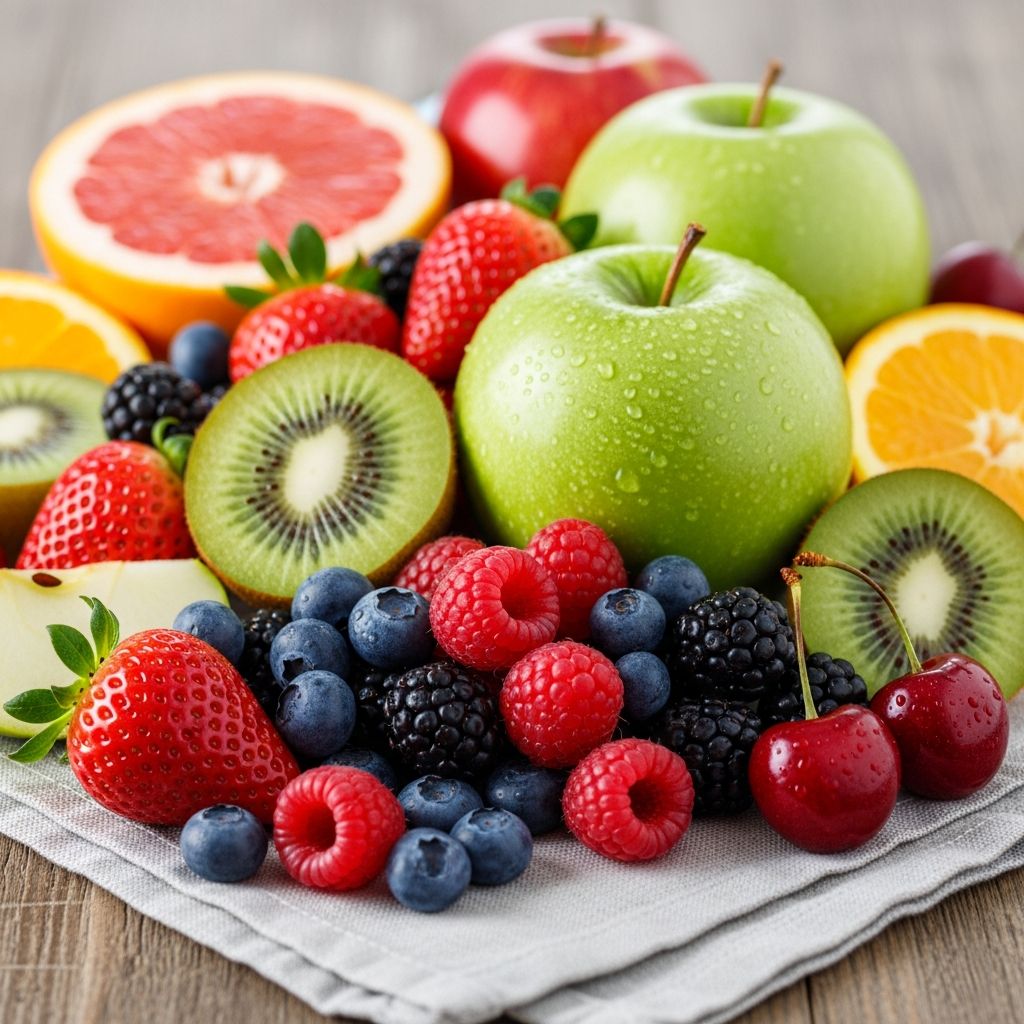
- Berries – Blueberries, raspberries, and strawberries are among the most diabetes-friendly options. These fruits are rich in anthocyanins and other antioxidants that have been shown to reduce type 2 diabetes risk by up to 23 percent when consumed regularly. Berries contain relatively high fiber content and lower sugar compared to many other fruits.
- Cherries – With a glycemic index of just 20, cherries are an excellent low-impact choice. They contain compounds that may help reduce inflammation and support cardiovascular health, which is particularly important for people with diabetes who face increased heart disease risk.
- Citrus Fruits – Oranges, grapefruits, lemons, and clementines are recommended by the American Diabetes Association. These fruits provide vitamin C, fiber, and other beneficial compounds. Grapefruits contain phytochemicals that fight heart disease, reduce inflammation, and strengthen immune function, with a glycemic index of just 26.
- Apples – With a glycemic index of 39, apples are a reliable choice for blood sugar management. They contain quercetin and other polyphenols with antioxidant properties, plus soluble fiber that slows sugar absorption.
- Pears – These fruits have a glycemic index of 30 and provide substantial amounts of fiber and beneficial plant compounds. One medium pear contains approximately 5 grams of dietary fiber, supporting healthy digestion and stable blood sugar.
- Kiwis – These tropical fruits are naturally lower in sugar and high in vitamin C and antioxidants, making them an excellent diabetes-friendly option.
Fruits to Consume with Caution
While not forbidden, certain fruits should be consumed in smaller portions or less frequently due to their higher sugar content and impact on blood glucose levels:
- Bananas – With a glycemic index of 55, bananas are moderate in their blood sugar impact. Portion size becomes particularly important with this fruit, as they contain concentrated carbohydrates.
- Grapes and Raisins – These concentrated sources of natural sugar should be portioned carefully, though they do provide beneficial compounds.
- Cantaloupe – This fruit has a higher glycemic index (around 65-70) and can cause more significant blood sugar spikes, so it should be consumed in smaller amounts if included in your diet.
Portion Sizes and Strategic Pairings Matter for Diabetic Patients
One of the most important factors in successfully managing fruit consumption with diabetes is understanding appropriate portion sizes and how to combine fruit with other foods. Portion control ensures that the carbohydrate content from fruit fits appropriately into your daily meal plan without causing problematic blood glucose elevations.
Recommended Portion Guidelines
Experts generally recommend limiting fruit intake to approximately three servings daily, spaced throughout the day rather than consumed all at once. This approach helps prevent blood sugar spikes and maintains more stable glucose levels throughout your day. Understanding what constitutes one serving is essential for proper portion control.
| Fruit Type | One Standard Serving | Approximate Carbohydrates |
|---|---|---|
| Medium apple, orange, or pear | 1 whole fruit | 15-17 grams |
| Berries | 1 cup | 11-13 grams |
| Banana or mango | ½ cup (sliced) | 15 grams |
| Melon | 1 cup (cubed) | 12-14 grams |
| Grapes | ½ cup or 15-17 grapes | 15 grams |
Strategic Food Pairings to Stabilize Blood Sugar
How you combine fruit with other foods significantly influences your blood glucose response. Pairing fruit with foods containing fat, fiber, or protein slows digestion and helps stabilize blood glucose, reducing the risk of sudden blood sugar spikes. This strategic approach to meal composition is one of the most effective techniques for enjoying fruit while maintaining good diabetes control.
- Fruit + Protein – Combine an apple with peanut butter or almond butter, enjoy berries with Greek yogurt, or pair citrus fruit with a handful of nuts. The protein content slows sugar absorption and increases satiety.
- Fruit + Healthy Fats – Eat an orange with a small piece of cheese, combine grapes with a small handful of almonds or walnuts, or enjoy berries with a modest amount of coconut oil. Healthy fats significantly slow digestion.
- Fruit + Fiber – Consume fruit as part of a meal that includes whole grains, legumes, or vegetables. This combination creates a lower overall glycemic response.
- Fruit + Balanced Meal – Include fruit as a component of a balanced meal containing lean protein, healthy fats, and complex carbohydrates rather than eating it as an isolated snack.
These strategic pairings not only help manage blood sugar but also create more satisfying snacks and meals that help prevent overeating and support healthy weight management, which is particularly important for people with type 2 diabetes.
Avoiding Problematic Fruit Products
While whole fruits are beneficial for people with diabetes, certain fruit products should be avoided or minimized due to their effects on blood glucose. Understanding the difference between whole fruits and processed fruit products is crucial for successful diabetes management.
Why Fruit Juice Is Problematic
Fruit juices, even those without added sugar, represent a significant problem for diabetes management. When fruit is processed into juice, the fiber is removed or significantly reduced, and the natural sugars become concentrated. This results in a liquid product that causes rapid spikes in blood glucose similar to those caused by soft drinks or other sugary beverages. Unlike whole fruit, juice lacks the fiber that slows sugar absorption, and the liquid format allows for rapid glucose absorption into the bloodstream. Research consistently shows that fruit juice consumption is associated with a higher risk of type 2 diabetes development.
Other Processed Fruit Products to Limit
Canned fruits packed in heavy syrup, fruit-based desserts, dried fruits consumed in large quantities, and fruit smoothies made with added sugars should all be minimized in a diabetes diet. When choosing canned fruits, select those labeled as packed in their own juice or light syrup rather than heavy syrup, and rinse them to remove additional syrup before consuming.
Monitoring Your Individual Response
While general guidelines provide helpful direction, individual responses to specific fruits can vary significantly. One person’s blood glucose might rise sharply after eating a particular fruit while another person’s glucose remains stable. This variation makes personal monitoring an invaluable tool for optimizing your individual diabetes management plan.
Using a glucose meter to test your blood sugar before and approximately two hours after consuming different fruits helps you understand your personal response patterns. This real-world data is often more useful than general guidelines or glycemic index charts because it accounts for your unique metabolism, overall meal composition, activity level, and individual insulin sensitivity. By taking time to monitor how different fruits affect your blood glucose, you can identify your personal diabetes-friendly favorites and adjust portions or pairings as needed.
Frequently Asked Questions About Fruits and Diabetes
Q: Are all fruits equally suitable for people with diabetes?
No, different fruits have different effects on blood sugar levels. Berries, cherries, citrus fruits, apples, and pears tend to have gentler effects on blood glucose, while fruits like bananas, grapes, and cantaloupe have more significant impacts. Portion size and food pairings also matter considerably.
Q: Can I eat dried fruit if I have diabetes?
Dried fruits contain concentrated sugars and should be consumed in very limited quantities. If you choose to eat dried fruit, keep portions to about 2 tablespoons and pair them with protein or fat to slow absorption.
Q: How many servings of fruit should I eat daily with diabetes?
Most experts recommend approximately three servings daily, spaced throughout the day. However, your individual needs may vary based on your specific diabetes management plan, medications, and blood glucose response patterns.
Q: Does the ripeness of fruit matter for blood sugar impact?
Yes, very ripe fruit typically contains more concentrated sugars and may have a greater impact on blood glucose. Slightly less ripe fruit with more fiber intact generally produces a gentler blood sugar response.
Q: Should I avoid fruit entirely if my blood sugar is difficult to control?
No, but you may need to focus on lower glycemic index fruits in smaller portions and always pair them with protein or healthy fats. Work with your healthcare provider or registered dietitian to determine the appropriate fruit strategy for your specific situation.
Q: Is fresh fruit better than frozen fruit for diabetes?
Both fresh and frozen fruits without added sugar are suitable choices. Frozen fruit is processed at peak ripeness and retains nutrients well. Simply avoid frozen fruits packaged with sugar or syrup added.
Key Takeaways for Fruit Consumption with Diabetes
- Whole fruits contain beneficial fiber, vitamins, minerals, and antioxidants that support health and help regulate blood sugar levels.
- Berries, citrus fruits, apples, pears, and cherries are particularly good choices due to their lower glycemic index values.
- Portion control is essential—aim for approximately three servings daily, spaced throughout the day.
- Pairing fruit with protein, healthy fats, or fiber slows sugar absorption and prevents blood glucose spikes.
- Avoid fruit juices and processed fruit products that lack fiber and cause rapid blood sugar elevations.
- Monitor your individual blood glucose response to different fruits to optimize your personal diabetes management strategy.
- Work with your healthcare provider or registered dietitian to develop a fruit consumption plan suited to your specific needs and diabetes management goals.
References
- Fruit consumption and risk of type 2 diabetes — National Center for Biotechnology Information (NCBI), PubMed Central. 2013. https://www.ncbi.nlm.nih.gov/pmc/articles/PMC3978819/
- Best Fruits for Diabetes: Glycemic Index, List of Healthy Fruits — WebMD. https://www.webmd.com/diabetes/fruit-diabetes
- Top blood sugar-friendly fruits every diabetic should know — Economic Times. 2024. https://economictimes.com/news/international/us/top-blood-sugar-friendly-fruits-every-diabetic-should-know-portion-sizes-pairings-and-how-it-affects-the-body/articleshow/124844974.cms
- Harvard nutritionist shares how to eat whole fruit with diabetes without losing nutrition — Times of India. 2024. https://timesofindia.indiatimes.com/life-style/health-fitness/health-news/harvard-nutritionist-shares-how-to-eat-whole-fruit-with-diabetes-without-losing-nutrition/photostory/123479929.cms
- Systematic review and meta-analysis on fruit consumption and cardiovascular outcomes — Nutrition Reviews, as cited by Harvard Health Publishing. https://www.health.harvard.edu/
- Meta-analysis of randomized controlled trials on fruit intake and fasting blood sugar — Frontiers in Endocrinology, as cited by Harvard Health Publishing. https://www.health.harvard.edu/
- American Diabetes Association Nutrition Recommendations — American Diabetes Association. https://www.diabetes.org/
Similar Articles








Read full bio of medha deb