Blood Sugar and HbA1c Tests: Understanding Diabetes Diagnosis
Complete guide to blood glucose and HbA1c tests for diabetes screening and management.
Blood Sugar and HbA1c Tests: Understanding Diabetes Screening and Management
Diabetes affects millions of people worldwide, and early detection is crucial for effective management. Blood glucose testing and HbA1c measurements are fundamental diagnostic tools that help healthcare professionals identify diabetes, prediabetes, and monitor ongoing disease management. These tests measure different aspects of blood sugar control and provide essential information for both diagnosis and treatment planning.
What Are Blood Glucose Tests?
Blood glucose tests measure the amount of sugar (glucose) in your blood. Glucose comes from carbohydrate foods and is essential for providing energy to your body’s cells. However, when blood glucose levels remain consistently elevated, it indicates a problem with how your body processes sugar, which is the hallmark of diabetes.
Blood glucose testing can be performed through different methods, including finger prick tests using a blood glucose meter or blood draws from a vein. Healthcare providers use these tests to screen for Type 2 diabetes, which is one of the most common metabolic disorders affecting the population.
Understanding the A1C Test
The A1C test (hemoglobin A1C, HbA1C, glycated hemoglobin, or glycosylated hemoglobin test) is a blood test that provides your average blood glucose levels over the last 3 months. Unlike daily blood glucose monitoring, the A1C test measures glucose that has attached to hemoglobin in your red blood cells, giving healthcare providers a comprehensive picture of long-term blood sugar control.
One significant advantage of the A1C test is that you can eat and drink before this test, making it more convenient than fasting glucose tests. The A1C test can diagnose prediabetes and diabetes and is commonly used to monitor how well patients are managing their blood glucose levels over time.
Fasting Plasma Glucose Test
The fasting plasma glucose test is another primary diagnostic tool for diabetes. Before the test, you will need to fast for at least 8 hours. A healthcare professional will take a blood sample to measure your glucose level after this fasting period.
This test is straightforward and provides a snapshot of your blood glucose level at a specific moment. It helps identify if your body is properly regulating blood sugar when no food has been consumed for an extended period, which is an important indicator of glucose metabolism.
The Oral Glucose Tolerance Test (OGTT)
The OGTT is a two-hour test that checks your blood glucose levels before and two hours after you drink a special sweet drink. This test reveals how your body processes sugar and handles a glucose load, making it particularly useful for diagnosing gestational diabetes and confirming prediabetes or Type 2 diabetes diagnoses.
During an OGTT, you must fast before the test begins. A blood sample is taken after the fasting period, followed by consumption of the sugary liquid. Additional blood samples are collected, usually about every hour for 2 to 3 hours afterward. If you are pregnant, your blood will be drawn every hour for 2 to 3 hours. If your blood glucose levels are high two or more times during the OGTT, you may have gestational diabetes.
Related Stories



Random Plasma Glucose Test
The random plasma glucose test measures blood glucose at any time of day, without requiring fasting. This test can help identify individuals with significantly elevated blood glucose levels and is useful as a screening tool when other tests are inconclusive.
Test Results for Diagnosis
Understanding test results is essential for recognizing whether you have normal glucose metabolism, prediabetes, or diabetes. The following table shows diagnostic ranges across different tests:
| Diagnosis | A1C | Fasting Plasma Glucose | Oral Glucose Tolerance Test |
|---|---|---|---|
| Normal | Below 5.7% | 99 mg/dL or below | 139 mg/dL or below |
| Prediabetes | 5.7% to 6.4% | 100 to 125 mg/dL | 140 to 199 mg/dL |
| Diabetes | 6.5% or higher | 126 mg/dL or higher | 200 mg/dL or higher |
Diabetes is diagnosed at two-hour blood glucose of greater than or equal to 200 mg/dl.
Why Test Blood Sugar?
Blood sugar testing provides multiple benefits for diabetes management:
- Track the effect of diabetes medicine on blood sugar levels. Regular testing helps determine if current medications are effectively controlling glucose.
- Adjust doses of diabetes medicines with the guidance of your treatment team. Blood glucose patterns inform medication adjustments.
- Find out if blood sugar levels are high or low. Testing enables prompt intervention when glucose levels are outside target ranges.
- Track progress in reaching your treatment goals. Ongoing monitoring demonstrates whether treatment strategies are successful.
- Learn how diet and exercise affect blood sugar levels. Personal testing data reveals lifestyle factors that influence glucose control.
- Understand how other factors, such as sickness or stress, affect blood sugar levels. Comprehensive testing helps identify triggers for glucose fluctuations.
Blood Sugar Testing Frequency for Type 1 Diabetes
Individuals with Type 1 diabetes require more frequent monitoring. Your healthcare professional may suggest a CGM or blood sugar testing 4 to 10 times a day if you have type 1 diabetes. Testing schedules include:
- Before meals and snacks, and sometimes after meals
- Before, after and sometimes during exercise
- Before bed
- Sometimes, during the night
- After treating low blood sugar
- More often if you’re sick
- More often if you change your daily routine
- More often if you start a new medicine
Blood Sugar Testing for Type 2 Diabetes
If you take insulin to manage type 2 diabetes, your healthcare professional might recommend a CGM. Or you may need blood sugar testing several times a day. The exact testing frequency depends on the type and amount of insulin used. Often, testing is advised before meals and at bedtime if you take more than one shot of insulin a day. You may need to test only before breakfast and sometimes before dinner or at bedtime if you use an intermediate- or a long-acting insulin.
Using a Blood Sugar Meter
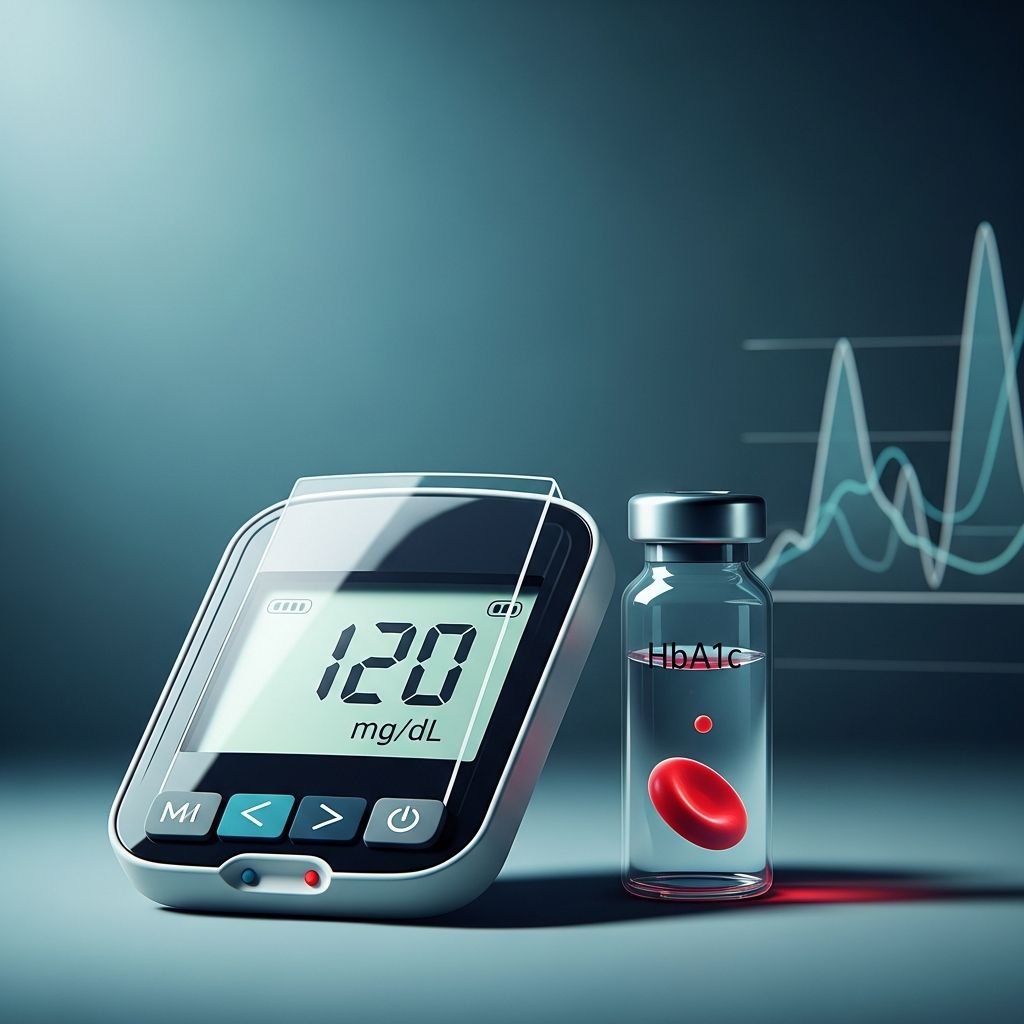
A blood sugar meter is used to test blood sugar. The meter measures the amount of sugar in a small sample of blood. Most often, the blood comes from the side of the fingertip. The blood is placed on a disposable test strip, and the meter displays your blood sugar level on a screen after a few seconds.
Some meters can test blood taken from another body part such as the forearm or palm. However, these readings may not be as accurate as readings from the fingertips, especially after a meal or during exercise. Blood sugar levels change more frequently at these times, making fingertip tests more reliable.
Continuous Glucose Monitoring Systems (CGMs)
CGMs include a wireless device worn on the body called a transmitter. The transmitter sends information from the sensor to a program that lets you view your blood sugar level. The program is viewed on a receiver, a smartphone, or an insulin pump.
Different CGM systems offer varying features. Some CGMs show your blood sugar reading at all times and often include an alarm that goes off if your blood sugar goes up or down too quickly. Other CGMs require that you check your blood sugar by running the receiver over the sensor, which you may need to do every few hours or more often.
Diagnostic Considerations
Before using the A1C test to diagnose diabetes, your doctor will consider important factors such as whether you are in your second or third trimester of pregnancy or whether you have certain types of anemia or another problem with your blood. These conditions can affect test accuracy and interpretation.
Both HbA1c and fasting blood glucose can diagnose diabetes, or tell us if someone is high risk for developing type 2 diabetes in the future. In some cases, such as when initial results are borderline, your provider will likely order an A1c test before making a formal diabetes diagnosis.
A1C Testing Recommendations
Most people with diabetes have an A1C test at least twice a year to check how well they are managing their blood glucose levels. At least two A1C tests are recommended every year (at a minimum) in addition to daily blood glucose monitoring. This regular monitoring helps identify trends in blood glucose control and allows healthcare providers to adjust treatment plans accordingly.
Understanding Low Blood Sugar Levels
A blood sugar result of 70 mg/dL or lower is considered too low for most adults who have diabetes. Low blood sugar (hypoglycemia) requires prompt treatment with fast-acting carbohydrates to prevent serious complications.
Frequently Asked Questions
Q: Can I eat before an A1C test?
A: Yes, you can eat and drink before an A1C test. Unlike fasting glucose tests, the A1C test does not require fasting, making it more convenient for patients.
Q: How long does an OGTT take?
A: An OGTT is a two-hour test. You fast initially, then drink a sugary liquid, and blood samples are taken at specific intervals over the two-hour period.
Q: What does the A1C test measure exactly?
A: The A1C test measures the amount of glucose that has attached to hemoglobin in your red blood cells, providing your average blood glucose level over the past three months.
Q: How often should I test my blood sugar at home?
A: Testing frequency depends on your diabetes type and treatment. Type 1 diabetes may require 4 to 10 tests daily, while Type 2 diabetes frequency varies based on insulin use and medication regimen.
Q: Are fingertip tests more accurate than forearm tests?
A: Yes, fingertip tests are generally more accurate, especially after meals or during exercise when blood sugar levels change rapidly.
Q: What is the normal fasting blood glucose range?
A: A normal fasting blood glucose level is 99 mg/dL or below. Levels between 100 to 125 mg/dL indicate prediabetes, and 126 mg/dL or higher indicate diabetes.
References
- Diabetes Tests & Diagnosis — National Institute of Diabetes and Digestive and Kidney Diseases (NIDDK). https://www.niddk.nih.gov/health-information/diabetes/overview/tests-diagnosis
- Diabetes Diagnosis & Tests — American Diabetes Association (ADA). https://diabetes.org/about-diabetes/diagnosis
- Blood Glucose Tests Explained — MyWay Diabetes Somerset. https://www.mydiabetes.com/resources/internal/ndh-resources/blood-glucose-tests-explained/
- Blood Sugar Testing: Why, When and How — Mayo Clinic. https://www.mayoclinic.org/diseases-conditions/diabetes/in-depth/blood-sugar/art-20046628
- Blood Glucose Test: MedlinePlus Medical Test — MedlinePlus (National Library of Medicine). https://medlineplus.gov/lab-tests/blood-glucose-test/
- Blood Glucose (Sugar) Test: Levels & What They Mean — Cleveland Clinic. https://my.clevelandclinic.org/health/diagnostics/12363-blood-glucose-test
- Diabetes Blood Glucose Monitoring: A1C and Meter Testing — University of Massachusetts Medical School (UMass Med). https://www.umassmed.edu/dcoe/diabetes-education/blood-sugar/
Similar Articles








Read full bio of Sneha Tete