Is Blood Sugar Monitoring Without Diabetes Worthwhile?
Exploring the benefits and limitations of CGM devices for people without diabetes.
Continuous glucose monitoring (CGM) devices have revolutionized diabetes management, allowing patients to track their blood sugar levels in real time without traditional finger-stick blood tests. However, in recent years, companies have begun marketing these devices directly to healthy individuals without diabetes, raising an important question: Is blood sugar monitoring beneficial for people without diabetes? This trend reflects a broader shift toward preventive health monitoring, where individuals track various health metrics like heart rate, step count, and weight. But does the same logic apply to blood sugar monitoring for those who don’t have diabetes?
Understanding Continuous Glucose Monitoring Systems
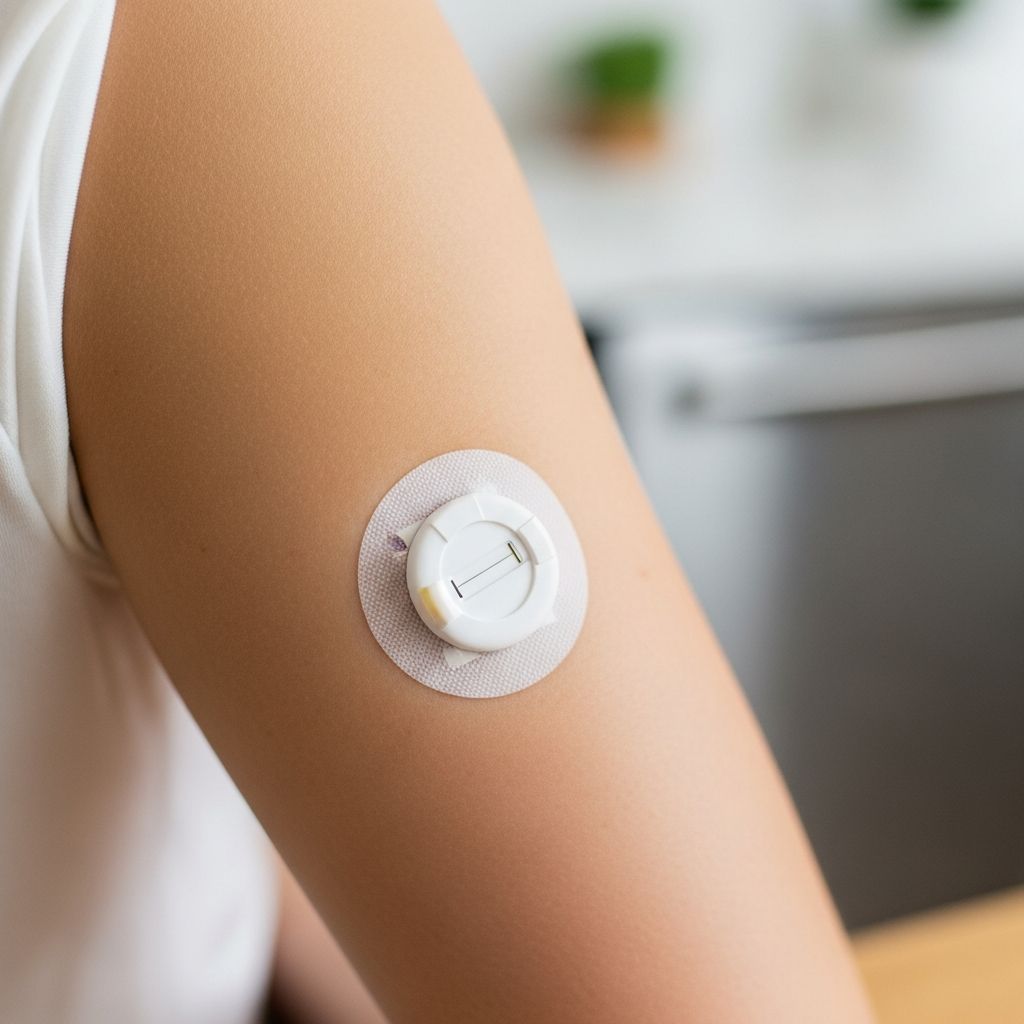
Continuous glucose monitors are wearable devices that use tiny sensor filaments to pierce the skin and measure blood sugar levels frequently and painlessly. These sensors, typically worn on the upper arm or abdomen, are held in place by an adhesive patch and transmit real-time glucose readings to a receiver or smartphone app. For people with diabetes, CGMs have been transformative, offering continuous insight into how food, activity, stress, and medications affect blood sugar control.
The basic technology works by measuring glucose in the interstitial fluid beneath the skin, providing readings every few minutes rather than the once or twice daily measurements from traditional finger-stick tests. Some advanced CGM systems include alarm functions that alert users when blood sugar becomes dangerously low or high, and can even transmit results directly to healthcare providers for remote monitoring.
The Marketing Push for Non-Diabetic Monitoring
Several companies are aggressively marketing CGMs to healthy individuals without diabetes, painting scenarios of fitness-conscious people using real-time glucose data to optimize their performance and health. These marketing campaigns suggest that monitoring blood sugar could provide valuable insights into how different foods, exercises, and lifestyle factors affect metabolic health. The appeal is understandable in an era where personal health tracking has become mainstream, with millions of people regularly monitoring their fitness metrics, heart rate variability, and sleep patterns.
However, the financial incentive behind this marketing push is substantial. CGM devices can cost several thousand dollars annually, and expanding the market from people with diabetes to the general population would represent enormous potential profits. The question remains: is there scientific evidence to support using these expensive devices for blood sugar monitoring in people without diabetes?
What Does Current Research Show?
The evidence for blood sugar monitoring in non-diabetic individuals is surprisingly limited. Recent groundbreaking research from Mass General Brigham examined CGM data from 972 adults aged 40 and older with varying glycemic status, wearing Dexcom G6 devices that measured blood sugar every five minutes for up to 10 days. The findings were revealing and provide important guidance for those considering CGM use without diabetes.
The research compared CGM metrics—including average blood sugar, time spent in a healthy range, and measures of blood sugar variability—with hemoglobin A1c (HbA1c), the gold-standard measure of average blood sugar control over two to three months. The results demonstrated a clear pattern: CGM metrics strongly correlated with HbA1c in people with type 2 diabetes, showing the devices’ effectiveness for this population. However, this correlation weakened significantly in those with prediabetes and essentially disappeared for those with normal blood sugar levels.
Key Research Findings
- Among individuals without diabetes, CGM metrics were largely unrelated to HbA1c measurements
- Short-term blood sugar fluctuations naturally occur with meals and activity in non-diabetic individuals but don’t necessarily reflect long-term glucose control
- In 153 non-diabetic individuals studied, about 96% of the time blood sugar levels were normal or nearly so
- A study of overweight individuals found CGM use increased exercise motivation, but not actual health outcomes
- No published peer-reviewed studies have demonstrated that CGM monitoring improves health outcomes in non-diabetic individuals
Related Stories



Blood Sugar Behavior in Non-Diabetic Individuals
One important finding from research is that people without diabetes experience natural blood sugar fluctuations throughout the day. After eating a meal, postprandial hyperglycemia (elevated blood sugar) is expected one to two hours after eating, even in individuals without diabetes. These temporary elevations are not concerning because the body’s insulin response typically brings blood sugar back to normal levels efficiently.
Unlike people with diabetes, who may have impaired insulin secretion or action, non-diabetic individuals maintain tight glucose control through a well-functioning pancreas and insulin signaling. This means that the short-term blood sugar variations that CGMs capture are often not sustained long enough to meaningfully affect HbA1c or long-term health outcomes. In fact, some researchers note that these natural fluctuations might actually represent a healthy response to food and exercise rather than a metabolic problem requiring monitoring.
Cost Considerations and Insurance Coverage
One practical barrier to widespread CGM use in non-diabetic populations is cost. Continuous glucose monitoring systems represent a significant financial investment, with annual expenses often reaching several thousand dollars per user. For most people, this cost must come out of pocket, as health insurers are highly unlikely to cover CGMs for non-diabetic individuals unless compelling evidence demonstrates their health benefits emerges.
Given the lack of published research showing improved health outcomes from CGM use in non-diabetic populations, insurance companies have little incentive to cover these devices. This means that adopting CGM monitoring would require individuals to pay full price for technology whose benefits remain uncertain.
Potential Reasons People Without Diabetes Might Want to Monitor Blood Sugar
Despite limited evidence of benefit, several reasons might motivate non-diabetic individuals to consider blood sugar monitoring:
- Behavioral feedback: Real-time glucose data can serve as biofeedback, showing how specific foods and activities affect blood sugar levels, which might motivate lifestyle changes
- Diabetes prevention: For individuals with prediabetes or strong family histories of diabetes, CGM data might provide motivation to adopt healthier habits, though direct health benefit remains unproven
- Athletic performance optimization: Some fitness enthusiasts believe that understanding glucose patterns could help optimize energy levels and training
- Health curiosity: As part of a broader trend toward quantified self-tracking, some individuals simply want detailed information about their metabolic function
- Dietary experimentation: People following specific diets like low-carb or ketogenic approaches might use CGM data to understand how their diet affects glucose levels
The Difference: CGM Benefits for People With Diabetes
To properly contextualize the question of CGM use in non-diabetic populations, it’s important to recognize the undeniable benefits CGMs provide for people with diabetes. For this population, maintaining blood sugar close to normal ranges is essential to prevent symptoms, complications, and premature death, as well as to improve quality of life.
CGM devices have revolutionized diabetes care by replacing painful finger-stick testing with continuous, real-time monitoring. The convenience and comprehensive data these devices provide have helped many people with diabetes achieve better glucose control. Alarm features that alert users to dangerous blood sugar extremes can be lifesaving. The ability to share data with healthcare providers enables more precise medication adjustments and personalized treatment plans.
The contrast is stark: for people with diabetes, CGMs address a genuine medical need and have proven effectiveness. For non-diabetic individuals, the need being addressed is unclear, and effectiveness remains undemonstrated.
Limitations of CGM Technology for Non-Diabetic Use
Beyond the lack of evidence for health benefits, several technical and practical limitations make CGM technology less suitable for non-diabetic monitoring. First, CGM devices measure glucose in interstitial fluid rather than blood plasma, meaning results are influenced by blood flow, device placement, calibration, and sensor variability. Different CGM sensors can provide slightly different readings under identical conditions.
Second, CGM data provides only short-term glucose variability information, typically over days or weeks. It does not provide the long-term perspective that HbA1c offers over two to three months, making it difficult to assess meaningful changes in glucose control. For non-diabetic individuals with naturally stable glucose regulation, short-term monitoring may provide interesting data without actionable insights.
Third, interpreting CGM data in non-diabetic populations remains challenging. The normal patterns, expected glucose ranges, and what constitutes concerning variability differ significantly between diabetic and non-diabetic individuals. Clinical guidelines for interpreting CGM data were developed for diabetes management and don’t necessarily apply to healthy individuals.
The Question of Prevention and Early Detection
One potential future application of CGM monitoring in non-diabetic populations is identifying subgroups at higher risk of developing diabetes despite normal HbA1c levels. Researchers acknowledge that long-term studies might eventually reveal whether specific CGM patterns predict future diabetes development.
However, this remains speculative. No current evidence demonstrates that identifying such patterns through CGM monitoring enables interventions that prevent diabetes better than current evidence-based approaches like weight management, regular physical activity, and dietary modifications. Until such evidence emerges, CGM monitoring cannot be justified as a diabetes prevention tool for the general population.
Separating Hype From Evidence
One concerning example of the hype surrounding CGM use in non-diabetic populations involves a manufacturer that posted a study on its website claiming better blood sugar results in healthy people using their product. However, this study was not published in a peer-reviewed medical journal, lacked critical methodological details, and examined arbitrary blood sugar ranges rather than actual health outcomes such as heart disease, nerve damage, or hospitalization.
This example highlights an important lesson: extraordinary claims about health monitoring devices should be supported by rigorous, peer-reviewed research, not marketing materials or unpublished studies. The current evidence base simply does not support the use of CGMs for non-diabetic blood sugar monitoring.
Alternative Approaches to Metabolic Health
For individuals concerned about their metabolic health or at risk for diabetes, evidence-based approaches remain far more effective than CGM monitoring. These include:
- Regular physical activity and exercise, which improves insulin sensitivity and glucose control
- Dietary modifications emphasizing whole grains, vegetables, lean proteins, and limiting refined carbohydrates
- Weight management through calorie balance and healthy lifestyle habits
- Regular screening with standard glucose tolerance tests or HbA1c if at risk for diabetes
- Stress management and adequate sleep, both of which influence glucose metabolism
Frequently Asked Questions
Q: Can continuous glucose monitors accurately measure blood sugar in people without diabetes?
A: While CGM devices are technically accurate at measuring interstitial glucose, their readings may be influenced by placement, calibration, and individual variation. More importantly, CGM data doesn’t accurately reflect long-term glucose control (HbA1c) in non-diabetic individuals, so the clinical significance of the readings remains unclear.
Q: Should I use a CGM if I’m prediabetic?
A: Current research suggests caution. While CGM might provide motivational feedback about how lifestyle factors affect blood sugar, evidence-based interventions like weight loss, exercise, and dietary changes have proven effectiveness for preventing or delaying diabetes progression. Discuss with your healthcare provider whether CGM monitoring adds value to your individual situation.
Q: Is blood sugar monitoring helpful for optimizing athletic performance?
A: While some athletes are interested in using CGM data to optimize energy levels and performance, no peer-reviewed research supports this practice. Standard sports nutrition and hydration guidelines remain more evidence-based for athletic performance optimization.
Q: Will insurance cover CGM devices for non-diabetic use?
A: Currently, insurers are unlikely to cover CGM devices for non-diabetic individuals. This reflects the lack of evidence demonstrating health benefits. Coverage would likely only change if compelling research demonstrated improved health outcomes from monitoring.
Q: What should I do if I’m concerned about my metabolic health?
A: Consult with your healthcare provider. Standard screening tests like fasting glucose or HbA1c can assess your metabolic status. If results are concerning, evidence-based interventions like lifestyle modification are proven effective and should be the first approach before considering experimental monitoring technologies.
Conclusion: The Bottom Line on CGM Monitoring Without Diabetes
Despite aggressive marketing by device manufacturers, the current scientific evidence does not support routine blood sugar monitoring with continuous glucose monitors for people without diabetes. While CGMs provide accurate real-time glucose readings, these readings don’t correlate with long-term glucose control (HbA1c) in non-diabetic individuals, and no studies have shown that monitoring improves health outcomes in this population.
For people with diabetes, CGMs are genuinely transformative tools that improve care and health outcomes. For healthy individuals, they represent an expensive technology seeking a problem to solve. Until rigorous, peer-reviewed research demonstrates that CGM monitoring leads to measurable health improvements in non-diabetic populations, the prudent recommendation remains to focus on proven lifestyle interventions—exercise, healthy eating, weight management, and adequate sleep—rather than adopting expensive monitoring technology.
As a physician might advise: CGM devices may serve as behavioral feedback tools showing how food and activity impact real-time blood sugar levels, but they do not directly reflect longer-term blood sugar control in non-diabetic individuals. Until more comprehensive research changes this equation, blood sugar monitoring without diabetes remains more of a health monitoring trend than a worthwhile medical intervention.
References
- Lack of Association Between Hemoglobin A1c and Continuous Glucose Monitor Metrics Among Individuals with Prediabetes and Normoglycemia — Rodriguez JA et al., Mass General Brigham. 2024. https://pubmed.ncbi.nlm.nih.gov/
- Is Blood Sugar Monitoring Without Diabetes Worthwhile? — Harvard Health Publishing. 2021. https://www.health.harvard.edu/
- Should Healthy Individuals be Monitoring their Blood Glucose? — Professional Practice Dietetics (PEN). https://www.pennutrition.com/
- FDA Approval of Over-the-Counter Continuous Glucose Monitors — U.S. Food and Drug Administration. 2024. https://www.fda.gov/
- Continuous Glucose Monitoring for People Without Diabetes — Mass General Brigham. 2024. https://www.massgeneralbrigham.org/
Similar Articles








Read full bio of medha deb