Blood Tests: Comprehensive Guide to Types, Purpose & Results
Understanding blood tests: Learn about types, preparation, results interpretation, and why doctors order them.
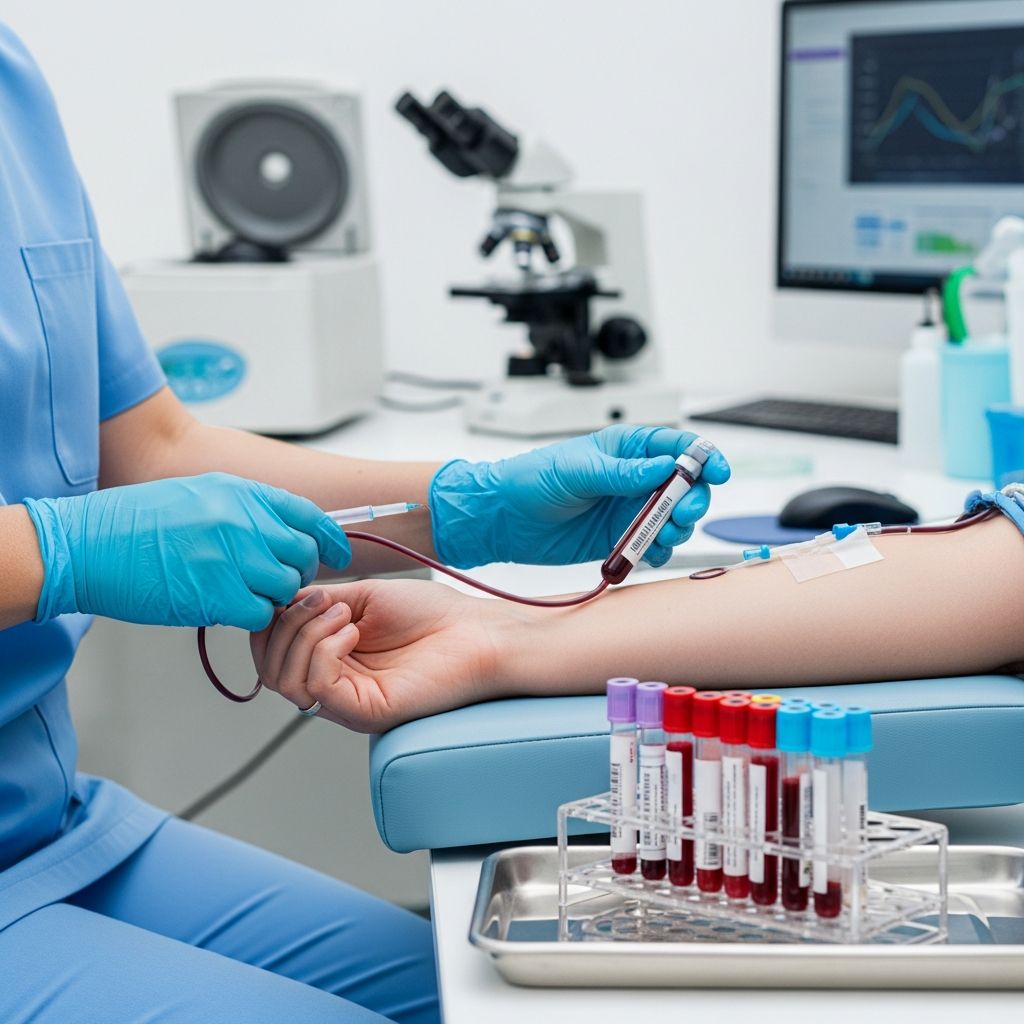
Understanding Blood Tests: A Complete Guide
Blood tests are among the most common and valuable diagnostic tools used in modern medicine. They provide crucial information about your overall health, help detect diseases early, and monitor existing conditions. Whether you’re getting a routine physical or investigating specific symptoms, understanding blood tests can help you feel more informed and confident about your healthcare decisions.
A blood test involves drawing a small sample of blood, typically from a vein in your arm, which is then analyzed in a laboratory. These tests can measure various components of your blood, including red blood cells, white blood cells, platelets, and numerous chemical substances. The results give healthcare providers valuable insights into how your body is functioning.
Why Doctors Order Blood Tests
Healthcare providers order blood tests for numerous important reasons. These tests serve as windows into your internal health, revealing information that cannot be obtained through physical examination alone.
Routine Screening and Prevention: Blood tests are often part of regular physical examinations to establish baseline health values and screen for common conditions. Regular screening can catch diseases like diabetes, high cholesterol, and anemia before symptoms develop, allowing for early intervention and better health outcomes.
Diagnosing Specific Conditions: When you experience symptoms like fatigue, fever, persistent headaches, or unexplained weight changes, blood tests help identify the underlying cause. They can detect infections, hormonal imbalances, liver disease, kidney problems, and many other conditions.
Monitoring Chronic Diseases: If you have a diagnosed condition like diabetes, thyroid disease, or heart disease, regular blood tests help your doctor monitor how well your treatment is working and whether adjustments are needed.
Medication Monitoring: Some medications require periodic blood tests to ensure they’re working effectively and not causing harmful side effects. These monitoring tests are essential for safe medication management.
Preoperative Assessment: Before surgery, blood tests help ensure you’re healthy enough for the procedure and provide important information about blood clotting ability and organ function.
Common Types of Blood Tests
Understanding the different types of blood tests available helps you know what to expect and why your doctor might recommend specific tests.
Complete Blood Count (CBC)
The Complete Blood Count is one of the most frequently ordered blood tests. It measures the number and types of cells in your blood, including red blood cells, white blood cells, and platelets. A CBC can reveal anemia, infections, leukemia, and other blood disorders. It helps assess your body’s ability to carry oxygen and fight infections.
Metabolic Panel
This comprehensive test measures chemicals in your blood that reflect how well your body is functioning. It includes measurements of glucose, calcium, sodium, potassium, and other electrolytes. The metabolic panel also assesses kidney and liver function, providing a broad overview of your metabolic health.
Related Stories



Lipid Panel
The lipid panel measures cholesterol and triglyceride levels in your blood. High cholesterol is a risk factor for heart disease and stroke, making this test important for cardiovascular health assessment. The results help guide lifestyle changes and medication decisions.
Thyroid Function Tests
These tests measure thyroid-stimulating hormone (TSH) and thyroid hormones. They help diagnose thyroid disorders including hypothyroidism and hyperthyroidism, which affect metabolism, energy levels, and weight.
Liver Function Tests
Also called hepatic panel, these tests measure enzymes and proteins produced by the liver. They assess how well your liver is working and can detect liver disease, hepatitis, and other liver conditions.
Glucose Testing
Blood glucose tests measure sugar levels in your blood. A fasting glucose test requires no food or drink for eight to twelve hours before testing. The hemoglobin A1C test shows average glucose levels over the past three months, helping diagnose and monitor diabetes.
Kidney Function Tests
These tests measure creatinine and blood urea nitrogen (BUN), which indicate how well your kidneys are filtering waste from your blood. Abnormal results may suggest kidney disease or other serious conditions.
Blood Culture
A blood culture test identifies bacteria or other microorganisms in your blood. This test is particularly important when infection is suspected, as it helps determine the specific organism causing the infection and guides appropriate antibiotic treatment.
How to Prepare for a Blood Test
Proper preparation ensures accurate test results and makes the blood draw more comfortable.
Fasting Requirements: Some blood tests require fasting, typically for eight to twelve hours before the test. Your doctor will specify if fasting is necessary. Water is usually allowed during a fast, but avoid coffee, tea, and other beverages.
Medication Considerations: Inform your healthcare provider about all medications and supplements you’re taking, as some may affect test results. Do not stop taking prescribed medications unless specifically instructed.
Timing: Schedule your blood test in the morning when possible, as some test values vary throughout the day. Consistent timing helps ensure comparable results if repeat testing is needed.
Hydration: Drink plenty of water the day before your test to stay well-hydrated. Proper hydration makes veins easier to access for the blood draw.
Clothing: Wear loose, comfortable clothing that allows easy access to your upper arm. This makes the blood draw quicker and easier for the phlebotomist.
Stress Reduction: Try to relax before your test. Anxiety can temporarily affect some test results and make the blood draw more uncomfortable.
The Blood Draw Process
Understanding what happens during a blood draw can reduce anxiety and help you know what to expect.
When you arrive for your blood test, a phlebotomist or nurse will verify your identity and which tests have been ordered. You’ll typically be seated in a comfortable chair with armrests. The healthcare provider will tie a tourniquet around your upper arm to make veins more visible and accessible.
The skin over the vein is cleaned with an antiseptic solution to prevent infection. A sterile needle is then inserted into the vein, and blood flows into collection tubes. Most people feel only a brief pinch during needle insertion. The amount of blood drawn depends on how many tests have been ordered, typically ranging from one to several tubes.
After sufficient blood has been collected, the needle is removed and pressure is applied with gauze to stop any bleeding. A bandage may be placed over the puncture site. The entire process usually takes less than five minutes.
Understanding Your Blood Test Results
Your doctor will discuss your results with you, explaining what they mean for your health.
Reference Ranges: Each test has a reference range or normal range of values. Results within this range are typically considered normal, while results outside the range may indicate a health problem. Reference ranges can vary slightly between laboratories and may differ based on age, sex, and other factors.
High and Low Values: Elevated or decreased values provide different diagnostic information. For example, high white blood cell counts may suggest infection, while low counts may indicate bone marrow problems. Your doctor interprets these values in the context of your symptoms and medical history.
Multiple Tests: Often several tests are ordered together to provide a complete picture. Your doctor looks at patterns across multiple results rather than focusing on individual values.
Follow-up Testing: Sometimes abnormal results require follow-up testing to confirm findings or provide more detailed information. Your doctor will explain if additional testing is needed.
When Blood Test Results Are Abnormal
An abnormal result doesn’t necessarily mean you have a serious disease. Various factors can affect blood test results, including stress, medications, recent meals, and recent illness. Your healthcare provider will help determine whether abnormal results indicate a problem requiring treatment or simply represent normal variation.
Some abnormal results are benign and resolve on their own. Others may require lifestyle changes like improved diet or exercise. Still others indicate conditions requiring medical treatment. Your doctor will explain what your specific results mean and what steps should be taken next.
Blood Test Safety and Side Effects
Blood tests are generally very safe procedures with minimal risk of complications. The needle used for blood collection is sterile and disposable, eliminating risk of infection transmission.
Most people experience no side effects from blood tests. Some may notice minor bruising at the puncture site, which typically fades within a few days. Rarely, some people experience lightheadedness or fainting during or immediately after blood draws, particularly if anxious or if the draw is prolonged.
To minimize the risk of fainting, remain seated during the blood draw, and inform the phlebotomist if you have a history of fainting with blood draws. Staying hydrated and eating a light meal before your appointment also helps.
Specialized Blood Tests
Beyond routine tests, specialized blood tests provide detailed information for specific conditions and situations.
Immunological Tests: These tests measure antibodies and immune system components, helpful for diagnosing autoimmune diseases, allergies, and immunodeficiency conditions.
Tumor Markers: These blood tests detect substances produced by cancer or in response to cancer, useful for cancer screening and monitoring in high-risk individuals.
Genetic Testing: Blood-based genetic tests can identify inherited conditions and predispositions to certain diseases, useful for family planning and preventive healthcare decisions.
Drug Screening: These tests detect the presence of drugs or alcohol in your system, commonly used in workplace testing and medical settings.
Point-of-Care Testing: Some blood tests, including rapid glucose tests, rapid strep tests, and rapid COVID-19 tests, can be performed immediately in clinics or offices, providing results within minutes.
The Importance of Accurate Blood Testing
Accurate blood testing is fundamental to good healthcare. Laboratory standards ensure consistent, reliable results across different facilities. Quality control measures verify that testing equipment functions properly and that results are accurate.
Recent research demonstrates that blood test results contain valuable data for individual risk assessment, allowing healthcare providers to identify patients at higher risk for various conditions and intervene preventively. This analytical value makes routine blood testing an important component of preventive medicine.
Frequently Asked Questions About Blood Tests
Q: How often should I have blood tests?
A: The frequency depends on your age, health status, and medical history. Healthy adults typically have blood tests during routine physical exams every 1-3 years. People with chronic conditions may need more frequent testing. Your doctor will recommend an appropriate schedule for your individual needs.
Q: Can I eat before my blood test?
A: It depends on the specific test. Some tests require fasting, while others don’t. Your doctor will provide specific instructions. If fasting is required, you typically cannot eat for 8-12 hours before the test, though water is usually permitted.
Q: How long does it take to get blood test results?
A: Results timing varies by test type. Routine tests typically take 1-2 days, while some specialized tests may take longer. Point-of-care tests provide results within minutes. Your healthcare provider will inform you when to expect results.
Q: Can blood tests detect all diseases?
A: Blood tests are valuable diagnostic tools but cannot detect all diseases. Some conditions require imaging studies, biopsies, or other diagnostic methods. Blood tests are often used alongside other testing methods for comprehensive evaluation.
Q: Is it normal to feel dizzy during a blood draw?
A: Some people experience lightheadedness during blood draws, particularly if anxious. This usually passes quickly. Remaining seated, staying hydrated, and informing your phlebotomist of your concerns helps minimize this reaction.
Q: What should I do if I have a bruise after my blood test?
A: Minor bruising is normal and typically fades within a few days. Applying a cold compress immediately after and a warm compress later helps reduce bruising. If bruising is severe or accompanied by significant pain, contact your healthcare provider.
Q: Can medications affect my blood test results?
A: Yes, some medications can affect blood test results. Always inform your healthcare provider about all medications and supplements you’re taking before blood testing. Don’t stop medications unless specifically instructed to do so.
Conclusion
Blood tests are essential diagnostic tools that provide valuable information about your health. Whether used for routine screening, diagnosis of specific conditions, or monitoring of existing diseases, blood tests play a crucial role in modern healthcare. Understanding what blood tests measure, how to prepare for them, and how to interpret results empowers you to participate actively in your healthcare decisions. When you have questions about blood tests, don’t hesitate to discuss them with your healthcare provider, who can explain why specific tests are recommended and what the results mean for your individual health situation.
References
- Point-of-Care Testing | Johns Hopkins Pathology — Johns Hopkins Medicine. Accessed 2025-12-01. https://pathology.jhu.edu/patient-care/point-of-care-testing
- Blood Culture Stewardship – Johns Hopkins Medicine — Johns Hopkins Department of Antimicrobial Stewardship. 2024. https://pathology.jhu.edu/patient-care/point-of-care-testing
- Clinical Tests and Labs | Johns Hopkins Pathology — Johns Hopkins Medicine. Accessed 2025-12-01. https://pathology.jhu.edu/patient-care/testing
- Johns Hopkins Guides Bundle — Unbound Medicine. 2025. https://www.unboundmedicine.com/products/johns_hopkins_guides_bundle
- Johns Hopkins Research Finds Analytic Value in Lab Test Results — Johns Hopkins ACG Center for Health Research. 2024. https://www.hopkinsacg.org/article/johns-hopkins-research-finds-analytic-value-in-lab-test-results/
- U.S. National Library of Medicine: MedlinePlus Blood Tests Overview — National Institutes of Health. 2024. https://medlineplus.gov/bloodtests.html
Similar Articles








Read full bio of Sneha Tete