Blood Tests: Types, Results & How They Work
Comprehensive guide to understanding blood tests, their types, purpose, and what results mean for your health.
Understanding Blood Tests: A Complete Guide
Blood tests are among the most common and essential diagnostic tools used by healthcare providers today. These tests measure or examine various substances in your blood, including blood cells, chemicals, proteins, and other important components. Whether as part of a routine physical examination or to investigate specific health concerns, blood tests provide valuable insights into your overall health status and can help diagnose, screen for, or monitor numerous medical conditions.
The information gathered from blood tests allows healthcare providers to assess your physical health comprehensively, detect abnormalities early, and make informed decisions about your medical care. Understanding the different types of blood tests available and what they measure can help you feel more informed and prepared when your healthcare provider recommends testing.
Types of Blood Tests
Healthcare providers have access to numerous blood tests, ranging from comprehensive panels that examine multiple elements simultaneously to specialized tests that target very specific substances. The variety of available tests allows for personalized diagnostic approaches tailored to individual patient needs.
Complete Blood Count (CBC)
The Complete Blood Count, or CBC, is the most commonly performed blood test in clinical practice. This comprehensive test includes several specialized measurements that provide a detailed picture of the cellular components of your blood. The CBC measures and analyzes red blood cells, white blood cells, hemoglobin, hematocrit, and platelets.
Specifically, the CBC includes the following measurements:
– White Blood Cell (WBC) count- Red Blood Cell (RBC) count- Hemoglobin levels- Hematocrit percentage- Mean Corpuscular Volume (MCV)- Mean Corpuscular Hemoglobin (MCH)- Mean Corpuscular Hemoglobin Concentration (MCHC)- Red Cell Distribution Width (RDW)- Platelet count- Mean Platelet Volume (MPV)- Differential white blood cell counts (neutrophils, lymphocytes, monocytes, eosinophils, and basophils)
Abnormalities in CBC results can indicate various health conditions, including anemia, infections, leukemia, and other blood disorders. The test is particularly valuable for detecting blood cell abnormalities that may suggest more serious underlying conditions.
Basic Metabolic Panel (BMP)
A Basic Metabolic Panel is a common blood test that measures eight different substances in your blood. Healthcare providers frequently use the BMP as a foundational test to help diagnose, screen for, or monitor various health conditions. The BMP provides insight into multiple body functions and metabolic processes.
The BMP measures glucose levels, which reflect your body’s ability to regulate blood sugar. It also assesses kidney function through measurements of blood urea nitrogen (BUN) and creatinine. Calcium levels are measured to evaluate bone health and metabolic function. Additionally, the BMP includes four electrolyte measurements:
– Sodium- Potassium- Chloride- Carbon dioxide (CO2)
These electrolytes are essential minerals that regulate heart, kidney, and lung function. Healthcare providers often order a BMP to obtain a broad assessment of overall physical health and to monitor kidney function, electrolyte balance, and glucose control.
Comprehensive Metabolic Panel (CMP)
The Comprehensive Metabolic Panel is a more extensive blood test that measures 14 different substances in your blood, providing a detailed picture of your overall physical health. The CMP includes all the measurements from a Basic Metabolic Panel plus additional tests.
Related Stories



In addition to the BMP components, the CMP measures various proteins and liver enzymes, including albumin, total protein, and liver function enzymes such as alanine aminotransferase (ALT) and aspartate aminotransferase (AST). The CMP also measures bilirubin levels, which can indicate liver function and red blood cell breakdown. This comprehensive test allows healthcare providers to assess liver function, protein metabolism, and overall metabolic status in addition to kidney function and electrolyte balance.
Electrolyte Panel
An Electrolyte Panel focuses specifically on measuring minerals in your blood that are crucial for proper bodily function. Electrolytes include sodium, potassium, chloride, and bicarbonate. Imbalances in electrolyte levels may signal issues with your heart, kidneys, or lungs.
The Electrolyte Panel may include additional measurements beyond those in a standard BMP or CMP. Magnesium is an important mineral that supports brain, heart, and muscle function. The Anion Gap measurement checks the acid-base balance in your blood, which is essential for maintaining proper pH levels and metabolic function. Healthcare providers use electrolyte panels to monitor hydration status, kidney function, and the effectiveness of certain medications.
Specialized and Tumor Marker Tests
Beyond the standard panels, healthcare providers may order specialized blood tests targeting specific health concerns. Tumor markers are substances produced by cancerous cells or by your body’s normal cells in response to cancer. Tumor marker blood tests help monitor and evaluate cancer treatment effectiveness and can aid in early cancer detection.
One relatively new and promising blood test is the Circulating Tumor Test, which looks for cancerous cells that have broken away from a tumor and entered the bloodstream. This innovative test currently helps monitor certain types of cancer, including breast, prostate, and colorectal cancers. Scientists continue developing this technology to expand its applications and improve its accuracy in cancer detection and monitoring.
How Blood Tests Work
The Blood Collection Process
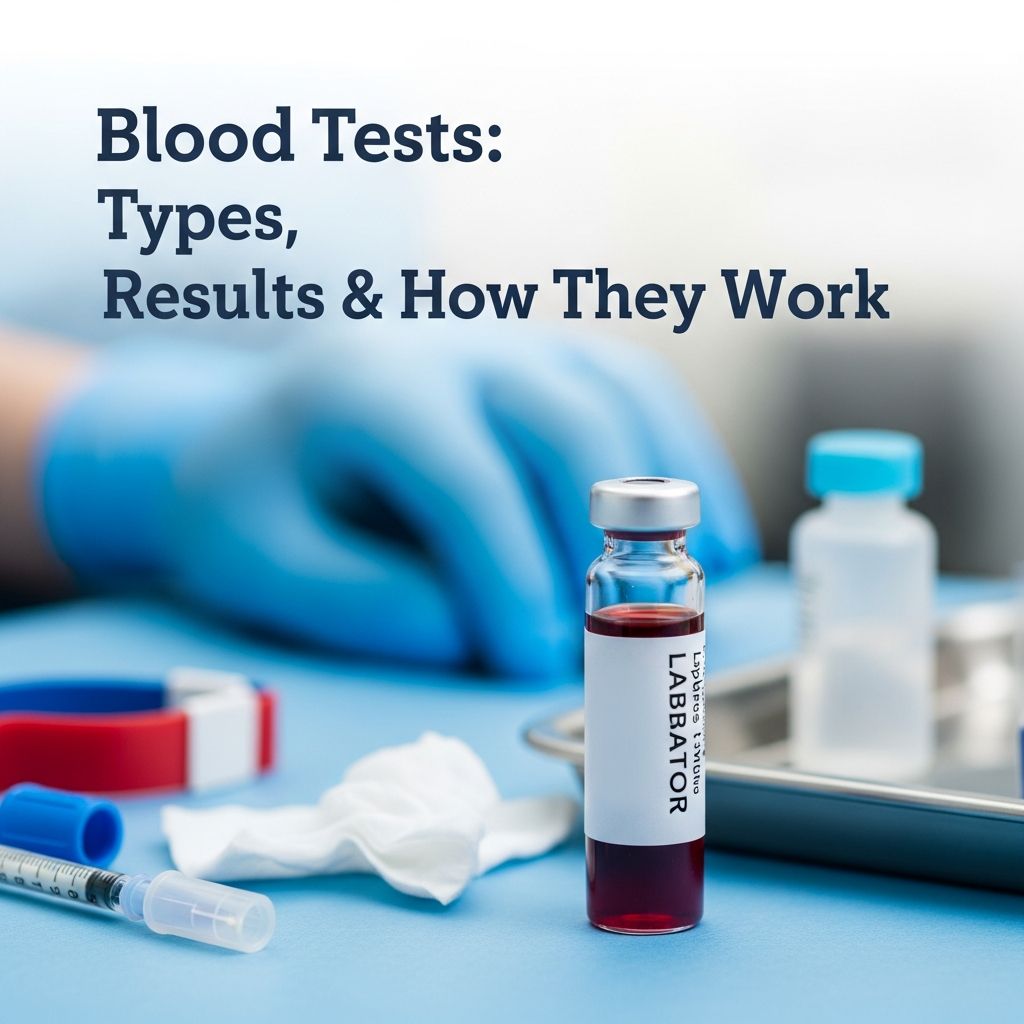
Blood tests begin with a blood draw, typically performed at a healthcare provider’s office or laboratory. A phlebotomist or healthcare professional will guide you through the process. You’ll sit in a comfortable chair while the healthcare provider prepares your arm for the blood draw.
First, your provider will clean your skin with an alcohol swab to reduce infection risk. An elastic band is placed around your upper arm to make veins more visible and accessible. You may be asked to make a fist to help blood flow more easily into the veins. A small needle is then carefully inserted into a vein, and you may feel a slight sting during insertion.
Once the needle is properly positioned, blood flows from the needle into collection vials. The amount of blood drawn depends on the specific tests ordered. For example, a Complete Blood Count test may require approximately 30 milliliters of blood. This amount may sound substantial when you watch it flow into sample tubes, but it represents a very small fraction of your total blood volume. The average adult has between 4,500 to 5,700 milliliters of blood in their body, so the amount collected for testing poses no health risk.
For certain populations, alternative blood collection methods may be used. A finger prick can be used for smaller blood samples, and a heel stick may be used for newborns or infants who require only minimal blood samples.
Laboratory Analysis
After your blood is collected, the vials are labeled with your information and sent to a laboratory for analysis. Modern laboratories use sophisticated equipment and technology to analyze blood samples accurately and efficiently. Depending on the specific tests ordered, results may be available within hours to a few days.
Your healthcare provider will review the results and discuss them with you, explaining what the findings mean for your health and what, if any, follow-up steps may be necessary.
Understanding Blood Test Results
Normal Ranges and Reference Values
Blood test results are typically compared against established normal ranges or reference values. These ranges are determined based on testing large populations of healthy individuals and may vary slightly between laboratories. Your results fall into categories of normal, low, or high, depending on how they compare to the reference range for your age, sex, and other factors.
It’s important to understand that slightly abnormal results don’t always indicate serious problems. Your healthcare provider considers your individual health history, symptoms, medications, and other factors when interpreting results. A single abnormal result may warrant further investigation or may be insignificant, depending on the context.
What Abnormal Results May Indicate
Low hemoglobin levels can indicate anemia, a condition where you don’t have enough healthy red blood cells to carry oxygen throughout your body. Anemia may cause fatigue, dizziness, and weakness. Abnormal white blood cell counts can suggest infections, immune system disorders, or blood cancers. Elevated liver enzymes may indicate liver disease or damage. Abnormal electrolyte levels can point to kidney disease, heart problems, or dehydration.
However, abnormal results are just the starting point for diagnosis. Many conditions can cause similar blood test abnormalities, so your healthcare provider may order additional tests to determine the underlying cause and develop an appropriate treatment plan.
Safety and Risks of Blood Tests
Blood tests are among the safest diagnostic procedures available in medical practice. The risks associated with blood draws are minimal and typically temporary. Most people experience no complications at all.
The most common side effects are minor and localized to the area where the needle was inserted. You may experience slight pain during the blood draw, and the site may appear bruised or swollen for a few days. These symptoms usually resolve on their own without intervention. Applying gentle pressure with a clean cloth after the draw and elevating your arm can help minimize bruising.
There is always a slight risk of infection any time something pierces your skin, but this risk is extremely low when proper sterile techniques are used. Lightheadedness or fainting can occur in some individuals, particularly those who are anxious about needles or who haven’t eaten recently. If you’re concerned about these possibilities, inform your healthcare provider before the blood draw.
Severe complications from blood draws are exceptionally rare. The entire blood collection process typically takes only five to ten minutes, minimizing the time the needle is in place.
Preparation for Blood Tests
Depending on which blood tests you’re having, your healthcare provider may give you specific preparation instructions. For some tests, such as fasting glucose or lipid panels, you may be instructed to avoid eating or drinking anything except water for 8 to 12 hours before the test. This fasting period ensures accurate results for tests affected by food intake.
For other tests, no special preparation is necessary. You can eat and drink normally and take your regular medications unless your healthcare provider instructs otherwise. It’s important to follow any preparation instructions provided by your healthcare provider to ensure accurate test results.
Frequently Asked Questions
How often should I have blood tests?
The frequency of blood testing depends on your age, health status, and any existing medical conditions. Most healthy adults should have blood tests as part of routine physical exams, typically annually or every few years. People with chronic conditions may need more frequent testing to monitor their health and medication effectiveness. Your healthcare provider will determine the appropriate testing schedule for your individual needs.
What does it mean if my blood test results are abnormal?
Abnormal blood test results require interpretation in the context of your overall health. A single abnormal result doesn’t necessarily mean you have a serious condition. Your healthcare provider considers your symptoms, medical history, medications, and other factors when evaluating results. They may recommend repeat testing, additional diagnostic tests, or lifestyle changes. It’s important to discuss abnormal results with your healthcare provider rather than attempting self-diagnosis.
Can blood tests detect all diseases?
While blood tests are powerful diagnostic tools, they cannot detect every disease or condition. Some conditions require imaging studies, biopsies, or other diagnostic procedures. Blood tests are most effective for detecting blood disorders, infections, metabolic abnormalities, and organ dysfunction. Your healthcare provider may order different types of tests depending on your symptoms and suspected conditions.
Is fasting necessary before blood tests?
Fasting requirements depend on which blood tests you’re having. Tests measuring fasting glucose or lipid levels require fasting, typically for 8 to 12 hours before the test. Other blood tests may not require fasting. Your healthcare provider will specify whether fasting is necessary for your particular tests.
How long does it take to get blood test results?
Result timing varies depending on the tests performed. Some routine tests like CBC or basic metabolic panels may have results available within hours. More specialized tests may take several days. Your healthcare provider’s office will inform you when you can expect results and how they’ll communicate them to you.
References
- Complete Blood Count (CBC): What It Is & Normal Ranges — Cleveland Clinic. Accessed 2024. https://my.clevelandclinic.org/health/diagnostics/4053-complete-blood-count
- Basic Metabolic Panel (BMP): What It Is, Procedure & Results — Cleveland Clinic. Accessed 2024. https://my.clevelandclinic.org/health/diagnostics/22020-basic-metabolic-panel-bmp
- Comprehensive Metabolic Panel (CMP): What It Is & Results — Cleveland Clinic. Accessed 2024. https://my.clevelandclinic.org/health/diagnostics/22058-comprehensive-metabolic-panel-cmp
- Hemoglobin Test: What It Is, Procedure & Results — Cleveland Clinic. Accessed 2024. https://my.clevelandclinic.org/health/diagnostics/17790-hemoglobin-test
- Complete Blood Count and Differential — Cleveland Clinic Laboratories. Accessed 2024. https://clevelandcliniclabs.com/test-directory/
- Blood Volume: What It Is & How Testing Works — Cleveland Clinic. Accessed 2024. https://my.clevelandclinic.org/health/diagnostics/16793-blood-volume-testing
Similar Articles








Read full bio of medha deb