Blood Thinners And Leafy Greens: What You Need To Know
Can you eat leafy greens on blood thinners? Learn how to balance vitamin K intake safely with diet tips from experts.
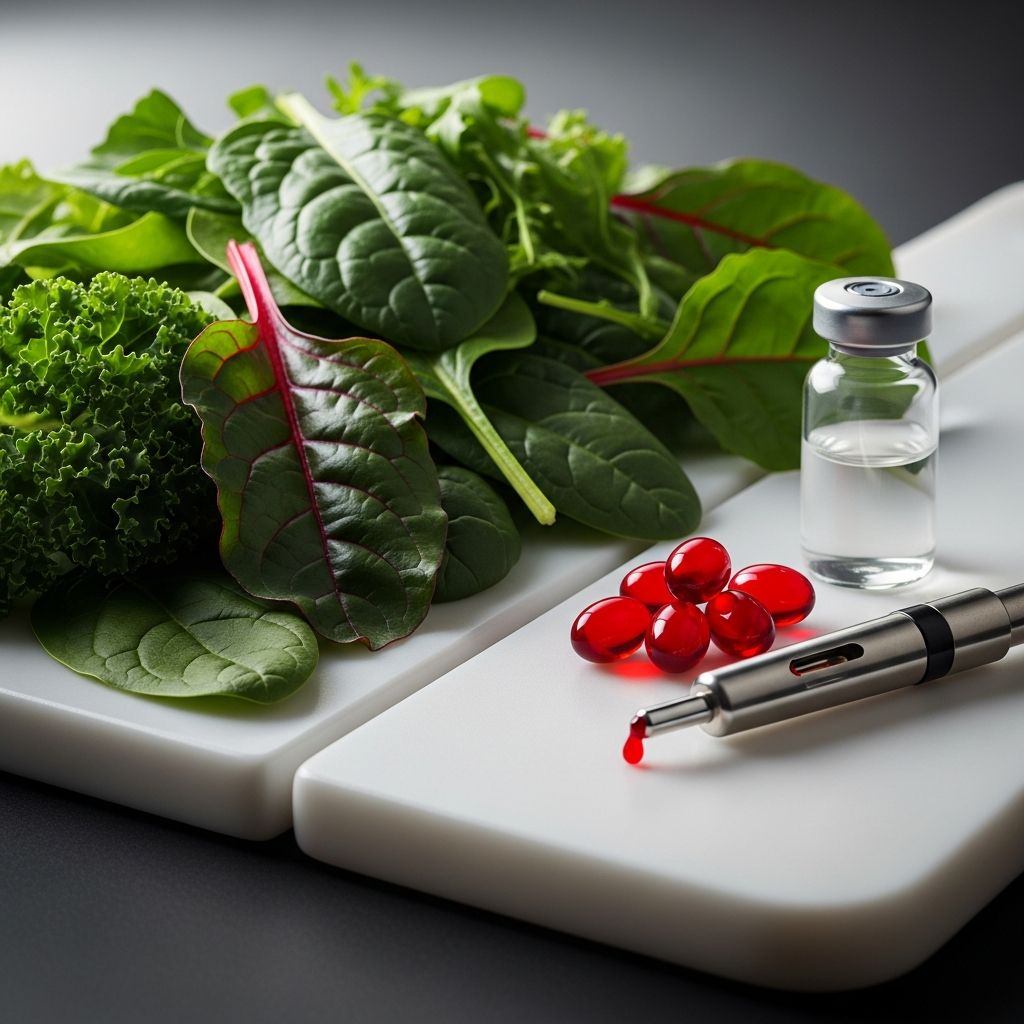
Many people on blood thinners like warfarin wonder if they must avoid nutrient-rich leafy greens entirely. The short answer is no—you can enjoy vegetables while managing your medication, but consistency in vitamin K intake is key to maintaining therapeutic blood levels.
Blood thinners, particularly vitamin K antagonists such as warfarin (Coumadin), work by interfering with vitamin K, a nutrient essential for blood clotting. Leafy greens are naturally high in vitamin K1 (phylloquinone), which can reduce the drug’s effectiveness if intake fluctuates dramatically. However, modern guidance emphasizes balance over avoidance, allowing for a varied diet with careful monitoring.
Understanding Blood Thinners and How They Interact with Vitamin K
Blood thinners prevent new clots from forming and slow existing ones, reducing risks of heart attacks or strokes. Unlike popular belief, they don’t ‘thin’ the blood but inhibit clotting factors dependent on vitamin K. Warfarin competes directly with vitamin K1, so high or variable intake from foods like kale or spinach can counteract its effects, potentially leading to clotting risks.
Not all blood thinners have this interaction. Direct oral anticoagulants (DOACs) such as rivaroxaban (Xarelto), dabigatran (Pradaxa), apixaban (Eliquis), and heparin generally do not interact with vitamin K-rich foods, offering more dietary flexibility. Always consult your doctor before switching medications.
Vitamin K exists in two main forms: K1 from plants and K2 from fermented foods and animal products. For blood thinner users, K1 from greens is the primary concern. Maintaining steady daily intake—rather than eliminating greens—helps stabilize International Normalized Ratio (INR) levels, a key measure of blood clotting time.
Safe Vegetables for Blood Thinner Users
You don’t have to forgo vegetables entirely. Focus on low-vitamin K options to diversify your plate while getting potassium, fiber, and other nutrients. Here’s a breakdown:
- Low in Vitamin K1 (Safe to eat freely):
- Onions
- Squash
- Eggplant
- Tomatoes
- Mushrooms
- Cucumbers
- Artichokes
- Beets
- Bamboo shoots
- Bell peppers (all colors; green has slightly more but still low)
- Avocados
- White cabbage
- Celery
- Cauliflower
Incorporate these into salads, stir-fries, or sides. For example, a bell pepper and tomato salad with onions provides color, flavor, and nutrition without spiking vitamin K.
Vegetables High in Vitamin K to Watch
These greens are packed with vitamin K1, offering heart benefits like reduced arterial stiffness, but require moderation or consistency on warfarin:
- High in Vitamin K1 (Limit or keep consistent):
- Natto (fermented soy)
- Collard greens
- Kale
- Spinach
- Mustard greens
- Brussels sprouts
- Soybeans
- Broccoli
- Lettuce (except iceberg, which is low)
- Red cabbage
- Asparagus
- Cauliflower (moderate levels)
- Green onions
- Parsley
Aim for the same portion daily. A cup of cooked kale has about 1,000 mcg of vitamin K1, far exceeding the average daily need of 90-120 mcg for adults. Sudden increases, like seasonal shifts to more greens, can alter INR.
Benefits of Leafy Greens for Heart Health
Despite interactions, leafy greens support cardiovascular health. Vitamin K1 activates matrix Gla protein (MGP), inhibiting arterial calcification and promoting vessel flexibility. A 2017 study in The Journal of Nutrition linked higher intake to better left ventricle structure, reducing future heart disease risk.
Related Stories



Research from Edith Cowan University associates consistent vitamin K with lower heart attack and stroke risks. Greens also provide fiber, potassium, magnesium, and antioxidants that lower blood pressure and cholesterol. For non-warfarin users or those with stable doses, these benefits outweigh risks when balanced.
Tips for Balancing Your Diet on Blood Thinners
Maintain consistency: Track intake and share with your doctor for INR adjustments. Use these strategies:
- Eat similar vitamin K amounts daily—about 1-2 servings of moderate greens if tolerated.
- Avoid abrupt changes; no ‘green detoxes’ or seasonal binges.
- Pair low-K veggies with proteins and healthy fats for satisfying meals.
- Limit green tea, which may reduce warfarin efficacy despite low vitamin K.
- Opt for iceberg lettuce in salads for low-K greens.
- Monitor alcohol and cranberry juice moderately, as they influence clotting.
| Meal Idea | Low-K Veggies | Portion Tip |
|---|---|---|
| Stir-Fry | Bell peppers, onions, broccoli (small amount) | 2 cups total; consistent weekly |
| Salad | Cucumbers, tomatoes, celery, iceberg lettuce | Unlimited low-K; 1/2 cup kale max |
| Side Dish | Cauliflower mash, squash | 1 cup daily |
Sample daily menu: Breakfast oatmeal with avocado; lunch turkey salad with cucumbers and tomatoes; dinner grilled chicken with squash and bell peppers; snack celery sticks. This keeps vitamin K steady around 100-200 mcg.
Working with Your Healthcare Team
Regular INR testing ensures balance. Inform your doctor of dietary changes. Patients with higher stable vitamin K often need adjusted warfarin doses. DOACs may suit those preferring unrestricted greens. Dietitians can personalize plans, emphasizing whole foods over supplements, as food-sourced vitamin K is better absorbed and regulated.
Frequently Asked Questions (FAQs)
Can I eat any leafy greens on blood thinners?
Yes, but keep intake consistent. Low-K options like iceberg lettuce are safest; high-K greens like spinach require moderation and doctor monitoring.
Do all blood thinners interact with vitamin K?
No. Warfarin does; DOACs like Xarelto and Eliquis generally do not, allowing freer veggie choices.
Is green tea safe with blood thinners?
Limit it—green tea may reduce warfarin effectiveness, though not due to high vitamin K.
How much vitamin K is too much on warfarin?
No strict limit; consistency matters. Aim for steady 90-250 mcg daily, adjusted via INR tests.
Are leafy greens heart-healthy despite blood thinners?
Absolutely—vitamin K supports arteries and heart structure, but balance with medication is essential.
Conclusion: Enjoy Veggies Responsibly
Leafy greens and blood thinners can coexist with smart planning. Prioritize low-K veggies, maintain consistency, and collaborate with healthcare providers for optimal health. A colorful, vegetable-rich diet supports your heart without derailing therapy.
References
- The Heart Benefits of Vitamin K in Leafy Greens: A Simple Guide — Scripps Health. 2023. https://www.scripps.org/news_items/6209-the-heart-benefits-of-vitamin-k-in-leafy-greens-a-simple-guide
- Warfarin: Keeping Vitamin K in Balance — Kaiser Permanente. 2024. https://healthy.kaiserpermanente.org/health-wellness/health-encyclopedia/he.warfarin-keeping-vitamin-k-in-balance.abr8890
- Don’t Eat These Foods If You Take Blood Thinners or Statins — Guthrie Clinic. 2023. https://www.guthrie.org/blog/dont-eat-these-foods-if-you-take-blood-thinners-or-statins
- Can I Eat Green Fruits And Vegetables While Taking a Blood Thinner Like Coumadin? — FruitsAndVeggies.org (Produce for Better Health Foundation). 2022. https://fruitsandveggies.org/blog/can-eat-green-fruits-vegetables-taking-blood-thinner-like-coumadin/
- Blood Thinners and Leafy Green Vegetables — Dr. Eric Berg DC (YouTube Transcript). 2021-09-17. https://www.youtube.com/watch?v=iFQRNWBpC_E
Similar Articles








Read full bio of Sneha Tete