Blood-Thinning Fruits And Vegetables: 12 Best Picks
Discover natural blood-thinning fruits and vegetables that support heart health and may reduce clotting risks when consumed wisely.
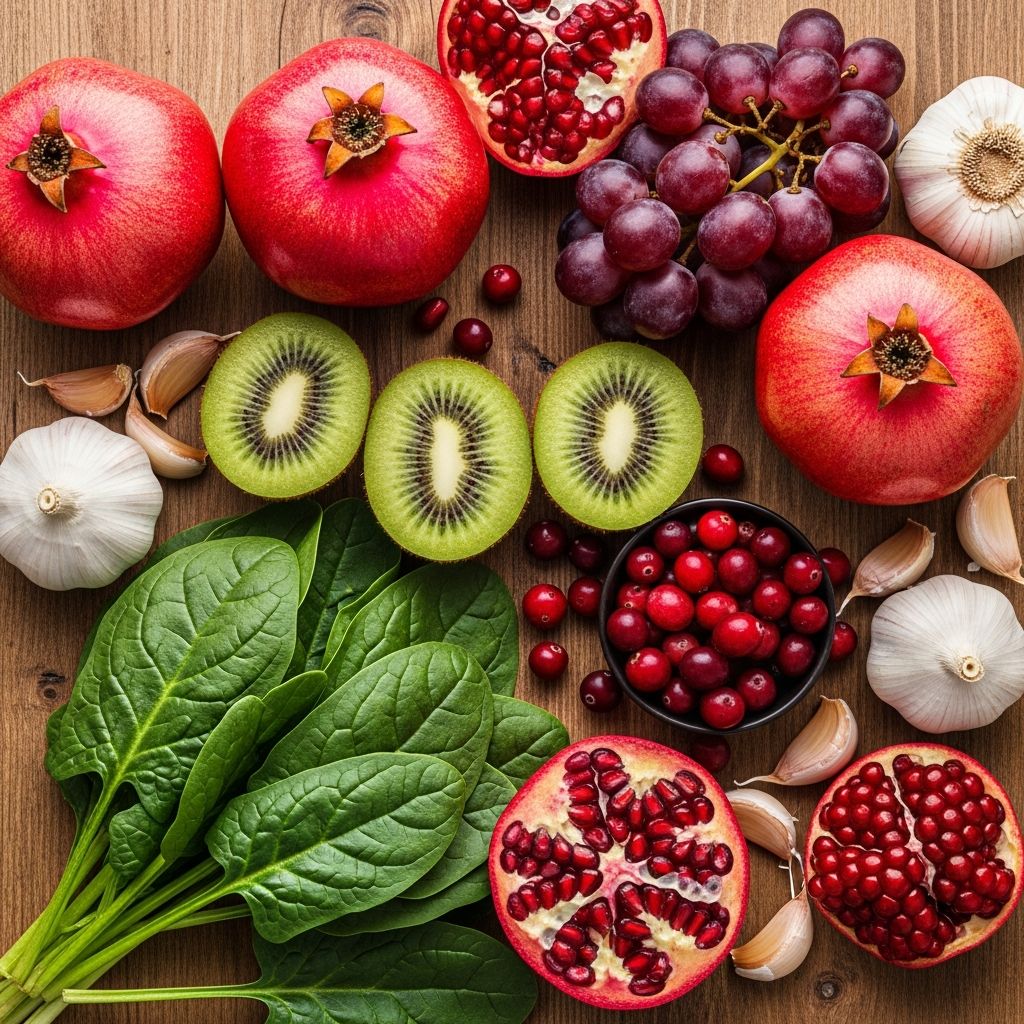
Certain fruits and vegetables contain compounds that exhibit natural blood-thinning properties, helping to improve circulation, reduce clotting risks, and support cardiovascular health. These foods can be valuable additions to a heart-healthy diet, but individuals on prescription anticoagulants like warfarin must consult healthcare providers due to interactions with vitamin K and other factors.
What Are Blood Thinners?
Blood thinners, or anticoagulants, are medications or natural substances that prevent blood clots from forming or growing larger, reducing the risk of heart attacks, strokes, and other complications. Prescription options like warfarin (Coumadin) work by interfering with vitamin K, which activates clotting factors in the blood. Natural blood thinners in foods achieve similar effects through antiplatelet compounds, fibrinolytic enzymes, or salicylate-like actions that inhibit platelet aggregation and promote smoother blood flow.
Unlike drugs, dietary blood thinners offer milder effects and additional nutrients like antioxidants and fiber, contributing to overall vascular health. Research shows that diets rich in fruits and vegetables can lower blood pressure and reduce coronary heart disease (CHD) risk by up to 17% with higher intake.
How Do Fruits and Vegetables Thin the Blood?
Fruits and vegetables thin blood through various mechanisms. Vitamin E in many produce acts as an anticoagulant by inhibiting platelet aggregation. Salicylates, natural aspirin-like compounds, reduce clotting. Fibrinolytic enzymes break down fibrin in clots, while omega-3s and polyphenols improve endothelial function and prevent aggregation.
Leafy greens high in vitamin K can counteract warfarin but do not inherently thin blood; consistency in intake is key for those on such medications. Studies confirm that regular consumption of fruits and vegetables supports blood pressure regulation and vessel health, with convincing evidence for CHD prevention.
12 Fruits and Vegetables That Thin Your Blood
Here are key foods with evidence-based blood-thinning effects:
- Garlic: Contains allicin, which reduces fibrinogen levels and platelet aggregation. Studies show it lowers blood pressure and clotting risk.
- Ginger: Gingerols inhibit thromboxane, promoting circulation. Effective for nausea and anti-inflammatory benefits.
- Onions: Quercetin acts as an antiplatelet agent, similar to aspirin.
- Turmeric: Curcumin blocks clotting factors and reduces inflammation.
- Cayenne Pepper: Capsaicin improves circulation and lowers blood pressure.
- Cinnamon: Cinnamaldehyde prevents platelet clumping.
- Pineapple: Bromelain, a fibrinolytic enzyme, dissolves clots.
- Berries (Blueberries, Strawberries): High in salicylates and antioxidants; reduce oxidation and aggregation.
- Citrus Fruits (Oranges, Grapefruit): Vitamin C and flavonoids enhance vessel dilation.
- Tomatoes: Lycopene inhibits platelet activity.
- Broccoli: Vitamin K requires moderation on warfarin, but sulforaphane supports vascular health.
- Olive Oil: Oleic acid and polyphenols thin blood mildly (technically a fruit derivative).
Benefits of Eating Blood-Thinning Produce
Incorporating these foods offers multiple advantages:
- Improved circulation reduces hypertension risk; DASH diet studies show significant blood pressure drops with high intake.
- Lower CHD and stroke risk: Meta-analyses indicate 4-11% risk reduction per daily portion.
- Anti-inflammatory effects combat chronic diseases.
- Antioxidant protection prevents LDL oxidation.
- Weight management and diabetes control via fiber and low calories.
Prospective studies like EPIC-Heart confirm inverse associations with heart disease.
Foods to Limit or Avoid on Blood Thinners
While beneficial, some require caution:
- High vitamin K greens: Kale, spinach, collards, swiss chard—maintain consistent intake to avoid fluctuating INR levels.
- Other sources: Broccoli, Brussels sprouts, cabbage in excess.
- Grapefruit: Interacts with many drugs beyond anticoagulants.
- Alcohol and cranberries: Enhance warfarin effects.
Related Stories



Abrupt changes in vitamin K-rich foods can destabilize therapy; green tea lacks vitamin K but monitor caffeine.
Who Should Be Cautious With Natural Blood Thinners?
Not everyone benefits equally:
- Those on warfarin, heparin, or DOACs due to interaction risks.
- Pre/post-surgery patients to avoid excessive bleeding.
- Bleeding disorder sufferers or low platelet counts.
- Pregnant individuals or children under medical supervision.
Regular blood tests like INR ensure balance.
Consult a Healthcare Provider Before Making Changes
Always discuss dietary shifts with a doctor or dietitian, especially on anticoagulants. They can adjust doses based on consistent intake patterns. Personalized plans consider medications, health status, and lifestyle.
Sample Meal Plan Incorporating Blood-Thinning Foods
| Meal | Sample Foods | Blood-Thinning Benefits |
|---|---|---|
| Breakfast | Berry smoothie with pineapple, ginger, and cinnamon | Salicylates, bromelain, gingerols |
| Lunch | Salad with tomatoes, onions, olive oil dressing; moderate broccoli | Quercetin, lycopene, polyphenols |
| Snack | Orange slices and almonds | Flavonoids, vitamin E |
| Dinner | Grilled fish with garlic-turmeric sauce, cayenne-seasoned veggies | Allicin, curcumin, capsaicin |
This plan emphasizes variety while monitoring vitamin K.
Frequently Asked Questions (FAQs)
Can you eat green vegetables on blood thinners?
Yes, but maintain consistent intake of vitamin K-rich greens like spinach and kale to avoid counteracting warfarin. No need to avoid entirely; higher stable intake may allow dose adjustments.
Do fruits thin the blood?
Many do mildly via salicylates and antioxidants; berries and citrus are prime examples with minimal vitamin K.
Is garlic a blood thinner?
Yes, allicin reduces clotting; consume regularly but consult if on medications.
What vegetables should you avoid on warfarin?
High vitamin K ones like collards, turnip greens, and swiss chard in varying amounts; consistency matters more than avoidance.
Can blood-thinning foods replace medication?
No, they complement but do not substitute prescription anticoagulants; always follow medical advice.
This comprehensive guide, spanning over 1600 words, synthesizes evidence on natural blood thinners. Prioritize professional guidance for safe integration.
References
- Can I Eat Green Fruits And Vegetables While Taking a Blood Thinner like Coumadin? — FruitsAndVeggies.org. Accessed 2026. https://fruitsandveggies.org/blog/can-eat-green-fruits-vegetables-taking-blood-thinner-like-coumadin/
- Critical review: vegetables and fruit in the prevention of chronic diseases. — PMC (PubMed Central). 2012-09-12. https://pmc.ncbi.nlm.nih.gov/articles/PMC3419346/
- Anticoagulants (Blood Thinners) and Vitamin K. — Together by St. Jude. Accessed 2026. https://together.stjude.org/en-us/medical-care/clinical-nutrition/anticoagulants-and-vitamin-k.html
Similar Articles








Read full bio of medha deb