Blood Types: What They Are and Mean for Your Health
Understanding blood types: ABO systems, compatibility, and why your blood type matters for transfusions.
Your blood type is one of the most important pieces of medical information healthcare providers need to know about you. Whether you’re donating blood, receiving a transfusion, or simply understanding your own health, blood type plays a critical role in medical care. Blood types are classifications that allow healthcare providers to determine whether your blood is compatible or incompatible with someone else’s blood, preventing potentially life-threatening immune reactions during transfusions.
Understanding Blood Type Basics
Blood is composed of several different components that work together to keep your body functioning properly. Most people have approximately 4 to 6 liters of blood circulating through their bodies. Your blood consists of different types of cells suspended in plasma, which is a fluid made up of salts and proteins. The primary cellular components include:
- Red blood cells, which carry oxygen to tissues throughout your body and remove carbon dioxide
- White blood cells, which destroy harmful invaders and fight infections to protect your immune system
- Platelets, which help your blood clot and prevent excessive bleeding
Your specific blood type is determined by the presence or absence of certain proteins and antigens on the surface of your red blood cells. These antigens are inherited from your parents and remain constant throughout your lifetime. Understanding what these markers mean is essential for safe blood transfusions and blood donations.
The Eight Blood Types Explained
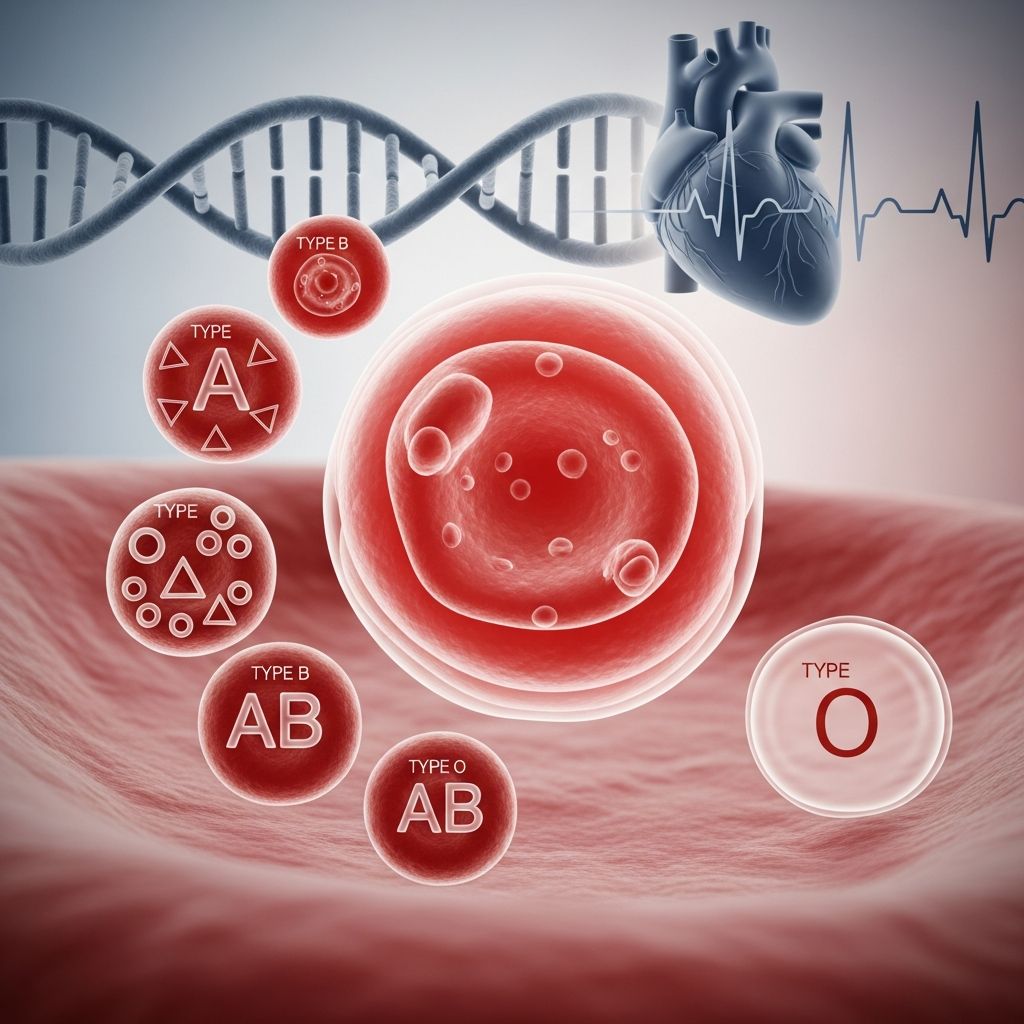
There are eight blood types included in the ABO and Rh blood group systems. Blood bank specialists determine your blood type by testing for two primary markers: antigens A and B, and a protein called the Rh factor. The presence or absence of these markers creates the eight most common blood types:
- A positive (A+)
- A negative (A-)
- B positive (B+)
- B negative (B-)
- AB positive (AB+)
- AB negative (AB-)
- O positive (O+)
- O negative (O-)
The ABO Blood Group System
The four major blood groups are determined by the presence or absence of two specific antigens—A and B—on the surface of your red blood cells. This classification system is called the ABO Blood Group System. Each group has distinct characteristics:
Group A contains the A antigen on red blood cells and B antibodies in the plasma. People with type A blood have this antigen present.
Group B contains the B antigen on red blood cells and A antibodies in the plasma. This group has the opposite antigen profile from type A.
Group AB contains both A and B antigens on red blood cells but has neither A nor B antibodies in the plasma. This is the rarest of the four main groups.
Group O doesn’t have either A or B antigens on red blood cells but has both A and B antibodies in the plasma. Despite lacking both antigens, this is the most common blood type.
Related Stories



The Rh Factor
In addition to the ABO system, blood specialists also look for a protein called the Rh factor, also known as the Rhesus factor. Your blood is classified as positive (+) if you have this protein and negative (-) if you don’t. The Rh factor is independent of the ABO system, which is why each of the four main blood groups can be either positive or negative, creating eight possible combinations.
Blood Type Prevalence in the United States
Blood type distribution varies significantly across different populations in the United States. O positive (O+) is the most common blood type, occurring in approximately 37 to 38 percent of the population. This prevalence makes O+ blood constantly in high demand for transfusions and emergency medical situations.
A positive (A+) is the second most common blood type, present in approximately 35.7 percent of the U.S. population. Together, these two blood types account for the vast majority of the blood supply used in hospitals and blood banks across the country.
The least common blood types are AB negative (AB-) and B negative (B-). However, blood type prevalence varies significantly among different ethnic and racial groups. For example, approximately 45 percent of Caucasians have type O blood, while 51 percent of African-Americans and 57 percent of Hispanics have type O blood. These differences in blood type distribution among minority populations make diverse blood donors critically important for meeting the medical needs of patients within those communities.
Blood Type Compatibility for Transfusions
Understanding blood type compatibility is essential for safe transfusions. If you receive blood that is incompatible with your blood type, your immune system may recognize the donor blood as a foreign invader and launch an attack, causing a potentially life-threatening transfusion reaction. Healthcare providers carefully match blood types to prevent these dangerous complications.
Blood Compatibility Chart
| Blood Type | Can Receive From | Can Donate To |
|---|---|---|
| A+ | A+, A-, O+, O- | A+, AB+ |
| A- | A-, O- | A-, A+, AB-, AB+ |
| B+ | B+, B-, O+, O- | B+, AB+ |
| B- | B-, O- | B-, B+, AB-, AB+ |
| AB+ | All blood types | AB+ |
| AB- | AB-, A-, B-, O- | AB-, AB+ |
| O+ | O+, O- | O+, A+, B+, AB+ |
| O- | O- | All blood types |
Specific Blood Type Compatibility Details
Type A Blood: If you have type A blood, you can only receive blood from type A or type O donors. You can donate your blood to people with type A or AB blood types. The presence of B antibodies in your plasma means you cannot safely receive type B or AB blood.
Type B Blood: If you have type B blood, you can receive blood from type B or type O donors. You can donate to people with type B or AB blood types. Your A antibodies prevent you from safely receiving type A or AB blood.
Type AB Blood: People with type AB blood are universal recipients. Your blood recognizes all potential antigens as safe, so your immune system doesn’t launch an attack when receiving any blood type. However, you can only donate to other people with AB blood.
Type O Blood: If you have type O blood, you can only receive type O blood for red blood cell transfusions. However, you can donate to people with any blood type, making O blood donors extremely valuable.
Universal Donors and Recipients
O negative (O-) is the universal red blood cell donor. With fewer than 7 percent of the population having this blood type, O negative blood is rare and in extremely high demand. O negative blood can be given to patients with any blood type, making it invaluable during emergency situations when there’s no time to determine a patient’s blood type.
AB positive (AB+) is the universal recipient. People with AB+ blood can safely receive red blood cells from any other blood type without triggering an immune reaction. This unique compatibility makes AB+ individuals ideal candidates to receive blood transfusions from any donor.
For plasma donations, the compatibility differs slightly. Type AB is the universal plasma donor, meaning AB plasma can be given to patients with any blood type. This distinction is important because plasma is the liquid portion of blood and has different compatibility requirements than whole blood or red blood cells.
Rare Blood Types and Genetic Diversity
While the eight common blood types account for the vast majority of the population, there are more than 300 other known antigens whose presence or absence creates rare blood types. Some blood types are unique to specific ethnic or racial groups, making blood donations from diverse populations critically important for patient care.
For example, certain blood types that are rare in the general population may be more common in African-American communities. This is particularly important for patients with sickle cell disease, a genetic condition that predominantly affects people of African descent. An African-American blood donation may be the best or only hope for meeting the medical needs of patients with sickle cell disease.
One particularly rare blood type is Rh-null, sometimes referred to as “golden blood.” With fewer than 50 people known to have this blood type worldwide, it is extraordinarily rare. Rh-null blood can be given to people with rare blood types that don’t fit into the standard eight categories.
Why Blood Type Matters for Health
Your blood type matters significantly for your health and medical care beyond just blood transfusions. Healthcare providers need to know your blood type for several important reasons:
- During emergency situations, knowing your blood type can save precious time and potentially your life
- If you’re planning surgery, your blood type must be on file in case a transfusion becomes necessary
- During pregnancy, certain blood type combinations between mother and baby require special monitoring and treatment
- For organ and tissue transplantation, blood type compatibility is one of several important factors
- If you donate blood or plasma, your blood type determines who can benefit from your donation
Inheriting Your Blood Type
Your blood type is determined by genes you inherit from your parents. However, it’s interesting to note that even if both your parents have the same blood type, your blood type could be different. This is because blood type inheritance follows specific genetic patterns. Each parent contributes one gene for blood type, and the combination of these two genes determines your blood type. This genetic inheritance explains why blood type diversity exists even within families.
How Blood Type Is Determined
Blood bank specialists use specific laboratory tests to determine your blood type. They examine your red blood cells for the presence of antigens A and B, and they test for the Rh factor protein. This testing is quick and accurate, typically taking only a few minutes. Your blood type is then recorded in medical records and can be referenced whenever needed for medical procedures or blood donations.
Blood Type and Donation Frequency
Different blood types may be requested for different types of donations. People with O positive or O negative blood may commonly be asked to donate whole blood or red blood cells, given the high demand for these types. Donors with other blood types may frequently be asked to donate platelets, which help blood clot and are particularly beneficial in treating people with blood cancers.
Frequently Asked Questions
Q: What is the most common blood type?
A: O positive (O+) is the most common blood type in the United States, occurring in approximately 37 to 38 percent of the population. This type is also the most needed for transfusions since it’s given to patients more frequently than any other type.
Q: What is the rarest blood type?
A: AB negative (AB-) is one of the rarest blood types, along with B negative. However, Rh-null blood, sometimes called “golden blood,” is extraordinarily rare with fewer than 50 known cases worldwide.
Q: Can I donate blood if I have O positive blood?
A: Yes, people with O positive blood can donate to anyone with a positive blood type (A+, B+, AB+, O+). However, O positive blood cannot be given to people with negative blood types due to Rh incompatibility.
Q: Who is the universal recipient for blood transfusions?
A: People with AB positive (AB+) blood are universal recipients and can receive red blood cells from any other blood type without triggering an immune reaction.
Q: Why is O negative blood so important?
A: O negative blood is the universal donor and can be given to patients with any blood type. It’s especially critical during emergencies when there’s no time to determine a patient’s blood type. Only 7 percent of the population has O negative blood, making it rare and highly valuable.
Q: Can blood type affect pregnancy?
A: Yes, blood type compatibility between mother and baby is important during pregnancy. Certain blood type combinations may require special monitoring and treatment to prevent complications.
Q: Is blood type hereditary?
A: Yes, you inherit your blood type from your parents through specific genes. However, your blood type may differ from your parents’ blood types depending on which genes you inherit from each parent.
Q: What is plasma compatibility for donations?
A: Type AB is the universal plasma donor, meaning AB plasma can be given to patients with any blood type. This differs from red blood cell donation compatibility.
References
- Blood Types: What They Are and Mean for Your Health — Cleveland Clinic. 2024. https://my.clevelandclinic.org/health/treatments/21213-blood-types
- Blood Types Explained – A, B, AB and O — American Red Cross. 2024. https://www.redcrossblood.org/donate-blood/blood-types.html
- Blood Types Explained: Health, Compatibility, and Rare Types — WebMD. 2024. https://www.webmd.com/a-to-z-guides/blood-types-what-to-know
- Everything (and then some) about Blood Types — Quest Diagnostics. 2024. https://www.questhealth.com/articles/everything-and-then-some-about-blood-types.html
- Rhesus (Rh) Factor: Incompatibility, Complications & Pregnancy — Cleveland Clinic. 2024. https://my.clevelandclinic.org/health/diseases/21053-rh-factor
- Blood Transfusion — Cleveland Clinic. 2024. https://my.clevelandclinic.org/health/treatments/14755-blood-transfusion
Similar Articles








Read full bio of Sneha Tete