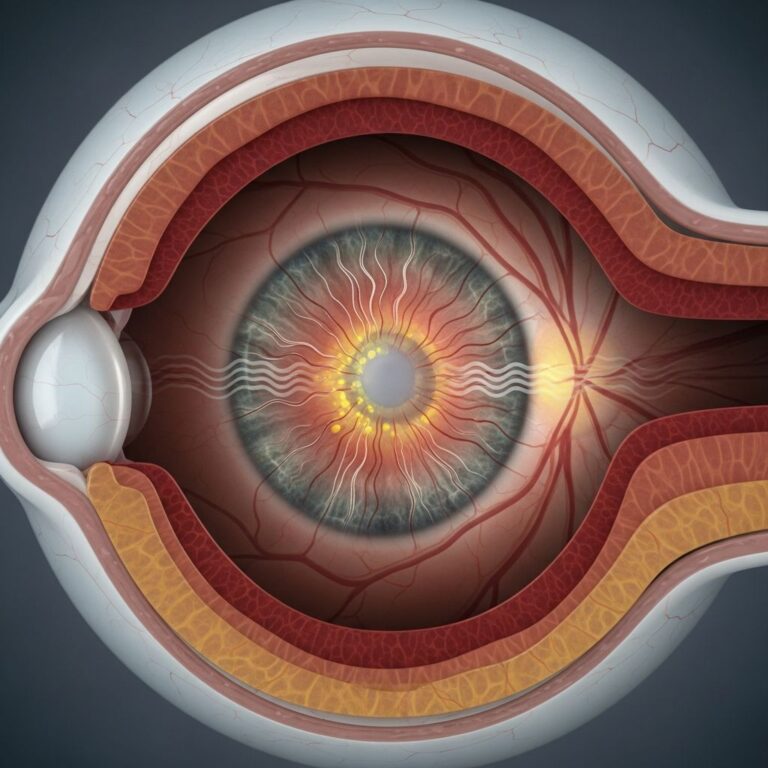
Blood Vessel Growth In Front Of The Eye: Causes & Treatments
Discover the causes, symptoms, and treatments for abnormal blood vessel growth affecting vision clarity and eye health.
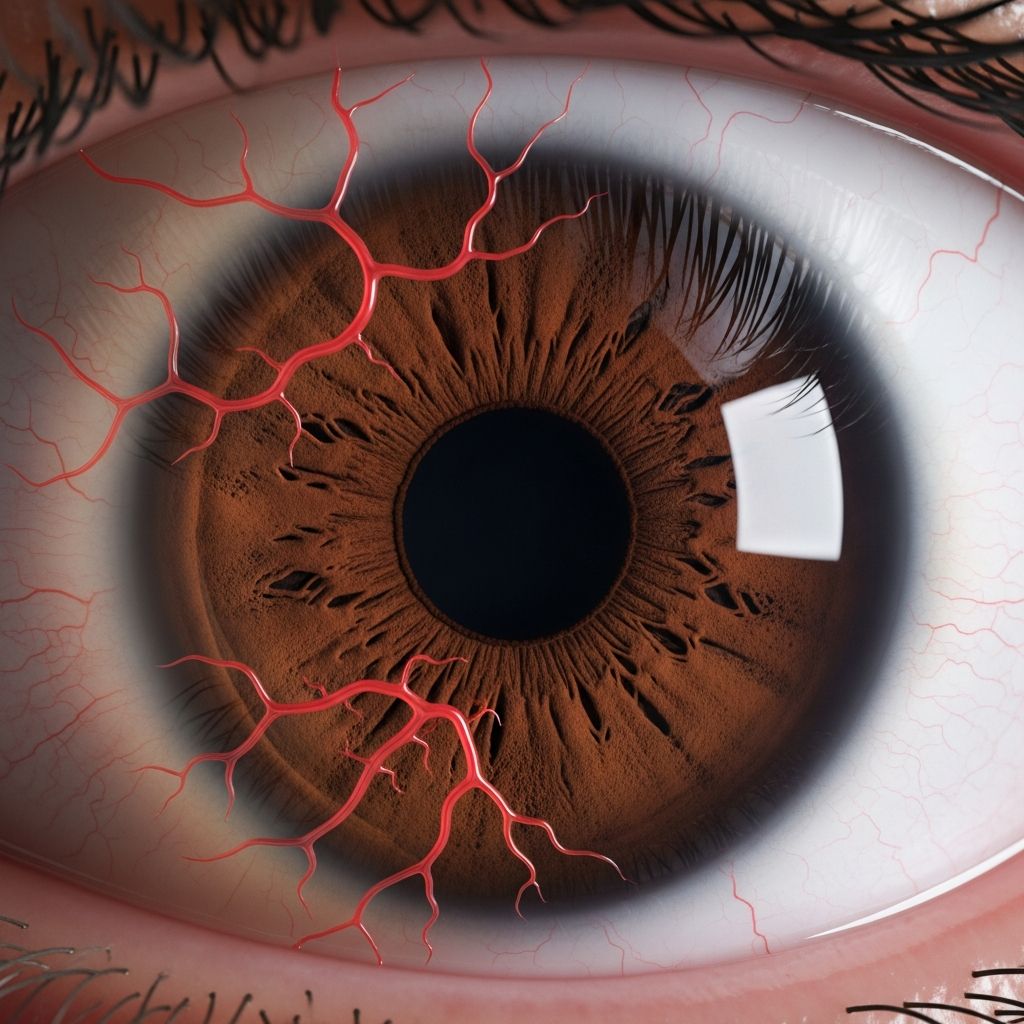
Abnormal blood vessel development on the eye’s surface or anterior structures, often called neovascularization, disrupts normal vision and can lead to serious complications if untreated. This condition arises when the body forms fragile new vessels in response to injury, disease, or oxygen deprivation, primarily affecting areas like the cornea, iris, or retina’s front layers.
Understanding Neovascularization in the Eye
Neovascularization refers to the pathological formation of new blood vessels in ocular tissues where they do not normally exist. These vessels are typically weak, leaky, and prone to hemorrhage, contrasting with the eye’s healthy vasculature designed for efficient nutrient delivery without interference. In anterior eye segments, such growth often appears as reddish lines or networks invading clear tissues, impairing transparency and function.
The process is driven by angiogenic factors, particularly vascular endothelial growth factor (VEGF), released during stress like hypoxia or inflammation. While the body uses this mechanism for healing, in the eye, it backfires by clouding vision paths.
Types of Ocular Neovascularization
Neovascularization manifests differently based on location, each with unique implications:
- Corneal Neovascularization: New vessels grow into the normally avascular cornea from the limbus, often due to trauma, infection, or contact lens overuse. This clouds the cornea, reducing light entry.
- Iris Neovascularization (Rubeosis Iridis): Vessels sprout on the iris surface, linked to retinal ischemia from diabetes or vein occlusions, potentially causing glaucoma.
- Retinal and Choroidal Forms: Though deeper, anterior leakage can mimic front-of-eye effects; choroidal neovascularization (CNV) breaches barriers into retinal spaces.
Each type demands specific diagnostic and therapeutic approaches to halt progression.[10]
Primary Causes and Risk Factors
Several triggers provoke this vessel proliferation:
| Cause | Description | Associated Conditions |
|---|---|---|
| Hypoxia/Ischemia | Oxygen shortage signals VEGF overproduction. | Diabetic retinopathy, retinal vein occlusion. |
| Inflammation | Chronic irritation stimulates growth factors. | Uveitis, ocular histoplasmosis. |
| Trauma | Injury disrupts barriers, inviting vessel ingrowth. | Surgery, chemical burns, angioid streaks. |
| Degenerative Diseases | Tissue breakdown promotes angiogenesis. | Age-related macular degeneration (AMD), pathologic myopia. |
Individuals with diabetes face heightened risk due to microvascular damage, while prolonged contact lens wear or infections like herpes simplex contribute to corneal cases. Genetic predispositions and aging further elevate susceptibility.
Recognizing the Symptoms
Early detection is crucial as symptoms can escalate rapidly. Common signs include:
- Redness and visible vessel networks on the eye surface.
- Blurred or distorted central vision, especially in CNV-related cases.
- Eye pain, photophobia, and tearing in corneal involvement.
- Floaters or dark spots from leakage.
- Sudden vision loss if hemorrhage occurs.
For iris neovascularization, elevated intraocular pressure may cause headaches and halos around lights. Peripheral vision often remains intact initially, but prompt evaluation prevents irreversible damage.
Diagnostic Approaches
Ophthalmologists employ advanced tools for confirmation:
- Slit-Lamp Examination: Reveals vessel extent and leakage.
- Fluorescein Angiography: Dye highlights abnormal flow patterns.
- Optical Coherence Tomography (OCT): Images fluid accumulation and vessel breaches.
- Gonioscopy: Assesses iris vessel impact on drainage angles.
Related Stories



These non-invasive methods guide precise intervention, often within hours of symptom onset for optimal outcomes.
Treatment Strategies
Management focuses on suppressing angiogenesis and stabilizing vision:
- Anti-VEGF Injections: Drugs like ranibizumab or aflibercept block VEGF, shrinking vessels effectively in CNV and retinal cases.
- Laser Photocoagulation: Seals leaky vessels, used for retinal neovascularization.
- Corticosteroids: Reduce inflammation in corneal or uveitic triggers.
- Surgical Options: Amniotic membrane transplants for cornea; vitrectomy for hemorrhage.
- Preventive Measures: Blood sugar control in diabetics; protective eyewear.
Combination therapies yield best results, with regular monitoring essential post-treatment.
Preventing Progression and Complications
Proactive steps mitigate risks:
- Annual dilated exams for at-risk groups.
- Proper contact lens hygiene to avoid corneal issues.
- Lifestyle adjustments: smoking cessation, hypertension management.
- Early intervention upon symptom notice—time is vision.
Untreated, it leads to scarring, glaucoma, retinal detachment, or blindness.
Advances in Research and Future Outlook
Ongoing studies explore gene therapies targeting VEGF pathways and sustained-release implants to reduce injection frequency. Clinical trials emphasize personalized medicine based on genetic profiles, promising better long-term control.
Frequently Asked Questions (FAQs)
What triggers blood vessel growth on the eye’s front?
Injury, infection, diabetes, or ischemia prompt VEGF release, spurring fragile vessel formation.
Is this condition painful?
Corneal types often cause pain and light sensitivity; deeper ones may be painless until advanced.
Can it affect only one eye?
Yes, frequently unilateral, especially from trauma or localized disease.
How quickly should I seek treatment?
Immediately—delays risk permanent vision loss from leakage or scarring.
Are there home remedies?
No; professional care is mandatory. Avoid self-treatment to prevent worsening.
Does it recur after treatment?
Possible with underlying conditions; ongoing monitoring is key.
Neovascularization demands vigilance, but modern therapies restore and protect vision effectively when addressed promptly.
References
- Choroidal neovascularization (CNV): Symptoms and treatments — All About Vision. 2023. https://www.allaboutvision.com/conditions/choroidal-neovascularization-cnv/
- What is Choroidal Neovascularization? — BrightFocus Foundation. 2024. https://www.brightfocus.org/resource/what-is-choroidal-neovascularization/
- Neovascularization of the Eye: Types & Treatment — Cleveland Clinic. 2025-02-01. https://my.clevelandclinic.org/health/diseases/24131-neovascularization-of-the-eye
- Retinal Neovascularization: Mechanisms and Treatment Approaches — Palmetto Retina Center. 2024. https://www.palmettoretina.com/blog/retinal-neovascularization-mechanisms-and-treatment-approaches
- Ocular Neovascularization — National Center for Biotechnology Information (PMC). 2013-03-27. https://pmc.ncbi.nlm.nih.gov/articles/PMC3584193/
Similar Articles








Read full bio of medha deb