Blood: 4 Main Components And Their Functions
Understanding blood composition, function, and vital role in your body's health.
Blood: What It Is & Function
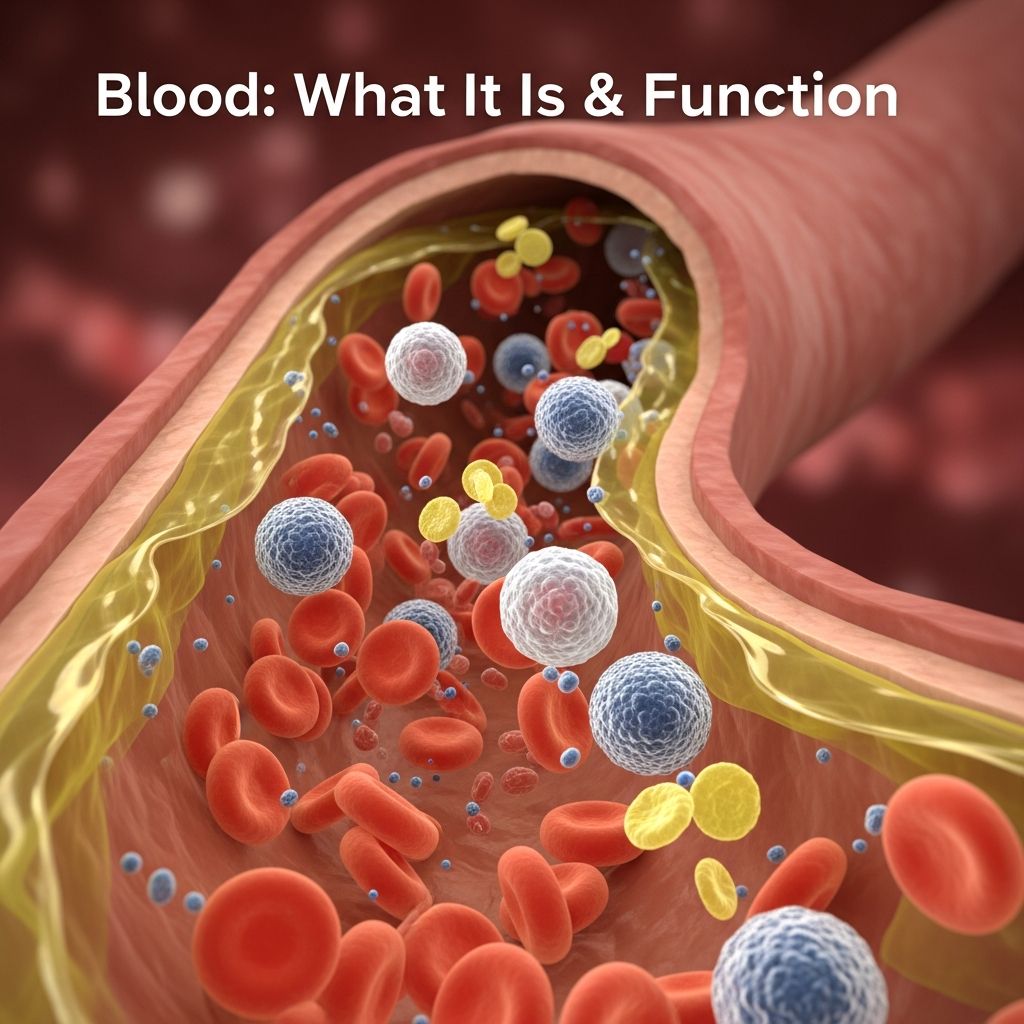
Blood is a specialized fluid that constantly flows throughout your body, delivering oxygen and nutrients while removing waste products. This vital bodily fluid is composed of four primary components: plasma, red blood cells, white blood cells, and platelets. Understanding the composition and function of blood is essential to appreciating how your body maintains health and fights disease.
What Is Blood?
Blood is more than just a red liquid flowing through your veins. It is a complex, living tissue that serves multiple critical functions in maintaining your health and survival. Your blood continuously circulates through your heart, lungs, and body in a sophisticated system designed to keep every cell nourished and functioning optimally. The average adult has approximately 4,500 to 5,700 milliliters of blood in their body, making it one of the most significant components of your physical makeup.
Components of Blood
Blood consists of four main components, each with specialized functions that work together to maintain your health:
Plasma: The Liquid Foundation
Plasma is the liquid component of blood, making up about 55% of your total blood volume. This yellowish fluid serves as the transportation medium for blood cells and carries essential nutrients, hormones, proteins, and waste products throughout your body. Plasma also contains clotting factors and antibodies that help your immune system function effectively.
Red Blood Cells: Oxygen Carriers
Red blood cells, also called erythrocytes, are responsible for transporting oxygen from your lungs to your body’s tissues. These disc-shaped cells contain hemoglobin, a protein that binds oxygen and gives blood its characteristic red color. Red blood cells are produced in your bone marrow and typically live for about 120 days. Your tissues use the oxygen delivered by red blood cells to produce energy and release carbon dioxide as waste, which red blood cells then transport back to your lungs for exhalation. Normal red blood cell counts vary by person but generally range from 4.5 to 5.9 million cells per microliter for men and 4.1 to 5.1 million cells per microliter for women.
White Blood Cells: Immune Defenders
White blood cells, also known as leukocytes, are crucial components of your immune system that protect your body against infection and disease.[10] These cells make up approximately 1% of your blood and work tirelessly to identify and destroy harmful invaders such as bacteria, viruses, fungi, and cancer cells. There are five primary types of white blood cells, each with unique functions and timelines. Neutrophils are the most common type, comprising more than half of all white blood cells in your body. Other types include lymphocytes, monocytes, eosinophils, and basophils, each playing distinct roles in immune defense.[10]
Related Stories



Platelets: Clotting Specialists
Platelets, also called thrombocytes, are plate-shaped cell fragments that play a critical role in controlling bleeding and protecting your body. When your blood vessels are damaged, platelets are the first responders, rushing to the injury site to seal the wound by forming blood clots. This prevents excessive bleeding and helps keep harmful germs out of your body. Platelets have a relatively short lifespan of approximately one week, after which your bone marrow produces new ones to maintain adequate levels.
Major Functions of Blood
Oxygen and Nutrient Delivery
One of blood’s most essential functions is delivering oxygen and nutrients to every cell in your body. Red blood cells pick up oxygen from your lungs and distribute it throughout your circulatory system. Simultaneously, plasma carries nutrients absorbed from your digestive system to cells that need them for energy, growth, and repair. Without this constant supply of oxygen and nutrients, your cells cannot produce the energy required for survival.
Waste Removal
As your cells use oxygen to produce energy, they generate waste products, primarily carbon dioxide. Your blood collects these waste products and transports them to organs responsible for elimination. Carbon dioxide is carried back to your lungs for exhalation, while other metabolic wastes are filtered by your kidneys and eliminated through urine. This waste removal function prevents toxic buildup that could damage your tissues and organs.
Immune Defense
White blood cells constantly patrol your bloodstream, searching for harmful invaders. When germs or cancer cells are detected, white blood cells engage and destroy them through various mechanisms including direct attack and antibody production. Your blood also carries antibodies and other immune proteins that enhance your body’s ability to fight infections and maintain health.
Temperature Regulation
Your blood plays an important role in maintaining your body’s temperature. Blood vessels near your skin can dilate to release heat when your body is too warm, or constrict to conserve heat when your body is too cold. This thermoregulation function helps maintain your body temperature at the optimal 98.6 degrees Fahrenheit (37 degrees Celsius).
Hormone Transportation
Blood serves as the delivery system for hormones produced by your endocrine glands. These chemical messengers regulate numerous bodily functions including growth, metabolism, reproduction, and mood. Without blood circulation, hormones could not reach their target cells to exert their effects.
Blood Cell Production
Your body continuously produces blood cells in your bone marrow, a process called hematopoiesis. Red blood cells are produced at an enormous rate—approximately two million per second—to replace those that naturally die after their lifespan ends. White blood cells and platelets are also produced in the bone marrow at rates that can increase when your body faces infection or injury. This remarkable regenerative capacity ensures that your blood maintains healthy cell counts and continues functioning optimally throughout your life.
Blood Circulation
Blood circulates through your heart, lungs, and body in a precisely orchestrated series of steps. Your heart pumps oxygen-poor blood from the right side to your lungs, where blood cells pick up oxygen. This oxygen-rich blood returns to the left side of your heart, which then pumps it throughout your body via arteries. After delivering oxygen and nutrients to tissues, blood becomes oxygen-poor and returns to your heart through veins, where the cycle repeats. This continuous circulation ensures that every cell in your body receives the oxygen and nutrients it needs while waste products are efficiently removed.
Common Blood Problems and Symptoms
Problems with your blood can arise from various conditions affecting blood cell production, function, or lifespan. The most common symptoms of blood disorders include:
- Unexplained fatigue and weakness
- Shortness of breath
- Pale or yellowed skin
- Excessive bruising
- Unusual bleeding or prolonged bleeding from cuts
- Blood in your stool or urine
- Enlarged spleen
- Rapid or irregular heartbeat
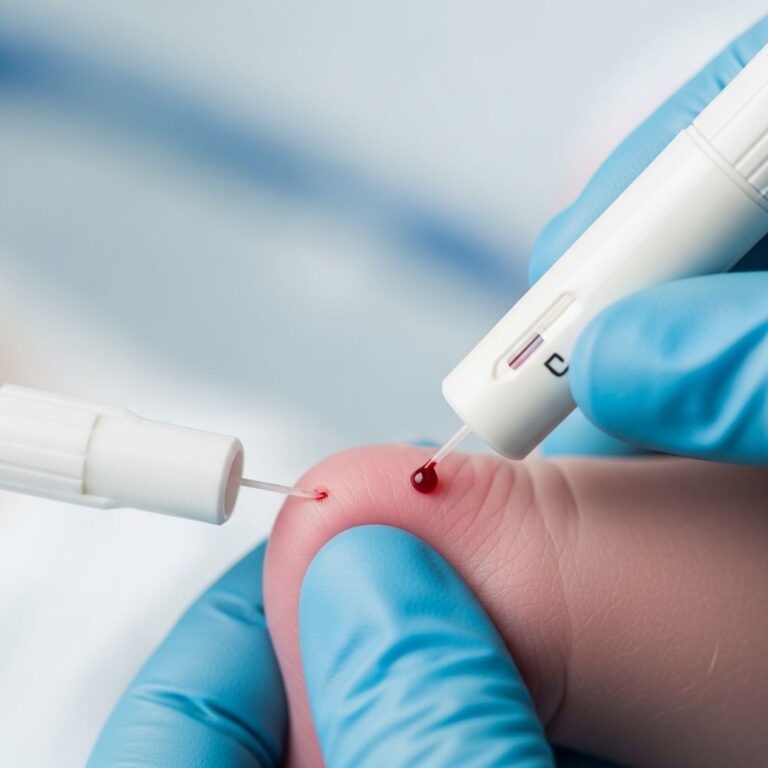
Blood tests play a crucial role in identifying conditions affecting your blood. These tests alert healthcare providers to problems impacting your blood and help them diagnose countless conditions. Blood test results reveal whether you have high or low blood cell counts or abnormal blood cells, providing information essential for proper diagnosis and treatment.
Blood Disorders and Conditions
Various conditions can affect blood and its components. Blood disorders are conditions that prevent parts of your blood from doing their jobs. Some people develop blood clotting disorders that cause excessive clotting, increasing the risk of stroke or heart attack. Others develop bleeding disorders that prevent normal clot formation, leading to excessive bleeding. Anemia, characterized by insufficient red blood cells or hemoglobin, reduces oxygen delivery to tissues. Leukemia and other blood cancers affect white blood cell production and function. With proper treatment, most blood disorders become manageable chronic conditions that do not significantly affect lifespan or quality of life.
Sex-Based Differences in Blood Vessel Function
Recent research has revealed important sex-based differences in how blood vessels function and contribute to heart disease. Studies examining endothelial cells—the cells that line major arteries and assist in oxygen exchange and blood flow—found that female endothelial cells show more characteristics that promote heart disease than male counterparts. These differences involve inflammatory and immune responses at the cellular level. Additionally, females were found to develop larger plaques in the aorta under the same conditions and were more likely to develop problems with how blood vessels expand and constrict. This research highlights the critical importance of incorporating both male and female models into heart disease research and treatment development, as these cells function and respond to treatment differently.
Blood Testing
Blood tests are among the most common diagnostic tools healthcare providers use to monitor health and diagnose conditions. A complete blood count (CBC) is the most common blood test, examining how many blood cells are present in your blood. Some tests check several different elements in your blood simultaneously, while others look for very specific elements. On average, a CBC test may require up to 30 milliliters of blood, though this is a small fraction of the 4,500 to 5,700 milliliters in an average adult’s body.
Maintaining Healthy Blood
Several lifestyle factors influence blood health and function. Regular exercise improves cardiovascular function and oxygen delivery. A balanced diet rich in iron, vitamin B12, and folic acid supports red blood cell production. Staying hydrated maintains adequate plasma volume. Avoiding smoking and limiting alcohol consumption protects blood vessel function. Managing stress, getting adequate sleep, and maintaining a healthy weight all contribute to optimal blood health. Regular medical check-ups and blood tests help identify potential problems early before they develop into serious conditions.
Frequently Asked Questions (FAQs)
Q: How much blood does an average adult have?
A: The average adult has approximately 4,500 to 5,700 milliliters of blood in their body, which is why a blood sample of 30 milliliters for testing represents only a small fraction of your total blood supply.
Q: How long do blood cells live?
A: Red blood cells typically live about 120 days, white blood cells vary in lifespan from hours to years depending on type, and platelets have a lifespan of approximately one week.
Q: What do white blood cells do?
A: White blood cells are part of your immune system and protect your body against infection by identifying and destroying harmful invaders such as bacteria, viruses, and cancer cells. They make up approximately 1% of your blood.
Q: Why are platelets important?
A: Platelets are plate-shaped cell fragments that control bleeding by forming clots when blood vessels are damaged. They seal wounds, prevent excessive bleeding, and help keep harmful germs out of your body.
Q: What should I do if I experience blood-related symptoms?
A: If you experience unexplained fatigue, shortness of breath, excessive bruising, unusual bleeding, or other concerning symptoms, consult your healthcare provider. They may recommend blood tests to identify any underlying conditions affecting your blood.
Q: How can I maintain healthy blood?
A: Maintain healthy blood through regular exercise, a balanced diet rich in iron and B vitamins, adequate hydration, avoiding smoking, limiting alcohol, managing stress, getting sufficient sleep, and maintaining a healthy weight. Regular check-ups help identify problems early.
References
- Blood Tests: Types, Results & How They Work — Cleveland Clinic. Accessed December 2025. https://my.clevelandclinic.org/health/diagnostics/24508-blood-tests
- Red Blood Cells: Function, Role & Importance — Cleveland Clinic. Accessed December 2025. https://my.clevelandclinic.org/health/body/21691-function-of-red-blood-cells
- White Blood Cells: Types, Function & Normal Ranges — Cleveland Clinic. Accessed December 2025. https://my.clevelandclinic.org/health/body/21871-white-blood-cells
- Blood Disorders: Types, Symptoms & Treatments — Cleveland Clinic. Accessed December 2025. https://my.clevelandclinic.org/health/diseases/21545-blood-disorders
- How Your Circulatory System Works — Cleveland Clinic. Accessed December 2025. https://my.clevelandclinic.org/health/body/circulatory-and-cardiovascular-system
- Cleveland Clinic researchers identify sex-based differences in blood vessel cells that contribute to heart disease — Cleveland Clinic Lerner Research Institute. 2024-02-12. https://www.lerner.ccf.org/news/article/?title=Cleveland+Clinic+researchers+identify+sex-based+differences+in+blood+vessel+cells+that+contribute+to+heart+disease
Similar Articles








Read full bio of Sneha Tete