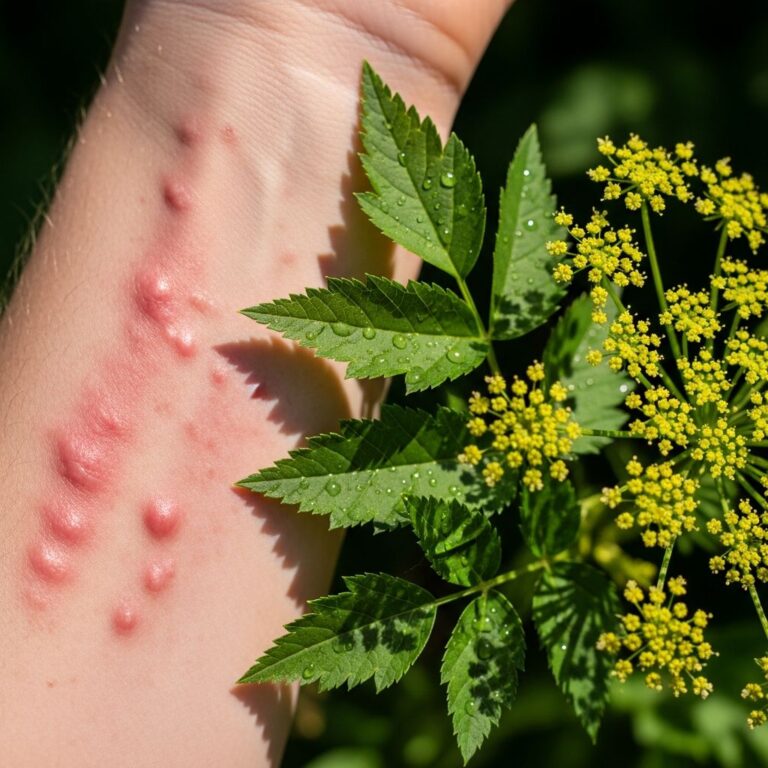
Bloom Syndrome: Rare Genetic Disorder Overview
Understanding Bloom syndrome: A rare inherited DNA repair disorder with distinctive skin and health manifestations.

Bloom Syndrome: A Rare Inherited Genetic Disorder
Bloom syndrome is a rare inherited condition characterized by distinctive clinical features that affect multiple body systems. First described by dermatologist Dr. David Bloom in 1954, this autosomal recessive disorder is also known as congenital telangiectatic erythema. The condition results from mutations in the BLM gene, which codes for a protein essential for DNA repair during cell replication. Understanding this syndrome is crucial for early diagnosis and appropriate management of affected individuals.
Causes and Genetic Basis
Bloom syndrome is caused by loss-of-function mutations in the BLM gene located at chromosomal position 15q26.1. This gene encodes a RecQ helicase protein that plays a critical role in repairing DNA strands during DNA replication. Without functional BLM protein, cells are unable to effectively repair DNA damage, leading to chromosomal instability characteristic of this syndrome.
The inheritance pattern is autosomal recessive, meaning an affected individual must inherit mutated copies of the BLM gene from both parents. Various types of mutations have been documented, including:
- Missense mutations (causing amino acid changes)
- Nonsense mutations (creating premature stop codons)
- Frameshift mutations (altering the reading frame)
- Multiexonic deletions (removing multiple gene segments)
The somatic mutations that accumulate as a result of impaired DNA repair are directly responsible for the significantly increased cancer risk observed in individuals with Bloom syndrome.
Clinical Features and Physical Characteristics
Growth Deficiency
One of the most consistent and recognizable features of Bloom syndrome is marked growth deficiency. This growth reduction typically begins before birth (prenatal onset) and continues throughout childhood and adulthood. Affected individuals are usually smaller than 97 percent of the population in both height and weight from birth and rarely exceed 5 feet tall in adulthood. The growth deficiency is symmetric, affecting height, weight, and head circumference, with measurements typically falling more than two standard deviations below the mean.
Facial Features
Individuals with Bloom syndrome often display distinctive facial characteristics, though these features can be variable among affected persons. Common facial features include:
- Long and narrow face shape
- Underdeveloped cheekbone area (malar hypoplasia)
- Small lower jaw (retrognathia or micrognathia)
- Prominent nose and ears
- Head circumference below the 3rd percentile with long, narrow head shape
- Reduced subcutaneous fat tissue throughout the body
- High-pitched voice
Interestingly, some individuals with Bloom syndrome have facial features that are indistinguishable from their age-matched peers, highlighting the variability in clinical presentation.
Dermatologic Manifestations
Skin changes represent hallmark features of Bloom syndrome. Most affected individuals have normal skin at birth and during early infancy, with dermatologic symptoms developing as they age. The primary skin manifestations include:
Photosensitive Rash: A characteristic butterfly-shaped rash typically develops across the nose and cheeks following sun exposure. This erythematous rash is primarily characterized by telangiectases (small clusters of enlarged blood vessels) and may exhibit features of poikiloderma (abnormal pigmentation and skin texture changes). Over time, similar rashes often appear on the dorsum of the hands, forearms, neck, and other sun-exposed areas.
Related Stories



Pigmentation Changes: Patches of skin that are lighter (hypopigmentation) or darker (hyperpigmentation) than surrounding areas commonly develop. These patches appear on areas not typically exposed to sun and are unrelated to the sun-induced rashes.
Additional Skin Findings: Other reported dermatologic manifestations include:
- Café au lait macules (light brown skin patches)
- Cheilitis (inflammation of the lips)
- Skin fissuring and blistering
- Alopecia areata (patchy hair loss)
- Eyebrow and eyelash hair loss
- Extensive vesicular and bullous eruptions in response to excessive sun exposure
Immune System Complications
Individuals with Bloom syndrome frequently experience immune system deficiencies affecting both innate and adaptive immunity. These immunological abnormalities contribute to increased susceptibility to infections, including:
- Recurrent upper respiratory tract infections
- Chronic ear infections
- Lung infections and chronic obstructive pulmonary disease (COPD)
- Feeding difficulties in infancy, which may relate to immune dysfunction
Immune studies reveal abnormalities in T-cell and B-cell function, with particular impairment of the adaptive immune system. Some affected individuals have decreased immunoglobulin levels, which may warrant immunoglobulin replacement therapy. The combination of immune deficiency and chromosomal instability creates a particularly challenging health profile for affected individuals.
Cancer Risk and Early-Onset Malignancies
One of the most serious complications of Bloom syndrome is a greatly increased lifetime risk of developing cancer. Affected individuals can develop virtually any type of cancer, but these malignancies arise earlier in life than in the general population, and individuals often develop multiple cancers throughout their lifetime.
Cancer Types and Prevalence: Common cancer types include:
- Leukaemia and lymphoma
- Skin cancers (basal cell carcinoma most common, followed by squamous cell carcinoma)
- Gastrointestinal tract cancers
- Other solid tumors
Data from the Bloom Syndrome Registry indicates that among 168 patients who developed malignancy, 27 developed skin cancer at a mean age of 31.7 years, demonstrating the significantly accelerated timeline for cancer development in this population. The chromosomal instability inherent to Bloom syndrome leads to accumulation of somatic mutations that drive uncontrolled cell division and malignant transformation.
Associated Metabolic and Reproductive Complications
Beyond the primary features, Bloom syndrome is associated with several additional health complications affecting multiple organ systems:
Endocrine and Metabolic Issues: Increased risk of insulin resistance and diabetes represents a significant comorbidity. Affected individuals require surveillance for developing insulin resistance and implementation of appropriate preventive measures.
Reproductive System Effects: Men with Bloom syndrome typically do not produce sperm and are therefore infertile, unable to father children. Women with the disorder generally experience reduced fertility and enter menopause at an earlier age than typical.
Neurological Considerations: Some individuals develop learning disabilities, though the severity varies considerably among affected persons.
Diagnosis and Diagnostic Criteria
Diagnosis of Bloom syndrome involves recognition of a characteristic pattern of clinical features followed by confirmatory testing. The typical diagnostic approach includes:
Clinical Recognition: The diagnosis is suspected based on presentation with distinctive features including proportionate growth deficiency, characteristic skin changes with photosensitivity, distinctive facial features, and recurrent infections. No single set of formal clinical diagnostic criteria exists, but the pattern of findings is typically suggestive.
Cytogenetic Analysis: Clinical diagnosis can be confirmed through cytogenetic testing that identifies an increased number of sister chromatid exchanges (SCEs). This test demonstrates the chromosomal instability characteristic of the condition.
Molecular Confirmation: Definitive diagnosis requires molecular genetic testing that identifies biallelic (two mutated copies) mutations in the BLM gene, confirming the genetic basis of the condition.
Management and Treatment Approaches
While there is currently no treatment targeting the underlying genetic abnormality, a comprehensive management strategy can significantly improve quality of life and reduce complications:
Sun Protection: Rigorous sun protection is essential and represents one of the most important management strategies. Recommendations include:
- Regular application of high-SPF sunscreen
- Wearing protective clothing, wide-brimmed hats, and sunglasses
- Limiting outdoor exposure during peak sun hours
- Avoiding unnecessary sun exposure
Infection Management: Aggressive treatment of infections is necessary given the immune deficiencies. This includes prompt recognition and appropriate antibiotic therapy for respiratory and ear infections.
Metabolic Surveillance: Regular monitoring for insulin resistance and diabetes development allows for early intervention and prevention of these metabolic complications.
Cancer Surveillance: Early identification of cancer is critical. Regular screening and monitoring appropriate to the increased cancer risk can facilitate earlier detection and treatment.
Immunoglobulin Replacement: For individuals with documented decreased immunoglobulin levels, replacement therapy may be indicated to support immune function.
Prognosis and Long-Term Outcomes
The prognosis for individuals with Bloom syndrome varies considerably, reflecting the significant heterogeneity in disease manifestation and severity. While not every affected individual exhibits all features of the syndrome, the potential for serious complications necessitates comprehensive medical monitoring and management throughout life.
The greatest threats to long-term survival are related to early-onset cancers and infection-related complications. With appropriate surveillance and management of these complications, many individuals with Bloom syndrome can achieve meaningful lifespan and quality of life, though the diagnosis carries significant lifetime health implications.
Frequently Asked Questions About Bloom Syndrome
Q: How common is Bloom syndrome?
A: Bloom syndrome is a rare inherited disorder. The exact prevalence is unknown, but it is more common in individuals of Ashkenazi Jewish ancestry, with a higher carrier frequency in this population.
Q: At what age are symptoms typically noticed?
A: Growth deficiency is apparent from birth, with reduced size evident in the newborn period. Dermatologic manifestations typically appear during childhood as the child ages and experiences sun exposure. Immune-related infections may begin in infancy.
Q: Is Bloom syndrome treatable?
A: There is currently no cure for Bloom syndrome, and no treatment targets the underlying genetic abnormality. Management focuses on preventing complications through sun protection, treating infections aggressively, monitoring for diabetes and cancer, and providing supportive care.
Q: What is the inheritance pattern for Bloom syndrome?
A: Bloom syndrome follows an autosomal recessive inheritance pattern. Both parents must be carriers of a mutated BLM gene for a child to be affected. When both parents are carriers, each child has a 25% chance of being affected.
Q: Can genetic testing be performed prenatally?
A: Yes, prenatal genetic testing is possible if both parents are confirmed carriers or if a previous child was affected. Counseling with a genetic specialist is recommended for families with a history of Bloom syndrome.
Q: Should individuals with Bloom syndrome avoid all sun exposure?
A: Complete avoidance of sun exposure is not necessary, but strict sun protection measures are essential. This includes using high-SPF sunscreen, protective clothing, and avoiding peak sun exposure hours whenever possible.
References
- Bloom Syndrome — National Center for Biotechnology Information (NCBI). https://www.ncbi.nlm.nih.gov/books/NBK448138/
- Bloom’s Syndrome: Clinical Spectrum, Molecular Pathogenesis, and Strategies for Management — PubMed Central. https://pmc.ncbi.nlm.nih.gov/articles/PMC5260600/
- Bloom Syndrome — MedlinePlus Genetics, U.S. National Library of Medicine. https://medlineplus.gov/genetics/condition/bloom-syndrome/
- Bloom Syndrome — Immune Deficiency Foundation. https://primaryimmune.org/understanding-primary-immunodeficiency/types-of-pi/bloom-syndrome
- Overview & Symptoms — Bloom Syndrome Association. https://www.bloomsyndromeassociation.org/overview-symptoms/
- Presentation: Clinical Suspicion of Bloom Syndrome — Genomics Education, Health Education England. https://www.genomicseducation.hee.nhs.uk/genotes/in-the-clinic/presentation-clinical-suspicion-of-bloom-syndrome/
Similar Articles








Read full bio of medha deb