Blue Light Acne Treatment: Complete Guide To Safety And Results
Non-invasive blue light therapy targets acne bacteria, offering a safe alternative for mild to moderate acne management.
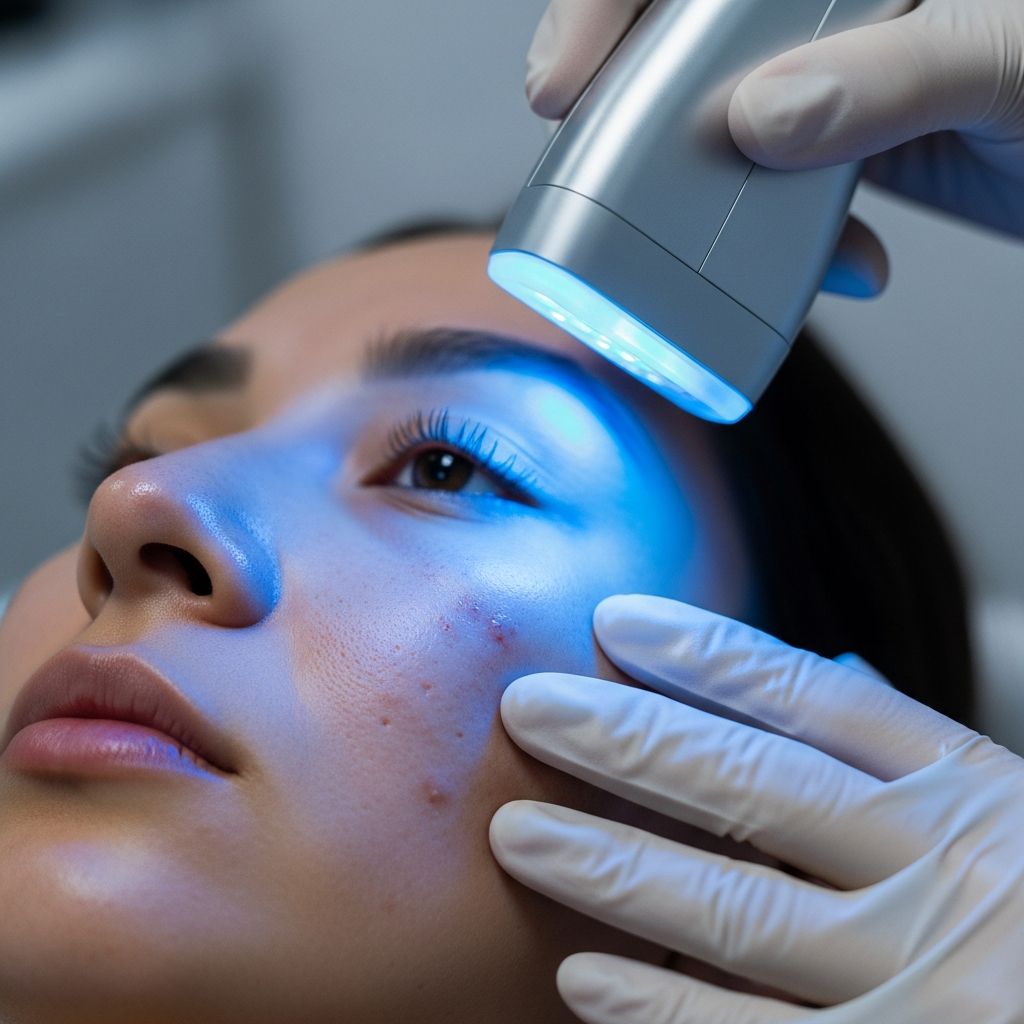
Blue light acne treatment is a non-invasive photodynamic therapy that employs light in the blue wavelength spectrum of
405-420 nm
to eradicate *Propionibacterium acnes* (*P. acnes*, now known as *Cutibacterium acnes*) bacteria responsible for acne. This FDA-approved method targets moderate acne vulgaris, particularly cases resistant to conventional treatments, by leveraging naturally produced porphyrins from the bacteria.What is blue light acne treatment?
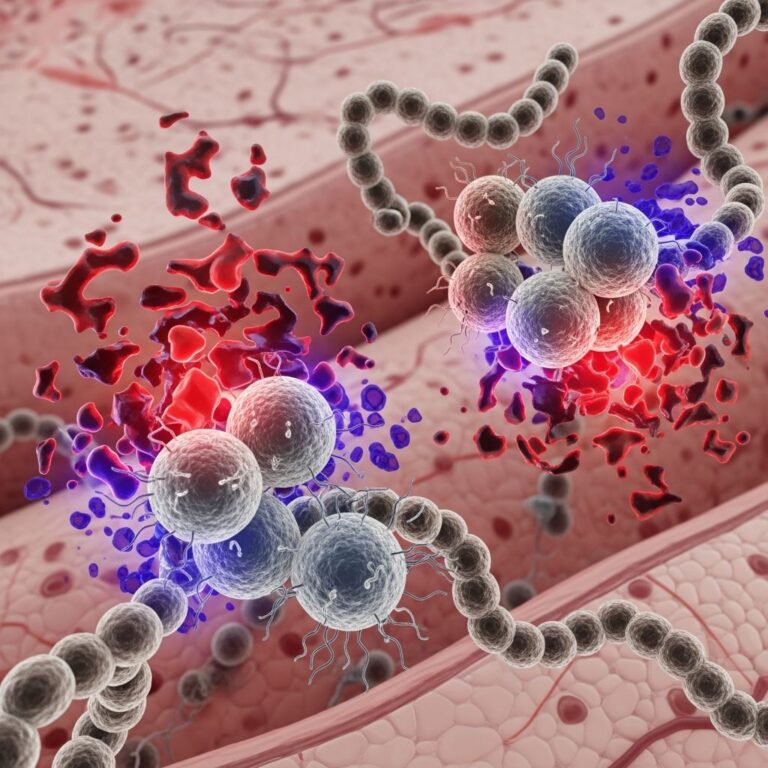
Acne vulgaris arises from the overgrowth of *P. acnes* bacteria within sebaceous follicles, triggering inflammation, papules, pustules, and sometimes nodules. These bacteria synthesize porphyrins—naturally occurring compounds involved in heme production in red blood cells. When exposed to specific blue light wavelengths, porphyrins absorb the energy, generating free radicals that induce oxidative damage and destroy the bacteria.
Unlike outdated ultraviolet (UV) light therapies, which posed risks of skin damage and carcinogenesis, modern blue light devices emit narrow-band, high-intensity light without UV components, ensuring safety for repeated use. Blue light penetrates approximately 0.3-1 mm into the skin, directly targeting superficial pilosebaceous units.
Blue–red light acne treatment
Combining blue light (415 nm) with red light (600-650 nm) enhances efficacy through synergistic effects. Blue light provides potent antibacterial action by exciting porphyrins at peak absorption (415 nm), producing reactive oxygen species. Red light penetrates deeper (1-2 mm), offering anti-inflammatory benefits by reducing macrophage inflammatory mediators, neutrophils, interleukins, and matrix metalloproteinases. It also promotes wound healing, inhibits hyperkeratinization, and strengthens the skin barrier.
Clinical trials demonstrate blue-red light superiority over blue light alone, reducing inflammatory and non-inflammatory lesions by up to 77% after 12 bi-weekly sessions. A recent study using a blue-red mask with salicylic acid showed 24.4% improvement in inflammatory lesions and 19.5% in non-inflammatory ones, outperforming benzoyl peroxide. This combination is safe during pregnancy and well-tolerated.
Photodynamic therapy for acne
Photodynamic therapy (PDT) amplifies blue light effects with topical photosensitizers like aminolevulinic acid (ALA) hydrochloride (e.g., Levulan® or Kerastick®) or methyl aminolevulinate (MAL). These induce protoporphyrin IX accumulation in pilosebaceous glands and bacteria, heightening photosensitivity.
PDT significantly reduces acne severity, with studies reporting 70-80% lesion clearance after 3-4 sessions. It targets not only bacteria but also sebaceous gland hyperactivity and abnormal keratinization. However, it may cause temporary crusting, erythema, and purging.
Procedure
The standard blue light procedure is straightforward: patients sit before a high-intensity blue light panel for 15-20 minutes, typically twice weekly for 4 weeks (8-12 sessions total). Skin is cleansed beforehand, and protective eyewear is worn.
With ALA-PDT: Apply ALA 30-60 minutes prior, then expose to blue light for 8-10 minutes. Sessions occur bi-weekly, with 3-5 treatments based on response. Blue-red PDT follows similar protocols but alternates wavelengths.
Home devices exist but require dermatologist supervision to ensure proper dosing and monitor progress. Professional settings guarantee calibrated light sources and adjunctive care.
Efficacy
Small-scale studies confirm blue light reduces inflammatory acne lesions by 50-70% after 4 weeks, with sustained benefits in mild-moderate cases. One trial noted 64% pustule reduction and 38% papule reduction. Blue-red combinations yield higher success (up to 77% total lesion reduction).
Related Stories



However, efficacy varies: nodulocystic acne may worsen initially due to porphyrin release. Larger, randomized controlled trials are needed for long-term data. It excels as an adjunct for antibiotic-resistant acne or when orals/topicals fail.
| Therapy | Wavelength (nm) | Depth (mm) | Main Effect | Efficacy (% Lesion Reduction) |
|---|---|---|---|---|
| Blue Light | 405-420 | 0.3 | Antibacterial | 50-70 |
| Red Light | 600-650 | 1-2 | Anti-inflammatory | 30-50 |
| Blue-Red | 415 + 650 | 0.3-2 | Synergistic | 70-77 |
| ALA-PDT | 405-420 + PS | 0.5-1 | Bacterial + Gland | 70-80 |
Side effects and contraindications
- Minor and transient: Erythema, dryness, mild tenderness, itching (resolves in hours-days).
- With PDT: Crusting, peeling, purging (1-7 days).
- Rare: Headache, rash, temporary worsening.
Contraindications include photosensitivity disorders (e.g., porphyria, lupus), active skin infections, or recent isotretinoin use. Avoid sun/tanning pre/post-treatment. Safe for most skin types, including pregnancy for blue-red. No systemic effects reported.
Frequently Asked Questions
What is the success rate of blue light acne treatment?
Studies show 50-70% reduction in lesions after 8-12 sessions; blue-red up to 77%. Results vary by acne severity.
How many sessions are needed?
Typically 8 (2/week for 4 weeks) for blue light; 3-5 bi-weekly for PDT. Maintenance may be required.
Is blue light therapy painful?
No, it’s painless with minimal warmth. PDT may cause mild stinging.
Can I do it at home?
Home devices available but consult a dermatologist for safety and efficacy.
Is it safe for all skin types?
Yes, low risk across Fitzpatrick types I-VI; avoid in photosensitive conditions.
Comparison with other acne treatments
Blue light suits mild-moderate inflammatory acne intolerant to topicals/orals. Unlike benzoyl peroxide (antibacterial but irritating) or antibiotics (resistance risk), it’s non-chemical. Lasers (e.g., 1450-nm diode) target glands deeper but cost more. PDT outperforms light alone but with downtime.
Future directions
Ongoing research explores optimized protocols, home PDT, and combinations with antimicrobials. Long-term studies will clarify durability.
This therapy represents a paradigm shift toward targeted, side-effect-minimal acne care, bridging gaps in conventional management.
References
- Blue light acne treatment — DermNet NZ. 2007 (updated). https://dermnetnz.org/topics/blue-light-acne-treatment
- Lasers, lights and acne — DermNet NZ. https://dermnetnz.org/topics/lasers-lights-and-acne
- Light Therapy for Acne: Can Phototherapy Help Keep Clear Skin? — WebMD. https://www.webmd.com/skin-problems-and-treatments/acne/phototherapy-for-acne
- Acne management — DermNet NZ. https://dermnetnz.org/topics/acne-treatment
- Phototherapy — DermNet NZ. https://dermnetnz.org/topics/phototherapy
Similar Articles








Read full bio of medha deb