Blue Light: Eye Risks and Protection Guide
Explore blue light's impact on vision, sleep, and health, plus proven strategies to safeguard your eyes from screens and daily exposure.
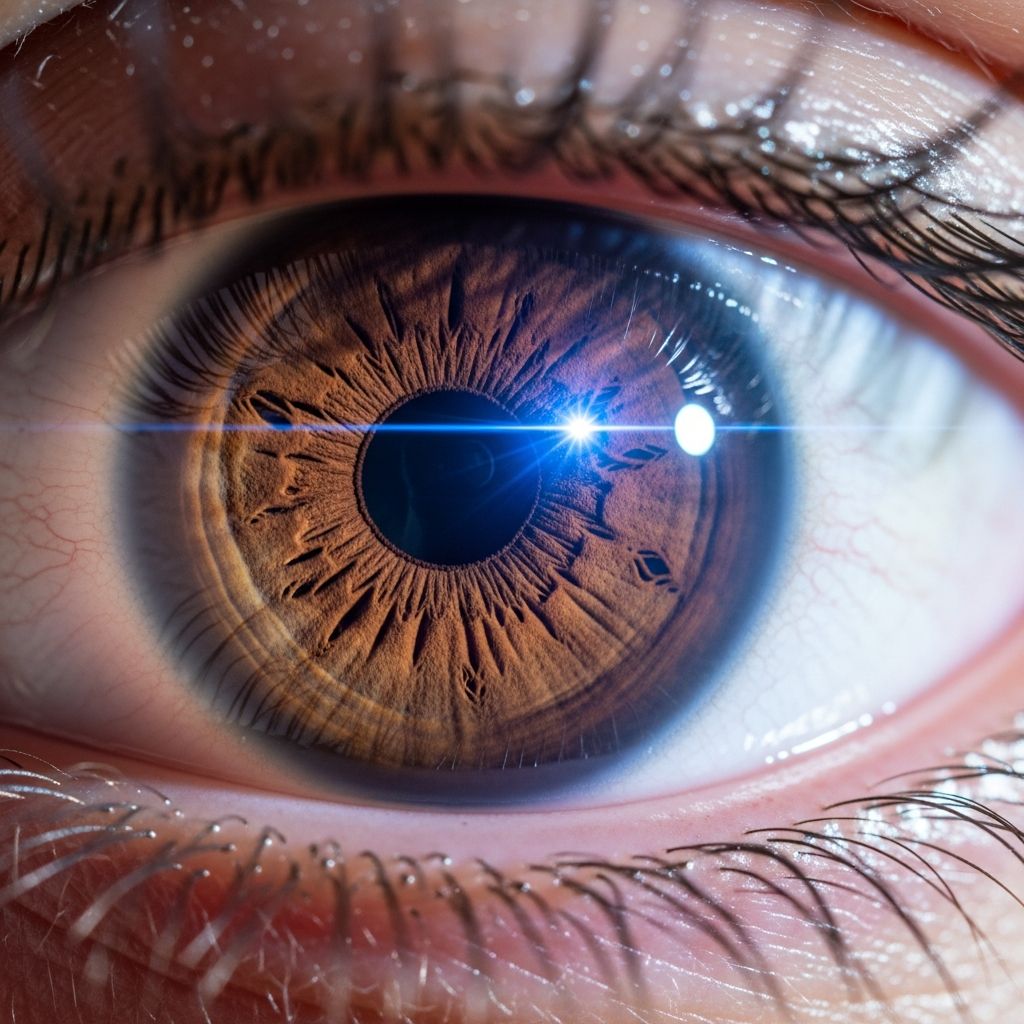
Blue light, a high-energy segment of the visible spectrum, permeates our daily lives through sunlight, LED bulbs, and digital screens. While essential for alertness, excessive exposure raises concerns about vision and sleep quality. This article delves into its sources, potential harms, and actionable defenses grounded in expert insights.
Understanding Blue Light and Its Sources
Blue light occupies wavelengths between 400-500 nanometers, characterized by short waves and high energy that allow it to penetrate deep into the eye. Unlike lower-energy colors like red, it scatters easily, contributing to glare on screens.
- Natural sources: The sun emits the highest levels, vital for circadian regulation but risky in excess.
- Artificial sources: LED lighting, fluorescent bulbs, TVs, computers, smartphones, and tablets all produce significant amounts, amplified by close-range, prolonged use.
- Modern trends: With 80% of adults using devices over two hours daily and 67% juggling multiple, exposure has surged.
Children’s eyes absorb more blue light due to clearer lenses, heightening vulnerability.
Immediate Impacts: Digital Eye Strain Explained
Prolonged screen time triggers digital eye strain (also called computer vision syndrome), affecting 59% of users with symptoms like sore eyes, blurred vision, headaches, and neck pain.
Key contributors include reduced blinking—down to a third of normal rates—leading to dry eyes, and blue light’s glare that lowers contrast sensitivity.
| Symptom | Description | Prevalence |
|---|---|---|
| Eye fatigue/irritation | Soreness from infrequent blinking | Common in 27-35% of users |
| Blurred vision | Temporary focus issues | Reported post-device use |
| Headaches | Tension from glare | Affects heavy screen users |
| Neck/shoulder pain | From poor posture | Linked to extended sessions |
These effects stem from blue light reaching the retina unfiltered, as corneas and lenses block little of it.
Long-Term Vision Threats from Blue Light
While sun exposure dwarfs screen output, chronic device proximity sparks debate on cumulative damage. High-energy visible (HEV) blue light may harm retinal cells, potentially accelerating age-related macular degeneration (AMD), cataracts, and eye surface growths.
- Retinal damage: Blue-violet rays penetrate macular pigment, with harm scaling by intensity, duration, and wavelength.
- AMD risk: Constant exposure could degenerate light-sensitive cells, a leading blindness cause.
- Cataracts: Lens clouding linked to overexposure, impairing clarity.
- Pediatric concerns: Higher absorption raises myopia odds, tying to glaucoma and retinal detachment later.
Research remains ongoing; some studies detect no major harm, but caution prevails for vulnerable groups.
Sleep Disruption: Blue Light’s Hidden Toll
Beyond eyes, blue light suppresses melatonin, the sleep hormone, mimicking daylight and delaying drowsiness. Evening exposure hinders falling asleep, cuts REM sleep, and leaves users unrested despite equal hours.
Circadian interference links to type 2 diabetes, heart disease, cancer, and cognitive issues. Nightly habits like pre-bed scrolling exacerbate this.
Blue light before bedtime disrupts sleep patterns, reducing melatonin and promoting wakefulness.
Debunking Blue Light Myths
Myths proliferate amid hype. Screens emit far less blue light than the sun, so total risk is lower, though proximity matters. Permanent blindness claims lack robust proof; focus on moderation instead.
Related Stories



- Myth: All blue light harms equally. Fact: Daytime boosts alertness; nighttime disrupts.
- Myth: Devices alone cause AMD. Fact: Sun dominates, but cumulative screen time adds up.
Effective Protection Strategies
Mitigate risks without panic. Prioritize habits over unproven gadgets.
Device and Environment Adjustments
- Follow the 20-20-20 rule: Every 20 minutes, view 20 feet away for 20 seconds.
- Optimize lighting: Match screen brightness to surroundings; use matte filters.
- Increase blink rate consciously; use artificial tears for dryness.
- Position screens at arm’s length, slightly below eye level.
Software and Night Modes
Activate built-in filters: Night Shift (iOS), Night Light (Windows), or apps like f.lux. These shift screens to warmer tones post-sunset, cutting blue output by 10-23%.
Blue Light Blocking Glasses
Evidence is mixed, but yellow-tinted lenses may ease strain and aid sleep for heavy users. They filter select wavelengths without dimming visuals much. Consult optometrists for fits.
| Method | Pros | Cons | Best For |
|---|---|---|---|
| Glasses | Portable, sleep aid | Costly, variable efficacy | Evening use |
| Night modes | Free, easy | Less filtering | All users |
| 20-20-20 rule | No cost, immediate relief | Requires discipline | Strain prevention |
Lifestyle Tips for All Ages
- Limit evening screens; opt for books or dim lights.
- Encourage kids outdoors to counter myopia risk.
- Wear UV/blue-blocking sunglasses outdoors.
- Schedule regular eye exams, especially if strained.
Special Considerations for Children and Seniors
Youth face amplified risks: Developing eyes filter less, and device habits foster myopia epidemics. Aim for outdoor time over screens.
Seniors, prone to AMD/cataracts, benefit most from filters and checks. Monitor for strain signaling underlying issues.
Future Research and Guidelines
Experts from UC Davis and Prevent Blindness urge balanced views: Screens pose manageable risks. Ongoing studies clarify long-term thresholds. Until then, habits trump hype.
Frequently Asked Questions (FAQs)
Is blue light from phones really dangerous?
No evidence supports acute danger, but chronic exposure contributes to strain and potential retinal stress. Moderation is key.
Do blue light glasses work?
They may reduce strain by 10-23% and improve sleep; results vary. Useful for extended use.
How much screen time is too much?
No universal limit, but breaks and under 2 hours evening exposure help. Watch for symptoms.
Can blue light cause cancer?
Indirect links via sleep disruption exist, but direct causation unproven. Prioritize sleep hygiene.
Are LED bulbs harmful?
They emit blue light, but less intensely than screens. Use warm LEDs at night.
References
- Blue Light and Eye Health — Greenway Vision. 2023. https://greenwayvision.com/resource/lenses-frames/blue-light-and-eye-health/
- How blue light affects your eyes, sleep, and health — UC Davis Health. 2022-08. https://health.ucdavis.edu/blog/cultivating-health/blue-light-effects-on-your-eyes-sleep-and-health/2022/08
- Blue Light and Your Eyes — Prevent Blindness. 2023. https://preventblindness.org/blue-light-and-your-eyes/
- What Is Blue Light and Is It Bad for Your Eyes? — Cleveland Clinic. 2023. https://health.clevelandclinic.org/what-is-blue-light
- Blue Light – How it Affects Your Eyes, Sleep and Health — UC Davis Health (YouTube). 2023. https://www.youtube.com/watch?v=-5HJoW9IP0I
Similar Articles








Read full bio of medha deb