Blue Light: Risks, Effects, And 6 Ways To Reduce Exposure
Uncover the dangers of blue light exposure and learn how to protect your sleep, eyes, and overall well-being.
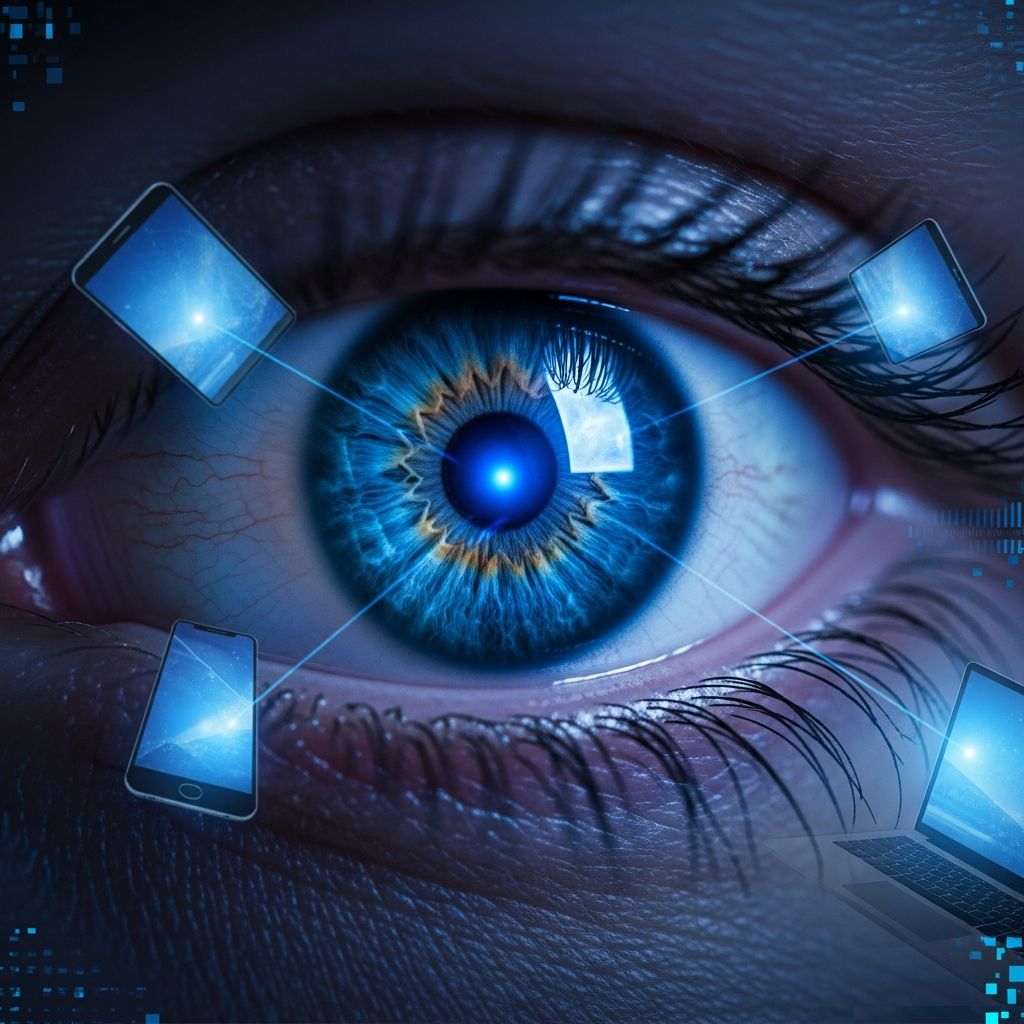
Blue Light: The Hidden Health Risks
Blue light is a high-energy visible (HEV) light that is emitted by the sun and artificial sources such as smartphones, tablets, computers, and LED lighting. While natural blue light during the day helps regulate our circadian rhythms and boosts alertness, excessive exposure to artificial blue light—especially at night—can have negative effects on health. This article explores the science behind blue light, its impact on sleep, eye health, and overall well-being, and offers practical tips to minimize its risks.
What Is Blue Light?
Blue light is part of the visible light spectrum, with wavelengths between 380 and 500 nanometers. It is naturally present in sunlight and is responsible for regulating our sleep-wake cycle. Artificial sources of blue light include:
- Smartphones
- Tablets
- Computer screens
- LED and fluorescent lighting
- Televisions
While blue light is essential for daytime alertness and mood regulation, overexposure—particularly in the evening—can disrupt sleep and harm eye health.
How Blue Light Affects Sleep
One of the most well-documented effects of blue light is its impact on sleep. Exposure to blue light in the evening can suppress the production of melatonin, a hormone that signals the body to prepare for sleep. This disruption can lead to:
- Difficulty falling asleep
- Reduced sleep quality
- Shortened sleep duration
- Increased risk of insomnia
A Harvard study found that blue light exposure at night delays the circadian rhythm by up to three hours, compared to only 1.5 hours for green light. This means that using electronic devices before bedtime can trick the brain into thinking it’s still daytime, making it harder to fall asleep and stay asleep.
Blue Light and Eye Health
Blue light is not effectively blocked by the eye, which means it can penetrate deep into the retina. Prolonged exposure to blue light from screens may contribute to:
- Digital eye strain (also known as computer vision syndrome)
- Eye fatigue and discomfort
- Increased risk of retinal damage over time
- Potential long-term risk of macular degeneration
Because blue light wavelengths are easily scattered, the eyes must work harder to focus, leading to strain and discomfort. This is especially common among people who spend long hours in front of screens.
Blue Light and Circadian Rhythms
The circadian rhythm is the body’s internal clock that regulates sleep, hormone release, and other physiological processes. Blue light plays a crucial role in maintaining this rhythm by signaling the brain to stay alert during the day. However, exposure to artificial blue light at night can:
- Delay the onset of melatonin production
- Shift the circadian rhythm later
- Disrupt normal sleep patterns
- Lead to chronic sleep deprivation
Chronic disruption of the circadian rhythm has been linked to a range of health problems, including obesity, diabetes, heart disease, and even certain types of cancer.
Positive Effects of Blue Light
While excessive blue light exposure can be harmful, it also has important benefits when used appropriately:
- Boosts alertness and attention during the day
- Improves mood and cognitive performance
- Helps regulate circadian rhythms when exposed to natural light
- Used in light therapy to treat seasonal affective disorder (SAD)
Blue light therapy is often prescribed for people with SAD, a type of depression that occurs during the winter months when natural sunlight is limited. Bright white lights that emit blue wavelengths are used to simulate daylight and improve mood.
Related Stories



Who Is Most at Risk?
Everyone is exposed to blue light, but certain groups may be more vulnerable to its negative effects:
- Teenagers and young adults who spend long hours on digital devices
- Shift workers who are exposed to artificial light at night
- People with pre-existing sleep disorders
- Individuals with eye conditions such as macular degeneration
Children are also at risk, as many now have access to smartphones and tablets from a young age. The increasing prevalence of electronic devices has made blue light exposure a growing concern for public health.
How to Reduce Blue Light Exposure
There are several practical steps you can take to minimize the risks of blue light exposure:
- Limit screen time, especially in the hours before bedtime
- Use blue light filters or night mode settings on devices
- Wear blue light-blocking glasses in the evening
- Use dim red lighting at night, as red light has less impact on melatonin
- Ensure adequate exposure to natural light during the day
- Take regular breaks from screens to reduce eye strain
Many devices now come with built-in blue light filters or “night mode” settings that reduce blue light emission in the evening. Blue light-blocking glasses are also available, though their effectiveness is still being studied.
Blue Light and Athletic Performance
Blue light exposure can have both positive and negative effects on athletic performance. On one hand, blue light can increase alertness, reaction time, and cognitive performance, which may benefit athletes who need to stay focused and make quick decisions. On the other hand, disrupted sleep and reduced sleep quality can impair physical performance, recovery, and overall well-being.
Research suggests that athletes should avoid blue light exposure in the hours before bedtime to ensure optimal sleep and recovery. Improved sleep quality has been linked to better reaction time, accuracy, endurance, and a lower risk of injury and illness.
Common Myths About Blue Light
There are several misconceptions about blue light and its effects:
- Myth: Blue light-blocking glasses are a cure-all for sleep and eye problems.
Fact: While they may help reduce eye strain, their impact on sleep is still being studied. - Myth: All blue light is harmful.
Fact: Blue light is essential for daytime alertness and mood regulation. - Myth: Only screens emit blue light.
Fact: Sunlight is the primary source of blue light.
FAQs About Blue Light
Q: Can blue light cause permanent eye damage?
A: There is evidence that prolonged exposure to blue light may increase the risk of retinal damage and macular degeneration, but more research is needed to fully understand the long-term effects.
Q: Do blue light-blocking glasses really work?
A: Blue light-blocking glasses may help reduce eye strain and improve sleep for some people, but their effectiveness varies and is still being studied.
Q: Is blue light worse than other types of light?
A: Blue light is more disruptive to sleep and circadian rhythms than other types of light, but all light can affect sleep if exposure occurs at the wrong time.
Q: How much blue light is safe?
A: Moderate exposure to blue light during the day is beneficial, but it’s best to limit exposure in the evening and avoid screens for at least 1-2 hours before bedtime.
Conclusion
Blue light is a double-edged sword: it is essential for daytime alertness and mood regulation, but excessive exposure—especially at night—can disrupt sleep, harm eye health, and affect circadian rhythms. By understanding the risks and taking steps to reduce exposure, you can protect your health and well-being in our increasingly digital world.
References
- Effects of Blue Light Technology — EBSCO Research Starters. 2018. https://www.ebsco.com/research-starters/health-and-medicine/effects-blue-light-technology
- The Influence of Blue Light on Sleep, Performance and Wellbeing — PMC. 2022. https://pmc.ncbi.nlm.nih.gov/articles/PMC9424753/
- Blue-Light Glasses May Not Impact Fatigue, Eye Strain, or Sleep — Fortune. 2023. https://fortune.com/well/2023/08/17/blue-light-glasses-lack-evidence-fatigue-eye-strain-sleep/
Similar Articles








Read full bio of medha deb