Blue Lotus Flower: Uses, Benefits, Safety, And Dosage Guide
Explore the ancient uses, potential benefits, risks, and safety of blue lotus flower for modern wellness.
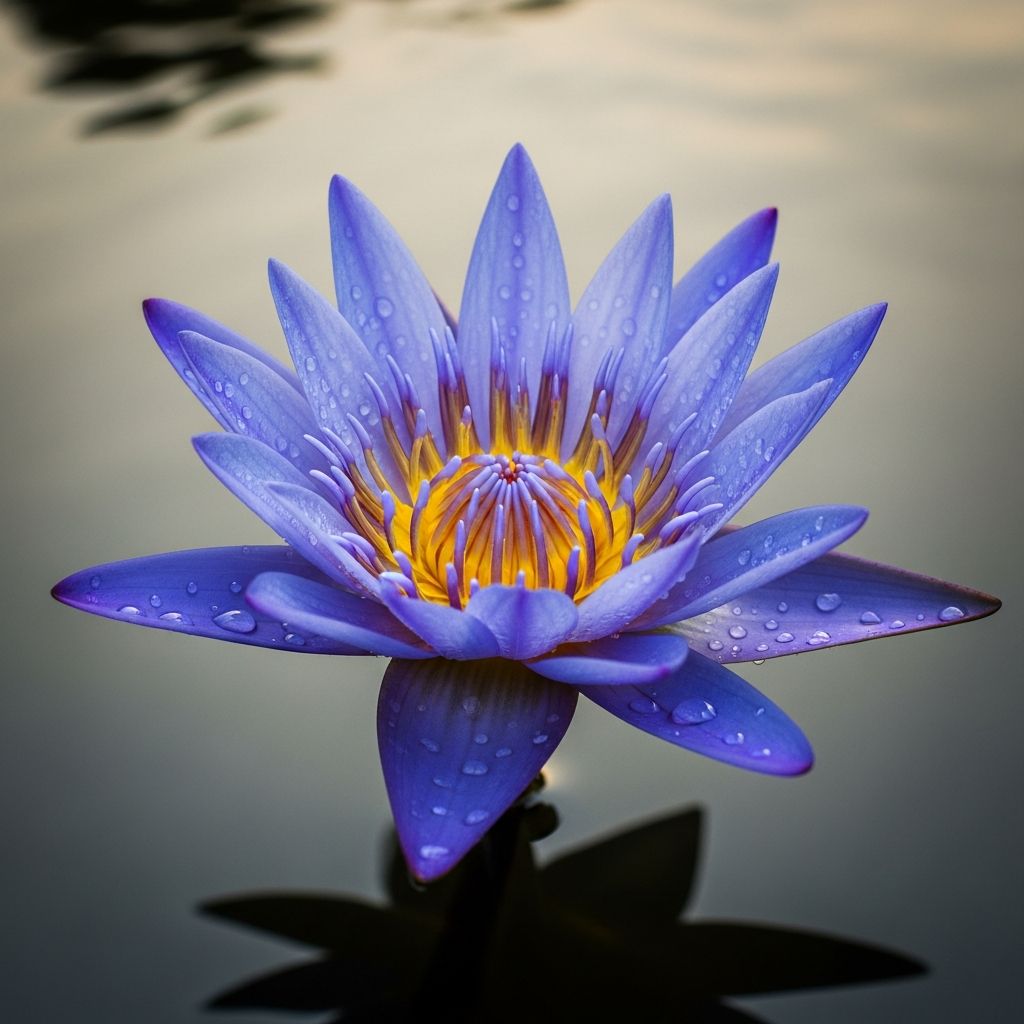
The blue lotus flower (Nymphaea caerulea), also known as blue water lily, is a psychoactive aquatic plant native to Egypt and parts of Asia. Revered in ancient civilizations for its calming, euphoric, and spiritual properties, it has gained renewed interest in modern wellness for potential anxiety relief, sleep support, and relaxation.
What Is Blue Lotus Flower?
Blue lotus is a perennial water lily that thrives in shallow, warm waters. Its striking blue petals bloom at dawn and close at dusk, symbolizing rebirth in ancient Egyptian culture. The flower contains bioactive compounds like nuciferine and apomorphine, which contribute to its sedative and mood-enhancing effects. These alkaloids interact with dopamine receptors: apomorphine stimulates them for potential neuroprotective benefits, while nuciferine blocks certain receptors to promote calmness.
Rich in antioxidants such as flavonoids, quercetin, kaempferol, and myricetin, blue lotus may support cellular health and combat oxidative stress. Historically, it was depicted in Egyptian art and used in rituals, medicines, and as an aphrodisiac. Today, it’s available as teas, extracts, tinctures, smokes, or topical products, though not FDA-approved for consumption in the US.
Potential Health Benefits of Blue Lotus Flower
While human clinical trials are limited, preliminary lab, animal, and anecdotal evidence suggests several benefits. Most research focuses on its extracts and compounds.
Anxiety and Stress Relief
Blue lotus is prized for its calming effects on the nervous system. Nuciferine may reduce anxiety by modulating stress responses, promoting relaxation similar to mild sedatives. Users report reduced tension after consuming tea, making it popular in bedtime routines.
Sleep Aid
As a natural sedative, blue lotus helps unwind before sleep, potentially improving sleep quality without heavy drowsiness. It’s used to quiet the mind, fostering restful nights.
Mood Enhancement and Euphoria
Low to moderate doses induce gentle euphoria, comparable to cannabis highs, due to psychoactive properties. It may alleviate mild depression symptoms by balancing dopamine.
Aphrodisiac and Sexual Health
Ancient texts describe it as an aphrodisiac, possibly aiding erectile dysfunction via improved circulation and relaxation. Modern users note enhanced intimacy.
Neuroprotection and Cognitive Support
Apomorphine shows promise in Parkinson’s disease by stimulating dopamine receptors; nuciferine may protect brain cells. Antioxidants could slow aging and support heart health.
Anti-Inflammatory and Skincare Benefits
Topically, extracts moisturize dry skin, reduce inflammation, soothe irritation, and promote smooth texture due to polyphenols.
Other Emerging Benefits
Lab studies indicate potential anti-leukemia effects via apoptosis induction and immune modulation. High polyphenol content supports antioxidant activity.
How to Use Blue Lotus Flower
Blue lotus can be consumed or applied in various forms. Start low to assess tolerance, as effects vary.
Related Stories



- Tea: Steep 3-5g dried flowers in hot water for 5-15 minutes. Drink 1-2 cups evening for relaxation.
- Tinctures/Extracts: 5-10 drops under tongue or in water; potent for quick effects.
- Smoking/Vaping: 0.5-1g shredded flowers; faster onset but harsher.
- Wine/Infusions: Soak in alcohol for aphrodisiac elixirs, traditional Egyptian style.
- Aromatherapy: Essential oil in diffusers for calming ambiance.
- Topical: In creams for skin soothing.
No standardized dosage exists due to lack of FDA approval. Consult a doctor for personalized guidance.
Blue Lotus Flower Side Effects
Generally safe in moderation, but risks increase with high doses or frequent use.
- Common: Dizziness, mild euphoria, sedation, nausea.
- High-Dose: Hallucinations, paranoia, psychotic symptoms, rapid heartbeat.
- Interactions: Amplifies sedatives, alcohol, cannabis; avoid with mood disorders or schizophrenia.
Pregnant/breastfeeding individuals should avoid it due to unknown effects. Long-term safety unstudied.
Is Blue Lotus Flower Legal?
Not a controlled substance federally in the US; legal to grow, sell, buy, except in Louisiana where possession is illegal. Unapproved for human consumption by FDA, sold as incense or ornamental. Legal in most countries, but check local laws. Some use it recreationally for hallucinogenic effects.
Precautions and Who Should Avoid It
| Group | Reason |
|---|---|
| Pregnant/Breastfeeding | Potential fetal risks; insufficient safety data |
| Children | Psychoactive effects untested |
| Mood Disorder Patients | May worsen symptoms or interact with meds |
| Sedative Users | Enhanced drowsiness, respiratory risks |
Consult healthcare providers before use, especially with medications. Source ethically from sustainable suppliers.
Research Gaps
Most evidence from animal/lab studies or tradition; human trials scarce. Needed: RCTs on efficacy, dosing, long-term safety. Promising but preliminary.
Frequently Asked Questions (FAQs)
What is blue lotus flower used for?
Primarily for relaxation, anxiety relief, sleep aid, mood enhancement, and as an aphrodisiac.
Is blue lotus flower safe to consume?
Safe in low doses for most adults; risks at high doses. Not FDA-approved; doctor consultation advised.
Does blue lotus get you high?
Yes, mild euphoria and psychoactive effects, especially smoked or high-dosed.
Can you smoke blue lotus flower?
Yes, but start small; provides rapid calming and euphoric effects.
Is blue lotus legal in the US?
Yes federally, except Louisiana; not for consumption per FDA.
How much blue lotus tea should I drink?
1 cup (3-5g flowers) daily max; effects vary.
References
- The Power of Blue Lotus: Benefits, Risks, and Applications — Rupa Health. 2023. https://www.rupahealth.com/post/the-power-of-blue-lotus-benefits-risks-and-applications
- Blue Lotus Flower: Properties, Benefits, and Uses — Healing Sounds. 2023. https://healing-sounds.com/blogs/spirituality/blue-lotus-flower-benefits-guide
- Skincare Benefits of Blue Lotus Flower — Herbal Dynamics Beauty. 2023. https://www.herbaldynamicsbeauty.com/blogs/herbal-dynamics-beauty/skincare-benefits-of-blue-lotus-flower
- Blue Lotus: Benefits, Side Effects, and Safety — Recovered.org. 2023. https://recovered.org/hallucinogens/blue-lotus
- Blue Lotus Flower: Uses, Benefits, and Safety — Healthline. 2023-10-12. https://www.healthline.com/nutrition/blue-lotus-flower
- The Blue Lotus Flower (Nymphea caerulea) Resin Used in a … — National Library of Medicine (PMC). 2017-09-25. https://pmc.ncbi.nlm.nih.gov/articles/PMC5638439/
- Toxicity From Blue Lotus (Nymphaea caerulea) After Ingestion or … — Oxford Academic (Military Medicine). 2023. https://academic.oup.com/milmed/article/188/7-8/e2689/6338457
Similar Articles








Read full bio of medha deb