Blue Poop Challenge: Step-By-Step Gut Transit Test
Discover how the Blue Poop Challenge reveals gut transit time, microbiome health, and links to overall wellness through simple blue muffins.
The Blue Poop Challenge has gone viral as a quirky yet scientifically grounded way to peek into your gut’s inner workings. By eating muffins laced with blue food dye and waiting for the color to appear in your stool, you can measure your
gut transit time
—the duration it takes for food to travel from mouth to exit. This simple test, popularized by ZOE researchers, offers valuable clues about your gut microbiome health, digestion efficiency, and even cardiometabolic risks.What Is the Blue Poop Challenge?
The Blue Poop Challenge originated from cutting-edge research by ZOE’s PREDICT study team, published in Gut journal. In a study of 863 healthy participants, scientists used blue-dyed muffins to track whole gut transit time (WGTT), finding it a superior marker of gut function compared to traditional stool frequency or consistency checks. Participants baked or purchased muffins infused with brilliant blue food dye—a non-absorbable marker that passes through the digestive system unchanged.
The process is straightforward: Consume two muffins in the morning, then monitor your bowel movements. Note the exact time when blue or blue-green stool first appears. Average transit time in the study was 28.7 hours, ranging from 12 hours to over 60 hours. This crowdsourced approach empowers individuals to contribute to science while gaining personal health insights.
How Does the Blue Poop Challenge Work?
Here’s a step-by-step guide to conducting your own Blue Poop Challenge safely at home:
- Prepare the muffins: Follow ZOE’s recipe (available on their YouTube channel), using ingredients like flour, sugar, eggs, and ample blue food coloring (FD&C Blue No. 1, safe in small amounts). Bake two muffins.
- Eat them: Have both for breakfast on an empty stomach. Avoid other blue foods or dyes that day.
- Track transit: Record the exact time of consumption. Check every stool thereafter, photographing if desired for accuracy.
- Log the result: Time from muffin ingestion to first blue poop indicates your WGTT. Share anonymously via ZOE’s platform to contribute to research.
- Safety note: Use only FDA-approved food dye. Consult a doctor if you have digestive issues or dye allergies.
This method is inexpensive, remote-friendly, and scalable for large studies—no clinic visits required.
Science Behind Blue Poop: Gut Transit Time Explained
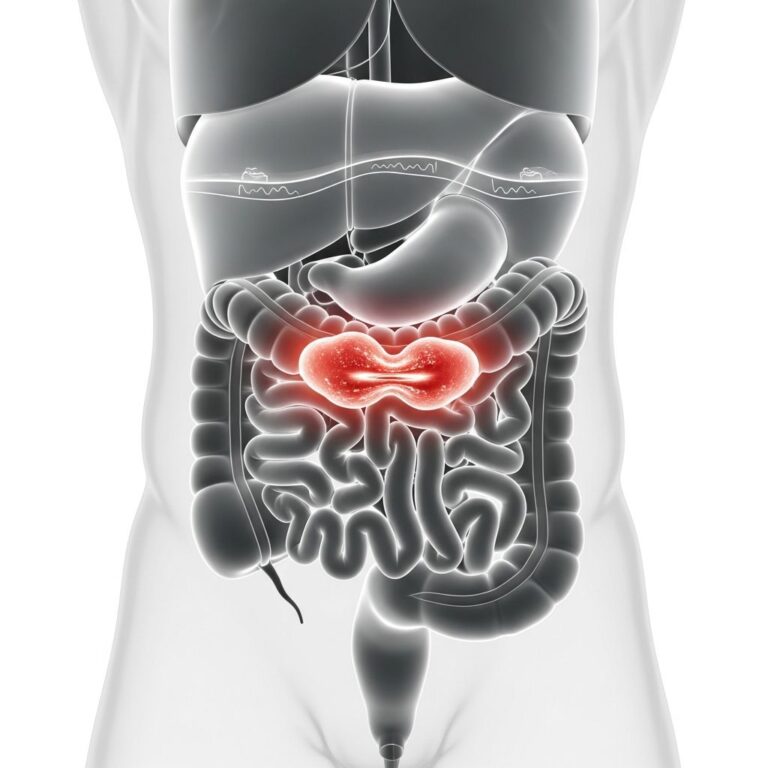
Gut transit time measures how efficiently your digestive system moves food through the mouth, stomach, small intestine, colon, and rectum. Shorter times (under 24-30 hours) suggest robust motility, while longer times may signal sluggishness linked to constipation or dysbiosis.
ZOE’s peer-reviewed study in Gut (2021) analyzed stool samples post-challenge, revealing WGTT’s strong correlation with microbiome alpha diversity and composition. Machine learning models predicted transit classes with 82% accuracy (AUC 0.82). Longer transit associated with higher abundances of Akkermansia muciniphila, Bacteroides spp., and Alistipes spp. (FDR-adjusted p<0.01). Functional shifts included elevated methanogenesis and pyruvate-to-propanoate fermentation, mirroring constipation patterns.
Related Stories



Building on a prior Nature Medicine study, researchers linked faster transit to better diet quality, lower visceral fat, and improved postprandial glucose/insulin responses—key cardiometabolic health markers. Diet quality (via Healthy Eating Index) negatively correlated with these risks, independent of transit time.
What Does Your Blue Poop Transit Time Mean for Health?
| Transit Time | Health Implications | Microbiome Links | Action Steps |
|---|---|---|---|
| <24 hours (Fast) | Optimal motility; lower abdominal fat, better food responses | Diverse, balanced microbes; lower methanogens | Maintain fiber-rich diet, exercise |
| 24-40 hours (Average) | Normal range; monitor if symptoms present | Moderate diversity | Balanced meals, hydration |
| >40 hours (Slow) | Risk for constipation, higher visceral fat, poorer metabolic responses | Higher Akkermansia, Bacteroides; increased methane | Increase fiber/probiotics; see doctor |
Shorter transit times predict healthier outcomes, but experts like Dr. Liping Zhao note no universal ‘perfect’ time exists. Normal bowel frequency spans 3x/day to 3x/week; transit varies by age, sex, diet. It’s one puzzle piece—not a diagnosis.
Gut Microbiome and Transit Time: Key Connections
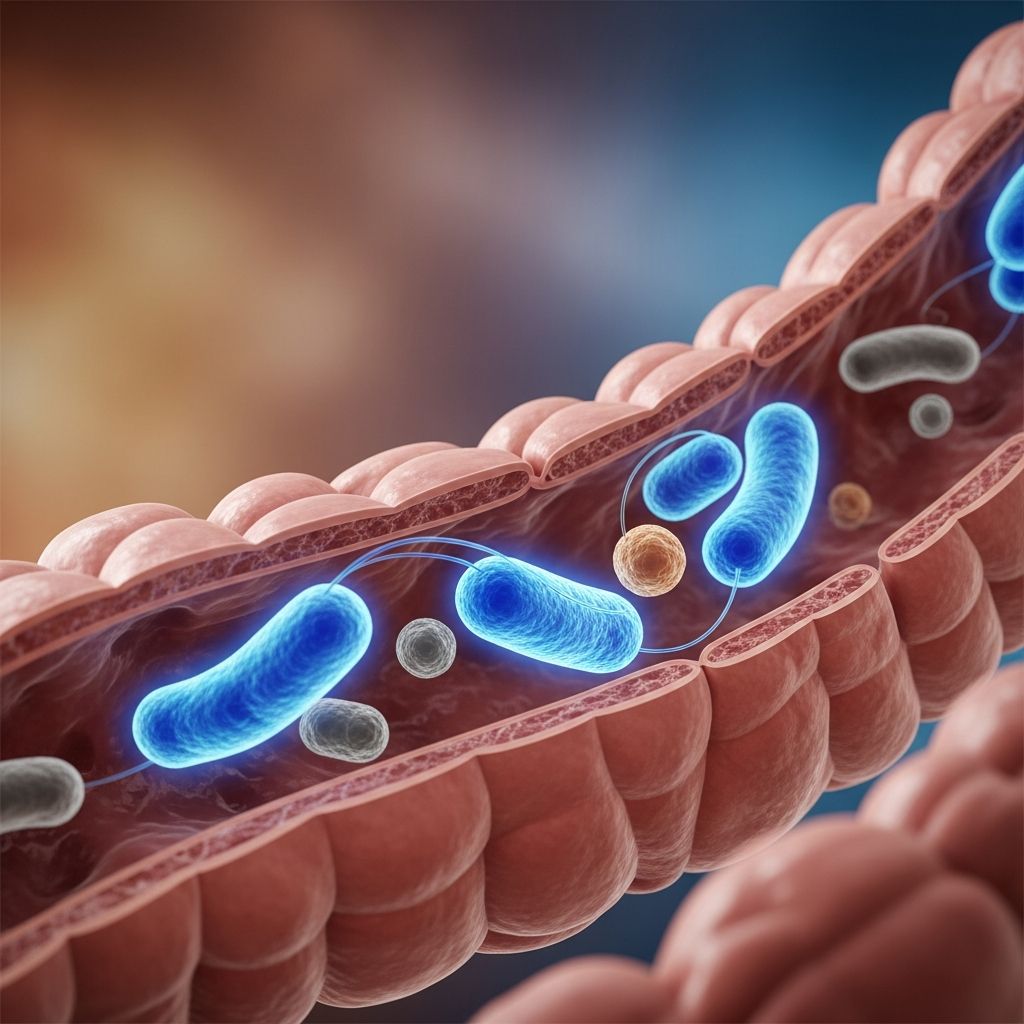
Your gut hosts trillions of microbes influencing digestion, immunity, and metabolism. The Blue Poop study showed WGTT explains more microbiome variation than Bristol Stool Scale or frequency. Longer transit fosters specific bacteria:
- Akkermansia muciniphila: Mucin-degrader; linked to slower transit but mixed health effects.
- Bacteroides and Alistipes: Bacteroidetes phylum; higher in slow transit.
- Methanogens like Methanobrevibacter: Produce methane, slowing motility.
Conversely, fast transit correlates with diverse, resilient microbiomes responsive to diet. Food choices powerfully shape this: fiber feeds beneficial bugs, processed foods disrupt balance.
Is the Blue Poop Challenge Accurate and Safe?
Yes, per the Gut study: Blue dye outperformed proxies, enabling remote, low-cost assessment. It’s safe for healthy adults; dye is inert and excreted. Limitations: Single test doesn’t capture daily fluctuations; not for IBS, IBD, or pregnant individuals without medical advice. GI specialists use similar markers clinically for constipation.
Improving Your Gut Transit Time Naturally
To optimize transit and microbiome:
- Fiber up: Aim 25-30g/day from oats, beans, veggies—feeds fast-transit microbes.
- Hydrate: 8+ glasses water softens stool.
- Move: 30min daily exercise speeds motility.
- Pro/prebiotics: Yogurt, kefir, sauerkraut support diversity.
- Limit: Processed foods, excess fat slow transit.
Track progress with repeat challenges or apps integrating Bristol Chart.
Frequently Asked Questions (FAQs)
What is a normal gut transit time?
Average is ~29 hours, but 12-60+ hours normal. Shorter (<24h) links to better health markers.
Where can I get blue poop muffins?
Bake via ZOE’s YouTube recipe or buy pre-made from approved sources.
Does slow transit mean bad gut health?
It may indicate dysbiosis or risks like higher fat; diet/lifestyle tweaks help.
Can kids/pregnant people do it?
Not recommended without doctor approval due to dye.
How does it help research?
Crowdsourced data refines microbiome-transit links for population studies.
Final Thoughts on the Blue Poop Challenge
This fun challenge demystifies gut health, bridging personal curiosity with rigorous science. While not a medical tool, it spotlights transit time’s role in microbiome vitality and whole-body wellness. Try it, track trends, and nourish your gut for lasting benefits.
References
- Does the Blue Poop Challenge Reveal Gut Health? — Prevention Magazine. 2022-01-20. https://www.prevention.com/health/a36490157/what-is-blue-poop-challenge/
- Blue poop challenge: Blue muffin recipe, how it works, and more — Medical News Today. 2023-08-15. https://www.medicalnewstoday.com/articles/blue-poop-challenge
- Blue poo: impact of gut transit time on the gut microbiome using a novel marker — PMC / Gut Journal (PMC8349893). 2021-07-19. https://pmc.ncbi.nlm.nih.gov/articles/PMC8349893/
- Test Your Digestive Health with the #Bluepoopchallenge — Clean Eating Magazine. 2023-05-10. https://www.cleaneatingmag.com/recipes/test-your-digestive-health-with-the-bluepoopchallenge/
Similar Articles








Read full bio of Sneha Tete