Blue Zone Diet: 9 Guidelines To Eat Like A Centenarian
Unlock the secrets of the world's longest-lived people with the Blue Zone diet, emphasizing plant-based foods, beans, and mindful eating habits.
The
Blue Zone diet
draws from the eating patterns of people in five regions—Okinawa (Japan), Sardinia (Italy), Nicoya (Costa Rica), Ikaria (Greece), and Loma Linda (California)—where residents routinely live to 100 or beyond. These areas, identified by researcher Dan Buettner, reveal common dietary habits that promote exceptional longevity. Unlike fad diets, the Blue Zone approach emphasizes whole, plant-based foods, portion control, and sustainable habits rather than calorie counting or restrictions.Studies show Blue Zone centenarians share a ‘plant slant’ diet: 95% plant foods, with beans as a cornerstone, limited meat, and natural sweeteners in moderation. This pattern correlates with lower rates of heart disease, diabetes, and obesity. By adopting these principles, communities in the U.S. have seen life expectancy rise by years and obesity drop significantly.
What Is the Blue Zone Diet?
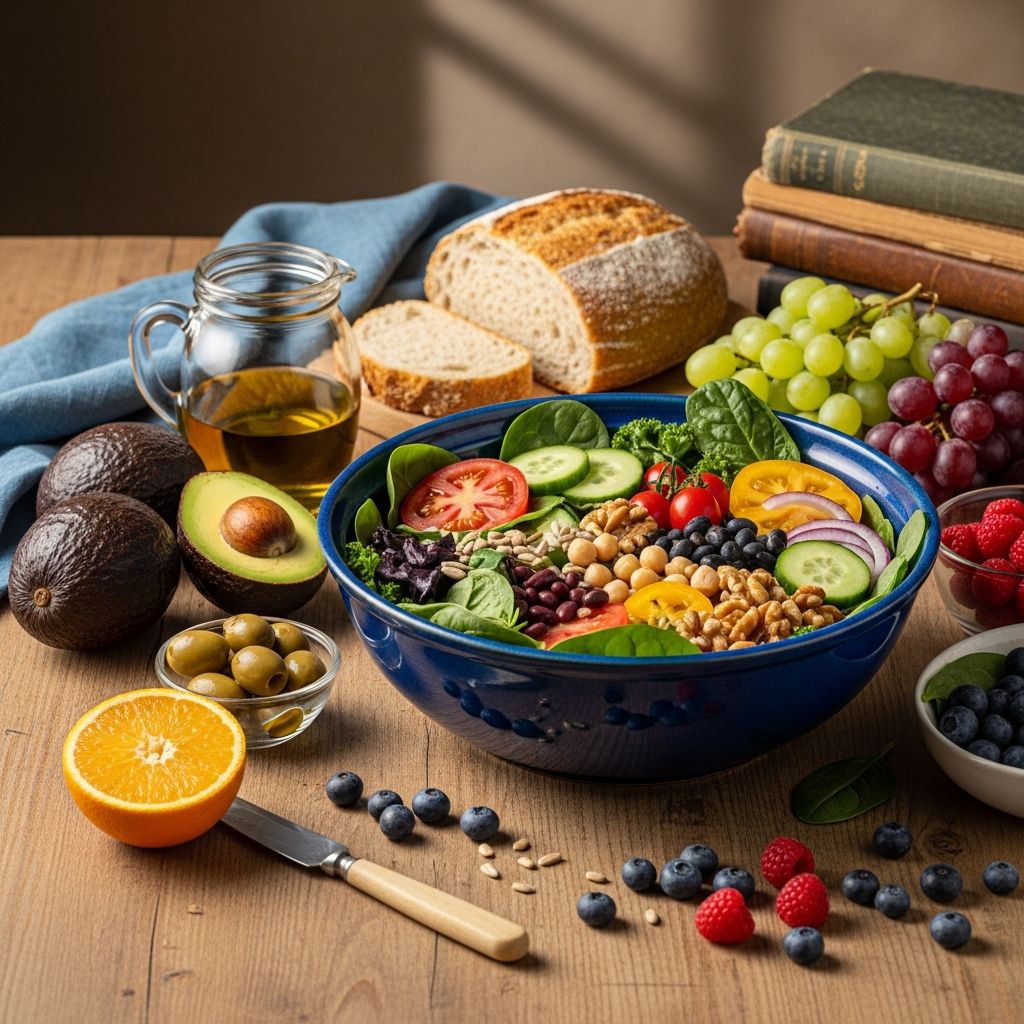
The Blue Zone diet isn’t a rigid plan but a flexible framework based on observed habits in longevity hotspots. It’s predominantly plant-based, prioritizing beans, greens, whole grains, fruits, nuts, and vegetables. Meat, dairy, and sugar play minor roles. Key is the
80% rule
(hara hachi bu in Okinawa): stop eating when 80% full, typically with the largest meal at breakfast or lunch and a light early dinner.People in these zones eat mindfully, often in social settings, and favor fermented foods, whole ingredients, and moderate wine (except Loma Linda’s Adventists). Research from the Blue Zones Project demonstrates that environmental tweaks—like stocking fruits visibly and serving family-style—make these habits effortless, leading to sustained health improvements.
Power 9 Principles of Longevity (Diet-Related)
Dan Buettner’s Power 9 includes four diet-focused principles:
- Plant Slant: 95% of food is plants—beans, greens, sweet potatoes, nuts, fruits, and whole grains.
- 80% Rule: Stop at 80% full; eat smallest meal late afternoon/early evening.
- Beans: Half-cup cooked daily for protein and fiber.
- Wine @ 5: 1-2 glasses daily with friends/food (non-Adventists).
These, combined with movement, purpose, and community, drive longevity.
What Do People Eat in Blue Zones?
Meals revolve around seasonal, local produce. Breakfast might be oatmeal with fruits; lunch, bean soup with greens; dinner, minestrone or tofu stir-fry. Variety is key: over 80% of calories from plants.
| Blue Zone | Staple Foods |
|---|---|
| Okinawa | Soybeans (tofu), sweet potatoes, seaweed, bitter melon, turmeric rice. |
| Sardinia | Minestrone soup (beans, grains, veggies), whole-grain bread, goat milk cheese (small amounts). |
| Nicoya | Black beans, corn tortillas, squash, tropical fruits. |
| Ikaria | Wild greens, lentils, olive oil, herbal teas, honey. |
| Loma Linda | Whole grains, nuts, fruits, vegetables (vegetarian). |
Daily intake averages: 1 cup beans, 2+ cups greens, handful nuts, seasonal fruits/veggies.
Blue Zone Food Guidelines
Blue Zones provide clear rules for replicating these diets.
1. Plant Slant
Beans, greens, yams/sweet potatoes, fruits, nuts/seeds dominate. Whole grains OK. Stock favorites; eat seasonally, pickle/dry surplus. Leafy greens like spinach, kale, chard top the list for nutrients.
2. Retreat from Meat
Average: 2 oz or less, 5x/month. Used as flavoring (e.g., lardons in soup), not entrée. Longevity despite meat, not because of it.
3. Go Easy on Fish
If eaten, <3 oz, 3x/week max. Favor abundant species; ethical/overfishing concerns apply.
4. Daily Dose of Beans
½ cup cooked daily. Four times U.S. average. Cheap, nutrient-dense (protein, fiber, antioxidants). Staples: black beans (Nicoya), lentils/garbanzos (Mediterranean), soybeans (Okinawa).
Related Stories



5. Slash Sugar
≤28g (7 tsp) added sugar/day. Intentional use (honey, molasses) vs. hidden sugars. Natural sugars from fruits/veggies fine.
6. Sour on Bread
Only sourdough or 100% whole wheat. Avoid bleached flour; opt for whole grains (wheat, rye, barley) rich in tryptophan, selenium, magnesium.
7. Go Wholly Whole
Eat recognizable foods: whole eggs, full-fat yogurt, unjuiced fruits. Ferment (tofu, sourdough, pickles); grind grains fresh; no preservatives/supplements needed.
8. Drink Mostly Water
Coffee, tea, water, moderate wine. No soft drinks (including diet).
9. Moderate Wine (Optional)
1-2 glasses/day with food/friends. Cannonau wine (Sardinia) high in antioxidants. Moderation key; nondrinkers live long too.
A Sample Blue Zone Diet Day
- Breakfast: Oatmeal with berries, nuts, cinnamon.
- Lunch: Bean soup, whole-grain bread, greens salad with olive oil.
- Snack: Fruit, handful almonds.
- Dinner: Veggie stir-fry with tofu, sweet potato (early evening).
- Drinks: Water, herbal tea, 1 glass red wine.
Total: ~1,800-2,200 calories, high fiber/protein, low processed foods.
Health Benefits of the Blue Zone Diet
Lower chronic disease risk: heart health from olive oil (6 tbsp/day halves mortality in Ikaria); diabetes/obesity reduction via beans/fiber. U.S. Blue Zones Projects: +3.2 years life expectancy, 7,280 lbs community weight loss, 40% healthcare savings. Anti-inflammatory, gut-healthy from plants/ferments.
How to Start the Blue Zone Diet
- Fill half plate with beans/greens.
- Swap meat for plants 4-5 days/week.
- Use olive oil generously.
- Practice 80% rule.
- Engineer kitchen: fruit bowl out, junk hidden.
Blue Zones Project shows policy tweaks (e.g., healthy checkouts) amplify adherence.
Frequently Asked Questions (FAQs)
What is the main food in the Blue Zone diet?
Beans: at least ½ cup daily, providing key nutrients and satiety.
Do Blue Zone people eat meat?
Rarely: ~2 oz, 5x/month, as seasoning.
Can I drink alcohol on the Blue Zone diet?
Moderately: 1-2 glasses wine/day with meals/friends (optional).
How much sugar is allowed?
7 tsp added sugar max/day; focus on natural sources.
Is bread OK?
Yes, sourdough or 100% whole wheat only.
What about eggs and dairy?
In moderation; whole foods preferred, small amounts in some zones.
References
- Food Guidelines — Blue Zones. Accessed 2026. https://www.bluezones.com/recipes/food-guidelines/
- Blue Zones: Lessons From the World’s Longest Lived — PMC / National Center for Biotechnology Information. 2018-09-03. https://pmc.ncbi.nlm.nih.gov/articles/PMC6125071/
Similar Articles








Read full bio of medha deb