Blue Zone Vs Mediterranean Diet: Complete Plant-Powered Guide
Explore the similarities and differences between the Blue Zone and Mediterranean diets, both linked to longevity and heart health benefits.
The
Blue Zone diet
andMediterranean diet
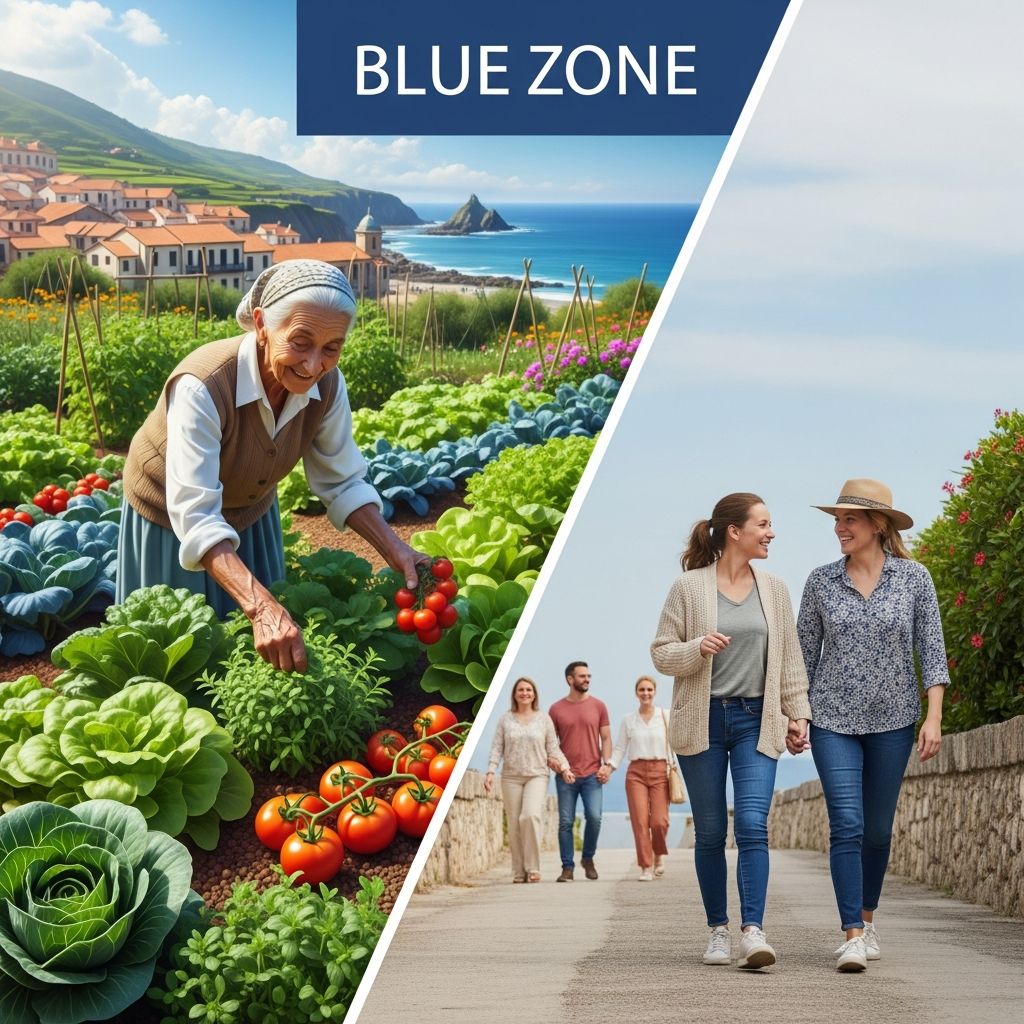
are two of the most celebrated eating patterns associated with longevity, heart health, and reduced chronic disease risk. Both emphasize plant-based foods, but they originate from different regions and lifestyles. Blue Zones are five areas—Okinawa (Japan), Sardinia (Italy), Nicoya (Costa Rica), Ikaria (Greece), and Loma Linda (California)—where people live exceptionally long lives, often past 100 years. The Mediterranean diet draws from countries bordering the Mediterranean Sea, like Greece and Italy.These diets share commonalities like high intake of vegetables, fruits, legumes, and whole grains, with limited processed foods and sugars. However, differences in animal products, fats, and cultural practices set them apart. Research links both to lower cardiovascular events by up to 30-70% and improved survival in older adults.
What Is the Blue Zone Diet?
The Blue Zone diet is derived from the eating habits of centenarians in the world’s five Blue Zones. It’s predominantly
95-100% plant-based
, focusing on natural, unprocessed foods that support longevity.Key principles include:
- Eating until 80% full (hara hachi bu in Okinawa).
- 95% plant foods: vegetables, fruits, legumes, whole grains, nuts.
- Meat limited to 2 oz, five times per month.
- No more than three eggs per week and minimal dairy (mostly fermented goat/sheep products).
- Fish less than 3 oz, up to three times weekly.
- Moderate wine (1-3 glasses daily with friends), unlimited tea/coffee, and seven glasses of water daily.
- Less than seven teaspoons of added sugar per day.
Foods commonly eaten:
- Vegetables: Leafy greens, starchy roots like sweet potatoes (Okinawa staple).
- Legumes: Beans, lentils, chickpeas—three servings weekly, key for survival.
- Grains: Whole grains like barley, oats.
- Nuts/Seeds: Two handfuls daily (almonds, walnuts).
- Fruits: Berries, citrus in moderation.
Beyond food, Blue Zone longevity ties to daily movement, community, purpose, and rest.
What Is the Mediterranean Diet?
The
Mediterranean diet
is inspired by traditional eating in Mediterranean countries, backed by extensive research for heart health and disease prevention.Core components:
- High in fruits, vegetables, whole grains, legumes, nuts, and extra-virgin olive oil.
- Fish and seafood three times weekly.
- Poultry and eggs in moderation (one serving daily).
- Red meat once weekly max.
- Dairy (low-fat yogurt, cheese) one serving daily.
- Moderate red wine with meals.
- Minimal processed foods, sugars, and refined grains.
Signature foods:
- Fats: Extra-virgin olive oil (1-4 servings daily).
- Vegetables/Fruits: Abundant tomatoes, leafy greens, citrus.
- Grains: Whole wheat bread, pasta, couscous.
- Proteins: Fish (salmon, sardines), legumes, nuts.
Studies show it reduces cardiovascular events by 30% in high-risk individuals.
Similarities Between the Blue Zone and Mediterranean Diets
Both diets prioritize
plant-forward eating
, making them powerful for health. Common threads include:- Plant dominance: Vegetables, fruits, legumes, whole grains, nuts form the bulk (95%+ in Blue Zones).
- Low processed foods/sugars: No fast food, refined grains, or excess added sugar.
- Moderate alcohol: Red wine with social meals (don’t start if you don’t drink).
- Health perks: Linked to lower heart disease, cancer risk, better cholesterol, and longevity via fiber, antioxidants.
- Legumes as stars: Predictor of survival; beans daily or frequently.
Related Stories



A 2024 review outlines shared microbiota-friendly components like fiber-rich plants.
Key Differences Between the Blue Zone and Mediterranean Diets
While similar, nuances reflect regional traditions. The table below compares them:
| Food Category | Blue Zone Diet | Mediterranean Diet |
|---|---|---|
| Plant Foods (Veggies, Fruits, Grains, Legumes) | 95-100% of diet | High intake, core of meals |
| Nuts & Seeds | 2 handfuls/day | 3+ servings/week |
| Dairy | Minimal (fermented goat/sheep) | 1 serving/day low-fat |
| Fish | <3 oz, 3x/week max | 3 servings/week |
| Red Meat | 2 oz, 5x/month | 1 serving/week |
| Eggs | 3/week max | 1 serving/day |
| Fats | Plant-based only | Olive oil 1-4 servings/day |
| Whole Grains | Daily | Daily, including refined in tradition |
Blue Zones are stricter on animal products; Mediterranean allows more fish/dairy flexibility. Blue Zones integrate lifestyle (movement, community); Mediterranean focuses more on food.
Health Benefits of the Blue Zone and Mediterranean Diets
Both diets excel in
disease prevention
:- Heart Health: Mediterranean cuts CV events 30-70%; Blue Zones show lower heart disease rates.
- Longevity: Blue Zones’ centenarians; both boost survival via plants.
- Weight/Diabetes: High fiber aids control; antioxidants fight inflammation.
- Cancer Reduction: Plant compounds lower risk.
- Gut Health: Fiber supports microbiota.
Meta-analyses favor Mediterranean for cholesterol; both outperform processed diets.
Which One Should You Follow?
Choose based on preferences:
- Blue Zone if you want ultra-plant-based, minimal animal foods, and lifestyle integration for max longevity.
- Mediterranean for more flexibility with fish, dairy, olive oil—ideal if you enjoy seafood.
Hybrid works: Adopt shared principles like beans daily, plants first. Consult a doctor for personalization.
Sample Meal Plans
Blue Zone Day
- Breakfast: Oatmeal with fruits, nuts.
- Lunch: Black bean soup, greens, sweet potato.
- Dinner: Lentil stew, barley, veggies.
- Snack: Handful almonds, fruit.
Mediterranean Day
- Breakfast: Yogurt with honey, nuts, fruit.
- Lunch: Grilled fish, quinoa salad, olive oil dressing.
- Dinner: Veggie stir-fry, whole grain bread, feta.
- Snack: Hummus with carrots.
Frequently Asked Questions (FAQs)
Are the Blue Zone and Mediterranean diets the same?
No, but very similar. Blue Zones are more plant-exclusive with less fish/dairy; both promote longevity.
Can the Blue Zone diet help you live longer?
Yes, observational data from centenarian regions links it to extended lifespan via plants and habits.
Is the Mediterranean diet better for heart health?
It has strong RCT evidence reducing CV events by 30%; Blue Zones show similar population outcomes.
How much meat is allowed on these diets?
Blue Zone: 5x/month max; Mediterranean: 1x/week.
Do these diets include wine?
Moderate red wine with meals socially; avoid if you don’t drink.
References
- Healthy Diets and Lifestyles in the World: Mediterranean and Blue Zones Diets — PubMed/NCBI. 2024-04-07. https://pubmed.ncbi.nlm.nih.gov/38566378/
- Plant-Based Blue Zone Mediterranean Diet — The Maddox Lane. 2023. https://themaddoxlane.com/blog/plant-based-blue-zone-mediterranean-diet/
- Blue Zone Diet: Foods to Eat, and Foods to Avoid — Prevention Magazine. 2024. https://www.prevention.com/weight-loss/a45583659/blue-zone-diet/
- Diets Debunked: The Blue Zones™ Diet — Dr. Michael Ruscio, DC. 2024. https://drruscio.com/blue-zones-diet/
- How the Blue Zones and Mediterranean Diets May Be Linked to Longevity — NewYork-Presbyterian Health Matters. 2023. https://healthmatters.nyp.org/how-the-blue-zones-and-mediterranean-diets-may-be-linked-to-longevity/
Similar Articles








Read full bio of Sneha Tete