Blurred Vision: Causes, Symptoms & Treatment Options
Understanding blurred vision: Common causes, warning signs, and effective treatment strategies for clear sight.
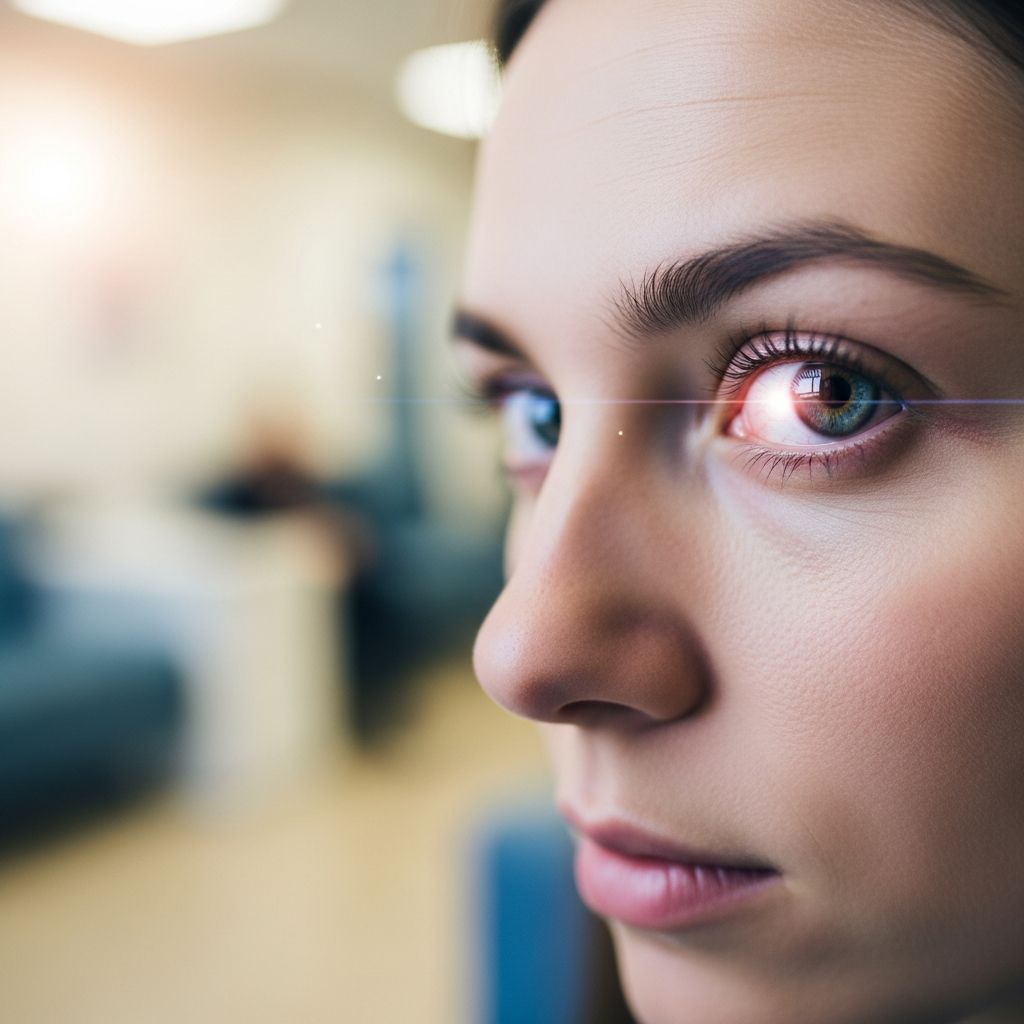
Understanding Blurred Vision
Blurred vision, also known as blurry vision, occurs when your eyesight isn’t sharp and crisp. This common symptom affects your ability to see things clearly and can significantly impact your daily activities, from reading and working to driving and watching television. When you experience blurred vision, objects at certain distances may appear out of focus, and sometimes squinting can temporarily bring things into focus. While blurred vision is a symptom rather than a disease itself, it can indicate various underlying conditions ranging from minor refractive errors to serious eye diseases that require immediate medical attention.
Common Causes of Blurred Vision
Blurred vision has many potential causes, with some being more common than others. Understanding these causes is essential for determining the appropriate treatment and knowing when to seek medical help.
Refractive Errors
Refractive errors are the most common cause of blurred vision. These disorders occur when the eyes cannot focus images correctly on the retina. Refractive errors include three main types: astigmatism, farsightedness (hyperopia), and nearsightedness (myopia). In astigmatism, the cornea or lens has an irregular shape, causing blurred vision at all distances. Farsightedness makes it difficult to see objects up close clearly, while nearsightedness makes distant objects appear blurry. The good news is that refractive errors can often be corrected with eyeglasses, contact lenses, or surgical procedures like LASIK.
Dry Eyes
Dry eye syndrome is another extremely common cause of blurred vision. When your eyes lack sufficient lubrication, the surface becomes irritated and your vision may become blurry. You can often identify dry eyes as the culprit if your vision improves when you blink. Symptoms of dry eye syndrome include a sensation of a film over your eyes, itching, redness, and discomfort or pain. Dry eyes can result from various factors including environmental conditions, prolonged screen time, certain medications, or dehydration. Treatment typically involves the use of artificial tears and lifestyle modifications to increase tear production.
Age-Related Macular Degeneration (AMD)
Age-related macular degeneration is the most common cause of vision loss in older Americans. This condition primarily affects your central vision, making it difficult to see what is directly in front of you. AMD can develop in one or both eyes and progresses over time. The macula, a small area in the center of the retina responsible for detailed central vision, deteriorates with this condition. Early detection through regular eye exams is crucial for slowing progression and maintaining quality of life.
Diabetic Retinopathy
Diabetic retinopathy can affect anyone living with diabetes. This condition develops when high blood sugar levels damage the blood vessels in the retina. The damaged vessels may leak fluid or bleed, causing blurred vision. If left untreated, diabetic retinopathy can progress to severe vision loss or even blindness. Proper management of blood sugar levels and regular eye examinations are essential for preventing this complication.
Cataracts
Cataracts develop when the eye’s lens becomes clouded and opaque, making it difficult to see through. They can form on one or both eyes and commonly occur as people age. Symptoms include blurry vision, loss of contrast sensitivity, and seeing halos around lights in dark conditions. Cataract surgery, which removes the clouded lens and replaces it with a clear artificial lens (IOL), is an effective treatment when symptoms interfere with daily activities.
Glaucoma
Glaucoma occurs when fluid builds up in the eye, creating increased pressure on the optic nerve. This elevated pressure gradually damages the optic nerve, potentially leading to partial vision loss or blindness if untreated. Glaucoma often develops without noticeable symptoms initially, making regular eye exams crucial for early detection. Various treatments, including eye drops, laser procedures, and surgery, can help manage intraocular pressure and prevent vision loss.
Related Stories



Optic Neuritis
Optic neuritis involves inflammation and irritation of the optic nerve, which transmits visual information from the eye to the brain. While it can occur independently, optic neuritis sometimes results from other conditions, including multiple sclerosis. It most commonly affects one eye but can occur in both eyes. Symptoms typically include blurred vision, eye pain, and color vision problems. Treatment depends on the underlying cause and may include corticosteroids or other medications.
Genetic Disorders and Other Causes
Some genetic disorders cause damage to the optic nerve, though this is a less common reason for blurred vision compared to cataracts or refractive errors. Additionally, vitamin A deficiency can cause corneal scarring and blurred vision, though this situation occurs mostly in less developed regions of the world. Various other eye conditions and systemic diseases can also contribute to blurred vision.
Sudden Blurred Vision: Emergency Conditions
While blurred vision often develops gradually and worsens over time, certain conditions cause blurring to start suddenly. These situations require immediate medical attention and can be medical emergencies. You should get medical help immediately if your vision gets blurry quickly or if you experience sudden vision loss.
Emergency situations requiring immediate care include:
– Sudden onset of blurred vision or complete vision loss- Blurred vision accompanied by eye injury or trauma- Sudden vision changes with symptoms of stroke, such as difficulty speaking or moving- Severe eye pain combined with blurred vision- Flashing lights or sudden appearance of floaters with vision changes
These symptoms can indicate serious conditions such as retinal detachment, stroke, or other medical emergencies that require emergency room evaluation. Do not delay seeking care if you experience any of these warning signs.
Related Symptoms and Conditions
Presbyopia and Age-Related Vision Changes
Presbyopia is an age-related eye condition that makes you gradually hold reading materials farther and farther away from your eyes. This natural change occurs as the lens of the eye loses flexibility with age. Treatment options for presbyopia-related blurry vision include glasses, contact lenses, and eye drops. A new FDA-approved medication called pilocarpine hydrochloride (VUITY®) offers an innovative treatment option for presbyopia by temporarily reshaping the pupil to improve near vision.
Dizziness, Nausea, and Blurred Vision
Dizziness, nausea, and blurred vision sometimes occur together. However, one condition does not directly cause the other. Instead, they may be symptoms of the same underlying problem or separate issues occurring simultaneously. Postural orthostatic tachycardia syndrome (POTS), a condition affecting blood flow, can cause blurred vision, lightheadedness, or fainting when standing up after lying down. Dehydration can also contribute to blurred vision by causing dry eyes, a condition where the eyes lack sufficient lubrication.
Treatment Options for Blurred Vision
Treatment for blurred vision depends entirely on what’s causing it. A proper diagnosis is essential for selecting the most appropriate treatment strategy.
Corrective Lenses and Eyewear
Eyeglasses and contact lenses treat blurriness caused by refractive errors and other conditions, including cataracts. These non-invasive options provide immediate vision correction and are often the first line of treatment for refractive errors. Your eye care provider can determine the correct prescription through a comprehensive eye examination.
Medications
Your provider may prescribe medications to treat the underlying condition causing your blurry vision. The specific medications will vary depending on your diagnosis. For example, eye drops may be prescribed for dry eyes or glaucoma, while other medications might address systemic conditions like diabetes that affect vision. The new FDA-approved eye drop pilocarpine hydrochloride (VUITY®) specifically treats presbyopia and age-related blurry vision by improving the eye’s focusing ability.
Surgical Procedures
Surgical interventions can effectively improve eyesight for certain conditions. Common surgical options include cataract surgery to remove clouded lenses and LASIK surgery to treat refractive errors by reshaping the cornea. Your eye care provider will recommend surgery when conservative treatments are insufficient and when the condition significantly impacts your quality of life.
When to Seek Medical Care
Routine Eye Exams
Make sure to get regular eye exams and report any changes in how well you see, including new blurriness. Regular eye exams can detect many eye conditions in early stages when they’re most treatable. Even if you think your vision changes are minor, they may signal more serious issues that need timely treatment. Eye care providers use various instruments and tests during comprehensive exams to check for refractive errors, glaucoma, cataracts, and other conditions.
When to Go to the Emergency Room
You should go to an emergency room if you have any sudden onset of blurred vision or loss of vision. This is especially important if you’ve been injured or if you have any other symptoms of stroke, such as difficulty speaking or moving. Call 911 or your local emergency number immediately in these situations. Sudden, unexpected blurred vision or vision loss can be signs of medical emergencies like stroke or retinal detachment that need immediate medical care.
Impact on Daily Life
Blurry vision may happen when your eyes are tired or irritated, or it may be a symptom of a more serious condition. No matter what’s causing it, blurred vision can make work harder and make it difficult to enjoy things like reading, driving, or watching television. The impact on quality of life varies depending on the severity and cause of the blurring. Some people experience minor inconvenience, while others face significant functional limitations. This is why seeking appropriate treatment is important for maintaining independence and quality of life.
Frequently Asked Questions About Blurred Vision
Q: What is the difference between blurred vision and blurred sight?
A: Blurred vision and blurred sight are essentially the same thing—both terms describe vision that isn’t sharp and crisp, where objects appear out of focus. The terms are used interchangeably in medical contexts.
Q: Can blurred vision go away on its own?
A: It depends on the cause. Some cases of blurred vision caused by eye fatigue or dry eyes may improve with rest and artificial tears. However, blurred vision caused by refractive errors, cataracts, or other eye diseases typically requires professional treatment to resolve.
Q: Is blurred vision always a sign of a serious condition?
A: No. Blurred vision can result from common, easily treatable conditions like refractive errors or dry eyes. However, sudden blurred vision or vision loss can indicate serious medical emergencies and requires immediate attention.
Q: How often should I have eye exams if I have blurred vision?
A: The frequency depends on your specific condition and eye health. Your eye care provider will recommend an appropriate schedule. Generally, adults should have eye exams at least every one to two years, and more frequently if they have existing eye conditions.
Q: Can lifestyle changes help improve blurred vision?
A: Yes, for some causes. Managing blood sugar levels in diabetes, maintaining proper hydration, taking breaks from screens, and using artificial tears for dry eyes can help reduce blurred vision. However, other causes like refractive errors or cataracts require professional treatment.
Q: What should I do if I suddenly develop blurred vision?
A: If your vision becomes blurry suddenly, especially if accompanied by eye pain, trauma, or other symptoms, seek immediate medical care by going to an emergency room or calling 911. Don’t drive or operate machinery if you have sudden vision changes.
Key Takeaways
Blurred vision is a common symptom with many potential causes, ranging from simple refractive errors to serious eye diseases. While refractive errors like nearsightedness and farsightedness are the most common causes, conditions such as dry eyes, cataracts, diabetic retinopathy, and glaucoma can also cause blurred vision. Some causes develop gradually, while others appear suddenly and require emergency medical attention. Treatment options include corrective lenses, medications, and surgical procedures, depending on the underlying cause. Regular eye exams are essential for early detection and treatment of eye conditions. Most importantly, remember that experiencing sudden blurred vision is an emergency, and you should get medical help right away. By staying vigilant about changes in your vision and seeking prompt professional care, you can protect your eyesight and maintain a good quality of life.
References
- Blurred Vision: Symptoms, Causes & Treatments — Cleveland Clinic. 2024. https://my.clevelandclinic.org/health/symptoms/24262-blurred-vision
- Cataracts: Signs, Symptoms & Treatment — Cleveland Clinic. 2024. https://my.clevelandclinic.org/health/diseases/8589-cataracts-age-related
- Hyperopia (Farsightedness): Symptoms, Causes & Treatment — Cleveland Clinic. 2024. https://my.clevelandclinic.org/health/diseases/hyperopia-farsightedness
- Preventing the Most Common Eye Problems — Cleveland Clinic Abu Dhabi. 2024. https://www.clevelandclinicabudhabi.ae/en/health-byte/eye-health/preventing-the-most-common-eye-problems
- An 86-year-old man with unexplained right-sided headache — Cleveland Clinic Journal of Medicine. 2021. https://www.ccjm.org/content/88/9/494
Similar Articles








Read full bio of medha deb