Blurry Vision Causes: 15 Reasons, When To See A Doctor
Discover the most common reasons for blurry vision, from refractive errors to serious conditions, and learn when to seek medical help.

Blurry vision, or reduced clarity in sight, affects millions and can range from a temporary annoyance to a sign of serious health issues. Whether it’s difficulty focusing on near or far objects, or hazy vision in one or both eyes, understanding the root cause is key to effective treatment. This comprehensive guide outlines the most common
causes of blurry vision
, symptoms to watch for, and steps to take for better eye health.According to the National Eye Institute, vision changes like blurriness impact over 2.4 billion people globally with uncorrected refractive errors alone. Early detection through regular eye exams can prevent progression.
What Does Blurry Vision Feel Like?
Blurry vision manifests as unclear or fuzzy images, making it hard to read fine print, drive, or recognize faces. It may affect one eye (monocular) or both (binocular), and can be constant or intermittent. Accompanying symptoms often include eye strain, headaches, light sensitivity, or floaters.
- **Near blur**: Trouble seeing close objects, common in farsightedness or presbyopia.
- **Distance blur**: Difficulty with far objects, typical in nearsightedness.
- **Central blur**: Hazy spot in the middle of vision, signaling macular issues.
- **Peripheral blur**: Edges of vision unclear, possibly from glaucoma.
Common Refractive Errors Causing Blurry Vision
Refractive errors occur when the eye’s shape prevents light from focusing properly on the retina. These are the leading causes of blurry vision and are easily corrected with glasses, contacts, or surgery.
Myopia (Nearsightedness)
Myopia causes distant objects to appear blurry while close ones are clear. It affects 30-40% of adults and is rising due to screen time. Symptoms include squinting and eye fatigue. Correct with concave lenses or LASIK.
Hyperopia (Farsightedness)
Hyperopia blurs near vision, straining eyes during reading. Often undiagnosed in children, it leads to headaches. Convex lenses provide relief.
Astigmatism
Irregular cornea shape distorts vision at all distances, causing halos around lights. Toric lenses or surgery fix it.
Presbyopia
Age-related loss of near focus starts around age 40. Reading glasses or progressive lenses help.
Dry Eyes and Blurry Vision
Dry eye syndrome disrupts the tear film, leading to intermittent blurriness that improves with blinking. Causes include screen use, medications, menopause, or environment. Artificial tears, humidifiers, and omega-3s alleviate symptoms. Severe cases may need prescription drops.
- Fluctuating vision worsening in dry rooms.
- Grittiness, redness, burning sensation.
Cataracts: Clouding of the Lens
Cataracts harden and cloud the eye’s lens, gradually blurring vision, especially at night. Risk factors: age over 60, diabetes, smoking, UV exposure. Surgery replaces the lens with an artificial one, restoring 95% clarity in most cases.
Symptoms: Faded colors, glare from headlights, double vision in one eye.
Age-Related Macular Degeneration (AMD)
AMD damages the macula, causing central blurry spots. Dry AMD progresses slowly; wet AMD causes rapid vision loss from leaking vessels. Anti-VEGF injections and lifestyle changes (quit smoking, eat leafy greens) slow progression. Affects 11 million Americans over 50.
Related Stories



Diabetic Retinopathy and Blood Sugar Issues
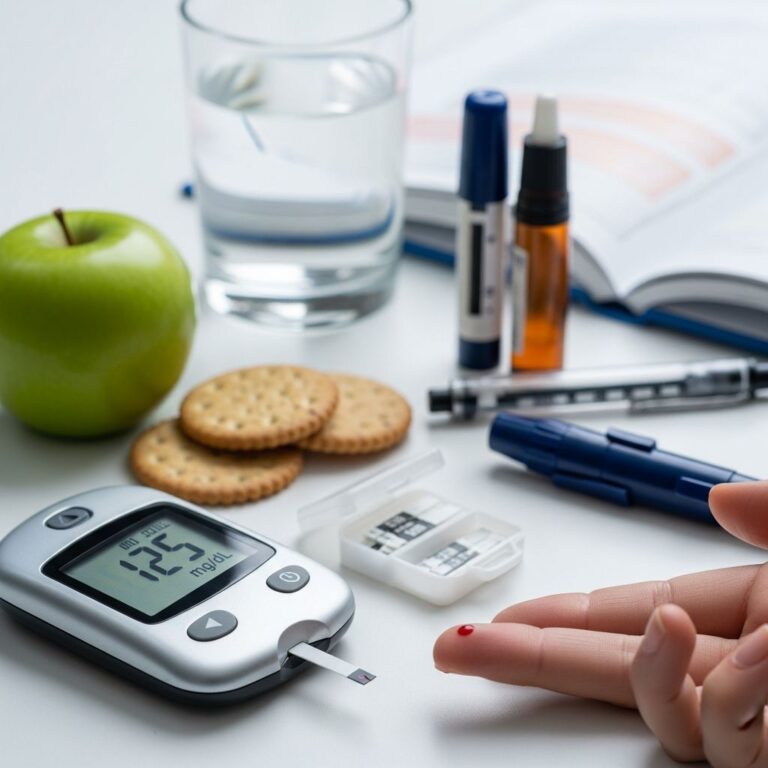
High blood sugar damages retinal vessels, leading to blurry vision. In diabetes, swelling (macular edema) is common. Control blood sugar, get annual eye exams. Laser therapy or injections treat advanced cases. Sudden blur may signal hypoglycemia too.
Glaucoma: The Silent Thief of Sight
Open-angle glaucoma raises eye pressure, damaging the optic nerve and causing peripheral blur. Often asymptomatic until advanced. Eye drops lower pressure; surgery if needed. Risk: family history, age over 60, African descent.
Other Eye Conditions
Keratoconus
Thinning cornea bulges into a cone, distorting vision. Rigid contacts or corneal cross-linking treat it.
Uveitis
Inflammation blurs vision with pain and light sensitivity. Steroid drops resolve most cases[10].
Retinal Detachment
A retinal tear causes flashes, floaters, and a curtain-like blur. Emergency surgery prevents blindness[11].
Neurological Causes of Sudden Blurry Vision
Sudden blur demands immediate care, as it may indicate stroke, migraine, or multiple sclerosis. Stroke affects vision via brain areas controlling sight; TIA (mini-stroke) resolves quickly but warns of risk[12].
- One-sided weakness, confusion: Call 911.
- Migraine aura: Temporary zigzag patterns precede blur.
Medications and Lifestyle Factors
| Medication Type | Examples | Vision Effect |
|---|---|---|
| Antihistamines | Benadryl | Dry eyes, blur |
| Anticholinergics | Some antidepressants | Pupil dilation, focus issues |
| Corticosteroids | Prednisone | Cataracts, pressure rise |
| Statins | Lipitor | Rare lens changes |
Lifestyle culprits: Eye strain from digital devices (computer vision syndrome), fatigue, alcohol, or allergies causing swelling[13].
Pregnancy-Related Blurry Vision
Hormonal shifts, fluid retention, or gestational diabetes blur vision in 10-15% of pregnancies. Usually resolves post-delivery; monitor for preeclampsia (high BP with protein in urine)[14].
When to See a Doctor for Blurry Vision
Seek immediate care if blur is sudden, one-eyed, with headache/pain, or follows injury. Routine exams yearly if over 40 or at risk.
- Sudden or severe blur.
- With neurological symptoms.
- Persistent despite rest/glasses.
Prevention and Treatment Options
Protect eyes: 20-20-20 rule for screens, UV sunglasses, healthy diet, no smoking. Treatments range from drops to surgery[15].
Frequently Asked Questions (FAQs)
Can stress cause blurry vision?
Yes, stress induces eye muscle tension or dry eyes, leading to temporary blur. Manage with relaxation and hydration[13].
Is blurry vision always serious?
No, often refractive or dry eyes, but sudden/persistent blur needs evaluation.
How does diabetes affect vision?
High sugar causes lens swelling and retinopathy, blurring sight. Control A1C prevents it.
Can screens permanently damage vision?
No permanent damage, but cause digital eye strain. Blink often, adjust lighting.
What’s the first sign of cataracts?
Gradual haze, glare sensitivity.
References
- Blurred Vision – Symptoms and causes — Mayo Clinic. 2024-08-15. https://www.mayoclinic.org/diseases-conditions/blurred-vision/symptoms-causes/syc-20350586
- Refractive Errors — National Eye Institute. 2023-11-01. https://www.nei.nih.gov/learn-about-eye-health/eye-conditions-and-diseases/refractive-errors
- Presbyopia — American Academy of Ophthalmology. 2024-05-20. https://www.aao.org/eye-health/diseases/presbyopia
- Dry Eye — American Academy of Ophthalmology. 2024-02-10. https://www.aao.org/eye-health/diseases/dry-eye
- Cataracts — National Eye Institute. 2024-01-12. https://www.nei.nih.gov/learn-about-eye-health/eye-conditions-and-diseases/cataracts
- AMD — Centers for Disease Control and Prevention. 2023-09-28. https://www.cdc.gov/visionhealth/basics/ced/fastfacts.html
- Diabetic Retinopathy — National Eye Institute. 2024-03-05. https://www.nei.nih.gov/learn-about-eye-health/eye-conditions-and-diseases/diabetic-retinopathy
Similar Articles








Read full bio of medha deb