Blushing: Causes, Diagnosis, Treatment, And Coping Tips
Understanding the causes, triggers, and effective treatments for facial blushing and flushing.
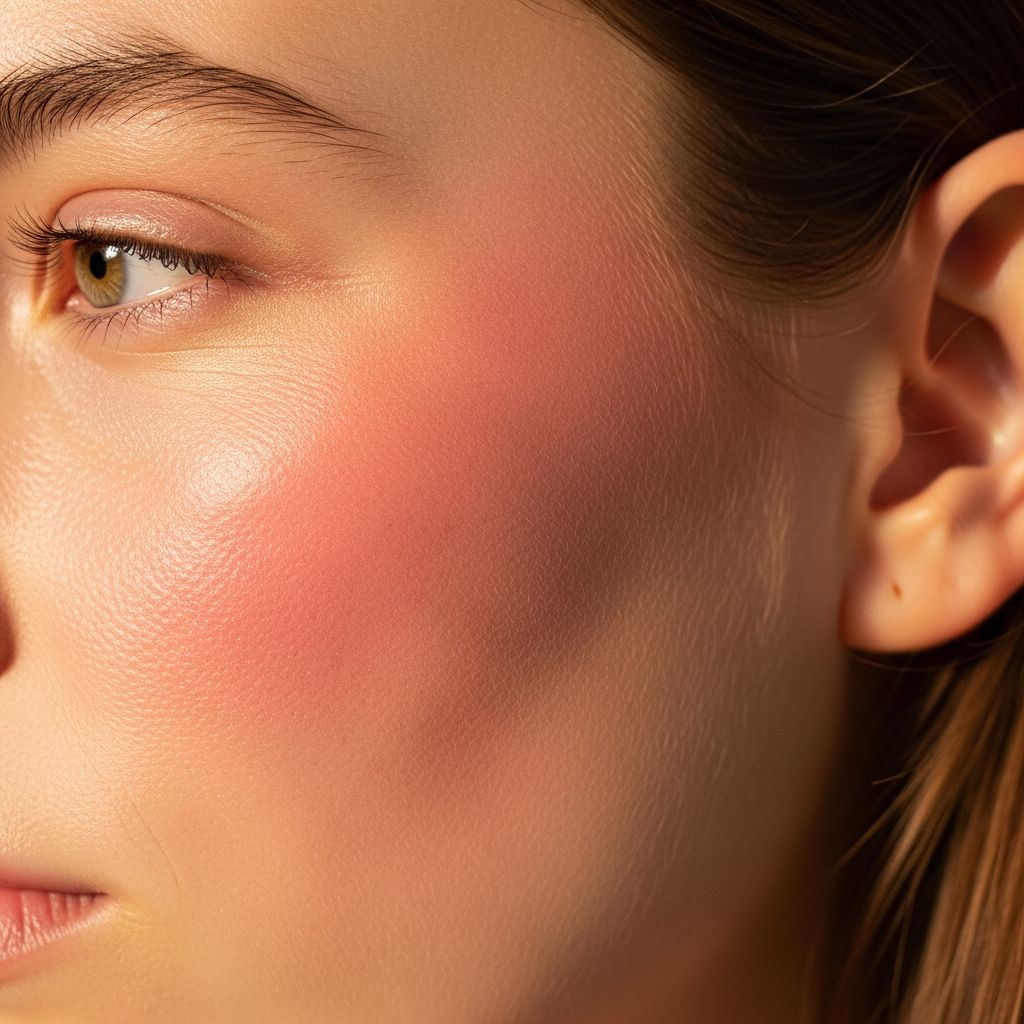
Blushing is a sudden reddening of the face, neck, and occasionally the upper chest, resulting from neurological flushing. This common physiological response primarily occurs due to activation of the sympathetic nervous system during emotional stimuli such as anxiety, embarrassment, or social evaluation.
What is blushing?
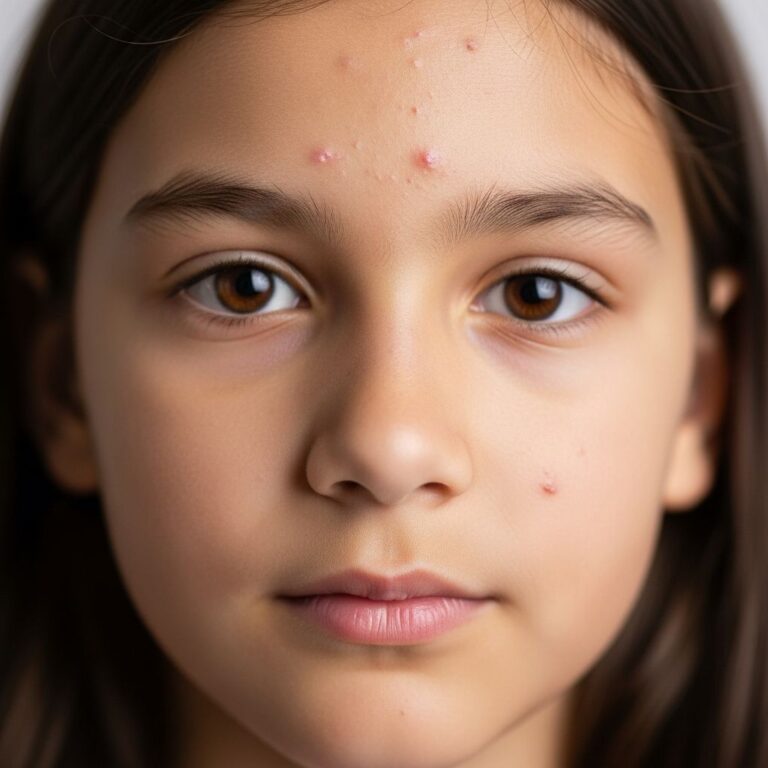
Blushing manifests as a transient erythema (reddening) of the skin in areas rich in blood vessels, particularly the face, neck, and upper torso. It is a form of flushing mediated by the autonomic nervous system, specifically the sympathetic branch, which dilates capillaries beneath the skin surface. This vasodilation increases blood flow, producing the characteristic red hue.
In typical scenarios, blushing lasts 1-2 minutes and resolves spontaneously, causing minimal discomfort. However, for individuals prone to excessive or idiopathic blushing—occurring without clear emotional triggers—it can lead to significant distress, social withdrawal, and conditions like erythrophobia, the pathological fear of blushing itself.
Blushing differs from other forms of flushing: emotional blushing is often accompanied by sweating (wet flushing), whereas dry flushing results from direct vasodilators like alcohol or heat.
Who gets blushing?
Blushing affects people of all ages, genders, and ethnicities, though it is more noticeable in those with fair skin due to less melanin masking the redness. It is universal, occurring in most individuals occasionally, but some are genetically predisposed to more intense or frequent episodes.
- Psychologically vulnerable individuals: Those with social anxiety disorder, generalized anxiety, or low self-esteem blush more readily in evaluative situations like public speaking or meetings.
- Idiopathic blushers: A subset experiences blushing without emotional cues, possibly due to hypersensitive vasomotor responses.
- Associated demographics: More common in adolescents and young adults navigating social pressures; persists into adulthood for some.
Causes of blushing
The primary mechanism is the “fight or flight” response: emotional or environmental stimuli activate the sympathetic nervous system, releasing norepinephrine, which widens facial blood vessels (arterioles and capillaries). This evolutionary signal may convey submissiveness or apology in social contexts.
Psychological and emotional triggers
- Embarrassment, shame, guilt, anger, or excitement.
- Social scrutiny, criticism, or performance anxiety (e.g., presentations).
Physiological and external triggers
| Category | Examples |
|---|---|
| Environmental | Hot weather, exercise, sudden temperature changes |
| Dietary | Spicy foods, hot drinks, alcohol |
| Medical | Fever, menopause (vasomotor symptoms), rosacea, carcinoid syndrome, mastocytosis |
| Medications | Calcium-channel blockers, tamoxifen, calcitonin, niacin |
Conditions like rosacea amplify blushing via chronic vasodilation, while hyperhidrosis (excessive sweating) often co-occurs.
Physiology of blushing
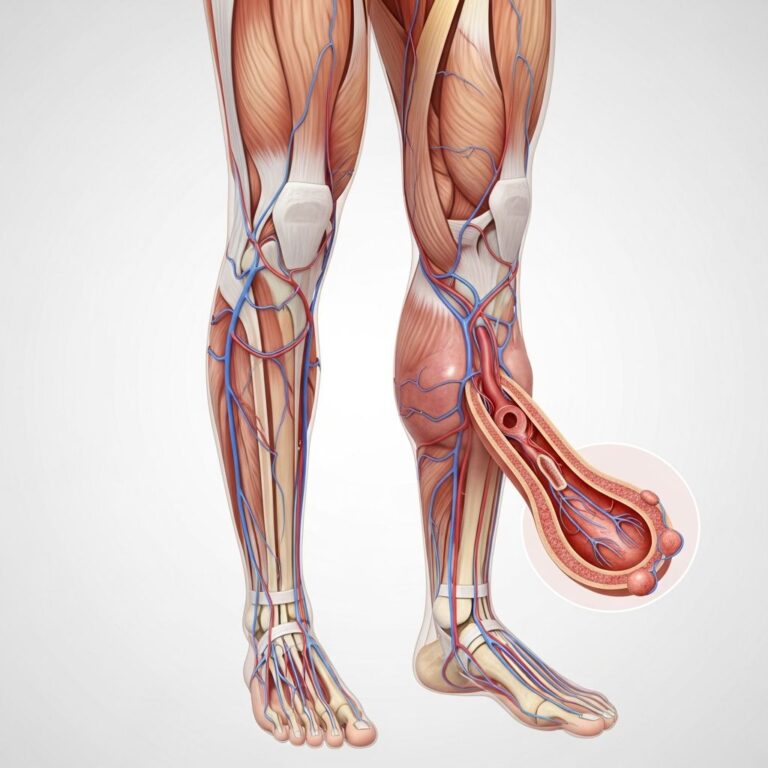
The face has a dense network of thermoregulatory and emotional blood vessels innervated by sympathetic nerves from the superior cervical ganglion. Emotional blushing originates higher in the brain (amygdala, prefrontal cortex), bypassing typical thermoregulatory paths, explaining its specificity to exposed skin areas.
Key steps:
- Stimulus perceived as socially threatening.
- Hypothalamic activation signals sympathetic chain.
- Release of vasodilatory neuropeptides (e.g., substance P, VIP).
- Capillary dilation and increased blood flow → visible erythema.
This response is adaptive, signaling appeasement, but maladaptive when excessive.
Effects of blushing
Mild blushing causes fleeting embarrassment, but severe cases erode confidence, leading to avoidance behaviors, social phobia, and reduced quality of life. Erythrophobia creates a vicious cycle: fear of blushing triggers it.
Related Stories



- Psychosocial impact: Isolation, job limitations (e.g., avoiding promotions with public roles).
- Physical: Often paired with sweating, palpitations.
Diagnosis of excessive blushing
Diagnosis is clinical, based on history of recurrent, distressing flushing disproportionate to stimuli. Rule out secondary causes via:
- Physical exam for rosacea, carcinoid (diarrhea, wheezing).
- Blood tests (serotonin, chromogranin A for carcinoid).
- Exclusion of triggers/medications.
No specific test; severity assessed by impact on daily functioning.
Treatment of blushing
Management escalates from conservative to invasive. Goals: reduce frequency/intensity, break psychological cycles.
Non-medical strategies
- Cognitive Behavioral Therapy (CBT): Reframes thoughts (“Blushing shows I’m human”), exposure to triggers. Effective for anxiety-driven cases.
- Lifestyle: Avoid triggers (spicy food, alcohol, heat); breathe deeply; smile/laugh to regulate stress.
- Makeup: Green-tinted primers neutralize redness.
- Acceptance techniques: Acknowledge blush calmly to halt escalation.
Medications
| Drug Class | Examples | Mechanism | Notes |
|---|---|---|---|
| Beta-blockers | Propranolol | Blocks adrenaline effects | Pre-event use; consult doctor |
| Anticholinergics | Clonidine, oxybutynin | Sympathetic inhibition | For hyperhidrosis combo |
| Others | SSRIs (for anxiety) | Reduces emotional triggers | Long-term |
Surgical options
Endoscopic Thoracic Sympathectomy (ETS): Clips/divides sympathetic nerves (T2-T3 levels) under general anesthesia. Highly effective for severe, refractory blushing/hyperhidrosis, but risks compensatory sweating (most common side effect), gustatory sweating, Horner syndrome. Reserved for failed conservative treatments.
Prevention of blushing
- Practice mindfulness/relaxation (yoga, meditation).
- Gradual exposure to social situations.
- Cool environment, loose clothing.
- Limit alcohol/spicy foods.
Blushing in special populations
In menopause, vasomotor instability causes hot flushes with blushing; hormone therapy or SSRIs help. Children may blush from shyness; monitor for anxiety disorders.
Frequently Asked Questions (FAQs)
Q: Is blushing harmful?
A: No, blushing is benign but can impact mental health if excessive. It signals emotions but doesn’t damage skin.
Q: Can blushing be cured permanently?
A: Not always, but ETS offers near-permanent relief for severe cases, though with risks. CBT provides lasting coping skills.
Q: Does everyone blush the same way?
A: No; intensity varies by genetics, skin type, and triggers. Fair skin shows it more prominently.
Q: How to stop blushing immediately?
A: Breathe deeply, sip cold water, avoid eye contact briefly, or shift focus.
Q: Is blushing linked to rosacea?
A: Yes, rosacea causes prolonged flushing; treatments target both.
References
- Blushing — DermNet NZ. 2005 (updated). https://dermnetnz.org/topics/blushing
- How to stop blushing: 12 steps to get rid of it — Medical News Today. 2023-08-15. https://www.medicalnewstoday.com/articles/319870
- Skin blushing/flushing — MedlinePlus (U.S. National Library of Medicine). 2025-06-03. https://medlineplus.gov/ency/article/003241.htm
- Flushing — DermNet NZ. 1997 (updated). https://dermnetnz.org/topics/flushing
- The nature of the blush — Cambridge University Press. 2012-12-05. https://www.cambridge.org/core/books/psychological-significance-of-the-blush/nature-of-the-blush/AA833FEAC2BAF34FD9E77EE63CF8B13F
- Menopause and the skin — DermNet NZ. https://dermnetnz.org/topics/menopause-and-the-skin
Similar Articles








Read full bio of Sneha Tete