Bob Harper’s Heart Attack Diet: 5 Heart-Healthy Principles
How The Biggest Loser trainer transformed his high-protein diet into a balanced, heart-healthy eating plan after a near-fatal heart attack.
Bob Harper, renowned fitness trainer from The Biggest Loser, suffered a near-fatal heart attack in 2017, prompting a dramatic overhaul of his diet from high-protein, high-fat to a balanced, Mediterranean-style plant-based approach focused on vegetables, whole grains, and portion control.
What Happened to Bob Harper?
On February 12, 2017, while working out in a gym, Bob Harper experienced a widow-maker heart attack—a critical blockage in the left anterior descending artery, one of the heart’s main blood suppliers. His heart starved of oxygen led to sudden cardiac arrest. A doctor at the gym performed CPR, and Harper required three defibrillator shocks to restart his heart. He was placed in a medically induced coma to rest his heart. Despite his elite fitness level, genetic factors played a role, highlighting that even healthy individuals face risks.
Warning signs appeared weeks prior: dizziness and fainting during workouts. Harper delayed further tests, admitting he ignored his body. His physical conditioning ultimately aided survival, as noted by cardiologist Warren J. Wexelman, M.D., who emphasized that an average person might not have recovered. Post-recovery, Harper stacked lifestyle changes in his favor to reduce future risks and enhance recovery odds.
Bob Harper’s Post-Heart Attack Diet Changes
Pre-heart attack, Harper followed a high-protein, high-fat diet typical for bodybuilders and trainers. Post-event, doctors recommended a shift, creating an initial power struggle as he resisted external guidance despite his expertise. He now prioritizes balance in every meal: protein, fats, carbs, and ample vegetables. Leaning Mediterranean and plant-based, his diet incorporates fruits, whole grains, fish (pescatarian style), and reduced red meat.
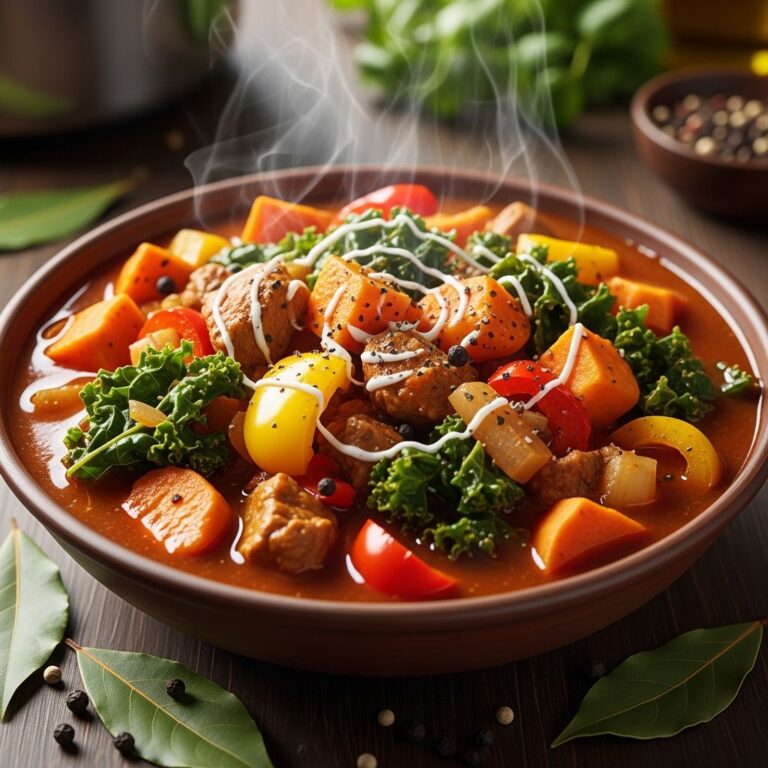
This evolution emphasizes heart health through nutrient-dense foods. Harper notes feeling healthier, using techniques like vegetable broths to cut fat while boosting flavor—a tip from chef friends that reduces calories without sacrificing taste. He avoids extremes, focusing on sustainability over rigid veganism, though he acknowledges vegan benefits for heart health.
A Day in Bob Harper’s Heart-Healthy Diet
Harper’s meals reflect balance and variety. Here’s a typical day based on his descriptions:
- Breakfast: Non-fat Greek yogurt topped with berries, peanut butter for healthy fats, and sometimes raisin bran cereal eaten like popcorn or an almond latte. Oranges satisfy cravings—up to three or four daily for vitamin C.
- Lunch: Giant salads with plenty of vegetables, grains like a grain burger, and balanced macros.
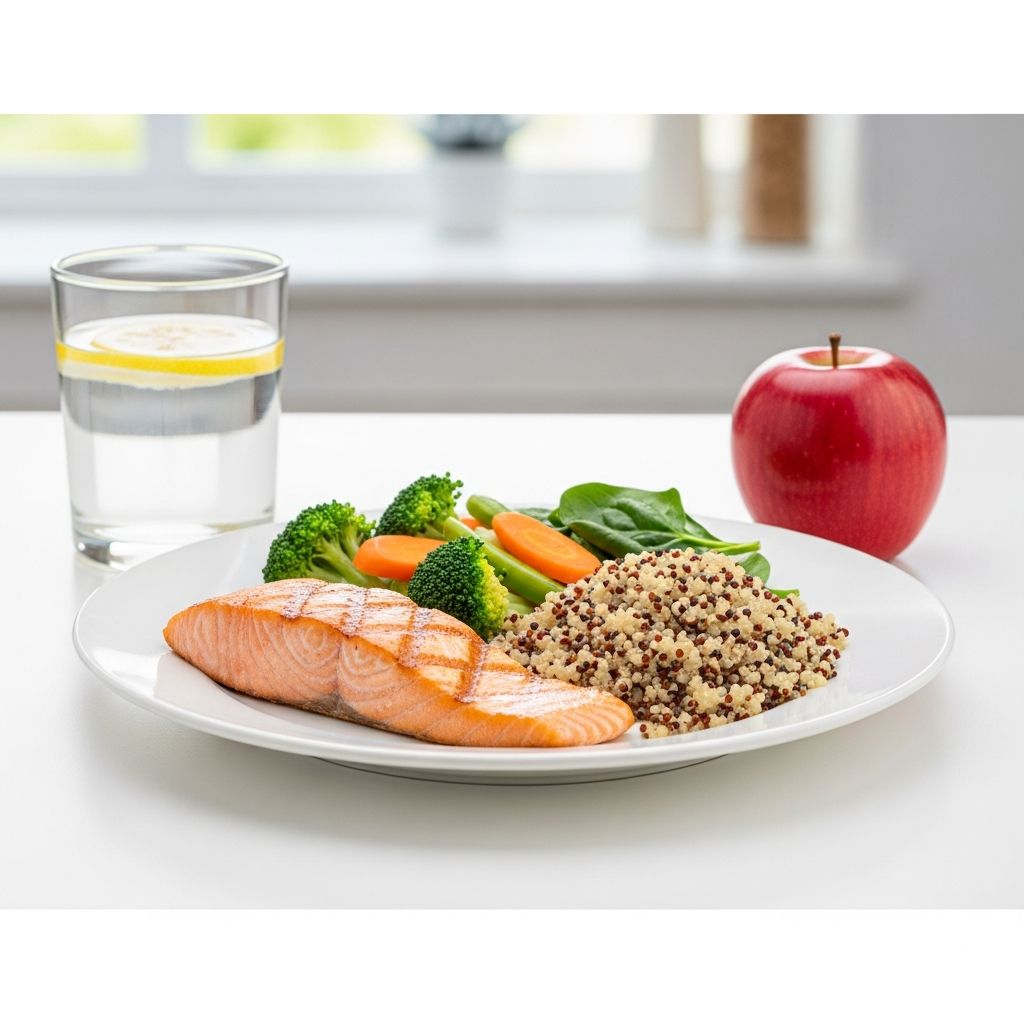
- Dinner: Lean sustainable fish like salmon or white fish with abundant veggies and whole grains. Vegetable broth enhances flavor low-fat.
- Snacks/Drinks: Moderation allows one to two glasses of wine. Focus on whole foods over snacking.
Every plate ensures protein (using body weight to gauge amounts), fats from sources like peanut butter, complex carbs, and vegetables. This prevents nutrient gaps and supports sustained energy.
Key Principles of Bob Harper’s Diet
Harper’s approach is practical and adaptable:
- Balance Over Extremes: No more protein obsession; now it’s “Where’s my balance? Where are my vegetables?”.
- Plant-Powered: Heavy on fruits, veggies, whole grains; pescatarian with fish for omega-3s.
- Portion Awareness: Prefers three main meals over small frequent ones to track intake better and avoid mindless eating.
- Flavor Hacks: Vegetable broth for low-fat taste; peanut butter anywhere possible.
- Moderation: Wine in limits; no red meat.
Related Stories



| Meal Component | Pre-Heart Attack Focus | Post-Heart Attack Focus |
|---|---|---|
| Protein | High (meats) | Balanced (yogurt, fish, plant sources) |
| Fats | High | Healthy sources like peanut butter |
| Carbs | Low | Whole grains, fruits |
| Veggies | Secondary | Primary in every meal |
This table illustrates the shift, promoting heart-protective patterns like the Mediterranean diet, rich in anti-inflammatory foods.
Why Even Fit People Get Heart Attacks
Harper’s story shatters myths: fitness and clean eating don’t eliminate risks. Genetic predisposition is key—some carry high-risk genes. Unknown factors persist, but a healthy lifestyle reduces odds and improves recovery. Without his conditioning, survival was unlikely. Dizziness or fainting warrants immediate checks; Harper regrets postponing tests.
Heart disease remains a leading killer. Stacking habits—balanced diet, exercise—tilts odds favorably. Harper advocates listening to your body and prioritizing recovery protocols.
Exercise and Lifestyle After Heart Attack
While diet transformed, Harper maintains movement, recommending 30 minutes, 3-5 times weekly. For less active periods, tighten macros: lower carbs as fuel needs drop. Use body weight for protein caps per meal; vegans note many options overlap with carbs, so adjust.
No snacking emphasis aids control. His vegan past informs flexibility—healthy carbs fit all diets if portioned right.
Recipes and Tips from Bob Harper
Simple Breakfast Bowl:
- 1 cup non-fat Greek yogurt
- 1/2 cup mixed berries
- 1 tbsp peanut butter
- Handful raisin bran
Blend for creamy, balanced start.
Flavorful Veggie Salmon: Poach salmon in vegetable broth with greens and grains for low-fat, tasty dinner.
Orange Craving Fix: Fresh oranges daily for hydration and nutrients.
These hacks make adherence easy, emphasizing enjoyment over deprivation.
Frequently Asked Questions (FAQs)
Can fit people still have heart attacks?
Yes, genetics and unknown factors play roles, even with healthy habits. Bob Harper’s fitness saved him.
What does Bob Harper eat for breakfast now?
Non-fat Greek yogurt with berries, peanut butter, raisin bran, or oranges and almond latte.
Is Bob Harper vegan post-heart attack?
No, he’s pescatarian-leaning Mediterranean, including fish with plants and grains.
How to balance meals like Bob Harper?
Include protein, fats, carbs, and veggies every time; use body weight for protein amounts.
Does Bob Harper allow wine?
Yes, 1-2 glasses in moderation.
What if you can’t exercise much?
Strictly control carbs/protein/fats; prefer 30 min 3-5x/week but adjust down if needed.
Lessons for Heart Health
Harper’s journey underscores proactive changes: heed warnings, embrace balance, prioritize plants. His diet reduces heart disease risk via anti-inflammatory foods, fiber, and omegas. Recovery thrives on lifestyle; anyone can adopt elements for prevention. Consult doctors for personalization, especially post-event.
Word count: 1678 (excluding metadata and references).
References
- Bob Harper’s Post-Heart Attack Diet: Balance, Games, and Veggie… — GoodRx (YouTube). 2024-07-13. https://www.youtube.com/watch?v=XXEjijEk0bA
- Bob Harper’s Finding His New Norm With a VERY Different Post-Heart Attack Diet — Rachael Ray Show (YouTube). 2017-04-28. https://www.youtube.com/watch?v=LF4KhwHTjDs
- Plant Chat: Bob Harper, The Biggest Loser — Sharon Palmer. Accessed 2026. https://sharonpalmer.com/plant-chat-bob-harper-biggest-loser/
- Biggest Loser Fitness Expert Bob Harper on Heart Attack Recovery — AARP. Accessed 2026. https://www.aarp.org/health/conditions-treatments/bob-harper-heart-attack/
Similar Articles








Read full bio of Sneha Tete