Body Changes After Pregnancy: Comprehensive Postpartum Guide
Understand common postpartum body changes, from hair loss and stretch marks to hormonal shifts and recovery tips for new mothers.
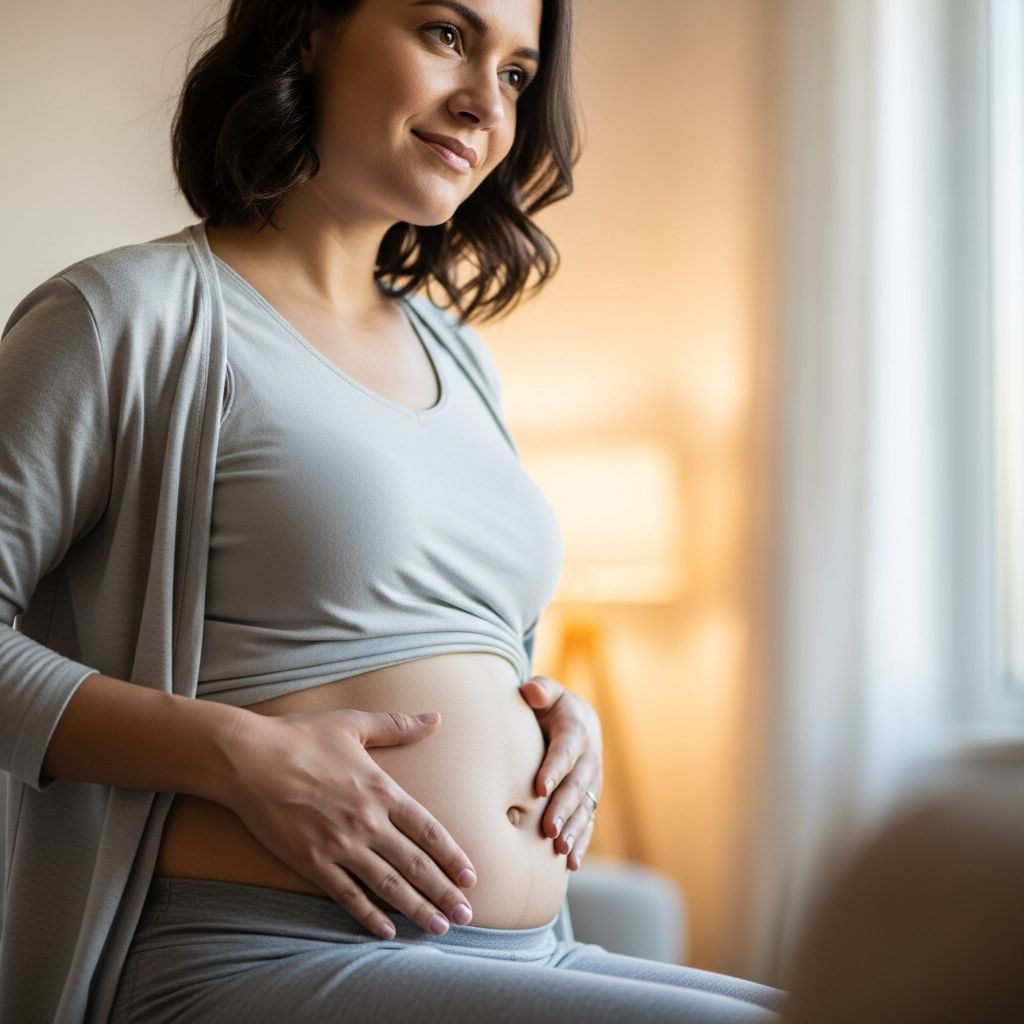
The postpartum period, often called the fourth trimester, brings a range of physical changes as your body recovers from pregnancy and birth. These transformations affect everything from your uterus and breasts to skin, hair, and pelvic floor. While many resolve within weeks, some persist longer, influencing long-term health. Understanding these shifts empowers new parents to navigate recovery effectively.
What Happens to Your Body After Giving Birth?
Immediately after delivery, your body begins reverting from its pregnancy-adapted state. Hormonal fluctuations, weight redistribution, and tissue healing drive these changes. The uterus shrinks from watermelon-sized to pear-sized over six weeks, while hormonal drops trigger sweating, mood shifts, and more. Breastfeeding accelerates some processes, like uterine contraction, but can intensify discomforts like after-pains.
Common immediate effects include heavy vaginal bleeding (lochia), which mimics a heavy period and lasts 4-6 weeks. Lochia starts bright red, turns pinkish-brown, then yellowish-white. Use pads only—no tampons—for six weeks to avoid infection. Activity, breastfeeding, or mornings increase flow; C-section patients may have lighter lochia after 24 hours.
Lochia (Vaginal Discharge)
Lochia is the shedding of the uterine lining and blood from the placental site. Expect 4-6 weeks of discharge: bright red for 3-10 days (up to a cup daily), then serous pink (10-21 days), and finally alba (white, scant, up to 6 weeks). Clots smaller than a golf ball are normal; larger ones warrant a call to your provider. Odor should be earthy, not foul—if foul, suspect infection.
- Wear maternity pads for absorbency.
- Empty your bladder often to reduce cramping.
- Monitor for signs of hemorrhage: soaking a pad hourly for hours.
Afterpains (Uterine Contractions)
Afterpains are cramps as the uterus contracts to expel placental remnants and shrink. They peak in the first few days, lasting 5 minutes each, and feel like strong menstrual cramps—worse with multiparous births or breastfeeding (oxytocin surge). They subside over days.
- Relief tips: Ibuprofen, heating pad, lie on side, empty bladder, breastfeed (speeds involution).
The fundus (top of uterus) sits at navel level day 1, then descends 1 cm/day, becoming non-palpable by 2 weeks.
Perineal Soreness and Hemorrhoids
Vaginal deliveries often cause perineal tears or episiotomy soreness, swelling, and bruising. Pain peaks days 2-3, easing in 2 weeks. Hemorrhoids from pushing affect up to 40% of birthers, causing itching, pain, thrombosis.
- Care: Cool packs first 24 hours, warm sitz baths after, witch hazel pads, stool softeners, high-fiber diet.
- Avoid straining; use peri bottle for hygiene.
C-section incisions ache for 1-2 weeks; watch for infection (redness, pus, fever).
Breast Changes
Breasts engorge 2-5 days postpartum from increased blood flow and milk production—hard, warm, tender. If not breastfeeding, milk may leak 1-2 weeks. Fluctuations continue: larger during lactation, smaller after weaning.
- Management: Frequent feeding/pumping if nursing; supportive bra, cold compresses, cabbage leaves if not.
- Leaking: Breast pads; normal with crying, warmth.
Related Stories



Post-weaning, breasts may sag or shrink due to stretched skin/ligaments.
Sweating and Night Sweats
Diaphoresis (heavy sweating) results from fluid loss (losing pregnancy’s extra 20-30 lbs water) and hormone normalization. Night sweats drench sheets, especially nights 1-10.
- Tips: Loose cotton clothes/bedding, shower frequently, increase fluids (half-gallon daily), fans.
Urinary Changes and Incontinence
Pelvic floor weakening from birth causes incontinence in 1/3 of women—stress type (leak with cough/laugh) or urge. Burning urination from trauma resolves quickly; difficulty from swelling. Kegels strengthen muscles (contract 10 seconds, 10x/hour).
Improvement in weeks; persistent cases need pelvic therapy. Bowel incontinence is rarer but similar cause.
Hair Loss
Pregnancy hormones prolong hair growth phase; postpartum telogen effluvium sheds 300-400 hairs/day (vs. 100 normal) for 1-5 months, peaking 3 months. Diffuse thinning; regrowth by 6-12 months.
- Cope: Gentle shampoos, biotin/volumizing products, avoid heat styling. Consult if patchy (thyroid sign).
Skin Changes
Stretch marks (striae) on belly, breasts, thighs fade from red-purple to silver over months-years. No cream prevents fully; genetics factor. Hyperpigmentation (linea nigra, melasma) fades 6-12 months. Varicose/spider veins improve 6-12 months; compression helps.
Shoe Size Increase
Feet grow 2-10mm permanently: relaxin loosens ligaments, weight flattens arches. Half of women report larger shoes postpartum.
Weight Loss Timeline
Initial drop: 10-15 lbs (baby, placenta, fluids). Remaining 10-20 lbs shed gradually via breastfeeding (500 cal/day), diet, exercise. 75% retain some at 6 months; aim gradual loss (1-2 lbs/week after 6 weeks).
| Time Postpartum | Expected Weight Loss | Factors |
|---|---|---|
| Immediate | 10-15 lbs | Baby (7-8), fluids/placenta |
| 1-2 weeks | 5-10 more | Lochia, diuresis |
| 6 weeks | Variable | Breastfeeding aids |
| 6-12 months | Full if active | Diet/exercise |
Sexual Health and Libido
Low libido from hormones, fatigue, soreness lasts months. Vaginal dryness from low estrogen; wait 6 weeks for intercourse. Lubricants help; desire rebounds with sleep, partner support.
Mental and Hormonal Shifts
Baby blues (tears, anxiety 1-2 weeks) from hormones; true PPD (persistent sadness) needs screening. Thyroid changes common.
Long-Term Cardiometabolic Risks
Retained weight, persistent changes raise diabetes/CVD risk. Track BMI, biomarkers; behaviors like breastfeeding mitigate.
Postpartum Recovery Timeline
| Body Area | Timeline | Tips |
|---|---|---|
| Uterus | 6 weeks | Breastfeed, avoid heavy lift |
| Lochia | 4-6 weeks | Rest, pads |
| Perineum | 2-4 weeks | Sitz baths, ice |
| Hair | 3-6 months | Gentle care |
| Weight | 6-12 months | Balanced diet |
When to Call Your Doctor
- Fever >100.4°F
- Foul lochia
- Heavy bleeding (pad/hour)
- Severe pain
- Depression >2 weeks
- Incontinence persists post-checkup
Frequently Asked Questions (FAQs)
Is postpartum hair loss permanent?
No, it typically resolves by 6-12 months as cycles normalize.
Will my feet stay bigger?
Yes, often permanently by 2-10mm due to ligament changes.
How long does lochia last?
4-6 weeks, transitioning colors.
When can I exercise postpartum?
Light walks immediately; full after 6-week checkup.
Does breastfeeding help recovery?
Yes, aids weight loss, uterine shrinking.
Self-Care Tips for Postpartum Recovery
- Prioritize sleep when baby sleeps.
- Eat nutrient-dense foods: proteins, veggies, whole grains.
- Hydrate heavily.
- Kegels daily.
- Seek support for mental health.
Recovery takes 6-12 months; grace yourself—it took 40 weeks to grow a baby.
References
- Pregnancy: Physical Changes After Delivery — Cleveland Clinic. 2023. https://my.clevelandclinic.org/health/articles/9682-pregnancy-physical-changes-after-delivery
- Guide to post-pregnancy body changes — Ohio State Health & Discovery. 2024. https://health.osu.edu/health/ob-gyn/guide-to-post-pregnancy-body-changes
- Biological Changes in the Pregnancy-Postpartum Period — PMC (National Institutes of Health). 2021-08-19. https://pmc.ncbi.nlm.nih.gov/articles/PMC8378197/
Similar Articles








Read full bio of Sneha Tete