Body Dysmorphic Disorder: Symptoms, Causes, and Treatment
Comprehensive guide to understanding BDD, its symptoms, causes, and evidence-based treatment options.
Understanding Body Dysmorphic Disorder
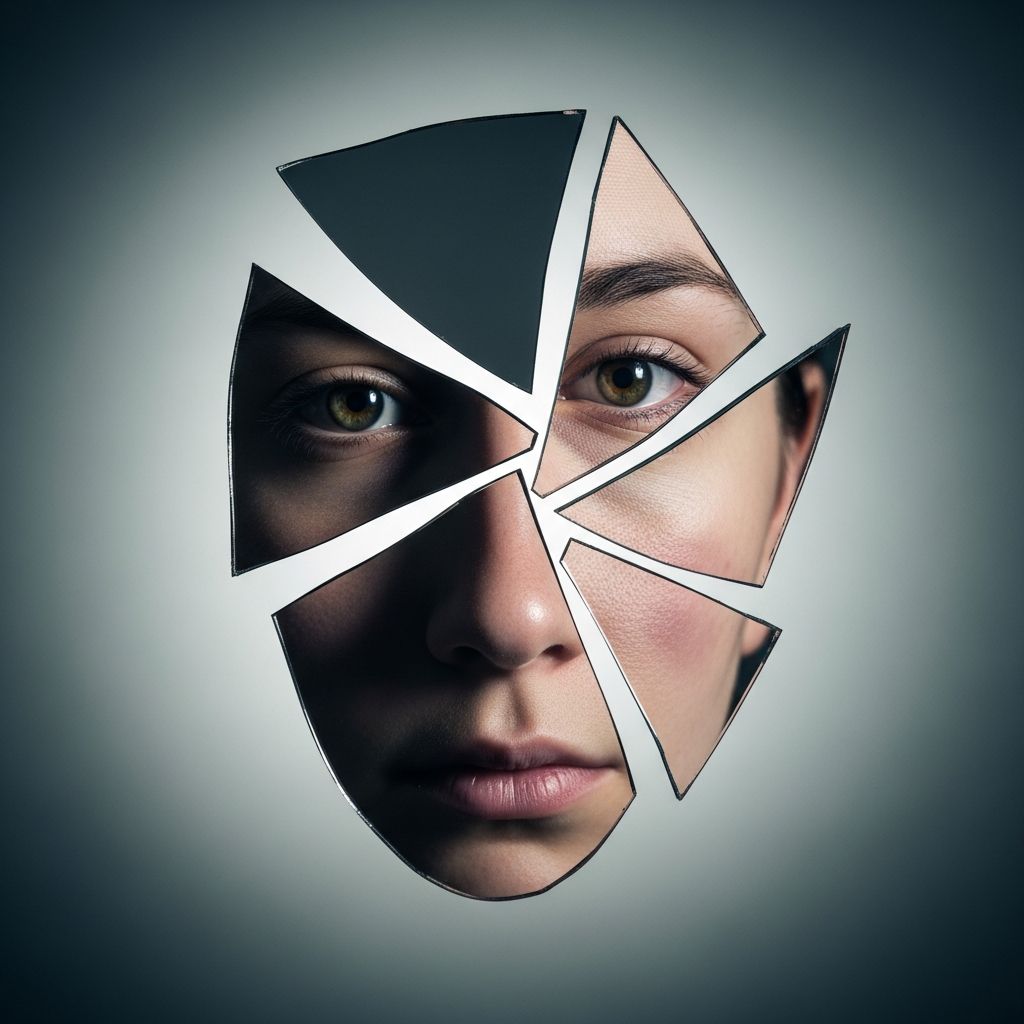
Body dysmorphic disorder (BDD), also known as body dysmorphia or dysmorphophobia, is a mental health condition characterized by an obsessive preoccupation with perceived flaws in appearance that are either imagined or, if real, are slight or minimal. This condition causes individuals to experience significant distress, shame, and anxiety over aspects of their physical appearance, often leading to repetitive behaviors and avoidance patterns that substantially impair their quality of life.
Unlike the normal concern about appearance that most people experience, BDD involves an intense, consuming focus that occupies much of a person’s day and interferes with their ability to function at work, school, or in social relationships. The disorder typically emerges during adolescence, when concerns about physical appearance are developmentally common, though it can develop at any age.
Key Characteristics and Symptoms
Body dysmorphic disorder manifests through a combination of cognitive preoccupations and repetitive behaviors. People with BDD become consumed by negative thoughts about their appearance and engage in compulsive rituals in an attempt to manage their anxiety or address their perceived flaws.
Preoccupational Symptoms
The primary feature of BDD is an excessive preoccupation with perceived body defects. Common areas of concern include the face, skin, hair, nose, chest, or other body parts. This preoccupation typically includes:
– Repetitive mirror checking or, conversely, complete avoidance of mirrors- Excessive grooming behaviors such as shaving the same area repeatedly- Constant comparison of their appearance with others- Seeking reassurance from others about their appearance- Excessive focus on remedying the perceived flaw
Repetitive and Compulsive Behaviors
People with BDD often engage in compulsive behaviors performed in response to their appearance concerns:
– Constant dieting and overexercising to achieve an idealized body shape or weight- Excessive grooming practices, such as picking at skin blemishes for extended periods- Camouflaging or concealing perceived defects through clothing, makeup, or positioning- Seeking dermatological treatments or cosmetic surgery procedures, sometimes repeatedly- Avoiding social situations, public spaces, or any environment where they fear their appearance will be noticed- In severe cases, complete social isolation and refusal to leave home
Emotional and Psychological Impact
The emotional toll of BDD is substantial. Individuals with this disorder frequently experience:
– Significant depression and anxiety- Low self-esteem and poor self-image- Social anxiety and isolation- Suicidal ideation in severe cases- Impaired functioning in academic, occupational, and social domains
Causes and Risk Factors
The precise cause of body dysmorphic disorder remains unknown, but research suggests multiple contributing factors. Understanding these potential causes helps explain why some individuals develop BDD while others do not.
Genetic and Biological Factors
There is evidence suggesting a genetic component to BDD. Individuals with a family history of BDD, obsessive-compulsive disorder (OCD), or depression may have an increased predisposition to developing the condition. Additionally, abnormal brain function or abnormal levels of serotonin, a neurotransmitter involved in mood regulation, may contribute to BDD development.
Related Stories



Environmental and Psychological Factors
Several environmental factors may trigger or exacerbate BDD:
– Traumatic experiences such as childhood teasing, bullying, or abuse- Low self-esteem combined with impossible standards of perfectionism- Excessive exposure to narrow beauty standards promoted by Western society and media- Adolescent stress and developmental pressures during critical formative years- Substance use, as certain drugs such as ecstasy may trigger onset in susceptible individuals
Comorbid Conditions
BDD frequently co-occurs with other mental health conditions, including obsessive-compulsive disorder, generalized anxiety disorder, depression, and eating disorders. This comorbidity can complicate diagnosis and treatment.
Diagnosis and Assessment
Diagnosis of body dysmorphic disorder requires careful assessment by a mental health professional. The condition is characterized by the DSM-5 criteria, which include a preoccupation with appearance that is not better explained by concerns with fat or weight in the context of an eating disorder or by another medical condition.
Healthcare providers evaluate the severity of the condition, duration of symptoms, degree of functional impairment, and whether individuals have experienced insight into the disorder. Assessment also involves screening for related conditions and determining the appropriate treatment approach based on symptom severity.
Treatment Options
Body dysmorphic disorder is highly treatable, and research demonstrates that between 50% and 80% of people who receive treatment experience fewer or less severe symptoms and are less likely to experience relapses. The two primary evidence-based treatments are cognitive behavioral therapy and medication, often used in combination for optimal outcomes.
Cognitive Behavioral Therapy
Cognitive behavioral therapy (CBT) is a cornerstone treatment for BDD and has demonstrated significant effectiveness in reducing symptom severity. CBT for BDD typically begins with assessment and psychoeducation, during which the therapist explains the cognitive-behavioral model specific to body dysmorphic disorder.
Key components of CBT for BDD include:
– Learning how negative thoughts, emotional reactions, and behaviors maintain problems over time- Challenging automatic negative thoughts about body image and developing more-flexible thinking patterns- Learning alternate ways to manage urges and rituals, including reducing mirror checking, reassurance seeking, and excessive use of medical services- Teaching behavioral strategies to improve mental health, such as addressing social avoidance and increasing engagement with healthy activities- Habit reversal training to address BDD-related skin picking or hair pulling- Specialized strategies for specific concerns, including body shape, weight, and muscularity concerns
Research has consistently shown that CBT successfully reduces BDD severity and related symptoms such as depression. When compared to waitlist or psychological placebo conditions, CBT demonstrates efficacy in improving BDD symptoms, associated depression, and levels of insight.
Medication Treatment
Medications, particularly selective serotonin reuptake inhibitors (SSRIs), are effective treatments for BDD, often used alongside psychotherapy. SSRIs appear to be more effective for body dysmorphic disorder than other antidepressants and may help control negative thoughts and repetitive behaviors.
Common SSRIs used to treat BDD include:
– Escitalopram- Fluoxetine- Sertraline- Paroxetine- Fluvoxamine- Citalopram
Research indicates that open-label trials of these SSRIs improved BDD and associated symptoms in 63% to 83% of patients. It is important to note that there is a risk of relapse when efficacious SRI medication is discontinued, emphasizing the importance of maintaining treatment.
For mild symptoms, SSRIs may be prescribed alone or in combination with psychotherapy. For moderate symptoms, individuals should be offered either CBT or an SSRI. For severe symptoms or when initial treatments prove ineffective, CBT combined with an SSRI is recommended.
Additional Medication Considerations
In some cases, individuals may benefit from taking medications in addition to SSRIs, depending on their specific symptoms. If treatment with both CBT and an SSRI has not improved symptoms after 12 weeks, healthcare providers may prescribe a different SSRI or another antidepressant such as clomipramine.
Lifestyle and Self-Care Strategies
In addition to professional treatment, several lifestyle modifications can help manage BDD symptoms effectively:
– Avoiding alcohol and recreational drugs, which can worsen symptoms or interact negatively with medications- Engaging in regular physical activity and exercise to manage depression, stress, and anxiety through activities such as walking, jogging, swimming, or gardening- Establishing healthy sleep patterns and stress management techniques- Building and maintaining supportive relationships- Engaging in meaningful activities and pursuits that provide purpose and satisfaction- Avoiding excessive exercise performed specifically to fix a perceived body flaw
Cosmetic Surgery and Medical Interventions
Some individuals with body dysmorphic disorder seek cosmetic surgery to correct actual or perceived physical flaws. However, medical experts remain divided on the ethics of performing cosmetic surgery under these circumstances. Research indicates that cosmetic procedures rarely satisfy individuals with BDD and may reinforce the disorder’s thought patterns and compulsive behaviors. Additionally, some individuals undergo repeat cosmetic surgery procedures, seeking continued “improvements” of the same body part, a pattern that is often counterproductive to recovery.
Frequently Asked Questions
Q: What is the difference between body dysmorphic disorder and normal appearance concerns?
A: While most people occasionally worry about their appearance, BDD involves obsessive, consuming preoccupation that causes significant distress and functional impairment. With BDD, the perceived flaws are either imagined or minimal, and the anxiety far exceeds what would be typical for actual physical concerns.
Q: When does body dysmorphic disorder typically begin?
A: BDD usually starts during the teenage years, when concern over physical appearance is developmentally common. However, the condition can emerge at any age.
Q: How effective is treatment for body dysmorphic disorder?
A: BDD is highly treatable. Between 50% and 80% of people treated with medication experience fewer or less severe symptoms and are less likely to experience relapses. Cognitive behavioral therapy combined with SSRI medication provides the most effective treatment approach.
Q: Can body dysmorphic disorder co-occur with other conditions?
A: Yes, BDD frequently co-occurs with obsessive-compulsive disorder, generalized anxiety disorder, depression, and eating disorders. Treatment plans should address these comorbid conditions.
Q: What should I do if I suspect I have body dysmorphic disorder?
A: If you suspect you have BDD, consult with your primary care physician or a mental health professional. Early diagnosis and treatment significantly improve outcomes and reduce the functional impairment associated with this disorder.
Q: Is there a cure for body dysmorphic disorder?
A: While there is no permanent cure, BDD is highly manageable with appropriate treatment. With cognitive behavioral therapy and medication, many individuals experience remission of symptoms, meaning their symptoms fade, weaken, or go away entirely.
When to Seek Professional Help
If you are spending significant time worrying about perceived flaws in your appearance, engaging in repetitive behaviors to address these concerns, avoiding social situations due to appearance anxiety, or experiencing depression and suicidal thoughts related to body image, it is essential to seek professional help immediately. Mental health professionals can provide accurate diagnosis and develop an individualized treatment plan tailored to your specific needs and symptom severity.
Conclusion
Body dysmorphic disorder is a serious mental health condition that causes significant distress and functional impairment for those affected. However, with evidence-based treatments including cognitive behavioral therapy and selective serotonin reuptake inhibitor medications, the majority of individuals experience substantial symptom improvement and enhanced quality of life. Understanding the symptoms, causes, and available treatment options is the first step toward recovery. If you or someone you know may be experiencing BDD, reaching out to a mental health professional is an important and effective action toward healing and improved mental wellness.
References
- Body Dysmorphic Disorder (BDD) — Better Health Channel, State Government of Victoria, Australia. 2024. https://www.betterhealth.vic.gov.au/health/conditionsandtreatments/body-dysmorphic-disorder-bdd
- A Therapist’s Guide for the Treatment of Body Dysmorphic Disorder — International OCD Foundation. 2024. https://bdd.iocdf.org/professionals/therapists-guide-to-bdd-tx/
- Body Dysmorphic Disorder: Diagnosis and Treatment — Mayo Clinic. 2024. https://www.mayoclinic.org/diseases-conditions/body-dysmorphic-disorder/diagnosis-treatment/drc-20353944
- Understanding and Treating Body Dysmorphic Disorder — National Center for Biotechnology Information (NCBI), National Institutes of Health. 2024. https://pmc.ncbi.nlm.nih.gov/articles/PMC6343413/
- Body Dysmorphic Disorder (BDD) — National Health Service (NHS). 2024. https://www.nhs.uk/mental-health/conditions/body-dysmorphia/
- Body Dysmorphic Disorder (BDD): Symptoms and Treatment — Cleveland Clinic. 2024. https://my.clevelandclinic.org/health/diseases/9888-body-dysmorphic-disorder
- Body Dysmorphic Disorder: Symptoms and Causes — Mayo Clinic. 2024. https://www.mayoclinic.org/diseases-conditions/body-dysmorphic-disorder/symptoms-causes/syc-20353938
Similar Articles








Read full bio of Sneha Tete