Body Dysmorphic Disorder: A Comprehensive Guide
Understanding body dysmorphic disorder: symptoms, causes, diagnosis, and effective treatments including CBT and SSRIs.
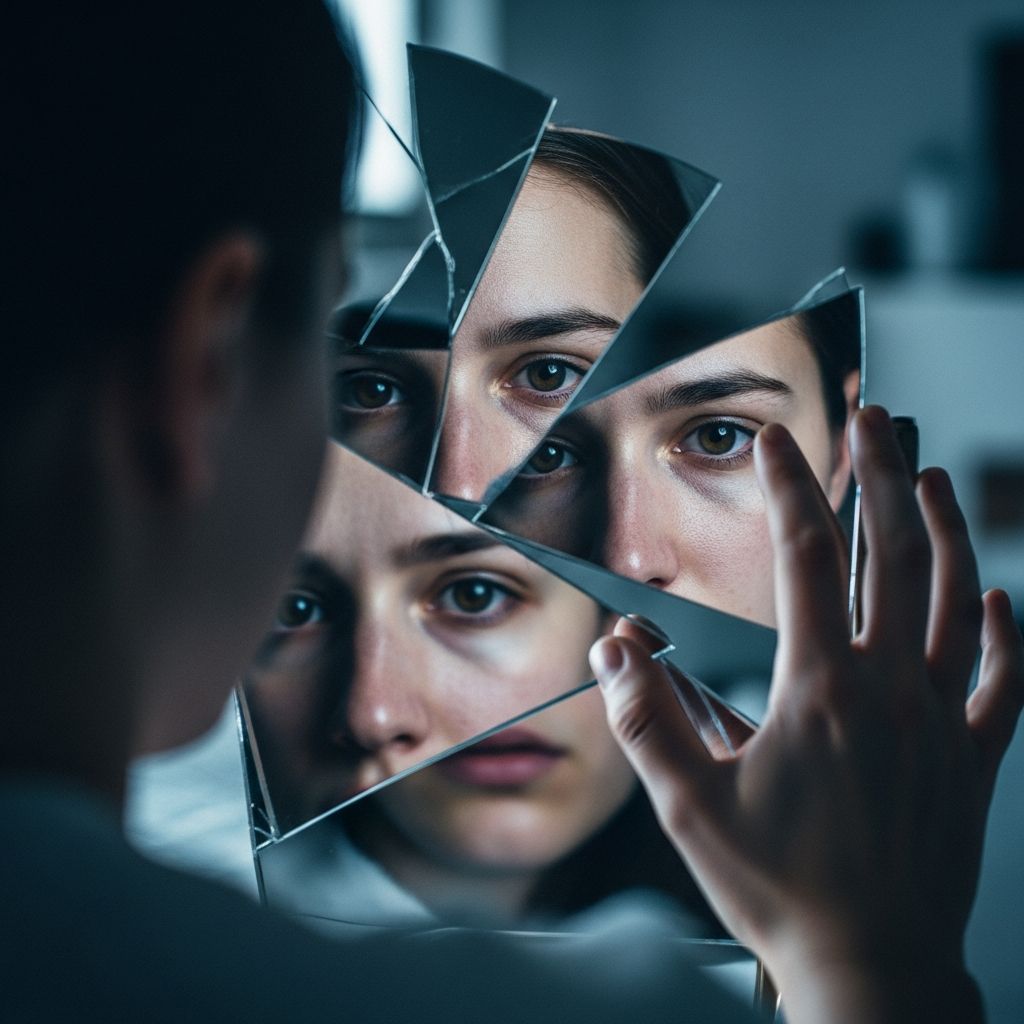
Body dysmorphic disorder (BDD), also known as body dysmorphia, is a mental health condition characterized by an obsessive preoccupation with one or more perceived defects or flaws in physical appearance. These flaws are often minor or imagined, yet they cause significant distress and impair daily functioning. BDD affects approximately 1-2% of the general population and typically begins in adolescence.
What is body dysmorphic disorder?
Body dysmorphic disorder falls under obsessive-compulsive and related disorders in diagnostic classifications like DSM-5 and ICD-11. Individuals with BDD spend excessive time worrying about their appearance, often focusing on the face (e.g., skin, nose, hair), but concerns can involve any body part. This leads to repetitive behaviors such as mirror checking, excessive grooming, skin picking, or seeking reassurance. Unlike normal appearance concerns, BDD causes severe emotional distress, social withdrawal, and functional impairment.
The core feature is a distorted body image where the person believes they are deformed or unattractive, despite evidence to the contrary. This preoccupation occupies at least one hour per day and is not better explained by another condition like an eating disorder or low self-esteem.
Symptoms of body dysmorphic disorder
Symptoms of BDD vary in severity but typically include:
- Preoccupation with a perceived flaw in appearance that is not observable or appears minor to others.
- Repetitive behaviors: excessive mirror checking or avoidance, comparing oneself to others, camouflaging (e.g., with makeup or clothing), skin picking, hair pulling, or excessive grooming.
- Mental acts: seeking reassurance about appearance, mental rituals comparing body parts.
- Avoidance of social situations, work, or school due to appearance fears.
- Emotional distress: anxiety, depression, low self-esteem, feelings of shame or disgust.
In severe cases, individuals may seek unnecessary cosmetic procedures, which provide only temporary relief before distress returns.
How common is body dysmorphic disorder?
BDD affects about 1.7-2.5% of the general population, with higher rates in cosmetic surgery settings (up to 15%) and psychiatric clinics (up to 40%). It is equally common in males and females, often starting in early adolescence (mean age 16-17 years). Comorbidities are frequent, including major depressive disorder (up to 80%), social anxiety disorder, OCD, and substance use disorders.
Types of body dysmorphic disorder
BDD can manifest in different forms:
- Muscle dysmorphia: A subtype primarily affecting males, involving preoccupation with being insufficiently muscular or lean.
- Predominantly skin-focused: Concerns about acne, scarring, or pores.
- Predominantly hair-focused: Obsessions with hair loss, thinning, or body hair.
- Other common foci: Nose, eyes, teeth, body shape/weight.
Individuals may have multiple preoccupations over time.
What causes body dysmorphic disorder?
The exact cause is multifactorial, involving:
- Biological factors: Genetic predisposition, abnormalities in brain circuits related to visual processing, emotion regulation, and reward (e.g., orbitofrontal cortex, amygdala). Serotonin dysregulation plays a key role.
- Psychological factors: Perfectionism, low self-esteem, history of trauma, bullying, or abuse. Childhood experiences of rejection amplify vulnerability.
- Environmental factors: Societal pressure for physical perfection via media, social media, and beauty standards. Teasing about appearance in youth is a common trigger.
No single cause exists; it’s a combination leading to distorted self-perception.
When to seek medical advice
Related Stories



Consult a healthcare professional if appearance concerns:
- Cause significant distress or interfere with work, relationships, or daily activities.
- Lead to avoidance of social situations or excessive time spent on grooming/checking.
- Result in repeated doctor visits or cosmetic procedures without satisfaction.
- Are accompanied by depression, anxiety, or suicidal thoughts.
Early intervention improves outcomes.
Diagnosis
Diagnosis is clinical, based on DSM-5 or ICD-11 criteria:
- Preoccupation with one or more perceived defects in appearance.
- Repetitive behaviors or mental acts in response to concerns.
- Causes clinically significant distress or impairment.
- Not due to substance or medical condition; not better explained by another disorder.
Tools like the Body Dysmorphic Disorder Questionnaire (BDDQ) aid screening. Severity is assessed via Yale-Brown Obsessive Compulsive Scale adapted for BDD (BDD-YBOCS).
Treatment of body dysmorphic disorder
BDD is treatable, with 50-80% of patients responding to evidence-based therapies. First-line treatments are cognitive behavioral therapy (CBT) and selective serotonin reuptake inhibitors (SSRIs).
Cognitive behavioural therapy (CBT)
Specialized CBT for BDD is the psychological treatment of choice, effective in 50-70% of cases. It includes:
- Psychoeducation about BDD and its cognitive model.
- Cognitive restructuring: Challenging distorted beliefs about appearance.
- Exposure and response prevention (ERP): Gradually facing feared situations without rituals (e.g., mirror checking).
- Perceptual retraining: Reducing self-focused attention and improving body image.
- Mindfulness and attention training.
Delivered in 12-20 sessions, individually or in groups. Internet-based CBT (BDD-NET) shows promise.
Medicines for body dysmorphic disorder
SSRIs are first-line pharmacotherapy, improving symptoms in 63-83% of patients at higher doses (e.g., fluoxetine 40-80mg, escitalopram 20-40mg). Response may take 8-12 weeks. Clomipramine is an alternative for non-responders. Augmentation with antipsychotics or venlafaxine for resistant cases. Always combined with CBT for best results.
| Treatment | Severity | Recommendation |
|---|---|---|
| Mild | CBT | Individual or group |
| Moderate | CBT or SSRI | Choose based on preference |
| Severe | CBT + SSRI | Combined approach |
For treatment-resistant BDD, consider rTMS or deep brain stimulation.
Complications of body dysmorphic disorder
Untreated BDD leads to:
- Social isolation and unemployment (up to 30%).
- High suicide risk (22-25% attempt rate).
- Substance abuse, self-harm.
- Cosmetic surgery dissatisfaction and escalation.
Quality of life is severely impaired.
Prevention of body dysmorphic disorder
No proven prevention, but early intervention in at-risk youth (e.g., those bullied about appearance) via school programs promoting body positivity and media literacy helps.
Self-help for body dysmorphic disorder
Supportive strategies include:
- Limit mirror checking and reassurance seeking.
- Practice self-compassion and mindfulness.
- Engage in valued activities despite anxiety.
- Avoid social media triggers.
- Join support groups (e.g., IOCDF BDD resources).
Professional help is essential; self-help complements treatment.
Body dysmorphic disorder in children
BDD can onset in childhood (rare before puberty). Treatment mirrors adults: CBT adapted for age, SSRIs with caution. Family involvement is key.
Where to get help for body dysmorphic disorder
- GPs for initial referral.
- Mental health specialists (psychiatrists, psychologists trained in BDD).
- NHS/IAPT services in UK; equivalent elsewhere.
- Specialist OCD/BDD clinics.
Helplines: IOCDF, NEDA for eating-related concerns.
Frequently Asked Questions (FAQs)
Is body dysmorphic disorder the same as low self-esteem?
No, BDD is a severe clinical disorder with obsessive features, unlike general low confidence.
Does cosmetic surgery help BDD?
Rarely; symptoms often persist or worsen post-procedure.
Can BDD be cured?
Not always cured, but symptoms remit in 50-80% with treatment; relapse possible but manageable.
Is BDD linked to eating disorders?
Yes, overlap with body image concerns; distinguish via focus on shape/weight vs. specific flaws.
How long does treatment take?
CBT: 12-20 weeks; meds: 3-6 months for full effect.
References
- Pharmacological Treatment of Body Dysmorphic Disorder — PMC/NIH. 2020-02-29. https://pmc.ncbi.nlm.nih.gov/articles/PMC7059151/
- A Therapist’s Guide for the Treatment of Body Dysmorphic Disorder — IOCDF. Accessed 2026. https://bdd.iocdf.org/professionals/therapists-guide-to-bdd-tx/
- Understanding and treating body dysmorphic disorder — PMC/NIH. 2019-01-15. https://pmc.ncbi.nlm.nih.gov/articles/PMC6343413/
- Body dysmorphic disorder (BDD) — NHS. Accessed 2026. https://www.nhs.uk/mental-health/conditions/body-dysmorphia/
- Body Dysmorphic Disorder (BDD): Symptoms & Treatment — Cleveland Clinic. Accessed 2026. https://my.clevelandclinic.org/health/diseases/9888-body-dysmorphic-disorder
Similar Articles








Read full bio of medha deb