Body Lice: Complete Guide To Diagnosis, Treatment, & Prevention
Comprehensive guide to body lice: causes, symptoms, diagnosis, treatment, and prevention strategies for effective management.
Authoritative facts about body lice (Pediculus humanus corporis): what they are, who gets them, and how to get rid of them from clothing and body.
What are body lice?
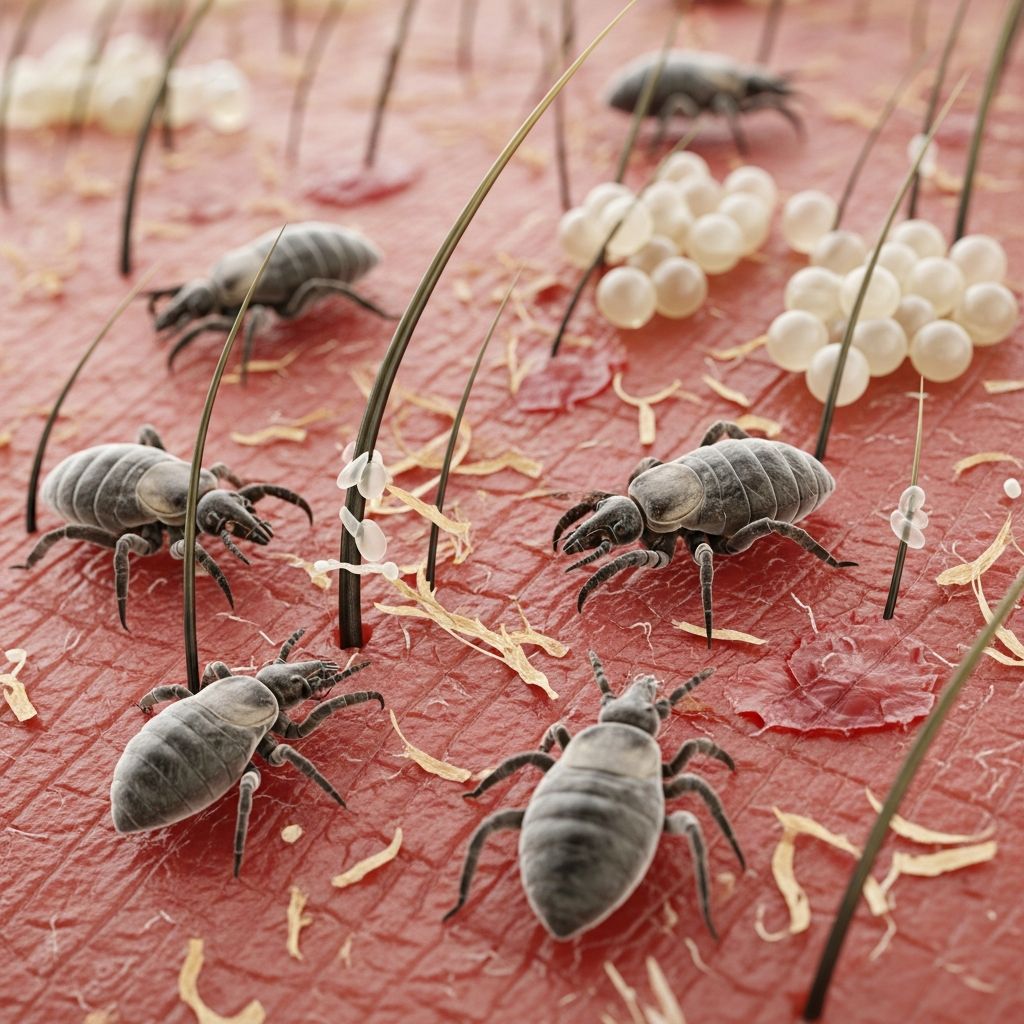
Body lice, scientifically known as Pediculus humanus corporis, are small, wingless insects that infest the human body. Unlike head lice or pubic lice, body lice live and lay their eggs primarily in the seams of clothing rather than on the skin itself. These parasites feed on human blood by biting the skin, typically in areas where clothing is tight against the body, such as the waist, armpits, and neck. Adult body lice measure about 2.3–3.6 mm in length, with females being slightly larger and capable of laying up to 300 eggs (nits) during their 30-day lifespan.
Body lice are ectoparasites, meaning they live on the exterior of the host. They are closely related to head lice (Pediculus humanus capitis) but adapted to clothing habitats, allowing them to survive off the host for up to 10 days without feeding. This adaptation makes them particularly problematic in conditions of poor hygiene or overcrowding. Infestations, known as pediculosis corporis, are most common among people without regular access to clean clothes and bathing facilities.
Who gets body lice?
Body lice affect people of all ages, races, and genders worldwide, but they are far more prevalent in specific circumstances. They thrive in crowded living conditions with limited hygiene resources, such as homeless shelters, refugee camps, prisons, or areas affected by natural disasters and war. Individuals who infrequently change clothes or bathe are at highest risk, as lice require human blood meals every few days to survive.
Unlike head lice, which spread easily among schoolchildren through head-to-head contact, body lice transmission occurs primarily through direct person-to-person contact or sharing infested clothing, bedding, or towels. They do not jump or fly; instead, they crawl from one host to another. Outbreaks have historically been linked to poverty, social disruption, and poor sanitation, with higher incidence reported in temperate climates during winter months when people wear more layers of clothing.
What causes body lice infestation?
The primary cause of body lice infestation is close physical contact with an infested person or exposure to their contaminated items. Lice crawl onto the body from shared fabrics and quickly seek clothing seams to deposit nits, which hatch into nymphs within 1–2 weeks. Nymphs require three molts to become adults, feeding voraciously on blood throughout their lifecycle.
Key risk factors include:
- Poor personal hygiene and infrequent bathing.
- Infrequent changing or washing of clothes and bedding.
- Crowded living environments like shelters or military barracks.
- Socioeconomic challenges limiting access to laundry facilities.
Once established, infestations persist if hygiene is not improved, leading to self-sustaining cycles on unwashed garments.
What are the clinical features of body lice infestation (pediculosis corporis)?
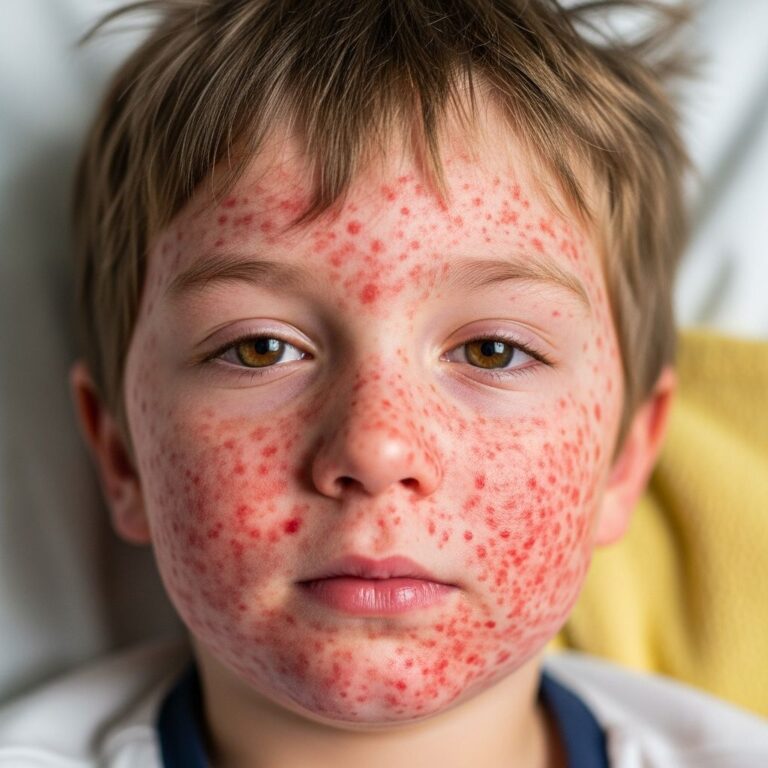
The hallmark symptom of intense pruritus (itching), often described as worse at night. Bites appear as small, red macules or papules, concentrated where clothing seams contact skin: trunk, buttocks, thighs, axillae, and waistband areas. Scratching leads to excoriations, crusting, and secondary bacterial infections like impetigo.
In chronic cases, repeated bites cause skin changes including hyperpigmentation, thickening (lichenification), and post-inflammatory pigmentation, especially around the groin, upper thighs, and waist. Some individuals remain asymptomatic, but most develop a rash within days of initial bites. Severe infestations may show live lice or nits in clothing seams.
Related Stories



Body lice are vectors for serious diseases, including epidemic typhus (Rickettsia prowazekii), trench fever (Bartonella quintana), and relapsing fever (Borrelia recurrentis). Symptoms of these include fever, headache, and rash, historically causing massive mortality in wars and famines.
Diagnosis
Diagnosis is clinical, based on history of itching in at-risk individuals and direct visualization of lice or nits. Healthcare providers examine skin for bite patterns and rashes, then inspect clothing seams under magnification for scurrying adults (3–4 mm, grayish-white) or pearly-white nits glued to fibers. Black specks of louse feces may be visible on underwear.
Dermoscopy or a magnifying glass aids detection. In disease-endemic areas, serological tests confirm rickettsial infections. Differential diagnoses include scabies, flea bites, or atopic dermatitis.
Management and body lice treatment
Treatment emphasizes hygiene over medications, as most infestations resolve with proper cleaning. Key steps include:
- Daily bathing with soap and warm water to remove lice from the body.
- Washing clothes, bedding, and towels in hot water (>54°C/130°F) and drying on high heat, or dry-cleaning/sealing in plastic bags for 2 weeks.
- Ironing seams of clothing to kill remaining eggs.
For persistent cases, topical pediculicides are used: permethrin 1–5% lotion or malathion applied to affected areas (avoiding face/eyes), left on for 8–12 hours, then washed off. Repeat after 7–10 days to target hatched nymphs. Ivermectin oral (single dose, repeatable) is effective for refractory infestations.
Symptom relief involves antihistamines (e.g., hydroxyzine) for itching, topical steroids for dermatitis, and antibiotics for secondary infections. Treat close contacts simultaneously, even if asymptomatic.
Table: Comparison of Treatment Options
| Method | Description | Efficacy | Notes |
|---|---|---|---|
| Hygiene alone | Bathe daily; wash fabrics hot. | High for mild cases | First-line; no resistance |
| Permethrin lotion | Apply to body, rinse after 8-12h; repeat 7 days. | 70-90% | OTC; safe for most |
| Ivermectin oral | 200 mcg/kg single dose; repeat if needed. | High in severe cases | Prescription; for crusted infestations |
| Dimethicone (suffocant) | 4% lotion; physical kill. | 69-92% after 2 apps | Low resistance risk |
Prevention of body lice
Prevention focuses on hygiene and avoiding sharing items:
- Change clothes and bathe at least weekly.
- Wash and heat-dry fabrics regularly.
- Avoid close contact with infested individuals.
- In outbreaks, delouse all clothing and screen for diseases.
In high-risk settings like shelters, provide access to showers, laundry, and insecticides. Education on non-sharing of linens is crucial.
Body lice on eyelashes
Rarely, body lice may infest eyelashes, though pubic lice (Phthirus pubis) are more common here. Remove manually with fine forceps after applying petroleum jelly twice daily for 3 weeks to suffocate. Avoid pediculicides near eyes.
Pediculosis recurrens
Recurrent infestations arise from re-exposure or incomplete treatment, such as not washing all clothes. Persistent poor hygiene leads to cycles. Address underlying social factors for long-term control.
Frequently Asked Questions (FAQs)
Q: Can body lice live on pets?
A: No, body lice are human-specific and do not infest animals.
Q: How long do body lice live off the body?
A: Up to 10 days in clothing seams without feeding.
Q: Do body lice spread diseases today?
A: Yes, rarely in developed areas but possible in outbreaks; typhus and trench fever reported.
Q: Is treatment needed for asymptomatic contacts?
A: Yes, treat clothing and hygiene to prevent spread.
Q: What’s the difference from head lice?
A: Body lice live in clothes, not hair; head lice stay on scalp.
References
- Pubic lice | Healthify — Healthify NZ. 2023. https://healthify.nz/health-a-z/p/pubic-lice
- Pediculosis – Arthropod infestations — DermNet NZ. 2024-01-15. https://dermnetnz.org/cme/arthropods/pediculosis
- Head lice. Pediculosis capitis — DermNet NZ. 2024. https://dermnetnz.org/topics/head-lice
- Body Lice (Pediculosis): Symptoms, Treatment & Prevention — Cleveland Clinic. 2024-05-20. https://my.clevelandclinic.org/health/diseases/17919-body-lice
- Body lice: Symptoms, treatment, and more — Medical News Today. 2023-11-10. https://www.medicalnewstoday.com/articles/body-lice
- FACT SHEET: BODY LICE (Pediculosis) — DC Health. 2025. https://dchealth.dc.gov/sites/default/files/dc/sites/doh/publication/attachments/Body%20Lice%20-%20Disease%20Fact%20Sheet_2025.pdf
- Lice. Pediculosis — DermNet NZ. 2024. https://dermnetnz.org/topics/lice
Similar Articles








Read full bio of Sneha Tete