Body Plethysmography: Pulmonary Function Test
Comprehensive guide to body plethysmography testing for accurate lung function assessment.
Understanding Body Plethysmography: A Comprehensive Guide to Pulmonary Function Testing
Body plethysmography, pronounced “pleh-thiz-mah-graf-ee,” is a noninvasive type of lung function test known as a pulmonary function test (PFT). This diagnostic procedure represents one of the most accurate and reliable methods for measuring how well your lungs are functioning. Whether you’re experiencing respiratory symptoms or your healthcare provider wants to monitor an existing lung condition, body plethysmography provides detailed insights into your pulmonary health that other tests may not capture.
The procedure can help determine how much air is in your lungs after you take a deep breath in (inhale) and how much air remains in your lungs after you take a deep breath out (exhale). Additionally, body plethysmography goes beyond simple volume measurements, offering a comprehensive assessment of your respiratory system’s capability and efficiency.
What Is Body Plethysmography?
Body plethysmography is a specialized pulmonary function test that uses advanced technology to measure lung volumes and capacities that cannot be assessed through standard spirometry. The test is also known by alternative names, including lung plethysmography and pulmonary plethysmography. Unlike simpler breathing tests, body plethysmography provides objective measurements of lung function by examining both volumes and flows while a patient breathes quietly and performs various altered breathing patterns.
The test is performed in a specialized laboratory setting by a respiratory therapist, who is a healthcare provider trained to treat conditions affecting the lungs and breathing. After the test is completed, a pulmonologist—a physician specializing in lung diseases—reviews and confirms the findings to ensure accuracy and proper interpretation.
How Does Body Plethysmography Work?
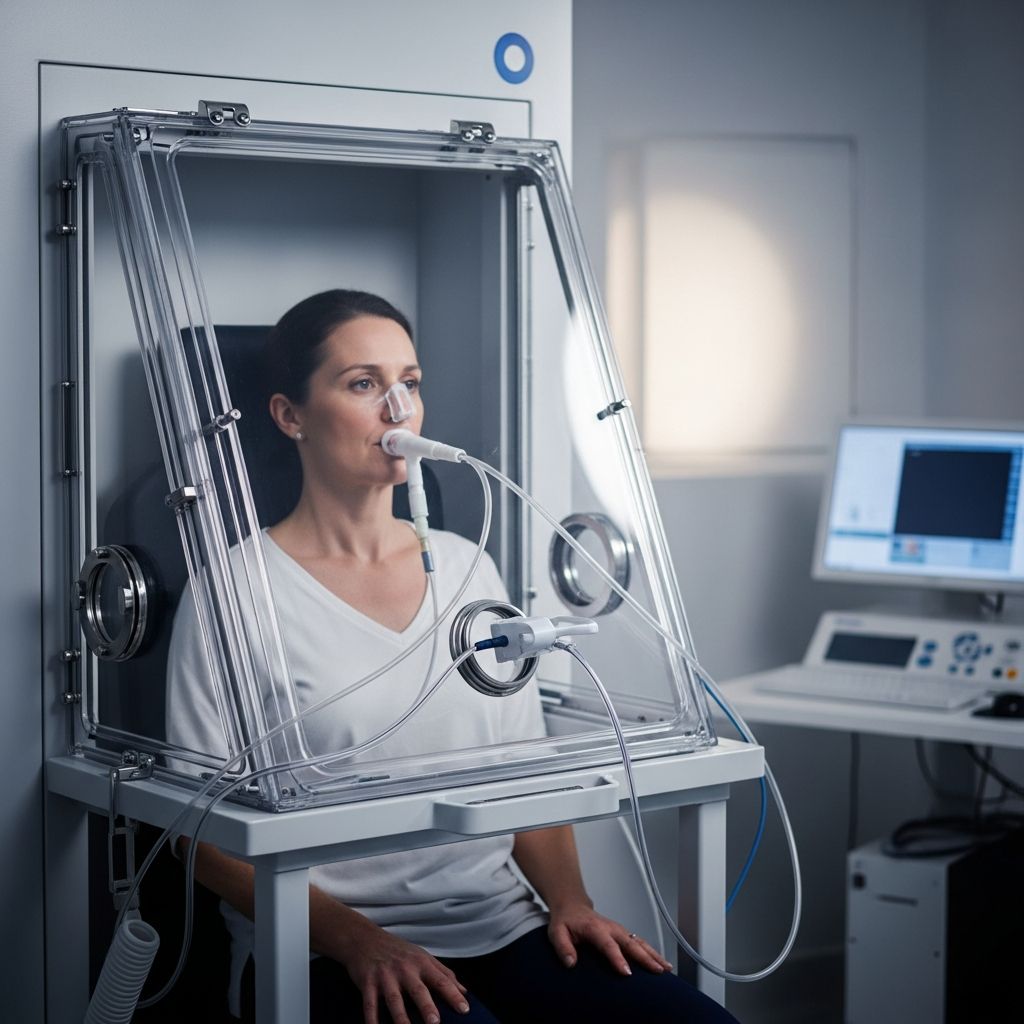
The procedure takes place in an enclosed, airtight, see-through plastic box that resembles a large phone booth. During the test, you’ll sit inside this chamber while breathing through a specially designed mouthpiece. The mouthpiece contains sensors that measure your airflow and the pressure in your mouth, providing real-time data about your breathing mechanics.
As you breathe naturally through the mouthpiece, sensors inside the box measure any changes to the air pressure within the chamber. When your chest expands and contracts with each breath, the sensor inside the box registers changes in the amount of air and air pressure. This dual-sensor system—one in the mouthpiece and one in the chamber—works together to create a comprehensive picture of your lung function.
The scientific principle underlying body plethysmography is Boyle’s law, which establishes the relationship between gas volume and pressure at a constant temperature. This foundational physics principle allows healthcare providers to use gas volume measurements to determine gas pressure and vice versa, enabling accurate calculation of lung volumes that cannot be measured through other means.
The Testing Procedure: What to Expect
Preparation and Initial Steps
Before the test begins, your healthcare provider will discuss the procedure with you and address any concerns. If you’re uncomfortable in confined spaces or experience claustrophobia, inform your provider immediately. They may prescribe medication to help calm your nerves before the test. It’s important to note that you can see your healthcare provider and everything else around you in the room while in the box, and they will communicate with you throughout the testing process.
Related Stories



If you typically use supplemental oxygen through a storage tank or machine, you won’t be on it during the procedure. Your healthcare provider will place soft clips on your nose to ensure that you breathe out only through your mouth, directing all exhaled air through the mouthpiece where measurements are being taken.
During the Test
Once you’re positioned correctly and ready to begin, your healthcare provider will seal the door of the plethysmograph chamber. You’ll receive clear instructions on how to breathe through the mouthpiece. The technician will guide you through various breathing patterns, which may include normal breathing, deep inhalation and exhalation, and other specific breathing maneuvers designed to capture comprehensive lung function data.
Body plethysmography is a relatively quick and accurate test that typically takes fewer than 20 minutes to complete. In fact, your healthcare provider can obtain many important measurements within just a few minutes. The test is painless and causes no discomfort, though the sensation of breathing in a confined space may feel unusual at first.
After the Test
Following your body plethysmography test, you may return to your normal daily activities immediately. If you experienced dizziness or lightheadedness during the test—which can occur with deep breathing exercises—your healthcare provider will monitor your health until these symptoms subside and you’re cleared to go home. Most patients recover quickly and resume their regular schedules without any complications.
What Does Body Plethysmography Measure?
Body plethysmography provides several critical measurements that paint a comprehensive picture of your respiratory function. The key measurements include total lung capacity (TLC), functional residual capacity (FRC), and residual volume (RV)—measurements that cannot be obtained through standard spirometry alone. These measurements are essential for diagnosing various respiratory conditions and monitoring the progression of existing lung diseases.
In addition to these primary measurements, body plethysmography also measures other important characteristics of pulmonary function. These include airway resistance, which represents the pressure difference between your mouth and lungs, and intrathoracic gas volume (ITGV), which measures the volume of gases in your thorax or chest cavity.
Key Measurements Explained
| Measurement | Description | Clinical Significance |
|---|---|---|
| Total Lung Capacity (TLC) | The maximum amount of air your lungs can hold after a deep breath in | Indicates overall lung size and capacity for oxygen exchange |
| Functional Residual Capacity (FRC) | The amount of air remaining in your lungs after a normal breath out | Reflects baseline lung volume and breathing mechanics |
| Residual Volume (RV) | The amount of air that remains in your lungs even after maximum exhalation | Helps diagnose air trapping and obstructive lung diseases |
| Airway Resistance | The pressure difference between mouth and lungs during breathing | Identifies airway obstruction and breathing difficulties |
| Intrathoracic Gas Volume (ITGV) | The volume of gases present in the chest cavity | Assesses distribution of air in the lungs |
Why Your Healthcare Provider Orders Body Plethysmography
Conditions Body Plethysmography Helps Diagnose
Body plethysmography is instrumental in diagnosing a wide variety of lung and airway diseases. Healthcare providers use this test to evaluate patients with symptoms of respiratory disorders and to confirm suspected diagnoses. Your healthcare provider may order body plethysmography if you have symptoms such as persistent coughing, shortness of breath, wheezing, chest pain during breathing, or other respiratory complaints.
The test is particularly valuable for identifying conditions characterized by air trapping, abnormal lung volumes, and airway obstruction. An abnormal body plethysmography test result can help your healthcare provider confirm that a condition is preventing your lungs from holding as much air as they should, providing crucial diagnostic information.
Additional Clinical Applications
Beyond initial diagnosis, body plethysmography serves several important clinical functions. Healthcare providers use the test to evaluate the symptoms of existing lung conditions, assess how well respiratory treatments are working, and monitor for potential adverse reactions to medications known to damage the lungs. The test also helps determine how lung disease affects your ability to exercise and participate in normal activities.
Interpreting Body Plethysmography Results
Your healthcare provider will contact you a few days after your test with your results. A “normal” body plethysmograph result depends on several individual factors, including your age, height, weight, and sex. These variables affect what constitutes a normal range for your specific situation, which is why personalized interpretation by a qualified healthcare provider is essential.
Results showing lung volumes lower than expected may indicate restrictive lung disease, where the lungs cannot expand fully. Conversely, elevated residual volume and functional residual capacity may suggest obstructive lung disease, characterized by air trapping. Your pulmonologist will analyze your results in the context of your symptoms, medical history, and other diagnostic tests to provide a comprehensive assessment.
Types of Body Plethysmography
While body plethysmography generally refers to the standard seated test in a closed chamber, healthcare facilities may perform variations of this procedure depending on patient needs and clinical requirements. The different types of body plethysmography include modified versions that accommodate specific patient populations or clinical situations, though the fundamental measurement principles remain consistent across variations.
Safety and Comfort Considerations
Is Body Plethysmography Safe?
Body plethysmography is a safe procedure with minimal risk. It is noninvasive, meaning no needles, incisions, or internal instruments are used. The test does not expose you to radiation or contrast agents. However, deep breathing during the test may cause some patients to feel lightheaded or dizzy, particularly if they’re not accustomed to controlled breathing exercises.
Managing Claustrophobia and Discomfort
The primary concern for many patients is the enclosed nature of the testing chamber. If you experience claustrophobia or anxiety in confined spaces, communicate this to your healthcare provider before the test. They can provide strategies to help you remain comfortable, such as prescribing a mild sedative, maintaining constant communication throughout the procedure, and allowing breaks if needed. Remember that you can see outside the chamber and maintain visual contact with your healthcare provider at all times.
Limitations and Contraindications
While body plethysmography is generally safe and accessible, certain conditions may make the test difficult or impossible to perform. The procedure may be challenging for individuals who are claustrophobic, use wheelchairs, have full hip-to-ankle casts on their legs, are morbidly obese, are extremely tall, or are very young children. In these situations, your healthcare provider may recommend alternative testing methods or modifications to accommodate your specific needs.
Frequently Asked Questions
Q: How long does body plethysmography take?
A: Body plethysmography typically takes about 15 minutes to complete, though your healthcare provider can obtain many important measurements within just a few minutes. The test is relatively quick compared to many other diagnostic procedures.
Q: Will I feel uncomfortable during the test?
A: Most patients find body plethysmography to be a tolerable procedure. The test is painless, though breathing in a confined space may feel unusual. If you experience anxiety about enclosed spaces, inform your provider beforehand so they can help you manage your comfort.
Q: When will I receive my test results?
A: Your healthcare provider will typically contact you with your results within a few days after the test. A pulmonologist reviews the findings to ensure accurate interpretation before communicating results to you.
Q: Can I take my supplemental oxygen into the test chamber?
A: No, if you use supplemental oxygen through a storage tank or machine, you will not be on it during the procedure. This is necessary to ensure accurate measurement of your natural lung function.
Q: What should I do if I feel dizzy during the test?
A: If you feel lightheaded or dizzy during body plethysmography, communicate this to your healthcare provider immediately. They can provide a break or monitoring as needed. After the test, they will continue monitoring you until symptoms resolve before you go home.
Q: How is body plethysmography different from spirometry?
A: While spirometry measures airflow and some lung volumes, body plethysmography provides more comprehensive measurements, particularly of residual volume and functional residual capacity—volumes that cannot be measured by spirometry alone.
Q: What respiratory conditions can body plethysmography help diagnose?
A: Body plethysmography can help diagnose various lung and airway diseases, including conditions characterized by air trapping, abnormal lung volumes, and airway obstruction. It’s also useful for evaluating the progression of existing lung conditions.
Why Choose Body Plethysmography for Lung Function Testing?
Body plethysmography stands out as one of the most accurate methods for measuring lung function and identifying respiratory abnormalities. The test provides objective measurements that help healthcare providers make informed diagnostic decisions and develop appropriate treatment plans. Its noninvasive nature, quick completion time, and comprehensive data collection make it an invaluable tool in modern pulmonary medicine.
If you notice any changes in your breathing or develop new respiratory symptoms, reach out to your healthcare provider. Body plethysmography may be recommended as part of a comprehensive diagnostic workup. Early diagnosis of respiratory conditions can help you and your healthcare provider determine a healthcare plan that enables you to improve or maintain your quality of life.
References
- Pulmonary Function Tests to Evaluate Lung Disorders — University Hospitals. https://www.uhhospitals.org/services/pulmonary-and-sleep-services/conditions-and-treatments/pulmonary-function-tests
- Body Plethysmography (Pulmonary Function Test) — Cleveland Clinic. https://my.clevelandclinic.org/health/diagnostics/15467-body-plethysmography-pulmonary-function-test
- Plethysmography and Lung Volume Measurements — Respiratory Therapy Magazine. https://respiratory-therapy.com/products-treatment/diagnostics-testing/diagnostics/plethysmography-and-lung-volume-measurements/
- Pulmonary Function Testing — Cleveland Clinic. https://my.clevelandclinic.org/departments/respiratory/depts/pulmonary-function-testing
- Lung Function Tests: MedlinePlus Medical Test — National Library of Medicine. https://medlineplus.gov/lab-tests/lung-function-tests/
Similar Articles








Read full bio of medha deb