Body Positivity: 7 Daily Habits for Self-Love
Discover 7 practical daily habits to cultivate body positivity, self-love, and acceptance throughout every stage of life.
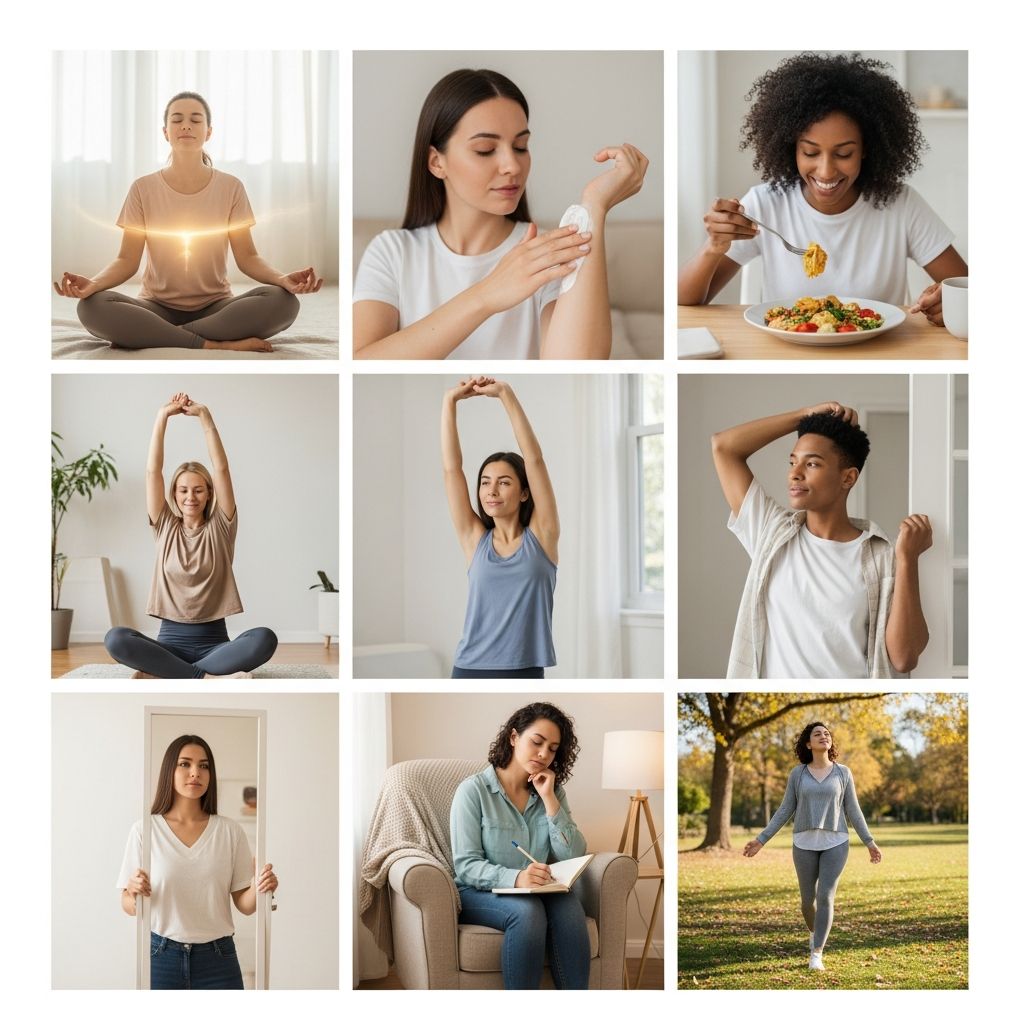
Body positivity empowers individuals to value their body’s unique qualities and capabilities, irrespective of shape or size, fostering confidence and comfort in one’s appearance. This movement counters societal pressures amplified by social media, promoting mental health benefits like reduced mood disorders and improved stress management.
What is body positivity?
Body positivity involves recognizing and appreciating your body’s abilities rather than fixating on aesthetics. It encourages treating your body with kindness through nourishing habits like balanced eating and enjoyable movement. Experts note that modern influences, especially online comparisons, intensify body image challenges, particularly for adolescents.
Embracing self-love enhances overall wellbeing, leading to healthier relationships, better stress coping, and sustained self-esteem across ages. Research supports that positive body views correlate with decreased mental health issues and positive health outcomes.
How to practice self-love
Building self-love requires consistent, patient daily practices. Gradual shifts from insecurity to acceptance involve intentional habits that prioritize body capabilities over appearance.
1. Embrace acceptance
Acceptance starts with acknowledging your body’s realities, including weight, height, and age-related changes. Celebrate liked traits while constructively addressing disliked ones without harsh self-criticism.
Licensed Clinical Psychologist Dr. Tirrell De Gannes emphasizes learning from others confident in their bodies and focusing on sensory experiences rather than external perceptions. This opens doors to new pleasures, like novel movements or intimacies.
Focus on your body’s ability to experience sensation, rather than ruminating on how we are perceived by others.
2. Challenge negative thoughts
Negative body thoughts are common but manageable. Notice unhelpful patterns and assess if they align with your goals and values.
Dr. Sarah Boss advises presence and honesty: draw on strengths to progress, as positive action stems from self-compassion. Ask, “Would I say this to a friend or child?” to reframe harsh self-talk.
3. Be kind to your body
Treat your body kindly across life stages with health-focused habits. Prioritize nutritious eating, enjoyable movement, and pleasurable experiences.
- Keep a gratitude journal: Daily note positives about yourself to build appreciation.
- Move joyfully: Engage in walking, stretching, swimming, or other loved activities.
- Sensory positives: Use favorite blankets, candles, or comforting rituals.
Consistent acts of love foster worthiness feelings over time.
4. Normalise body changes
Bodies evolve through life phases; resisting this leads to struggles. Normalize changes to embrace each stage mindfully. Share stories highlighting abilities over deficits for collective compassion.
Patient.info experts stress self-compassion equals that given to loved ones, aiding peace with transformations.
5. Focus on health-promoting behaviours
Health encompasses mental and physical aspects beyond looks. Prioritize sleep, social connections, intuitive eating, and joyful movement.
Avoid chasing idealized bodies that spur unhealthy patterns. Personal stories show mindset shifts enable sustainable habits like swimming and yoga post-restriction.
6. Practice gratitude daily
Gratitude counters perceived flaws by highlighting daily bodily wonders. Reflect on abilities, skills, and achievements your body enables.
Related Stories



Place positive affirmations around mirrors or homes for gentle reminders. End days listing three positives, even small ones like a warm blanket.
7. Engage in self-care rituals
Self-care combats negativity. Avoid self-deprecating language; opt for affirmations via videos during routines like makeup removal.
Meditate, apply face masks, or brush hair mindfully to treat yourself gently. These build recognition of your body’s capabilities.
Body positivity at every age
As we age, bodies change, challenging self-esteem. Yet, self-love remains essential. Adolescents face intense online pressures; adults navigate life transitions; older adults combat societal invisibility.
Studies show body-positive social media boosts satisfaction and wellbeing in young adults. Tailor habits to stages: intuitive eating for youth, strength-focused movement for midlife, restorative practices for seniors.
| Life Stage | Key Challenges | Body Positive Strategies |
|---|---|---|
| Adolescence | Online comparisons | Curate positive feeds, gratitude journaling |
| Adulthood | Post-pregnancy, career stress | Joyful movement, self-talk reframing |
| Older Age | Mobility loss, ageing signs | Affirmations, ability-focused gratitude |
Frequently Asked Questions (FAQs)
Q: Can you lose weight and still be body positive?
A: Yes, body positivity means respecting your body at every size while focusing on health behaviors like sleep and intuitive eating, not aesthetics.
Q: How does body positivity improve mental health?
A: It reduces mood disorders, enhances stress management, and builds self-esteem by shifting focus from looks to capabilities.
Q: What if I struggle with negative body thoughts?
A: Challenge them by questioning if you’d say them to a loved one, then pivot to strengths and compassionate actions.
Q: Is body positivity realistic for older adults?
A: Absolutely; practice gratitude for daily functions and use affirmations to counter poor body image.
Q: How does social media affect body positivity?
A: It often harms via comparisons, but following body-positive accounts can improve satisfaction and wellbeing.
Patient picks for Mental wellbeing
References
- Body positivity: 7 daily habits for self-love and acceptance at any age — Patient.info. 2023. https://patient.info/features/mental-health/body-positivity-7-daily-habits-for-self-love-and-acceptance-at-any-age
- #BodyPositive? A critical exploration of the body positive movement — PMC (NCBI). 2022-10-19. https://pmc.ncbi.nlm.nih.gov/articles/PMC9589104/
- Can you lose weight and be body positive? — Patient.info. 2023. https://patient.info/features/healthy-living/is-it-possible-to-lose-weight-and-be-body-positive
- How to improve your self-esteem and be kinder to yourself — Patient.info. 2023. https://patient.info/features/mental-health/how-to-boost-self-esteem
- How to tackle poor body image in older women — Patient.info. 2023. https://patient.info/features/mental-health/how-to-tackle-poor-body-image-in-older-women
Similar Articles








Read full bio of medha deb