Bodybuilding & Performance Enhancement Supplements
Evidence-based guide to bodybuilding supplements: safety, efficacy, and what research reveals.
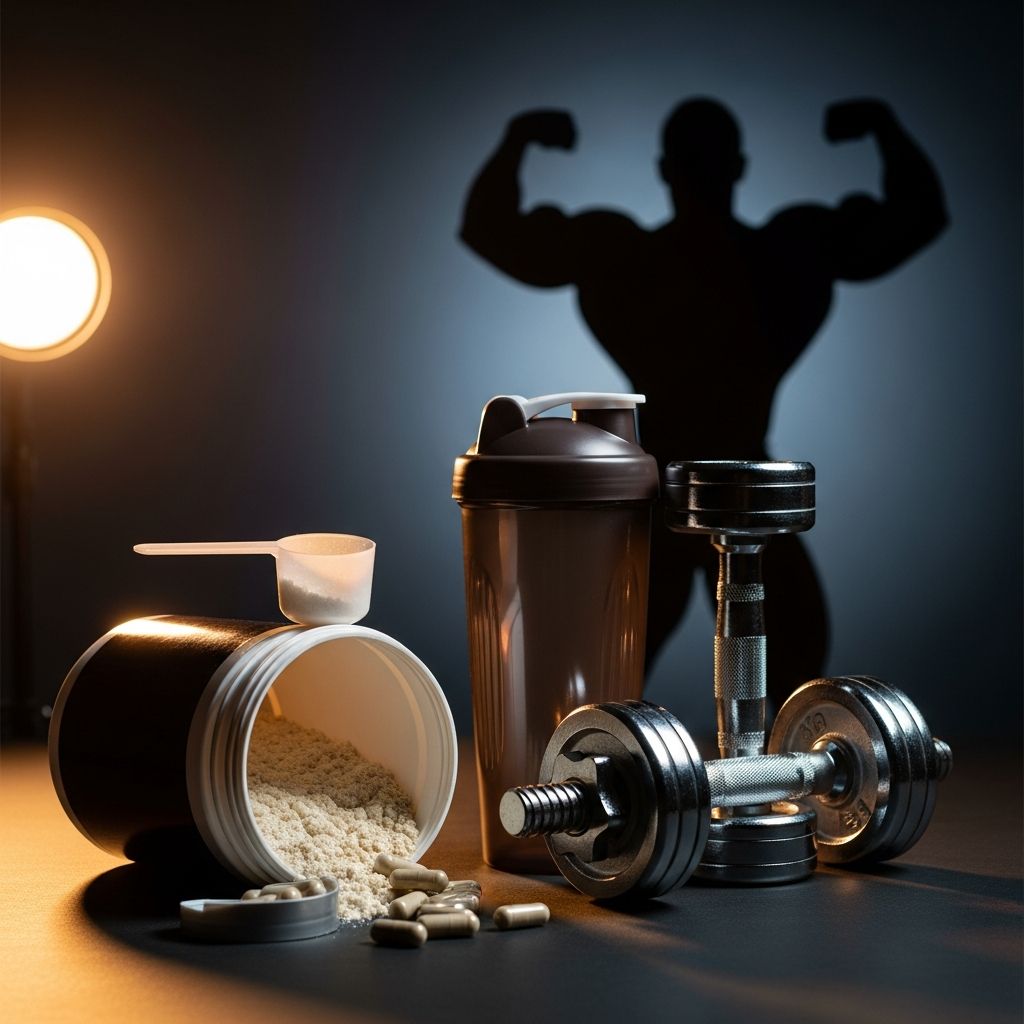
Bodybuilding and Performance Enhancement Supplements: What You Need to Know
Millions of bodybuilders and athletes worldwide use dietary supplements to enhance strength, increase muscle mass, and boost energy levels. However, the dietary supplement industry remains largely unregulated, and many products contain ingredients that lack scientific evidence of effectiveness or may pose serious health risks. Understanding the current research on these supplements is essential for anyone considering their use.
Understanding the Bodybuilding Supplement Market
The bodybuilding supplement industry has experienced exponential growth over the past two decades, driven by marketing claims promising dramatic muscle gains and enhanced athletic performance. Many athletes believe that supplements are a necessary component of their training regimen. However, the scientific evidence supporting many of these claims remains limited or contradictory. Athletes and fitness enthusiasts should approach these products with caution and base their decisions on rigorous scientific research rather than marketing rhetoric.
Common Ingredients and Their Effectiveness
Numerous ingredients are marketed in bodybuilding supplements with promises of enhanced performance. However, research shows that many of these ingredients have not been proven effective for athletic performance enhancement.
Ingredients Without Clear Evidence of Effectiveness
The following ingredients are commonly found in bodybuilding supplements but lack clear scientific evidence supporting their effectiveness for improving athletic performance:
- Glutamine – an amino acid marketed to support muscle recovery
- Choline – claimed to enhance cognitive function and endurance
- Methoxyisoflavone – promoted as a natural muscle-building compound
- Quercetin – marketed as an antioxidant for athletic performance
- Zinc/magnesium aspartate – claimed to boost testosterone and strength
- Nitric oxide boosters – promoted to enhance blood flow and endurance
- L-arginine – marketed to improve circulation and muscle pumps
Despite widespread marketing claims, scientific studies have not demonstrated that these ingredients significantly improve athletic performance in most individuals. Consumers spending money on products containing primarily these ingredients may not receive the promised benefits.
Beta-Alanine: Mixed Results
Beta-alanine, an amino acid found naturally in foods and available as a dietary supplement, presents a more nuanced picture. Research results are mixed regarding its effectiveness for athletic performance. While some studies suggest potential benefits for high-intensity exercise lasting 1-4 minutes, the overall evidence does not strongly support that beta-alanine significantly improves athletic performance for most users. Furthermore, beta-alanine supplementation commonly causes paresthesia—a tingling sensation in the skin—which many users find uncomfortable.
Creatine: The Most Supported Supplement
Among bodybuilding supplements, creatine has the strongest scientific evidence supporting its use for certain athletic applications. According to comprehensive reviews, daily creatine supplementation over several days increases intramuscular creatine and phosphocreatine (PCr) concentrations. These increased levels are associated with reduced adenosine triphosphate (ATP) degradation, heightened ATP production, and increased energetic output during high-intensity, short-duration exercise activities.
Creatine supplementation may enhance the effects of vigorous exercise on strength, muscle mass, and endurance. Additionally, research suggests that creatine may facilitate recovery following exercise-induced muscle damage and may assist during post-injury rehabilitation. These benefits make creatine one of the few supplements with meaningful research support for athletic performance.
Side Effects of Creatine
While creatine shows promise for performance enhancement, users should be aware of potential side effects. Reported adverse effects include:
- Fluid weight gain
- Nausea and gastrointestinal distress
- Muscle cramping
- Diarrhea
These side effects vary in severity among individuals. Some users experience no adverse effects, while others find them significant enough to discontinue use. Proper hydration and dosing protocols may help minimize these effects.
Critical Safety Concerns
Beyond questions about effectiveness, bodybuilding supplements present serious safety concerns that consumers must understand. The U.S. Food and Drug Administration (FDA) has issued multiple warnings about dangerous hidden ingredients in products marketed for bodybuilding.
Dangerous Hidden Ingredients
One of the most alarming safety issues is the presence of undisclosed ingredients in bodybuilding supplements. Consumers may unknowingly purchase products laced with:
- Prescription drug ingredients
- Controlled substances
- Banned athletic substances
- Unlisted pharmaceutical compounds
These dangerous hidden ingredients are not listed on product labels, making it impossible for consumers to make informed decisions about what they are ingesting. This deceptive practice poses serious health risks and may result in positive drug tests for athletes subject to drug screening.
Anabolic Steroid Contamination
Bodybuilding supplements are frequently adulterated with anabolic steroids—modified variants of male hormones designed to increase muscle mass. While anabolic steroids can boost strength and muscle gains, they can cause severe, long-lasting, and sometimes irreversible damage to health, including:
- Early heart attacks and strokes
- Liver tumors
- Kidney failure
- Psychiatric problems and mood disturbances
- Hormonal imbalances
- Testicular atrophy
- Infertility
Consumers purchasing bodybuilding supplements may inadvertently consume anabolic steroids without their knowledge, exposing themselves to these serious health consequences.
Liver Injury and Other Health Effects
Liver injury from bodybuilding dietary supplements has increased dramatically in recent years. In fact, bodybuilding products are now the most common cause of liver injury linked to herbal and dietary supplement use. This concerning trend reflects the presence of hepatotoxic (liver-damaging) compounds in many bodybuilding formulas. Users should be aware of symptoms of liver damage, including jaundice, abdominal pain, dark urine, and unusual fatigue.
Banned Substances and NCAA Violations
The National Collegiate Athletic Association (NCAA) maintains a list of banned substances and has warned that some dietary supplements contain banned substances not listed on product labels. Two particularly problematic compounds are BMPEA (a phenethylamine) and DMAA (dimethylamylamine), which are banned by the NCAA. BMPEA is especially concerning because it is often found in supplements labeled as containing the herb Acacia rigidula, despite the fact that BMPEA is not naturally present in this herb and is not a dietary ingredient. Athletes using these supplements risk positive drug tests and athletic sanctions.
Serious Health Problems from Stimulants
Products containing the stimulants BMPEA or DMAA can cause serious and potentially life-threatening health problems. These compounds have been linked to cardiovascular events, including heart attacks and strokes, particularly in young, otherwise healthy individuals. The FDA banned DMAA in 2013 due to safety concerns, yet it continues to appear in some supplements marketed online and through unregulated channels.
Quality Control and Regulation Issues
The dietary supplement industry operates under significantly less stringent regulatory oversight compared to pharmaceutical medications. While the FDA can take action against unsafe products, it does so reactively rather than proactively. Manufacturers are not required to prove safety and efficacy before marketing supplements, and quality control standards vary widely among manufacturers.
The lack of regulation means that:
- Products may not contain the ingredients listed on labels
- Ingredient quantities may differ significantly from label claims
- Contamination with undisclosed substances is common
- Manufacturing standards vary dramatically among producers
- Marketing claims often exceed the scientific evidence
Comparison of Common Bodybuilding Supplement Ingredients
| Ingredient | Claimed Benefit | Scientific Evidence | Known Side Effects | Safety Concern |
|---|---|---|---|---|
| Creatine | Increased strength and muscle mass | Strong evidence for high-intensity exercise | Fluid retention, cramping, GI distress | Low when used as directed |
| Glutamine | Muscle recovery and immune support | No clear evidence for athletic performance | Minimal reported | Low |
| Beta-Alanine | Endurance and muscle strength | Mixed results, generally weak | Paresthesia (tingling) | Low |
| L-Arginine | Blood flow and muscle pumps | No clear evidence for athletic performance | Minimal reported | May interact with medications |
| DMAA/BMPEA | Energy and fat loss | Limited evidence | Heart attack, stroke, seizures | Very High – Banned by FDA |
Recommendations for Safe Supplementation
For individuals considering bodybuilding supplements, several important precautions should be taken:
Consult Healthcare Providers
Before beginning any supplement regimen, consult with healthcare providers about any complementary health approach you are considering. Together, you can make shared, well-informed decisions that consider your individual health status, medications, and fitness goals.
Research Manufacturer Reputation
Choose supplements from manufacturers with strong reputations for quality control and transparency. Look for third-party testing certifications from organizations that verify supplement contents and purity.
Verify Label Claims
Critically evaluate marketing claims made by supplement manufacturers. If claims sound too good to be true, they probably are. Base decisions on published scientific research rather than testimonials or marketing materials.
Report Adverse Events
If you experience adverse effects from a dietary supplement, report the incident to the FDA’s MedWatch program. These reports help identify safety problems and protect other consumers.
The Bottom Line on Performance Enhancement
While the desire to enhance athletic performance is understandable, the reality is that most bodybuilding supplements lack strong scientific evidence of effectiveness. More concerning, many products contain dangerous hidden ingredients that pose serious health risks. The few supplements with meaningful research support, such as creatine, can provide modest benefits but also carry potential side effects.
For most individuals, proper training, adequate nutrition, sufficient sleep, and consistency offer far greater returns on investment than dietary supplements. Those who do choose to use supplements should do so cautiously, with full awareness of potential risks and with guidance from qualified healthcare professionals.
Frequently Asked Questions
Q: Are all bodybuilding supplements unsafe?
A: Not all bodybuilding supplements are unsafe, but many contain undisclosed ingredients or lack evidence of effectiveness. Creatine, for example, has relatively strong safety data when used appropriately. However, consumers should be aware that quality control is inconsistent across the supplement industry, and dangerous hidden ingredients are a significant concern.
Q: Is creatine safe for long-term use?
A: Creatine has been studied extensively and appears relatively safe for long-term use in most individuals. However, it may cause side effects like fluid retention and cramping. Individuals with kidney disease or taking certain medications should consult healthcare providers before using creatine.
Q: How can I tell if a supplement contains hidden ingredients?
A: It is difficult for consumers to identify hidden ingredients without laboratory testing. Look for supplements that have undergone third-party testing and verification. Avoid products with vague ingredient lists or unusually dramatic claims. If a supplement produces unexpected effects, discontinue use and consult a healthcare provider.
Q: Are banned substances really found in supplements?
A: Yes. The FDA and NCAA have documented cases of banned substances, including DMAA and BMPEA, appearing in supplements marketed for bodybuilding and athletic performance. These substances may not be listed on product labels, putting athletes at risk of positive drug tests.
Q: What is the best way to build muscle safely?
A: The most effective and safest approach to muscle building combines progressive resistance training, adequate protein intake through food, sufficient sleep, and consistency. While some supplements like creatine may provide modest additional benefits, they should not be viewed as substitutes for fundamental training and nutrition principles.
References
- Dietary Supplements Marketed for Weight Loss, Bodybuilding, and Sexual Enhancement: What the Science Says — National Center for Complementary and Integrative Health (NCCIH), National Institutes of Health. 2024. https://www.nccih.nih.gov/health/providers/digest/dietary-supplements-marketed-for-weight-loss-bodybuilding-and-sexual-enhancement-science
- 6 Things To Know About Dietary Supplements Marketed for Bodybuilding or Performance Enhancement — National Center for Complementary and Integrative Health (NCCIH), National Institutes of Health. 2024. https://www.nccih.nih.gov/health/tips/6-things-to-know-about-dietary-supplements-marketed-for-bodybuilding-or-performance-enhancement
- Using Dietary Supplements Wisely — National Center for Complementary and Integrative Health (NCCIH), National Institutes of Health. 2024. https://www.nccih.nih.gov/health/using-dietary-supplements-wisely
- Dietary and Herbal Supplements — National Center for Complementary and Integrative Health (NCCIH), National Institutes of Health. 2024. https://www.nccih.nih.gov/health/dietary-and-herbal-supplements
- Things to Know About Dietary Supplements for Children and Teens — National Center for Complementary and Integrative Health (NCCIH), National Institutes of Health. 2024. https://www.nccih.nih.gov/health/tips/things-to-know-about-dietary-supplements-for-children-and-teens
Similar Articles





Read full bio of Sneha Tete