Boil on Butt: Causes, Treatment, Prevention
Discover causes, symptoms, treatments, and prevention strategies for painful boils on the buttocks to promote faster healing and avoid complications.
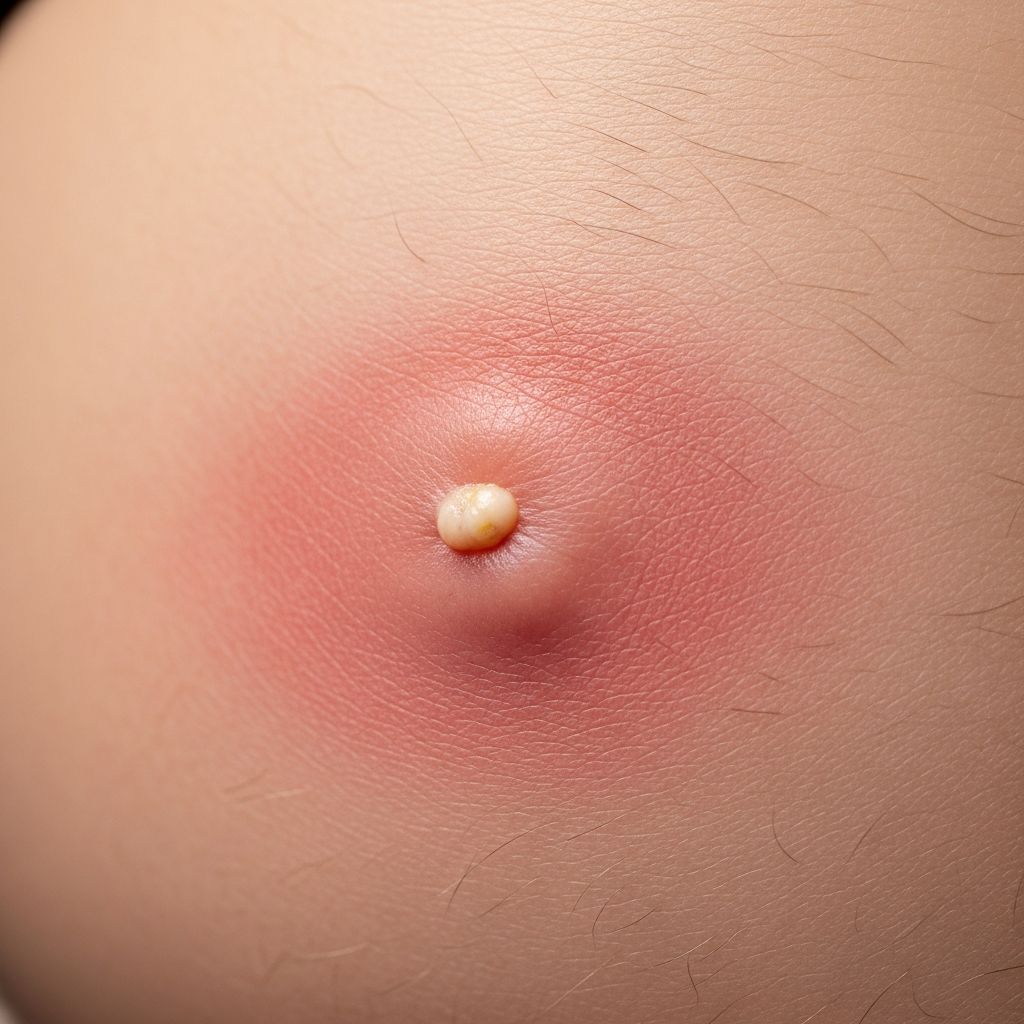
A boil on the butt, also known as a furuncle, is a painful, pus-filled bump that forms when a hair follicle or oil gland becomes infected, typically by bacteria. These infections are common in areas like the buttocks due to friction, sweat, and hair follicles, but most resolve with home care within 1-2 weeks.
What Is a Boil on the Butt?
Boils, or furuncles, are deep skin infections that start in hair follicles and spread to surrounding tissue. On the buttocks, they appear as red, tender lumps that grow, fill with pus, and may rupture. Unlike superficial pimples, boils involve deeper layers of skin and can reach sizes up to a golf ball if untreated. They differ from cysts, which are closed sacs without infection, or abscesses, which are larger collections of pus often requiring drainage.
Buttocks are a prime location because of constant moisture from sweat, tight clothing friction, and hair. Multiple boils clustering together form a carbuncle, which is more serious and can cause systemic symptoms like fever.
Symptoms of a Boil on Your Butt
Recognizing symptoms early helps in managing boils effectively. Initial signs include:
- A small, pea-sized red, tender bump on the skin.
- Warmth and swelling around the area, with possible purple discoloration.
- Increasing pain as the boil hardens and grows, potentially up to golf ball size.
- A yellow or white pus-filled head forming at the tip.
- Pus leakage or crusting if it ruptures naturally.
For larger boils or carbuncles, additional symptoms may occur:
- Fever, fatigue, or weakness.
- Lymph node swelling nearby.
- Red streaks radiating from the boil, indicating spreading infection.
Pain can make sitting or moving uncomfortable, disrupting daily activities.
Pictures of Boils on the Buttocks
Visuals of boils typically show a raised, red nodule starting small and firm, progressing to a swollen, pus-tipped lesion. Early stages resemble pimples, but boils are deeper and more painful. As they mature, a white head appears, sometimes bursting to release creamy pus. Carbuncles look like clusters of interconnected boils. (Note: Consult medical images from reliable sources like MedlinePlus for accurate visuals; avoid self-diagnosis based on photos alone.)
Causes and Risk Factors
The primary cause of boils on the butt is bacterial infection, most often Staphylococcus aureus (staph), a bacterium commonly found on skin or in the nose. It enters through tiny cuts, abrasions, or clogged follicles.
Key risk factors include:
- Friction and sweat: Tight pants, prolonged sitting, or athletic gear trap moisture.
- Skin conditions: Eczema, psoriasis, or acne weaken the skin barrier.
- Weakened immunity: Diabetes, HIV, obesity, or steroid use increase susceptibility.
- Poor hygiene: Sharing towels or razors spreads staph.
- Recurrent boils: Prior infections or MRSA (methicillin-resistant staph) raise recurrence risk.
| Risk Factor | Description | Prevalence |
|---|---|---|
| Staph bacteria | Normal skin flora entering follicles | Most common cause |
| Diabetes | Impaired healing and immunity | High risk |
| Tight clothing | Increases friction/moisture | Common in active individuals |
| MRSA | Antibiotic-resistant strain | Seen in recurrent cases |
Related Stories



Diagnosis and Treatment
Diagnosis involves a physical exam and medical history review. Doctors may swab pus for culture or order blood tests if infection spreads. Self-treatment risks worsening the issue.
Home Remedies for Boils on Butt
Most small boils heal without intervention:
- Warm compresses: Apply a clean cloth soaked in hot water for 10-15 minutes, 3-4 times daily to promote drainage.
- Keep clean: Gently wash with antibacterial soap; cover with sterile bandage.
- Pain relief: Use ibuprofen or acetaminophen.
- Tea tree oil: Diluted application has antibacterial properties (dilute to avoid irritation).
- Avoid squeezing: This spreads bacteria.
Medical Treatments
Seek care for large, persistent, or recurrent boils:
- Incision and drainage: Doctor lances under sterile conditions.
- Antibiotics: Oral or topical for staph/MRSA.
- Culture testing: Identifies resistant bacteria.
Treatment timeline: Small boils resolve in 1-2 weeks; medical intervention speeds larger ones.
Complications of Untreated Boils
While rare, complications arise if infection spreads:
- Abscess: Deep pus pocket needing drainage.
- Cellulitis: Spreading skin infection with fever.
- Sepsis: Life-threatening bloodstream infection.
- Scarring or recurrence: Especially with carbuncles.
High-risk groups (diabetics, immunocompromised) face greater dangers.
Prevention Tips for Boils on Buttocks
Preventive measures reduce recurrence:
- Wash daily with antibacterial soap; change underwear frequently.
- Wear loose, breathable clothing; avoid tight pants during workouts.
- Maintain hygiene: Don’t share towels/razors; launder bedding weekly in hot water.
- Manage weight and blood sugar; quit smoking.
- Moisturize skin to prevent cracks; treat underlying conditions.
When to See a Doctor for a Boil on Butt
Consult promptly if:
- Boil >0.5 inches, doesn’t drain in 2 weeks, or recurs.
- Fever >100.4°F, chills, or red streaks.
- Location near spine/anus or in high-risk individuals.
- Increasing pain/swelling despite home care.
Frequently Asked Questions (FAQs)
What causes a boil on the butt?
A bacterial infection, usually staph, in a hair follicle causes boils. Friction and sweat on buttocks facilitate entry.
How long does a butt boil last?
1-2 weeks with home care; longer or medical help for larger ones.
Can I pop a boil on my butt?
No, it spreads infection. Use warm compresses instead.
Are boils on butt contagious?
Drainage can spread bacteria via contact; cover and wash hands.
Do boils on buttocks indicate diabetes?
Recurrent boils can signal diabetes or immunity issues; get checked.
Bottom Line
Boils on the butt are uncomfortable but usually heal with warm compresses and hygiene. Monitor for worsening signs and seek medical help to prevent complications like abscesses. Good hygiene and loose clothing are key to prevention.
References
- Boils on Buttocks: Causes, Treatment, and Symptoms — Healthline. 2024-11-01. https://www.healthline.com/health/boils-on-buttocks
- What Causes Boils on Your Buttocks? — Healthgrades. Recent update. https://resources.healthgrades.com/right-care/skin-hair-and-nails/boils-on-buttocks
- Boils on the buttocks: Causes, treatment, and symptoms — Medical News Today. Recent. https://www.medicalnewstoday.com/articles/321051
- Boils — MedlinePlus (U.S. National Library of Medicine). Ongoing. https://medlineplus.gov/ency/article/001474.htm
Similar Articles








Read full bio of Sneha Tete