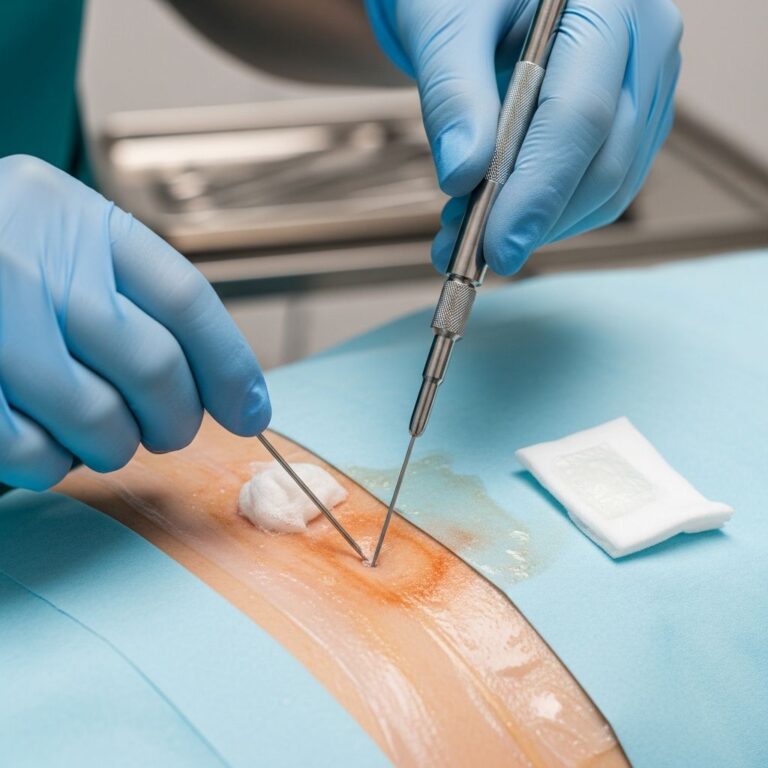
Boil Treatment: Safe Home Care And When To See A Doctor
Expert guide to safely treating boils at home and when to seek medical help for fast relief.
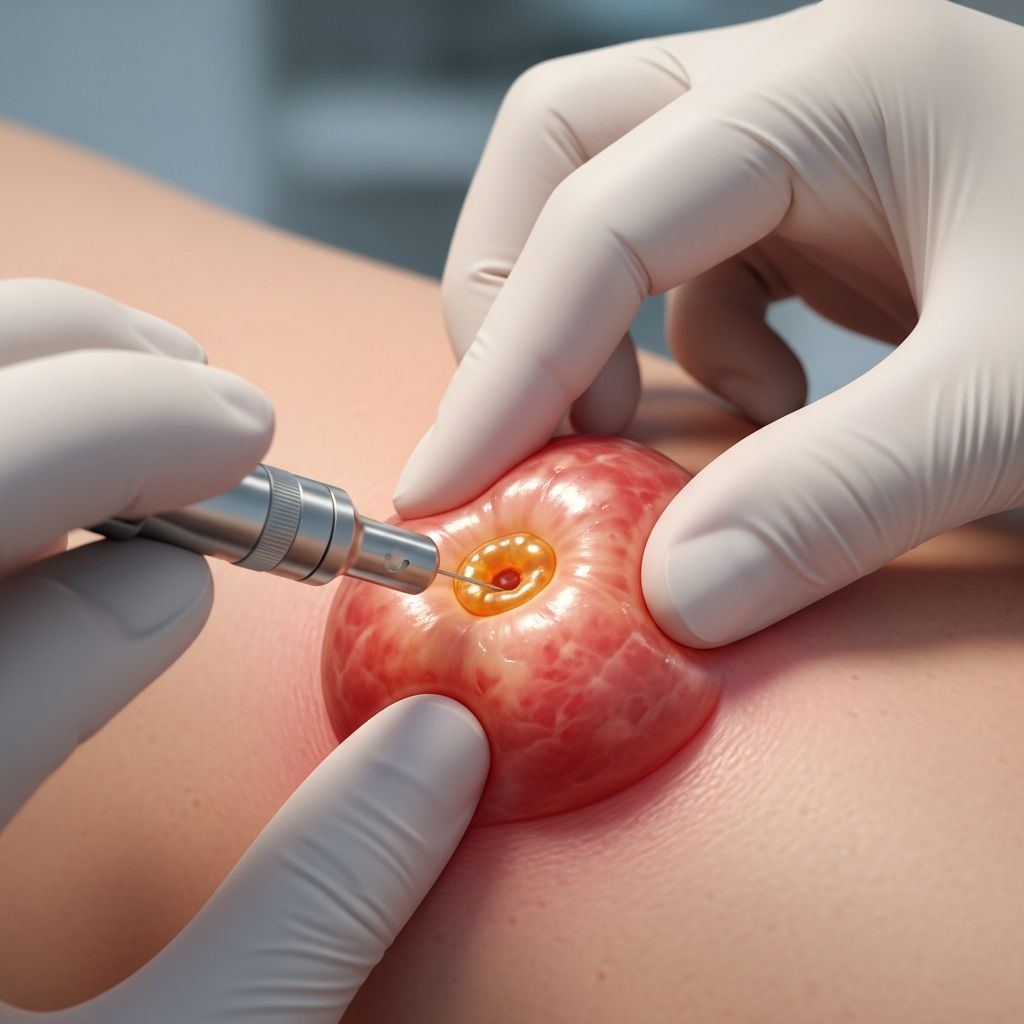
Boils, also known as furuncles, are painful, pus-filled bumps that form under the skin when bacteria infect and inflame one or more hair follicles. They often appear as red, tender lumps that grow larger and fill with pus over days. Carbuncles are clusters of connected boils, which are more severe and can cause fever or chills. Most boils heal within 1-2 weeks with proper care, but understanding treatment options is key to avoiding complications like spreading infections or scarring.
Commonly caused by Staphylococcus aureus bacteria, boils thrive in areas prone to friction, sweat, or poor hygiene, such as the neck, armpits, thighs, and buttocks. While small boils can often be managed at home, larger ones or those in sensitive areas like the face or spine require professional intervention to prevent serious issues like bloodstream infections.
What Is a Boil?
A boil starts as a tender, pinkish-red swollen spot on firm skin, resembling a pimple that worsens rapidly. Over time, it develops a white or yellow center filled with pus, dead tissue, and bacteria, feeling like a water-filled balloon. Pain intensifies as pus accumulates, peaking just before drainage, then eases as the boil ruptures. A typical boil measures 1-2 cm but can grow larger; carbuncles form when multiple boils merge, creating deeper, more extensive infections.
Boils differ from other skin issues like cysts (which lack infection) or abscesses (deeper pus collections). They usually drain on their own but may require assistance if they persist beyond a week or cause systemic symptoms.
Symptoms of a Boil
- Pain and tenderness: Starts mild, becomes throbbing as pus builds.
- Redness and swelling: Warm, inflamed skin around a hard center.
- Pus-filled head: White or yellow tip appears after 3-5 days.
- Fever or chills: In carbuncles or severe cases.
- Lymph node swelling: Nearby nodes may enlarge and tenderize.
Symptoms peak around day 4-7; untreated boils risk forming a hard core (core furunculosis) or spreading to create new boils (furunculosis).
Causes of Boils
Boils result from bacterial entry into hair follicles or oil glands, often via small skin cuts, abrasions, or clogged pores. Staphylococcus aureus (including MRSA strains) is the primary culprit, colonizing skin or nostrils in up to 30% of people asymptomatically. Risk factors include:
- Close skin contact (e.g., sports, households).
- Weakened immunity (diabetes, HIV, chemotherapy).
- Poor hygiene or tight clothing trapping sweat.
- Pre-existing skin conditions like eczema.
Recurrent boils signal underlying issues like nasal carriage of staph or immune deficiencies.
Boil Treatment at Home
For small boils (<1 cm, no fever), home care promotes natural drainage and healing within 10-14 days. Key steps:
Related Stories



- Warm compresses: Apply a clean, warm (not hot) washcloth 3-4 times daily for 10-15 minutes. This increases blood flow, softens skin, and speeds pus to the surface.
- Keep clean: Gently wash with antibacterial soap; cover with loose bandage.
- Pain relief: Use ibuprofen or acetaminophen for discomfort.
- Hygiene: Wash hands before/after care; launder towels/clothes in hot water.
Never squeeze, pop, or lance a boil yourself—this pushes bacteria deeper, risking cellulitis, abscesses, or sepsis.
When to See a Doctor for a Boil
Seek medical care if:
- Boil >1 cm, on face/spine, or lasts >1 week.
- Fever >101°F, chills, or red streaks.
- Recurrent boils or diabetes/immune issues.
- No drainage after 2 weeks or worsening pain.
Face boils are urgent due to vein risks to brain/eyes; spine boils threaten nerves.
Medical Treatments for Boils
Healthcare providers diagnose boils visually, sometimes culturing pus for antibiotic resistance testing, especially in recurrent cases.
Incision and Drainage (I&D)
For large boils/carbuncles, doctors numb the area and make a small incision to drain pus. Sterile gauze may pack the cavity to wick out residual fluid, changed daily until healed. This outpatient procedure relieves pain instantly; wounds heal open (secondary intention) to prevent re-accumulation.
Antibiotics
Oral antibiotics (e.g., dicloxacillin, cephalexin) treat systemic spread, facial boils, carbuncles, or immunocompromised patients. Duration: 5-10 days. Topical antibiotics are ineffective post-formation. Culture-guided therapy combats MRSA.
Drawing Salves and Compresses
Early-stage: Ichthyol (ammonium bituminosulfonate) ointments or antiseptic compresses draw pus to promote rupture.
How to Drain a Boil Safely
Professional drainage only. Post-I&D: Clean with saline, apply antibiotic ointment, cover loosely. Change dressings daily; expect clear-yellow drainage initially, then drying.
| Stage | Home Care | Medical Care |
|---|---|---|
| Early (days 1-3) | Warm compresses 4x/day | Monitor; salve if needed |
| Peak (days 4-7) | Compresses, pain meds | I&D if large/painful |
| Draining/healing | Clean, bandage | Antibiotics if systemic |
Preventing Boils
- Daily hygiene: Antibacterial soap; keep skin dry.
- Nasal decolonization for recurrent cases (mupirocin).
- Avoid sharing razors/towels.
- Manage diabetes; loose clothing.
Prognosis: Most heal without scarring; recurrent furunculosis needs evaluation.
Frequently Asked Questions (FAQs)
What causes boils on inner thighs or buttocks?
Friction, sweat, and bacteria in moist areas; improve hygiene and wear breathable fabrics.
Can I pop a boil with a needle?
No—risks severe infection spread. Use compresses only.
How long do boils last?
1-2 weeks with care; see doctor if longer.
Are boils contagious?
Drainage fluid yes; cover and wash hands.
Do tea tree oil or turmeric cure boils?
Limited evidence; stick to proven compresses.
References
- Boils and carbuncles – Diagnosis & treatment — Mayo Clinic. 2023-10-15. https://www.mayoclinic.org/diseases-conditions/boils-and-carbuncles/diagnosis-treatment/drc-20353776
- Boils — MedlinePlus Medical Encyclopedia. 2024-05-01. https://medlineplus.gov/ency/article/001474.htm
- Boils and carbuncles: Learn More – How are boils treated? — NCBI / InformedHealth.org. 2022-11-22. https://www.ncbi.nlm.nih.gov/books/NBK513136/
Similar Articles








Read full bio of Sneha Tete